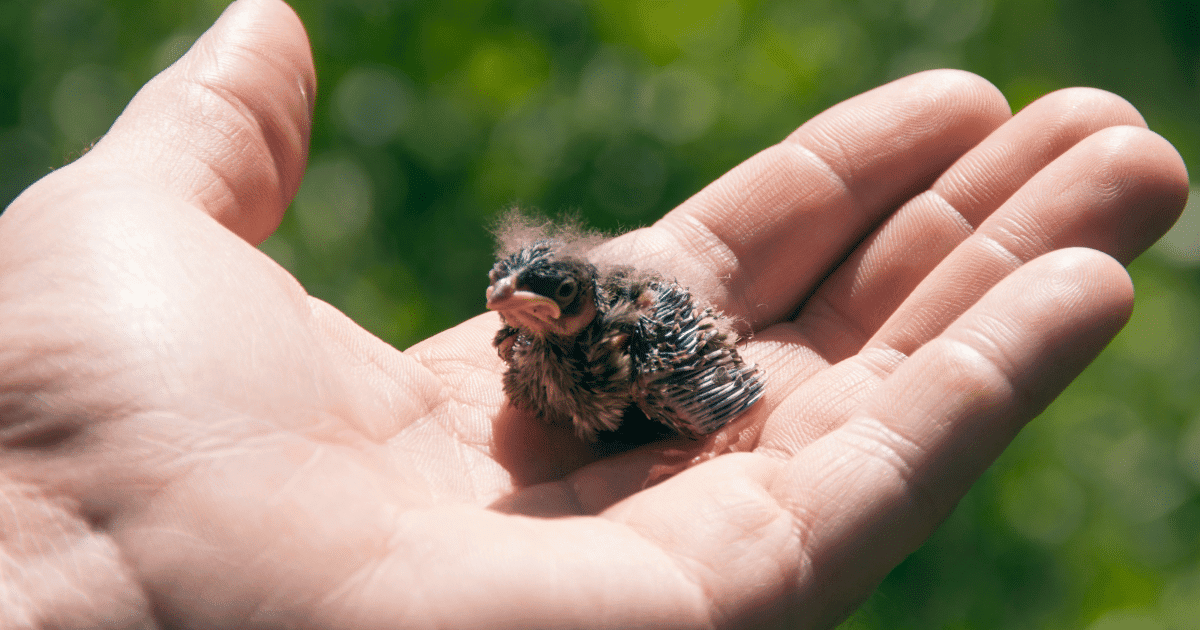
Taking care of newborn birds can feel overwhelming, especially if this is your first time. You want to make sure your tiny feathered friends grow strong and healthy, but where do you start?
The good news is, with the right steps and a little patience, you can give your baby birds the best chance to thrive. In this guide, you’ll discover simple, effective ways to care for newborn birds that anyone can follow.
Keep reading, and you’ll soon feel confident in providing the care your new little companions need.

Credit: www.reddit.com
Preparing The Nest
Taking care of newborn birds starts with making a safe nest. A good nest helps keep the baby birds warm and protected.
Preparing the nest properly gives the birds a better chance to grow healthy and strong.
Choosing The Right Location
Pick a quiet place away from loud noises and many people. The nest should be safe from predators like cats and snakes.
Look for a spot that is dry and has some shade. Avoid places that get wet or too hot during the day.
- Quiet and calm area
- Protected from predators
- Dry and shaded spot
- Easy to reach for feeding
Selecting Suitable Nesting Materials
Use soft and natural materials to build the nest. These help keep the baby birds warm and comfy.
Good materials include dry grass, small twigs, and feathers. Avoid anything sharp or that can hurt the birds.
- Dry grass or straw
- Small, soft twigs
- Feathers for extra warmth
- Avoid plastic or metal pieces
Maintaining Cleanliness
Keep the nest clean to stop diseases. Remove old food and droppings every day.
Use fresh materials if the nest gets dirty. Clean nests help baby birds stay healthy and safe.
- Remove waste daily
- Replace dirty nesting materials
- Check for mold or insects
- Keep the area dry and clean
Feeding Newborn Birds
Taking care of newborn birds needs special feeding care. Their small bodies need the right food and feeding times.
Feeding newborn birds correctly helps them grow healthy and strong. Learn the right diet, timing, and common feeding mistakes.
Identifying Proper Diet
Newborn birds need soft, easy-to-digest food. Their diet depends on the bird species and age.
Most baby birds eat insects, worms, or soft fruits. Avoid giving them hard seeds or bread.
- Insect-eating birds need protein-rich foods like mealworms
- Fruit-eating birds need mashed soft fruits like bananas
- Use a commercial baby bird formula if unsure
- Feed food at room temperature, not cold or hot
Feeding Frequency And Techniques
Newborn birds need feeding every few hours. Younger birds require more frequent feedings.
Use a small syringe or dropper to feed gently. Hold the bird upright to avoid choking.
- Feed every 15 to 20 minutes for very young birds
- Older babies can eat every 30 to 60 minutes
- Feed slowly and carefully to prevent aspiration
- Keep the feeding area clean to avoid infections
Avoiding Common Feeding Mistakes
Some feeding errors can harm newborn birds. Avoid overfeeding or giving wrong food.
Never feed birds milk or bread. Avoid force-feeding or feeding too fast.
- Do not feed cold food to avoid digestive issues
- Avoid using metal utensils that can hurt the bird
- Do not leave food sitting out; it can spoil quickly
- Watch for signs of choking or discomfort during feeding
Keeping Newborn Birds Warm
Newborn birds cannot keep their body temperature stable. They need extra warmth to stay healthy. Keeping them warm helps their growth and survival.
Warmth is important because cold can cause stress and illness. You must create a cozy environment for newborn birds.
Ideal Temperature Settings
Newborn birds need warm temperatures that match their age. The right heat helps their body develop well. Too hot or cold can harm them.
Keep temperatures around 85°F to 90°F (29°C to 32°C) for the first week. Lower the heat gradually as they grow older.
- Day 1-7: 85°F to 90°F (29°C to 32°C)
- Week 2: 80°F to 85°F (27°C to 29°C)
- Week 3 and older: 75°F to 80°F (24°C to 27°C)
Using Heat Sources Safely
Use heat lamps, heating pads, or incubators to keep birds warm. These tools must be safe and reliable. Avoid direct contact with birds to prevent burns.
Place heat sources so birds can move away if too hot. Check equipment often to avoid overheating or fire risks.
- Use low-wattage bulbs or pads made for animals
- Keep heat sources outside the nest box
- Have a thermometer to monitor temperature
- Do not leave heat sources unattended for long
Monitoring Bird Behavior
Watch newborn birds to see if they are too hot or cold. Their behavior shows if temperature is right. Adjust heat if needed.
Birds that huddle tightly may be cold. If they pant or move away from heat, they may be too warm. Keep checking them regularly.
- Huddling or piling means cold
- Spreading wings or panting means heat stress
- Active and relaxed means good temperature
- Check birds several times a day
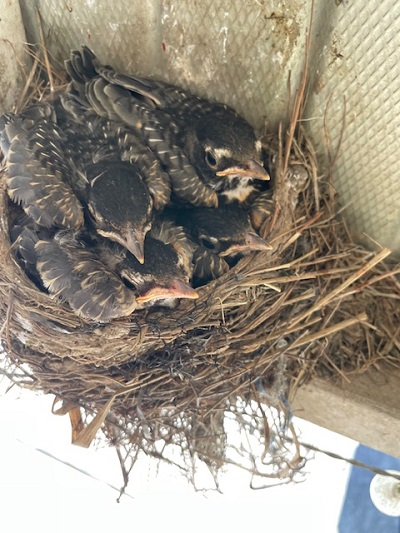
Credit: twoclassychics.com
Health Monitoring
Taking care of newborn birds means watching their health closely. Healthy birds grow strong and avoid many problems.
Regular health checks help you spot issues early. This keeps the birds safe and well.
Recognizing Signs Of Illness
Newborn birds cannot tell you when they feel bad. Watch for changes in behavior or appearance.
Look for signs like less movement, weak body, or unusual noises. These can mean the bird is sick.
- Fluffed-up feathers or constant shivering
- Loss of appetite or not eating well
- Breathing fast or making strange sounds
- Unusual droppings or color changes
- Swollen eyes or discharge
Preventing Parasites And Infections
Parasites and infections can harm newborn birds quickly. Keep their living area clean and dry.
Regularly clean nests and feeding tools. Avoid contact with wild birds that may carry germs.
- Wash hands before handling birds
- Use clean water and fresh food daily
- Check birds for mites or lice often
- Keep the nesting area free of droppings
- Isolate new birds before mixing with others
When To Seek Veterinary Care
If you see signs of sickness, contact a vet quickly. Early help can save the bird’s life.
Some problems need medicine or special care from experts. Do not wait if the bird looks very weak.
- Bird stops eating or drinking
- Constant breathing trouble or gasping
- Severe swelling or wounds
- Sudden weakness or inability to move
- Signs of parasites that you cannot remove
Encouraging Growth And Development
Taking care of newborn birds requires special attention to help them grow strong. You must support their natural behaviors and physical needs.
Encouraging growth means providing the right environment and care. This helps birds develop skills for survival.
Stimulating Natural Behaviors
Newborn birds learn by copying natural actions. Encourage activities like pecking and stretching. These actions build muscles and coordination.
Use safe objects for the birds to interact with. Change items often to keep their interest. This helps their brain and body grow.
- Offer small twigs or soft materials for pecking
- Create safe spaces for gentle climbing
- Gently stimulate their wings to stretch
Supporting Feather Growth
Feathers are vital for warmth and flying. Feed birds a diet rich in proteins and vitamins. This supports healthy feather growth.
Keep their environment clean and dry. Moisture can damage feathers and slow growth. Regular checks help spot problems early.
- Provide foods like insects and seeds with nutrients
- Maintain warm temperatures for comfort
- Remove wet bedding or feathers promptly
Preparing For Fledging
Fledging is when birds learn to fly and leave the nest. Help birds build strength by encouraging wing exercises. Let them practice in a safe area.
Gradually reduce feeding by hand. This teaches them to find food on their own. Watch closely to ensure they stay healthy.
- Provide space for flying practice
- Offer varied foods to encourage natural foraging
- Limit human contact to promote independence
Handling And Interaction
Taking care of newborn birds needs gentle handling and careful interaction. These young birds are fragile and can get scared easily.
Proper care helps them grow strong and trust humans. It is important to know how to hold them and when to interact.
Minimizing Stress
Stress can harm newborn birds and slow their growth. Keep the environment calm and quiet to help them feel safe.
Avoid loud noises and sudden movements. Handle the birds only when needed and do it gently to reduce fear.
Safe Handling Practices
Always wash your hands before touching newborn birds. Clean hands stop the spread of germs and keep birds healthy.
Hold the bird gently but firmly. Support its body with your palm and fingers without squeezing. Use soft cloth if needed.
- Keep the bird close to your body for warmth
- Do not pick the bird up by its wings or legs
- Limit handling time to avoid tiring the bird
- Use gentle movements to avoid startling
Building Trust Gradually
Spend quiet time near the birds without touching them. Let them get used to your presence and voice.
Offer food by hand slowly to show you are not a threat. Repeat this often so they learn to trust you over days.
- Speak softly when near the birds
- Move slowly and calmly around them
- Offer treats gently by hand
- Be patient and consistent with care
Legal And Ethical Considerations
Taking care of newborn birds needs careful thought about laws and ethics. These rules help protect wildlife and keep birds safe.
Knowing when to act and whom to ask for help is important. Respecting nature helps all living things thrive.
Understanding Wildlife Laws
Many countries have laws that protect wild birds. These laws stop people from keeping or harming wild birds without permission.
It is illegal to take birds or their eggs from the wild in many places. These laws help keep bird populations safe and healthy.
- Check local wildlife protection laws before helping birds
- Do not keep wild birds unless you have legal permission
- Report injured birds to the proper authorities
When To Contact Professionals
Not all newborn birds need human care. Sometimes, the best help comes from wildlife experts.
Contact animal rescue or wildlife rehabilitators if you find a bird that is hurt or abandoned. They have the right skills to care for the bird safely.
- Call a local wildlife rehabilitator for advice
- Do not try to feed or care for birds without guidance
- Keep the bird safe and warm until help arrives
Promoting Conservation Efforts
Helping newborn birds also means protecting their natural homes. Conservation supports healthy bird populations.
You can support conservation by learning about birds and sharing this knowledge. Protect habitats by avoiding damage to nests and trees.
- Respect bird habitats and avoid disturbing nests
- Support local conservation groups and projects
- Teach others about the importance of wildlife protection
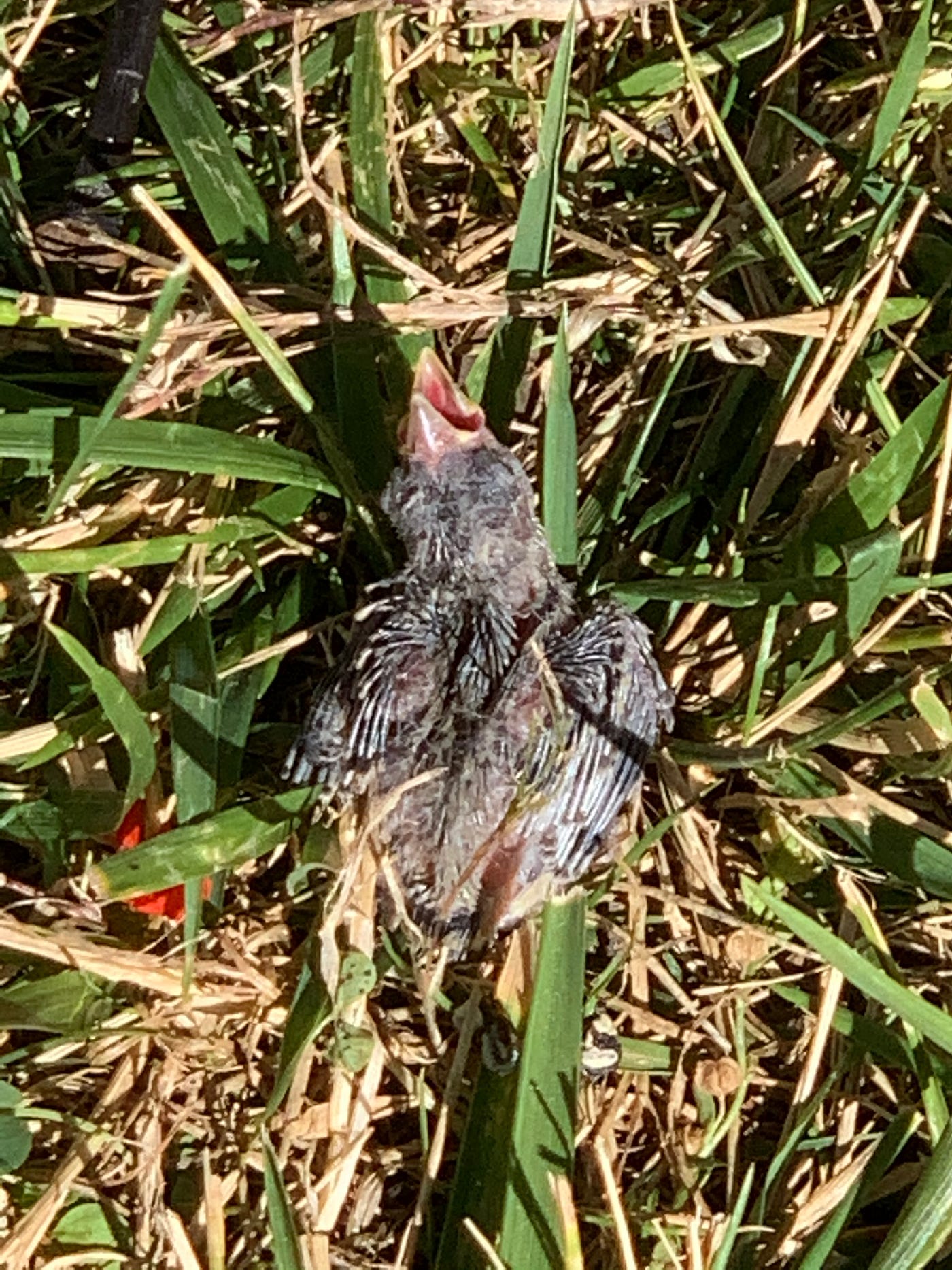
Credit: medium.com
Frequently Asked Questions
How Do I Feed A Newborn Bird Safely?
Feed newborn birds with a syringe or dropper using a specialized formula. Avoid cow’s milk or bread. Feed small amounts frequently, every 15-20 minutes during daylight. Keep the bird warm and calm during feeding to prevent choking and stress.
What Temperature Is Best For Newborn Birds?
Newborn birds need a warm environment around 85-90°F (29-32°C). Use a heat lamp or heating pad to maintain consistent warmth. Avoid direct heat contact to prevent burns. Proper temperature helps with digestion and overall health.
How Often Should I Feed Newborn Birds?
Feed newborn birds every 15-20 minutes from dawn until dusk. As they grow, gradually increase time between feedings. Consistent feeding ensures proper growth and hydration. Never leave a newborn bird unfed for long periods.
When Can Newborn Birds Start Eating Solid Food?
Introduce soft solid food when the bird’s eyes open and feathers grow. This usually occurs around 10-14 days old. Start with small, soft pieces like soaked pellets or fruits. Gradually transition to regular bird food as they mature.
Conclusion
Caring for newborn birds requires patience and attention. Keep them warm and safe. Provide proper food and hydration. Ensure their environment is quiet and stress-free. Handle them gently to avoid injury. Watch for any signs of illness. Reach out to experts if needed.
Celebrate each small growth and progress. Your efforts help them thrive and grow strong. Enjoy this rewarding experience. With care, these little birds will soon take flight. Your compassion makes a big difference. Thank you for supporting these young lives.
They depend on you for a bright future.