
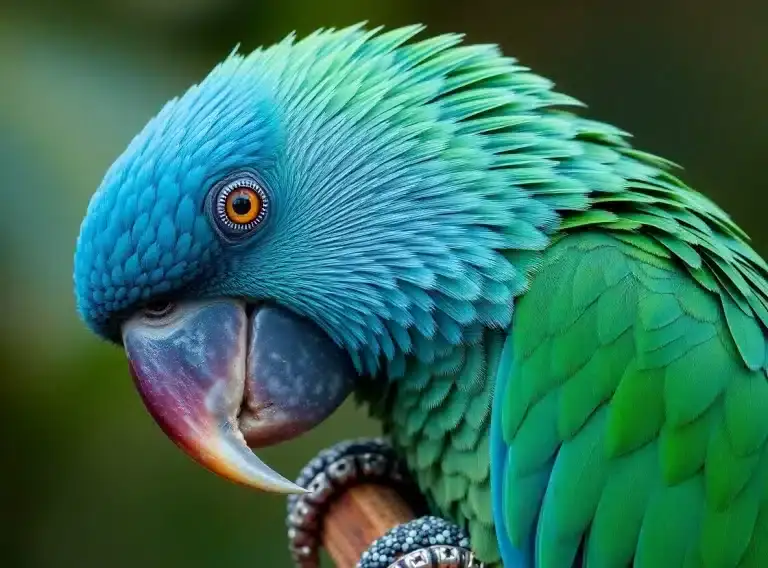
Owning a parrot bird can bring joy and color to your life, but it also comes with important responsibilities. If you want your feathered friend to stay happy and healthy, knowing how to take care of your parrot is essential.
From feeding and grooming to creating the perfect environment, every step matters. You’ll discover simple, practical tips that make a big difference. Keep reading to learn how to give your parrot the best care it deserves—and build a strong, loving bond that lasts.
Choosing The Right Parrot
Choosing the right parrot is very important for your happiness. Each parrot species has different needs and personalities.
Think about your home, time, and how much care you can give before picking a parrot.
Popular Parrot Species
Many parrots make great pets. Some are small, and some are very large. Each type has its own traits.
- Budgerigar (Budgie):Small, friendly, and easy to care for.
- Cockatiel:Medium size, gentle, and loves to whistle.
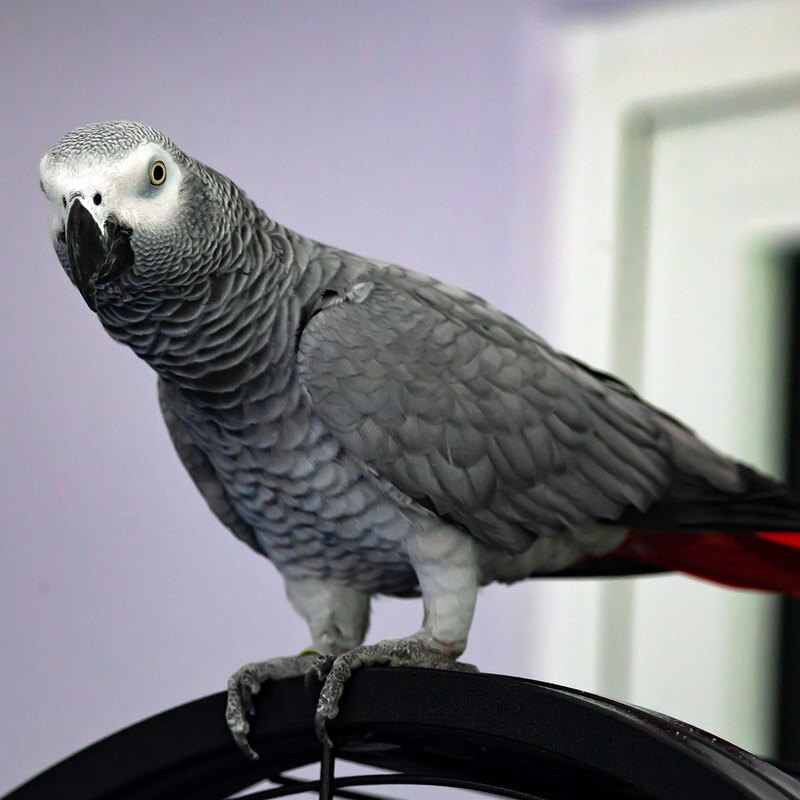
- African Grey:Very smart and good at talking.
- Ara Macaw:Large, colorful, and needs lots of space.
- Lovebird:Small, social, and playful.
Matching Parrot To Your Lifestyle
Think about your daily schedule and home before getting a parrot. Some parrots need more attention than others.
Choose a parrot that fits your time, space, and noise level you can handle.
- If you have little time, pick a small parrot like a budgie or lovebird.
- If you enjoy talking and training, an African Grey may be best.
- Large parrots need big cages and daily exercise.
- Consider noise; some parrots are loud, which may not suit apartments.
- Some parrots live many years; be ready for long-term care.
Credit: lafeber.com
Creating A Safe Home
Taking care of a parrot starts with a safe home. The right environment helps your bird feel secure and happy.
A safe home protects your parrot from harm and supports its natural behaviors.
Selecting The Proper Cage
Choose a cage that fits your parrot’s size and activity level. The cage should be roomy enough for movement.
Strong bars prevent escapes and protect your bird. Avoid cages with toxic paint or sharp edges.
- Minimum size depends on the parrot species
- Bar spacing must stop your parrot from escaping
- Material should be non-toxic and sturdy
- Easy to clean design is best
Setting Up Perches And Toys
Perches give your parrot places to rest and exercise its feet. Use different sizes and textures for comfort.
Toys keep your bird active and prevent boredom. Choose toys that are safe and suitable for chewing and playing.
- Use natural wood perches of various thicknesses
- Include swings and ladders for climbing
- Offer chewable toys made from bird-safe materials
- Rotate toys regularly to keep interest
Maintaining Cleanliness
Clean your parrot’s cage daily to prevent illness. Remove leftover food and droppings each day.
Wash food and water dishes every day. Deep clean the cage weekly with safe cleaning products.
- Change cage liners or newspapers daily
- Disinfect perches and toys weekly
- Use non-toxic cleaners safe for birds
- Keep the cage area dry and free of mold
Feeding Your Parrot
Feeding your parrot the right food is very important. A good diet helps your bird stay healthy and happy.
Parrots need a mix of different foods. This keeps their body strong and their feathers bright.
Balanced Diet Essentials
A balanced diet includes seeds, fruits, vegetables, and pellets. Each type gives your parrot different nutrients.
Seeds are tasty but should not be the only food. Pellets have vitamins and minerals. Fresh fruits and vegetables add fiber and water.
- High-quality pellets made for parrots
- Fresh fruits like apples, bananas, and berries
- Vegetables such as carrots, spinach, and peppers
- A small amount of seeds as treats
Foods To Avoid
Some foods can harm your parrot. Avoid giving them chocolate, avocado, and caffeine. These are toxic.
Also, do not feed your parrot salty, sugary, or fried foods. These can cause health problems.
- Chocolate
- Avocado
- Caffeine and tea
- Salty snacks
- Sugary treats
- Alcohol
- Onions and garlic
Hydration Tips
Fresh water is very important for your parrot every day. Change the water at least once daily.
Use a clean bowl or water bottle. Some parrots like to drink running water, so a bird fountain can help.
- Provide clean, fresh water daily
- Wash the water container every day
- Offer water in a bowl or bottle
- Consider a bird fountain for fresh flow

Credit: www.youtube.com
Daily Interaction And Socialization
Parrots are social birds that need daily interaction to stay happy. Spending time with them helps build a strong bond.
Talking, playing, and gentle touch improve their mood and trust. Socialization keeps parrots active and less lonely.
Building Trust And Bonding
Trust is the base of a good relationship with your parrot. Spend quiet time near them without sudden moves.
Use soft voices and offer treats by hand to make them feel safe. Let the parrot come to you first.
- Be patient and calm around your parrot
- Give treats to reward calm behavior
- Talk to your parrot every day
- Let the bird explore your hand and fingers
Training Basics
Training helps parrots learn good manners and tricks. Keep sessions short and fun to hold their attention.
Use treats and praise to reward good behavior. Repeat commands clearly and give breaks to avoid stress.
- Start with simple commands like “step up”
- Use positive rewards only
- Practice for 5-10 minutes each day
- Be consistent with words and gestures
Handling Behavioral Issues
Some parrots may bite or scream. Stay calm and do not punish them. Understand why they act this way.
Provide toys and attention to reduce boredom. Redirect bad behavior by offering something positive.
- Ignore screaming to avoid attention seeking
- Offer chew toys to prevent biting
- Keep a regular routine for comfort
- Give extra attention after stressful events
Health And Wellness
Taking care of a parrot’s health is very important. Good health helps your bird live a happy life.
Learn how to spot illnesses, visit the vet often, and keep your parrot well.
Recognizing Common Illnesses
Parrots can get sick like people. Watch for changes in their behavior or appearance.
Early signs of illness include tiredness, loss of appetite, and changes in droppings.
- Fluffed-up feathers for a long time
- Breathing hard or noisy
- Swollen eyes or nose
- Less talking or movement
- Weight loss or drooling
Routine Vet Visits
Regular vet visits keep your parrot healthy. Vets can find problems early.
Take your parrot to the vet at least once a year for a checkup.
- Physical exam to check feathers, eyes, and beak
- Weight check to spot loss or gain
- Tests for parasites or infections
- Advice on diet and care
Preventative Care
Prevent illness with good daily care. Clean cages and fresh food help.
Keep your parrot safe from germs and stress to stay healthy.
- Clean food and water daily
- Wash cage and toys weekly
- Provide a balanced diet
- Give fresh fruits and vegetables
- Keep away from drafts and smoke
- Give enough sleep in a quiet place
Exercise And Mental Stimulation
Parrot birds need regular exercise and mental stimulation. These keep them healthy and happy.
Without enough activity, parrots can get bored or stressed. This may cause behavior problems.
Encouraging Physical Activity
Encourage your parrot to move its body every day. Exercise helps keep their muscles strong.
Let your parrot fly safely in a room or use a play gym. Change their environment often for interest.
- Provide a large cage with space to climb and stretch
- Use swings, ropes, and ladders inside the cage
- Allow supervised flying time in a safe area
- Rotate toys regularly to keep the bird active
Providing Enrichment Activities
Enrichment activities help your parrot use its mind. This reduces boredom and stress.
Offer puzzles and toys that challenge your parrot. Change activities to keep them interested.
- Provide foraging toys with treats inside
- Teach simple tricks and commands
- Give safe natural materials to chew on
- Play sounds or music for mental variety
Travel And Safety Precautions
Taking care of your parrot during travel needs special attention. Safety is very important to keep your bird calm and healthy.
Proper planning helps avoid stress and accidents. Learn how to transport your parrot safely and prepare for emergencies.
Safe Transport Tips
Use a sturdy travel cage that fits your parrot well. Make sure it has good ventilation and enough space to move.
Cover the cage with a light cloth to reduce stress from outside noise and sights. Keep the cage secure in the vehicle.
- Place the cage away from direct sunlight and drafts
- Bring familiar toys or perches for comfort
- Offer water before and after travel, but avoid feeding during the trip
- Drive carefully to avoid sudden stops or sharp turns
Emergency Preparedness
Have a plan for emergencies while traveling with your parrot. Keep important items ready for quick use.
Know the location of nearby vets along your route. Carry a basic first-aid kit for birds to handle minor injuries.
- Keep your parrot’s health records and contact info for your vet
- Have emergency phone numbers saved on your phone
- Learn basic bird first aid, like how to stop bleeding or treat shock
- Check your car and travel gear before trips to avoid issues

Credit: birdsupplies.com
Frequently Asked Questions
How Often Should I Clean My Parrot’s Cage?
Clean your parrot’s cage daily to maintain hygiene. Remove food scraps and droppings every day. Deep clean the cage weekly with bird-safe disinfectants to prevent infections and keep your parrot healthy.
What Is The Best Diet For A Pet Parrot?
Feed your parrot a balanced diet of pellets, fresh fruits, and vegetables. Avoid avocado, chocolate, and caffeine as they are toxic. Provide fresh water daily and occasional treats to keep your parrot healthy and happy.
How Much Social Interaction Does A Parrot Need?
Parrots require daily social interaction for mental and emotional health. Spend at least one hour interacting through talking, playing, or training. Social engagement prevents boredom and behavioral problems in your pet parrot.
What Temperature Is Ideal For A Pet Parrot?
Maintain room temperature between 65°F and 80°F (18°C to 27°C). Avoid drafts, sudden temperature changes, and direct sunlight. Stable temperatures ensure your parrot’s comfort and prevent respiratory illnesses.
Conclusion
Caring for a parrot involves dedication and love. Regular check-ups at the vet keep them healthy. A balanced diet ensures strong feathers and vibrant colors. Clean their cage often to prevent illness. Provide toys for mental stimulation and to prevent boredom.
Interaction daily makes them feel loved and happy. Training sessions can be fun and rewarding. Make sure they have a safe space to play and explore. Listen to their needs and observe changes in behavior. These actions build a strong bond with your feathered friend.
Your parrot will thrive with proper care and attention.



