Have you ever wished you could speak a language that draws birds closer to you? Imagine standing outside and having birds respond to your voice, fluttering nearby as if you’re part of their world.
Learning how to talk to attract birds isn’t just for experts—it’s something you can start doing today. You’ll discover simple, practical tips that make birds feel welcome and curious. Ready to turn your yard or balcony into a bird magnet?
Keep reading, and soon you’ll be sharing moments with nature like never before.
Choosing The Right Location
Talking to attract birds works best in good places. You need to find spots where birds like to stay.
Choosing the right location helps you see more birds and hear their sounds clearly.
Popular Bird Habitats
Birds live in many places, but some spots are best for attracting them. Look for places where birds find food and shelter.
Common bird habitats include forests, wetlands, and gardens. These areas have water, trees, and plants birds need.
- Forests offer safe homes and many insects for birds
- Wetlands provide water and food like fish or frogs
- Gardens and parks have seeds, fruits, and shelter
Timing Your Visits
Birds are more active at certain times of the day. Visit early in the morning or late in the afternoon to see them.
Birds sing and move more when it is cool and quiet. Avoid visiting during hot midday hours or busy times.
- Early morning is best for bird songs
- Late afternoon shows more bird activity
- Midday is often too hot and quiet
Quiet And Safe Spaces
Birds avoid loud noises and sudden movements. Choose quiet spots where you can stay still and listen.
Safe places have few people and no pets. Birds feel free to come close and respond to your calls.
- Find calm areas with little human traffic
- Stay still and speak softly
- Avoid places with dogs or other pets

Credit: www.allaboutbirds.org
Understanding Bird Calls
Bird calls are sounds birds use to communicate. Listening helps you attract birds nearby.
Each bird species has unique calls. Learning these sounds improves your birdwatching experience.
Common Bird Sounds
Birds use calls for many reasons. They warn of danger, mark territory, or find mates.
- Chirps: short, simple sounds often used for communication.
- Trills: rapid, repeated notes that show excitement or alertness.
- Whistles: clear, high-pitched sounds to attract attention.
- Songs: complex sequences used mainly by males to attract females.
Mimicking Bird Calls
Imitating bird calls can lure birds closer. Use your voice or tools like whistles.
- Listen carefully to the bird’s call.
- Practice copying the pitch and rhythm.
- Keep your sounds soft to avoid scaring birds.
- Repeat calls at intervals to maintain interest.
Using Apps And Recordings
Apps and recordings help identify and play bird calls. This attracts birds to your spot.
| Tool | Use | Tip |
| Bird Call Apps | Play calls for many bird species | Use in quiet areas for best effect |
| Recorded Calls | Playback to attract specific birds | Limit playback time to avoid stress |
| Field Recorders | Record calls to learn and practice | Record early in the morning |
Using Bird-friendly Language
Talking to birds requires patience and care. Birds respond better to gentle sounds and calm behavior. Using bird-friendly language helps build trust and invites them closer.
Soft tones and slow rhythms mimic natural bird calls. This makes your voice less threatening. It encourages birds to listen and respond.
Soft Tones And Rhythms
Speak softly and keep your voice steady. Avoid loud noises or sharp sounds. Use short, slow phrases that sound like bird songs. This helps birds feel safe around you.
- Lower your voice volume
- Use calm, even pacing
- Repeat simple sounds gently
- Match your tone to bird calls
Avoiding Sudden Movements
Birds get scared by quick actions. Move slowly and smoothly to keep them calm. Sudden moves can make birds fly away before they hear you.
| Behavior | Effect on Birds |
| Slow hand waves | Relax birds, invite curiosity |
| Fast arm swings | Startle birds, cause flight |
| Steady body posture | Show calm, build trust |
| Sudden head turns | Appear threatening |
Body Language Tips
Use open and relaxed body language. Keep your hands visible and avoid blocking your face. Lean slightly forward to show interest without looming.
Here are some simple body language tips to attract birds:
- Keep your movements gentle and slow
- Face the bird without staring directly
- Use soft gestures, like slow hand waves
- Stay low to avoid looking too big
Attracting Birds With Food
Birds visit gardens and yards to find food and shelter. Offering the right food helps bring them closer. You can enjoy watching birds by giving them snacks they like.
Different birds prefer different foods. Knowing what to offer and how to feed them makes your space bird-friendly. This guide explains how to attract birds with food.
Choosing Bird-appropriate Snacks
Offer snacks that match the birds’ natural diets. Seeds, nuts, fruits, and suet attract many species. Avoid foods that are harmful or hard to digest for birds.
- Black oil sunflower seeds: Great for many songbirds
- Peanuts (unsalted and shelled): Attract woodpeckers and jays
- Suet cakes: Good for insect-eating birds in cold months
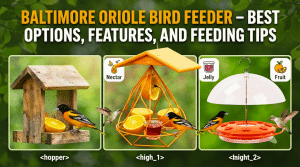
- Fresh fruit slices: Loved by orioles and tanagers
- Mealworms: Feed insect-eaters like bluebirds
Feeding Techniques
Place food in safe, clean spots. Use feeders or scatter food on the ground. Keep feeders filled and clean to avoid disease. Change locations to find where birds feel safe.
| Feeding Method | Best For | Tips |
| Platform feeder | Ground feeders like doves | Keep dry and clean |
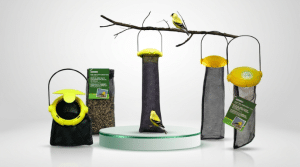
| Hanging seed feeder | Small songbirds | Fill regularly and avoid mold |
| Suet feeder | Woodpeckers and nuthatches | Place in shady areas |
| Fruit feeder | Orioles and tanagers | Offer fresh fruit daily |
Seasonal Food Preferences
Birds change their diets with the seasons. Offer energy-rich foods in winter. In spring and summer, provide more fruits and insects. Adjust food types to help birds stay healthy.
- Winter: Suet, sunflower seeds, peanuts
- Spring: Fresh fruits, nectar, mealworms
- Summer: Berries, insects, chopped fruit
- Fall: Seeds, nuts, berries for fat storage
Creating A Bird-friendly Environment
Attracting birds to your garden starts with creating a safe and welcoming space. Birds need the right plants, water, and shelter to feel comfortable.
By learning how to provide these essentials, you can enjoy watching many kinds of birds visit your yard.
Planting Native Flora
Native plants offer birds the food and habitat they need. These plants attract insects and provide berries, seeds, and nectar.
- Choose flowers and shrubs local to your area.
- Plant trees that produce nuts or seeds.
- Include a mix of tall and low plants for shelter and food.
- Avoid invasive species that harm native plants and animals.
Providing Water Sources
Birds need fresh water to drink and bathe. A clean water source helps keep them healthy and attracts more visitors.
| Water Source | Benefits |
| Birdbath | Easy to clean and refill |
| Small pond | Supports more wildlife |
| Dripping faucet | Attracts birds with sound and motion |
Safe Shelter Options
Birds need places to hide and rest safely. Providing shelter helps them avoid predators and bad weather.
- Plant dense shrubs or bushes.
- Leave dead trees or branches for natural nests.
- Install birdhouses suited for local species.
- Keep cats and other pets away from bird areas.
Credit: www.youtube.com
Patience And Observation
Talking to birds to attract them takes time and calmness. Birds notice how you act around them.
Watching birds closely helps you understand their needs and moods. This helps you connect with them better.
Reading Bird Behavior
Birds show their feelings with body language and sounds. Learning these signs helps you know if they feel safe.
Look for wing movements, head turns, and calls. These clues tell you if a bird is curious, scared, or relaxed.
- Watch for quick head turns to spot danger
- Soft chirps often mean contentment
- Fluffed feathers show a relaxed bird
- Sudden silence can mean alertness
Building Trust Over Time
Birds need time to trust you. Stay quiet and move slowly when near them.
Visit the same spot often. Birds learn your presence is safe and may come closer.
- Keep a calm voice when talking
- Avoid sudden movements
- Offer food gently and wait
- Be patient and consistent
Recording Your Experiences
Write down what you see and hear from birds. This helps you remember their habits and reactions.
Notes on time, weather, and bird actions show patterns. These records improve how you attract birds.
- Note the time of day birds visit
- Record bird sounds and movements
- Write how birds respond to your voice
- Track changes in behavior over weeks

Credit: www.allaboutbirds.org
Frequently Asked Questions
How Can I Use Bird Calls To Attract Birds?
Mimic common bird calls to grab their attention. Use apps or recordings to learn sounds accurately. Consistent practice improves your bird call skills and increases attraction chances.
What Time Of Day Is Best To Talk To Birds?
Early morning is ideal as birds are most active then. Quiet surroundings help your calls travel further. Avoid noisy times to increase your chances of attracting birds.
Which Bird Calls Are Easiest For Beginners To Imitate?
Start with simple calls like chickadee or sparrow sounds. These calls have clear, repetitive patterns. Practicing these helps build confidence and improves your overall bird-attracting skills.
How Does Tone And Volume Affect Bird Attraction?
Use a soft, natural tone to avoid scaring birds. Moderate volume mimics natural bird sounds best. Loud or harsh noises may frighten birds and reduce attraction.
Conclusion
Attracting birds takes time and patience. Use simple calls to invite them. Regular feeding builds trust and familiarity. Plant native trees and bushes for food and shelter. Water sources like birdbaths entice them too. Consistency is key in building a bird-friendly environment.
Observe their behavior and adapt your approach. Enjoy the beauty of nature visiting your space. A peaceful environment attracts more birds over time. Embrace the joy of birdwatching right at home. Each visit brings more color and life. Birds enrich our lives with their songs and presence.
Keep your space inviting, and they will come.