Have you ever wondered if the bird seed you bought is still good to use? Feeding birds is a joy, but using spoiled seed can harm their health and waste your money.
You might not realize it, but bird seed can go bad over time, losing its freshness and nutritional value. Knowing how to tell if your bird seed has gone bad can save you from problems and keep your feathered friends happy and healthy.
Keep reading, and you’ll learn the simple signs to watch for and how to store your seed the right way. Don’t let bad bird seed spoil your bird-feeding experience!
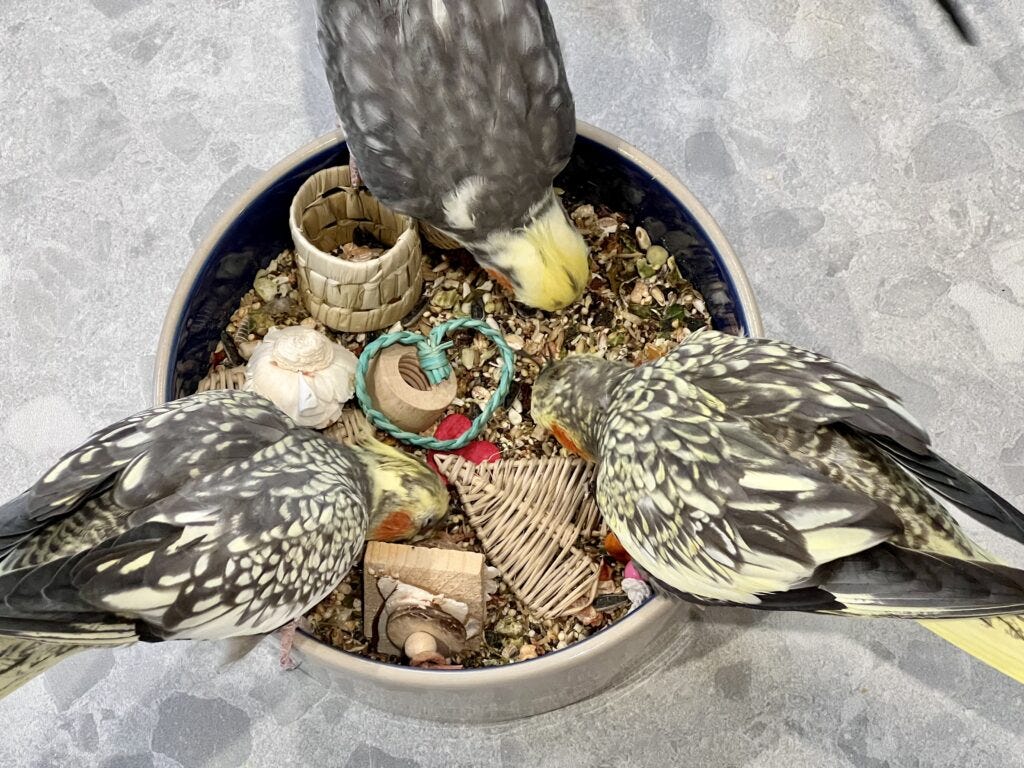
Credit: freerangeparrots.org
Check The Smell
Smelling bird seed is a quick way to check if it is still good. Fresh seed has a clean scent that birds enjoy. Bad seed often smells off or strange.
By using your nose, you can avoid feeding birds spoiled food. This helps keep birds healthy and happy.
Recognize Fresh Seed Aroma
Fresh bird seed smells natural and mild. It has a slightly nutty or earthy scent. The smell should be clean and not too strong.
You might notice a fresh grain or plant smell. Good seed does not have a sour or chemical odor.
Identify Rancid Or Musty Odors
Rancid seed has a sharp, sour, or bitter smell. It may smell like old oil or spoiled nuts. This happens when the fats in the seed go bad.
Musty odors indicate moisture damage or mold. This smell is damp, stale, or like old paper. Avoid seed with these signs to protect birds.
- Sour or sharp smell means rancid seed
- Damp or stale smell means mold or moisture
- Strong chemical or odd smells mean bad seed
- Fresh seed smells mild, nutty, or earthy
Inspect The Appearance
Checking bird seed for signs of spoilage helps keep birds safe. Look closely at the seed before feeding it to birds.
Visual inspection can reveal if the seed is still good or if it should be thrown away.
Look For Discoloration
Fresh bird seed has natural colors depending on the type. If you see dark spots or faded colors, the seed might be old.
Discoloration can mean the seed has been exposed to sunlight or air for too long.
- Bright yellow or red seeds usually mean freshness
- Dull, brown, or gray colors may show age
- Black spots can indicate damage or decay
Spot Mold Or Fungal Growth
Mold looks like fuzzy patches on the seed. It can be white, green, black, or gray in color.
If you see mold, do not use the seed. Mold can harm birds and cause health problems.
- Check for any fuzzy or powdery spots
- Look inside the bag or container for hidden mold
- Throw away any seed with visible mold
Detect Clumping Or Moisture
Good bird seed should be dry and loose. If you find clumps, the seed might have moisture inside.
Moisture can cause seeds to spoil faster and grow mold.
- Feel the seed for dampness
- Look for sticky or hard clumps
- Seed should flow freely, not stick together
Feel The Texture
Checking the texture of bird seed helps you know if it is still good to use. Fresh seed feels dry and firm to the touch.
Seed that has gone bad often changes in texture. Learning to feel these changes can save your birds from eating spoiled food.
Assess Seed Dryness
Good bird seed should feel dry and free from moisture. Wet or damp seed can grow mold and bacteria.
- Take a small handful of seed.
- Rub the seeds between your fingers.
- Feel if the seeds are dry or damp.
- Check for any clumping or damp patches.
- Dry seeds flow easily and do not stick together.
Notice Unusual Softness Or Stickiness
Soft or sticky seeds are a sign the seed may be spoiled. This happens if moisture caused the seed to break down.
| Texture | What It Means |
|---|---|
| Dry and firm | Seed is fresh and safe to use |
| Soft or mushy | Seed may be spoiled or rotten |
| Sticky or clumped | Seed has moisture damage |
| Powdery residue | Seed is old and breaking down |
Observe Bird Behavior
Birds often show signs when their food is no longer fresh. Watching their behavior helps you know if bird seed has gone bad.
Changes in how birds eat or act can tell you if the seed is spoiled or unsafe for them.
Watch For Refusal To Eat
Birds usually eat eagerly when the seed is fresh. If they start refusing the seed, it may be bad.
Look for birds flying away or ignoring the feeder. This can mean the seed smells or tastes off to them.
Monitor Changes In Feeding Patterns
If birds visit the feeder less often or spend less time eating, the seed might be spoiled.
Notice if some birds leave the feeder quickly or avoid it at certain times. These shifts can signal bad seed.
Check The Packaging
Bird seed can go bad if it is old or stored poorly. Checking the packaging helps you know if the seed is still good to use. Always look closely at the bag before feeding birds.
Damaged or expired packaging can mean the seed inside is spoiled. This can affect the health of the birds and waste your money.
Review Expiration Dates
Most bird seed bags have an expiration or best-by date. This date tells you how long the seed stays fresh. Using seed past this date might mean it has lost nutrients or taste.
Always check the date before buying or using bird seed. If the seed is past the expiration date, it is better to get a fresh bag.
Look For Damaged Or Open Bags
Check the bag for any holes, tears, or openings. Damaged bags can let moisture and pests inside. This can spoil the seed and make it unsafe for birds.
Even small openings can cause problems. If you see damage, do not use the seed. It is best to throw it away or buy a new sealed bag.

Credit: seabrookeleckie.com
Store Bird Seed Properly
Proper storage of bird seed helps keep it fresh and safe for your feathered friends. Poor storage can cause the seed to spoil or attract pests.
Follow simple tips to store bird seed correctly and extend its shelf life.
Choose Airtight Containers
Use airtight containers to keep bird seed fresh longer. These containers block air and moisture that cause seed to go bad.
- Pick containers made of plastic, metal, or glass with tight-fitting lids.
- Clean containers before adding new seed to avoid contamination.
- Label containers with the purchase date to track seed age.
Keep In A Cool, Dry Place
Store seed in a place that stays cool and dry. Heat and moisture speed up spoilage and mold growth.
| Storage Location | Ideal Conditions |
| Basement | Cool and dry, good for seed storage |
| Garage | Avoid if humid or too warm |
| Pantry | Best if well-ventilated and away from heat |
Avoid Exposure To Pests
Bird seed attracts pests like rodents and insects. Keep seed safe by storing it properly.
- Use containers with secure lids to block pests.
- Keep seed off the ground and away from walls.
- Check storage areas regularly for signs of pests.

Credit: www.arkwildlife.co.uk
Frequently Asked Questions
How Can I Tell If Bird Seed Is Spoiled?
Look for mold, clumping, or a foul odor in the seed. Fresh seeds are dry and smell neutral or nutty.
What Happens If Birds Eat Bad Bird Seed?
Bad seed can cause digestive issues and illness in birds. It’s best to discard spoiled seed to protect their health.
How Long Does Bird Seed Last Unopened?
Unopened bird seed typically lasts 6 to 12 months. Store it in a cool, dry place to maximize shelf life.
Can Moisture Ruin Bird Seed Quality?
Yes, moisture promotes mold and spoilage. Keep bird seed dry in airtight containers to maintain freshness.
Conclusion
Bird seed can spoil, affecting bird health and garden harmony. Always check for mold, unpleasant smells, and unusual colors. These signs mean the seed is bad. Store bird seed in a cool, dry place. Use airtight containers to keep it fresh.
Regularly monitor your seed supply. This ensures birds receive healthy food. Keep your feeders clean, too. This prevents contamination. Healthy birds bring joy and vitality to any garden. By following these simple steps, you ensure your feathered friends stay happy and healthy.
Enjoy the beauty of birdwatching with confidence.