Have you ever wondered if the bird seed you’re using is still good? You’re not alone.
Many bird enthusiasts find themselves asking this question. After all, nobody wants to serve bad seed to their feathered friends. Just like any other food, bird seed can go bad, and using it might deter birds from visiting your backyard.
You’ll discover the telltale signs of spoiled bird seed and learn how to ensure your backyard buffet stays fresh and inviting. Stick around, because your feathered visitors are counting on you!
Signs Of Spoiled Bird Seed
Bird seed can go bad if stored incorrectly or kept too long. It is important to check for signs of spoilage before feeding birds.
Spoiled bird seed can harm birds and attract unwanted pests. Learn how to spot if your seed is no longer safe.
Visible Mold And Discoloration
Mold on bird seed looks fuzzy or powdery and can be white, green, or black. This means the seed is spoiled and unsafe.
Discoloration of seed often appears as dark or faded patches. This shows the seed is old or damaged.
- White, green, or black fuzzy spots
- Dark or faded seed color
- Seed shells cracked or broken
Unusual Odors
Fresh bird seed has a mild, nutty smell. If it smells sour, musty, or rotten, it is spoiled.
Bad odors come from mold or bacteria growing inside the seed. Avoid feeding seed with strange smells.
Clumping And Moisture
Good bird seed flows freely and is dry. Clumps or wet spots mean moisture has entered the seed.
Moisture causes mold and bacteria to grow. Throw away seed that sticks together or feels damp.
- Seed stuck in clumps
- Wet or damp feeling
- Seed stuck to container walls
Presence Of Insects Or Rodents
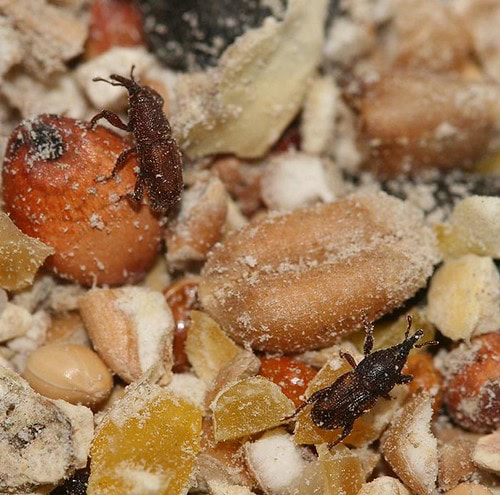
Look for bugs, larvae, or small holes in the seed bag. These signs show insects or rodents have infested the seed.
Infested seed may have droppings or webbing. Avoid feeding this seed because it can harm birds.
- Visible insects or larvae
- Small holes in seed bag
- Droppings or webbing inside seed
Effects Of Bad Seed On Birds
Bird seed can go bad over time or if stored improperly. Bad seed harms birds in many ways. It is important to know the effects of feeding birds spoiled seed.
Birds rely on healthy seed for nutrition. Spoiled seed can cause health problems and change their normal habits.
Health Risks And Illness
Bad seed may contain mold, fungus, or bacteria. These can cause sickness in birds. Common health issues include digestive problems and infections.
- Respiratory infections from mold spores
- Digestive upset causing diarrhea
- Weak immune system due to poor nutrition
- Poisoning from seeds contaminated with toxins
Changes In Bird Behavior
Birds eating bad seed may act differently. They can become less active or avoid feeding areas. Some birds show signs of distress or lethargy.
| Behavior Change | Description |
| Reduced movement | Birds stay still more than usual |
| Hiding | Avoiding open feeding spots |
| Weak flight | Struggling to fly or stay balanced |
| Unusual vocal sounds | Less chirping or odd calls |
Reduced Feeding Activity
Birds may eat less when seed is bad. This lowers their energy and health. Reduced feeding can lead to weight loss and weakness.
Signs of reduced feeding include:
- Birds leaving seed feeders quickly
- Picking through seed but not eating much
- Visiting feeders less often
- Looking thin or tired
Proper Storage Tips
Bird seed can go bad if not stored well. Proper storage keeps seed fresh and safe for birds.
Knowing how to store bird seed helps prevent mold, pests, and spoilage.
Ideal Containers And Locations
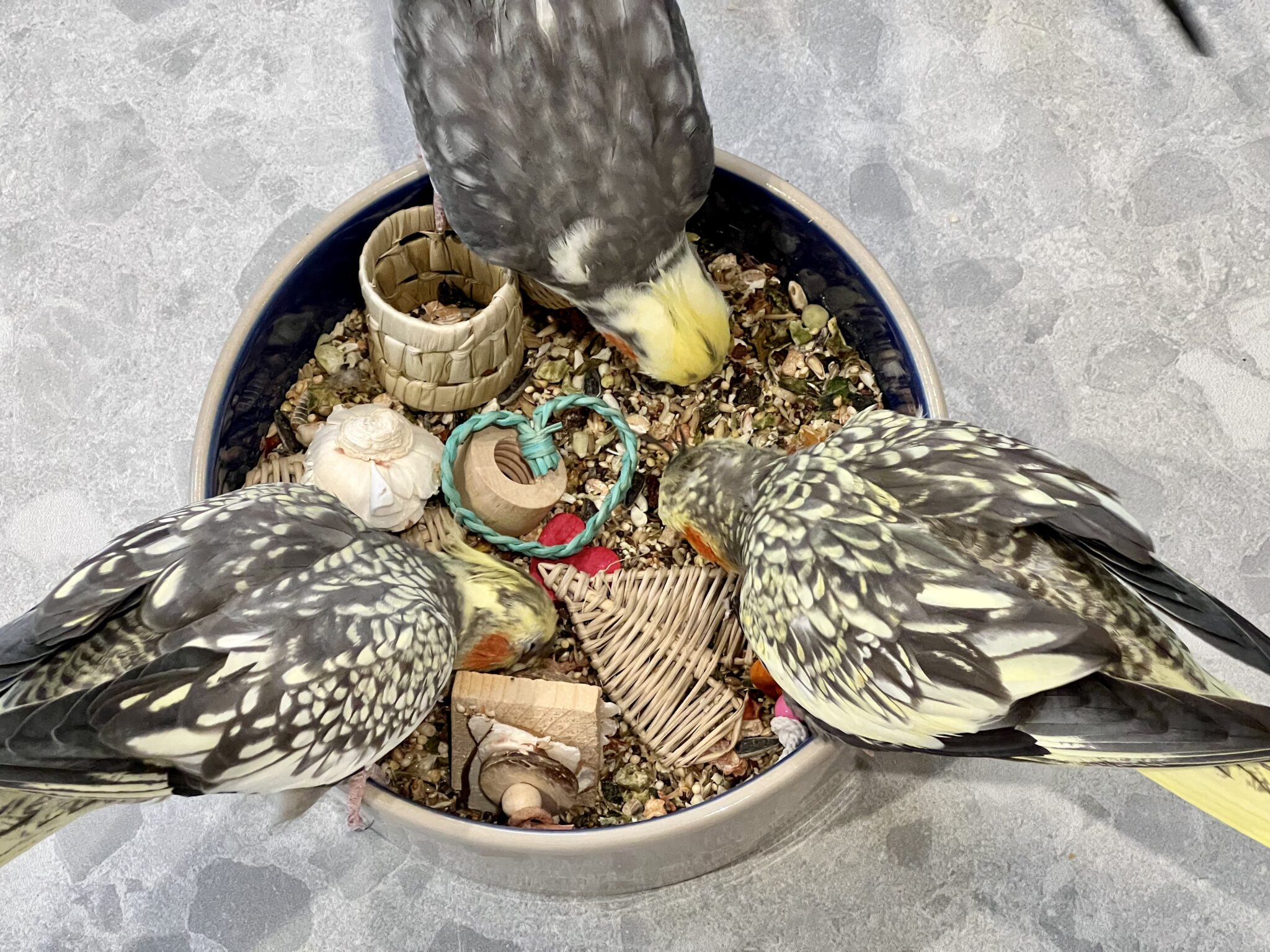
Use airtight containers to keep bird seed fresh. Plastic or metal bins work best.
Store containers in a dry, cool spot away from direct sunlight. Avoid damp areas.
- Choose containers with tight-fitting lids
- Keep containers off the ground to avoid moisture
- Store in a shaded place like a garage or shed
Temperature And Humidity Control
Bird seed lasts longer when kept at steady, cool temperatures. Avoid heat and humidity.
High humidity can cause mold growth. Use moisture absorbers if needed.
- Keep temperature below 75°F (24°C)
- Maintain humidity under 50%
- Check containers regularly for dampness
Shelf Life Expectations
Bird seed typically stays fresh for 6 to 12 months if stored properly.
Old seed can lose nutrition and attract pests. Replace seed after its shelf life.
- Use seed within 6 months for best quality
- Check for signs of spoilage before use
- Keep track of purchase dates on containers
Credit: freerangeparrots.org
Preventing Seed Spoilage
Bird seed can spoil if not stored or handled properly. Spoiled seed can harm birds and waste your money.
Preventing seed spoilage helps keep birds healthy and your feeders clean. Follow these tips to avoid bad seed.
Buying Quality Seed
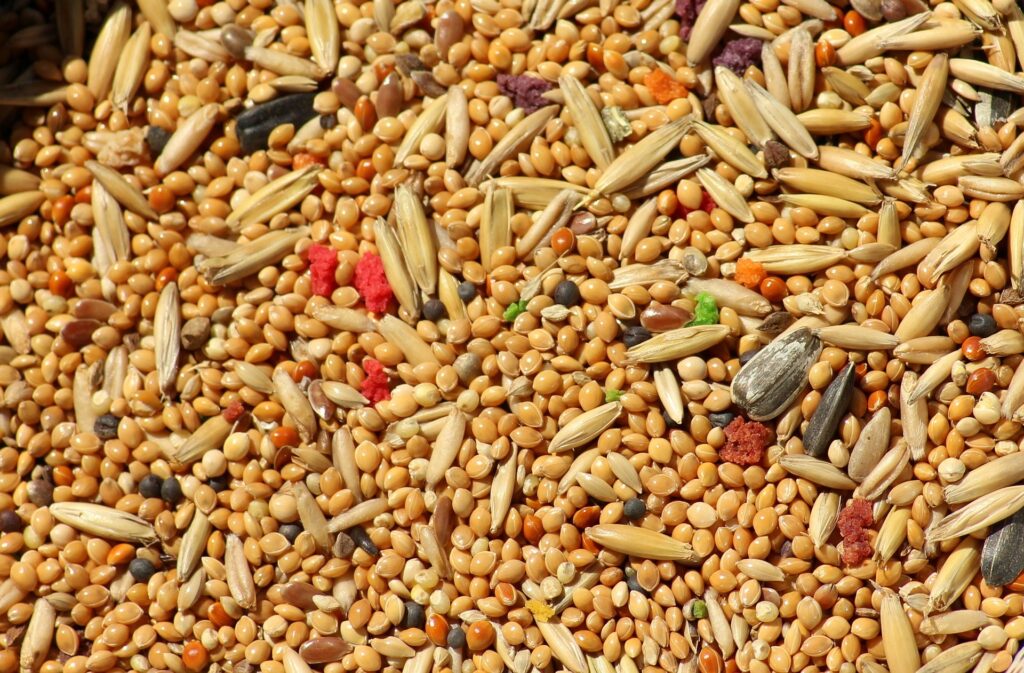
Good quality seed lasts longer and stays fresh. Look for seed that is clean and free from dust or debris.
Avoid seed with mold, clumps, or an unusual smell. These signs mean the seed is old or spoiled.
Buying In Small Quantities
Buying small amounts of seed helps keep it fresh. Large bags may sit unused and go bad.
Purchase seed based on how much your birds eat in a short time. This prevents waste and spoilage.
Regular Cleaning Of Feeders
Clean feeders often to stop mold and bacteria growth. Dirty feeders can cause seed to spoil faster.
Use warm water and mild soap. Rinse well and dry completely before refilling with seed.
- Clean feeders every two weeks or more often in wet weather
- Check for leftover seed and remove it before adding fresh seed
- Keep feeders in dry, shaded areas if possible
Safe Disposal Methods
Bird seed can spoil over time or get contaminated. Knowing when and how to dispose of it keeps birds safe and your environment clean.
Proper disposal prevents mold, pests, and waste. It also helps protect wildlife and the planet.
When To Dispose
Dispose of bird seed if you notice mold, a bad smell, or insect infestation. Seeds that are wet or clumped together are unsafe to feed.
- Seed has a musty or sour odor
- Visible mold growth on seeds
- Seed is damp or clumped
- Insects or larvae are present
- Seed is past its expiration date
Environmentally Friendly Disposal Options
Throwing bad seed in the trash harms the environment. Use these options to dispose of seed safely and help nature.
| Disposal Method | How to Do It | Benefits |
| Composting | Mix spoiled seed with green waste in a compost bin. | Reduces landfill waste and enriches soil. |
| Animal Feed | Give safe, dry seed to farm animals or pets that can eat it. | Prevents waste and feeds animals. |
| Garden Mulch | Spread seed over garden beds as mulch to enrich soil. | Improves soil health and moisture retention. |
| Local Waste Programs | Check if your community accepts organic waste for recycling. | Supports local environmental efforts. |

Credit: www.birdsandblooms.com
Credit: localgardener.net
Frequently Asked Questions
How Can I Tell If Bird Seed Is Spoiled?
Check for mold, a foul smell, or clumping. Spoiled seed often looks discolored or damp. If birds avoid it, it might be bad.
What Causes Bird Seed To Go Bad Quickly?
Moisture, heat, and poor storage cause seed spoilage. Exposure to air and humidity promotes mold and pests, ruining the seed’s quality.
Is It Safe To Feed Moldy Bird Seed?
No, moldy bird seed can harm birds. Mold produces toxins that can cause illness or death in birds. Always discard moldy seed immediately.
How Long Does Bird Seed Last Unopened?
Unopened bird seed typically lasts 6 to 12 months. Proper storage in a cool, dry place helps maintain freshness longer.
Conclusion
Checking bird seed quality helps keep birds healthy and happy. Seeds that smell bad or look moldy should be thrown away. Fresh seeds have a natural smell and no visible damage. Store seeds in a dry, cool place to keep them fresh longer.
Regularly inspect your bird seed to avoid feeding spoiled food. Healthy birds come from good care and fresh seed. Simple steps make a big difference in bird feeding. Keep your feathered friends safe with clean, fresh seed every time.