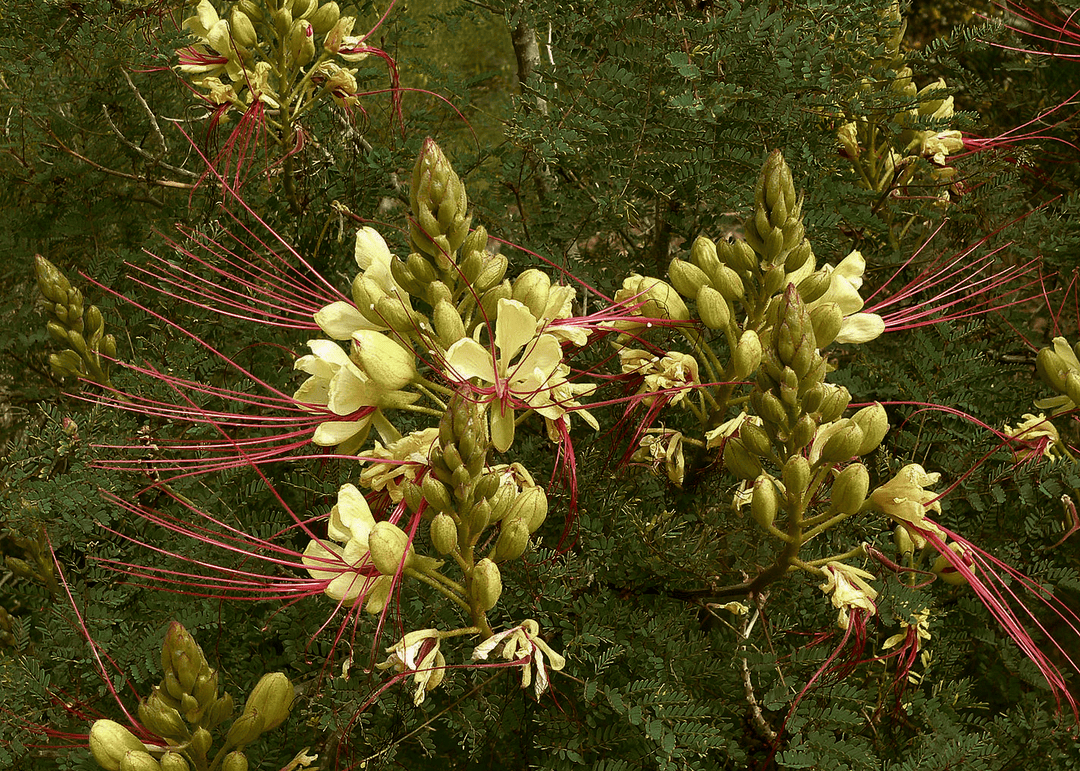
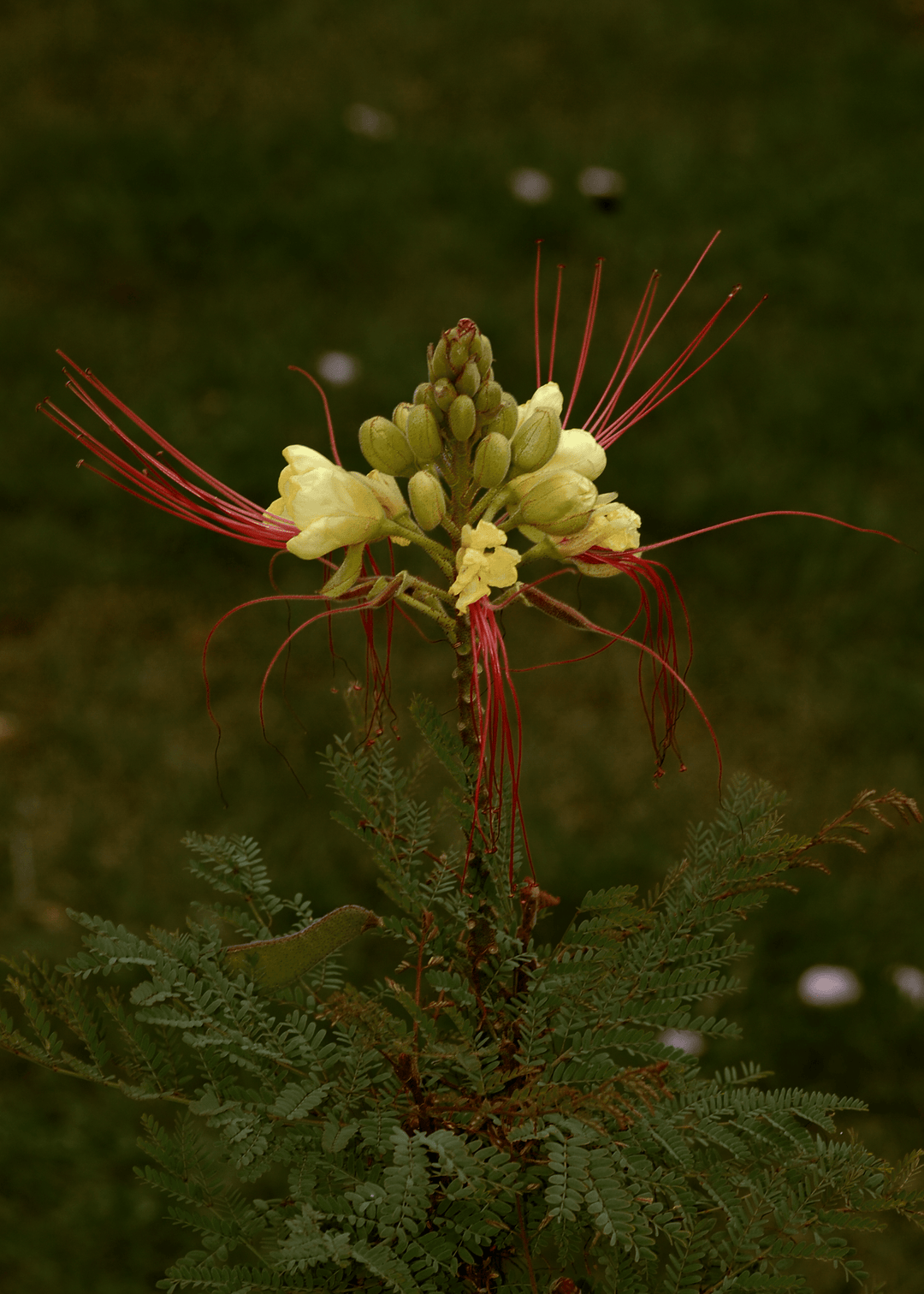
Are you ready to give your Desert Bird of Paradise a fresh start? Transplanting this stunning plant can seem tricky, but with the right steps, you’ll help it thrive in its new home.
Imagine watching its vibrant flowers bloom even brighter after the move. In this guide, you’ll discover simple, effective tips to make the process smooth and stress-free for both you and your plant. Keep reading—you’re just moments away from becoming a transplant pro!
Credit: nativegardeners.com
Choosing The Right Time
Transplanting a Desert Bird of Paradise needs care and timing. Picking the right time helps the plant grow well in its new spot.
Understanding the best season and weather conditions will make your transplanting easier and safer for the plant.
Best Season For Transplanting
The best time to transplant Desert Bird of Paradise is during its dormant period. This usually happens in late winter to early spring.
- Transplant before new growth starts
- Avoid transplanting in hot summer months
- Do not transplant during heavy rain seasons
- Choose a time when the plant is not flowering
Ideal Weather Conditions
Good weather helps the plant settle quickly after transplanting. Avoid harsh weather that can stress the plant.
| Weather Condition | Why It Matters | Recommended |
| Mild temperatures (60-75°F) | Prevents heat stress and shock | Yes |
| Light wind | Reduces water loss without damage | Yes |
| High heat (above 85°F) | Can dry out roots quickly | No |
| Heavy rain | May cause root rot or soil compaction | No |
| Frost or freezing temperatures | Damages plant cells and roots | No |
Credit: www.gardeningknowhow.com
Preparing The Plant
Transplanting a Desert Bird of Paradise needs careful preparation. This helps the plant adjust well to its new spot.
Two important steps are pruning and trimming, and watering before the move. Both help reduce stress on the plant.
Pruning And Trimming
Trim dead or damaged leaves to keep the plant healthy. Remove old flowers and thin crowded branches. This lets the plant focus energy on new growth.
- Cut back dry or yellow leaves
- Remove spent flower stalks
- Thin dense areas for better air flow
- Use clean, sharp tools to avoid damage
Watering Before Transplant
Water the plant well a day before transplanting. Moist soil helps roots stay intact during the move. Avoid watering on the transplant day to prevent root rot.
| Watering Tips | Reason |
| Water deeply 24 hours before | Keeps roots moist and healthy |
| Stop watering on transplant day | Prevents soil from being too wet |
| Use room temperature water | Avoids shocking the roots |
Selecting The New Location
Choosing the right spot for transplanting a Desert Bird of Paradise helps it grow strong. The new location must meet specific needs to ensure the plant thrives.
This section covers soil requirements, sunlight, and space needs for a successful transplant.
Soil Requirements
Desert Bird of Paradise prefers well-drained soil. Heavy or clay soils can cause root rot. Sandy or loamy soils work best for healthy growth.
| Soil Type | Drainage | Notes |
| Sandy | Excellent | Drains water quickly, ideal |
| Loamy | Good | Retains some moisture, still drains well |
| Clay | Poor | Holds water, risks root rot |
| Rocky | Varies | May need soil amendment |
Sunlight And Space Needs
This plant needs full sunlight to bloom and grow. It also needs space to spread its branches without crowding.
- Place in a spot with at least 6 hours of direct sun daily
- Allow 6 to 8 feet of space around the plant
- Avoid shaded or cramped areas
- Ensure good air circulation to prevent disease
Digging And Removing The Plant
Transplanting a Desert Bird of Paradise requires careful digging and removal. This protects the plant and helps it grow well in its new place.
Knowing the right root ball size and ways to avoid root damage makes the process easier. Follow the tips below to keep your plant healthy.
Proper Root Ball Size
Dig around the plant to get a root ball that is large enough to hold most roots. The root ball should be about 12 to 18 inches wide for small plants. For larger plants, make it wider.
- Measure the plant’s height and width before digging.
- Dig a circle around the plant, wider than the leaves.
- Keep the soil around the roots intact to reduce stress.
- Use a sharp shovel to cut through roots cleanly.
Techniques To Minimize Root Damage
Careful handling of roots helps the Desert Bird of Paradise grow strong after transplanting. Avoid breaking or tearing roots during removal.
| Technique | Reason |
| Use a sharp spade | Cuts roots cleanly |
| Dig wide around root ball | Protects root system |
| Lift plant gently | Prevents root breakage |
| Keep soil moist | Reduces root stress |
Transplanting Steps
Transplanting a Desert Bird of Paradise requires careful preparation. This helps the plant grow well in its new place.
Follow the right steps to protect the roots and give the plant space to thrive.
Preparing The New Hole
Dig a hole that is wider and deeper than the plant's root ball. This gives roots room to spread out.
- Clear the area of weeds and debris
- Loosen the soil around the hole
- Mix some compost or organic matter into the soil
- Ensure good drainage to prevent water logging
- Make the hole about twice the size of the root ball
Positioning The Plant Correctly
Place the plant gently into the hole. The top of the root ball should be level with the ground surface.
| Positioning Tip | Reason |
| Keep root ball level with soil surface | Prevents root rot and stress |
| Face plant in the direction of sunlight | Helps leaves grow evenly |
| Do not bury stem deeper than before | Stops stem rot |
| Fill hole gently with soil | Avoids air pockets around roots |
| Water deeply after planting | Settles soil and hydrates roots |
Aftercare Tips
After transplanting your desert bird of paradise, proper care helps it grow strong. Pay close attention to its water, soil, and health.
These simple steps keep your plant healthy and encourage quick recovery in its new spot.
Watering Schedule
Water the plant deeply right after transplanting to settle the roots. Keep the soil moist but not soggy during the first two weeks.
- Water every 3 days for the first 2 weeks.
- After 2 weeks, water once a week if there is no rain.
- Adjust watering if the leaves show signs of drooping or dryness.
Mulching And Fertilizing
Use mulch around the base to keep moisture and control weeds. Fertilize lightly to support new growth but avoid overfeeding.
| Type | Purpose | Application Time |
| Organic Mulch | Retains soil moisture | Apply after transplanting |
| Slow-Release Fertilizer | Feeds plant gently | 4 weeks after transplant |
| Water-Soluble Fertilizer | Quick nutrient boost | Use sparingly every 6 weeks |
Monitoring For Stress Signs
Check your plant daily for signs of stress. Early detection helps prevent long-term damage.
- Look for drooping or wilting leaves.
- Watch for yellowing or brown leaf edges.
- Notice if new growth slows or stops.
- Inspect roots if possible for rot or dryness.
- Adjust care based on symptoms observed.
Troubleshooting Common Issues
Transplanting a Desert Bird of Paradise can sometimes cause problems. Knowing how to fix these issues helps your plant grow strong.
Here are some common problems and easy ways to solve them after transplanting.
Dealing With Wilting
Wilting happens when the plant loses too much water or gets stressed from moving. The leaves may droop or look dry.
To help your Desert Bird of Paradise recover, water it deeply right after transplanting. Keep the soil moist but not soaked.
- Water the plant early in the morning or late afternoon
- Place the plant in a shaded area for a few days
- Check the soil daily and water when the top inch feels dry
- Remove any dead or damaged leaves to reduce stress
Pest And Disease Prevention
Newly transplanted plants are more open to pests and diseases. Watch your Desert Bird of Paradise closely for any signs.
Keep the plant healthy by using clean tools and good soil. Avoid overwatering to prevent root rot and fungal problems.
- Inspect leaves and stems for insects like aphids or spider mites
- Remove any pests by hand or spray with water
- Use natural insecticides if needed
- Keep the area around the plant clean and free of fallen leaves
- Ensure good air flow to reduce fungal diseases
Credit: nativegardeners.com
Frequently Asked Questions
How Do I Prepare Desert Bird Of Paradise For Transplanting?
Start by watering the plant deeply a day before. Choose a cool, cloudy day for less stress. Gently dig around the root ball, keeping roots intact.
When Is The Best Time To Transplant Desert Bird Of Paradise?
Transplant during early spring or fall. Avoid extreme heat or cold to reduce transplant shock. These seasons provide ideal conditions for root recovery.
How Deep Should I Plant Desert Bird Of Paradise?
Plant at the same depth as it grew before. Avoid burying the stem too deep. This ensures proper root growth and prevents stem rot.
What Soil Type Is Ideal For Desert Bird Of Paradise?
Use well-draining, sandy or loamy soil. Avoid heavy clay soils that retain water. Good drainage prevents root rot and supports healthy growth.
Conclusion
Transplanting a Desert Bird of Paradise is simple with the right steps. Ensure the plant's new spot has good sunlight and drainage. Water it well after transplanting to help it settle. Remember, patience is key. The plant may take time to adjust.
Keep an eye on its growth for any issues. Regular checks ensure its healthy development. With these tips, your plant will thrive in its new home. Enjoy the beauty it brings to your garden. Happy gardening!