If you care about the health of your birds, you need to know how to treat avian cholera fast and effectively. This disease can spread quickly and cause serious harm to your flock.
But don’t worry—understanding the right steps can save your birds and protect your entire group. You’ll discover clear, practical advice to spot the signs early and take action before it’s too late. Keep reading, because your birds’ wellbeing depends on what you do next.
Credit: en.engormix.com
Causes Of Avian Cholera
Avian cholera is a serious disease that affects birds. It can cause sudden death in many bird species.
Understanding what causes avian cholera helps in controlling and treating the disease effectively.
Bacteria Behind The Disease
The main cause of avian cholera is a type of bacteria called Pasteurella multocida. This bacteria is harmful to birds.
Pasteurella multocida can live in the environment and inside infected birds. It spreads quickly among birds in close contact.
Transmission Methods
Avian cholera spreads through several ways. Birds catch the bacteria by touching or eating contaminated materials.
- Direct contact with infected birds
- Eating food or drinking water with the bacteria
- Contact with bird droppings that contain the bacteria
- Through wounds or scratches on the bird’s body
Insects and wild animals can also carry the bacteria and spread it to birds.
Symptoms In Birds
Avian cholera is a serious disease that affects many bird species. It spreads quickly and can cause sudden death.
Recognizing symptoms early helps save infected birds. Watch for changes in behavior and physical signs.
Early Signs
Birds with avian cholera show signs that may seem mild at first. These signs help spot the disease early.
Early symptoms include weakness and loss of appetite. Infected birds may also appear tired or less active.
- Unusual quietness or inactivity
- Reduced eating or drinking
- Fluffed-up feathers
- Drooping wings
- Mild diarrhea
Advanced Symptoms
As avian cholera progresses, symptoms become more severe. Birds may show clear signs of illness and distress.
Advanced symptoms often include swelling and breathing problems. Birds may lose balance or have trouble flying.
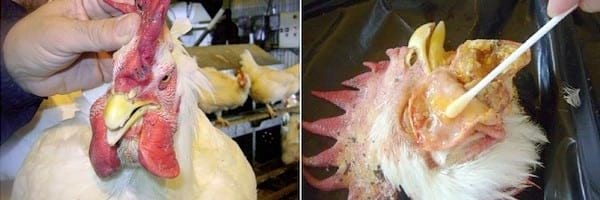
- Swelling around the head and neck
- Labored or noisy breathing
- Discharge from eyes or beak
- Greenish diarrhea
- Loss of coordination or falling over
- Sudden death in some cases
Diagnosis Techniques
Diagnosing avian cholera is important to treat birds early. Proper diagnosis helps stop the disease from spreading.
There are two main ways to diagnose avian cholera: physical examination and laboratory tests. Both give useful information.
Physical Examination
Physical exams check the bird’s general health and look for signs of avian cholera. Signs include swollen eyes and breathing problems.
Look for symptoms like weakness, diarrhea, and sudden death. These signs suggest the bird might have avian cholera.
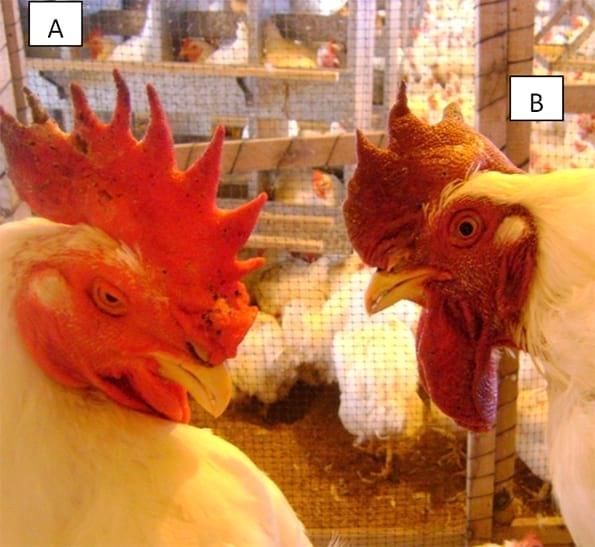
- Swollen wattles and eyes
- Difficulty breathing or coughing
- Weakness and lethargy
- Diarrhea or loose droppings
- Sudden death in a flock
Laboratory Tests
Lab tests confirm the presence of the bacteria causing avian cholera. These tests are more accurate than physical exams alone.
Samples from blood, tissue, or swabs are sent to a lab. Tests include bacterial culture and PCR to identify the bacteria.
- Bacterial culture grows bacteria from samples to confirm infection
- PCR (polymerase chain reaction) detects bacterial DNA quickly
- Blood tests check for antibodies against the disease
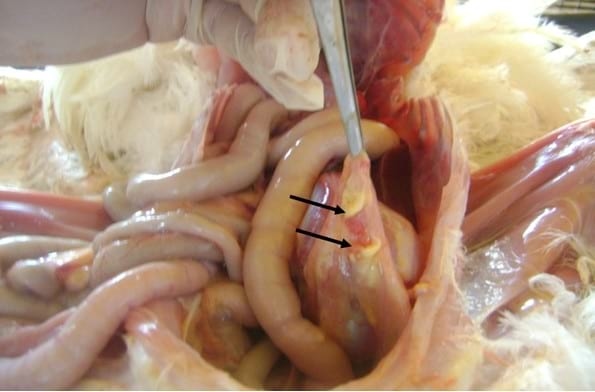
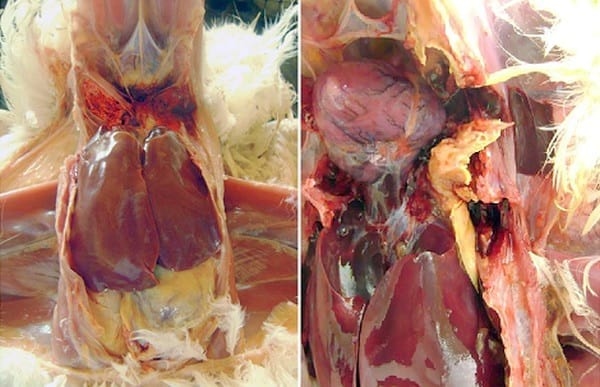
- Necropsy helps find signs of infection in dead birds
Immediate Treatment Steps
Avian cholera spreads quickly among birds. Acting fast can save many lives. Immediate treatment helps control the disease and reduce losses.
Focus on stopping the spread and giving infected birds proper care. Follow clear steps to treat avian cholera effectively.
Isolating Infected Birds
Keep sick birds away from healthy ones. This stops the bacteria from spreading. Use a separate cage or room for infected birds.
- Wear gloves when handling sick birds
- Clean and disinfect the isolation area daily
- Limit access to infected birds only to caretakers
- Remove dead birds quickly and safely
- Keep the isolation space well-ventilated
Administering Antibiotics
Antibiotics help fight the infection. Use the right type and dose for best results. Always follow veterinary advice for treatment.
| Antibiotic | Dosage | Frequency | Duration |
| Oxytetracycline | 10 mg per kg body weight | Twice daily | 5 days |
| Sulfa drugs | 20 mg per kg body weight | Once daily | 7 days |
| Enrofloxacin | 10 mg per kg body weight | Once daily | 5 days |
Supportive Care For Recovery
Avian cholera is a serious infection in birds. Supportive care helps sick birds recover. This care focuses on hydration, nutrition, and a clean environment.
Providing the right care can improve the bird’s chances. It also reduces the spread of the disease to other birds.
Hydration And Nutrition
Keeping birds hydrated is critical during illness. Birds lose fluids quickly, so offer clean, fresh water often. Nutritious food helps birds regain strength and fight infection.
- Provide electrolyte solutions if possible
- Offer soft, easy-to-eat foods like soaked seeds or fruits
- Feed small amounts frequently to encourage eating
- Keep food and water containers clean to avoid contamination
Environmental Management
A clean and safe environment reduces stress and infection risks. Remove dead birds quickly to prevent disease spread. Keep living spaces dry and well-ventilated.
| Task | Reason |
| Clean water containers daily | Prevents bacteria growth |
| Disinfect feeding areas | Kills germs and parasites |
| Isolate sick birds | Reduces disease spread |
| Remove dead birds immediately | Stops infection cycle |
Credit: en.engormix.com
Preventive Measures
Avian cholera is a serious disease that affects birds. Preventing it helps keep flocks healthy and safe.
Good care and proper steps reduce the chance of infection. Focus on vaccination and cleanliness.
Vaccination Options
Vaccines help birds build defense against avian cholera bacteria. Use vaccines approved by vets.
Regular vaccination keeps bird flocks protected. Follow the schedule set by your veterinarian.
- Use killed or live vaccines as advised
- Vaccinate young birds early
- Keep records of all vaccinations
- Consult a vet for best vaccine choice
Sanitation Practices
Clean living areas reduce bacteria that cause avian cholera. Regular cleaning stops spread.
Remove waste and old food daily. Use disinfectants safe for birds to clean cages and feeders.
- Clean water and food containers every day
- Disinfect bird housing weekly
- Keep areas dry and well ventilated
- Limit contact with wild birds
Managing Outbreaks
Avian cholera can spread quickly among bird populations. Managing outbreaks helps stop the disease from growing.
Careful actions protect healthy birds and reduce deaths. Early response is important to control the spread.
Quarantine Procedures
Isolate infected birds to prevent contact with healthy ones. Limit movement in and out of the area.
- Set up a quarantine zone around affected birds.
- Use protective clothing and equipment when handling birds.
- Clean and disinfect tools and surfaces regularly.
- Monitor quarantined birds for signs of illness daily.
- Restrict access to essential personnel only.
Disposal Of Carcasses
Proper disposal of dead birds stops the bacteria from spreading. Avoid leaving carcasses exposed.
| Method | Description | Key Points |
|---|---|---|
| Incineration | Burn carcasses at high temperatures. | Complete burning reduces bacteria. |
| Burial | Bury deep in soil away from water. | Cover with lime to speed decomposition. |
| Rendering | Process carcasses into safe by-products. | Follow local regulations carefully. |
Long-term Bird Health
Avian cholera is a serious disease that affects birds. Treating it well helps keep birds healthy for a long time.
Good care and attention after treatment can stop the disease from coming back. This helps birds stay strong and live longer.
Regular Health Monitoring
Watch birds closely after treatment. Check for signs like weakness, loss of appetite, or unusual behavior.
Keep a record of their health. Early detection of problems helps prevent serious illness.
- Look for changes in bird activity and eating habits
- Note any droppings that seem abnormal
- Check for signs of breathing difficulty or discharge
- Schedule regular vet visits to monitor health
Boosting Immunity
Strong immunity helps birds fight infections like avian cholera. Good nutrition supports this.
Providing clean water and a balanced diet with vitamins and minerals helps build strong defenses.
- Feed a variety of seeds, fruits, and vegetables
- Include supplements like vitamin A and E if advised by a vet
- Keep bird living areas clean to reduce germs
- Avoid overcrowding to lower stress and disease risk
Credit: en.engormix.com
Frequently Asked Questions
What Are The Common Symptoms Of Avian Cholera?
Symptoms include sudden death, lethargy, swollen eyes, and diarrhea. Infected birds often show weakness and respiratory distress before dying rapidly.
How Can Avian Cholera Be Diagnosed Quickly?
Diagnosis involves bacterial culture from dead birds or tissues. PCR testing and laboratory analysis confirm Pasteurella multocida infection accurately.
What Treatments Are Effective Against Avian Cholera?
Antibiotics like tetracycline and sulfonamides help treat avian cholera. Early intervention increases survival rates, but prevention remains crucial.
How Can Avian Cholera Be Prevented In Flocks?
Maintain strict biosecurity, avoid overcrowding, and disinfect water sources regularly. Vaccination programs also reduce outbreak risks significantly.
Conclusion
Treating avian cholera demands attention to detail and consistent care. Early detection helps prevent spread. Quarantine infected birds promptly. Cleanliness is crucial in controlling the disease. Use recommended antibiotics as advised by a vet. Regular check-ups ensure bird health. Educate yourself about avian diseases.
Keep habitats clean and safe. Healthy environments deter illness. Birds thrive with proper care and attention. Understanding avian cholera can save lives. Always prioritize the health of your flock. Stay vigilant and informed. Your birds depend on you for their well-being.