If your bird is showing signs of illness, you might be worried about a bacterial infection. Knowing how to treat bacterial infections in birds is important to keep your feathered friend healthy and happy.
You’ll learn simple, effective steps to recognize symptoms, provide the right care, and get your bird back to its lively self. Keep reading to find out exactly what you can do to protect your bird from these common infections.

Credit: www.reddit.com
Recognizing Symptoms
Birds can get sick from bacterial infections. It is important to spot signs early. This helps to treat them quickly.
Birds show different symptoms when they are sick. You need to watch their behavior and look for physical changes.
Common Signs In Birds
Birds with bacterial infections often look weak and tired. They may stop eating and drinking as usual. Their feathers can look messy or dull.
- Loss of appetite
- Fluffed up feathers
- Weakness or tiredness
- Less movement or energy
- Changes in droppings
Behavioral Changes
Sick birds often act differently. They may hide more or avoid other birds. Some birds become quiet or stop singing. Others may breathe fast or cough.
- Hiding or staying alone
- Less vocal or silent
- Rapid breathing or coughing
- Less active than usual
- Unusual aggression or irritability
Physical Indicators
Check your bird’s body for signs of infection. Eyes may look red or swollen. Nose might have discharge. Feet and legs can show sores or swelling.
- Red or swollen eyes
- Runny or blocked nostrils
- Swollen or sore feet and legs
- Discharge around the beak
- Weight loss or thin body
Causes Of Bacterial Infections
Bacterial infections in birds happen when harmful bacteria invade their bodies. These infections can cause illness and sometimes death if not treated.
Understanding what causes bacterial infections helps in prevention and treatment. Birds can get sick due to different bacteria, risks, and ways the bacteria spread.
Common Bacteria Affecting Birds
Several bacteria can infect birds. Some of the most common include:
- Salmonella: Causes diarrhea and weakness.
- Escherichia coli (E. coli): Leads to respiratory and digestive problems.
- Pasteurella multocida: Causes fowl cholera, a serious disease.
- Mycoplasma: Affects the respiratory system.
- Clostridium: Can cause botulism and other infections.
Risk Factors
Birds face higher chances of bacterial infections due to certain risks. Knowing these helps in keeping birds safe.
| Risk Factor | Description |
| Crowded Living Spaces | Close contact spreads bacteria quickly. |
| Poor Hygiene | Dirty cages or feeders increase infection risk. |
| Stress | Weakens bird’s immune system. |
| Injuries | Open wounds allow bacteria to enter. |
| Poor Nutrition | Weakens defense against bacteria. |
Transmission Methods
Bacteria spread among birds in many ways. These include direct and indirect contact.
- Contact with infected birds through touching or pecking.
- Contaminated food and water sources.
- Dirty cages, perches, and feeding equipment.
- Exposure to wild birds carrying bacteria.
- Through wounds or scratches on the bird’s body.
Diagnosis Methods
Identifying bacterial infection in birds requires careful diagnosis. This helps to select the right treatment and care.
Several methods help veterinarians find out if a bird has a bacterial infection. These include physical checks, lab tests, and sample gathering.
Veterinary Examination
A veterinary exam is the first step to detect infection. The vet looks for signs like swelling, redness, or discharge.
The vet also checks the bird’s behavior and breathing. A full body check helps find areas of infection.
Lab Tests
Lab tests confirm if bacteria are causing the illness. These tests analyze blood, feces, or tissue samples.
| Test Type | Purpose |
| Blood Test | Check for infection markers and immune response |
| Cultures | Grow bacteria from samples to identify type |
| Microscopy | Look at samples under a microscope to find bacteria |
| PCR Test | Detect bacterial DNA in samples |
Sample Collection
Collecting the right samples is key for accurate diagnosis. The vet must handle samples carefully to avoid contamination.
- Swabs from the bird’s mouth, nose, or wounds
- Blood samples taken with sterile needles
- Fecal samples collected in clean containers
- Feather or tissue samples if needed
Credit: www.thevetshed.com.au
Treatment Options
Bacterial infections in birds need quick treatment to stop harm. You can use different ways to help your bird get well.
Some treatments come from the vet, and others you can do at home. Each way helps in its own way.
Antibiotic Therapy
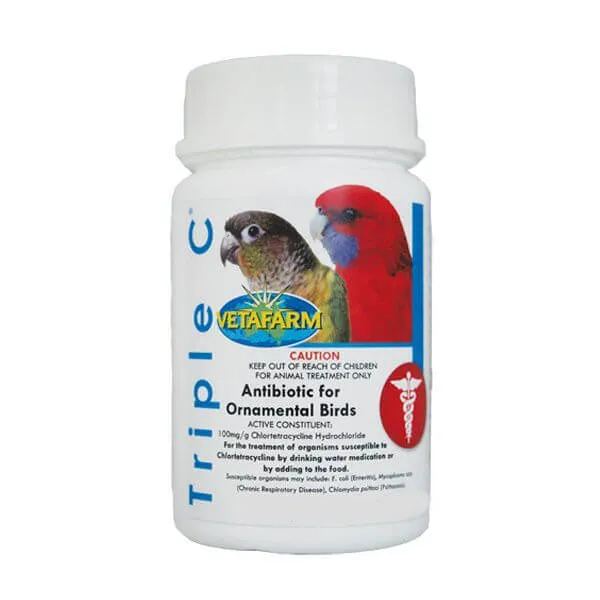
Antibiotics kill bacteria that cause infections. Your vet will pick the right medicine for your bird.
It is important to follow the vet’s instructions and give all the medicine. Stopping early can make the infection worse.
- Common antibiotics include amoxicillin and doxycycline
- Medicine may be given by mouth or injection
- Always complete the full course prescribed
Supportive Care
Supportive care helps birds feel better while fighting infection. This care keeps them strong and comfortable.
Give your bird a warm, quiet place. Make sure they drink water and eat healthy food. Clean their cage often.
- Provide fresh water daily
- Feed nutritious, easy-to-digest food
- Keep the cage clean and dry
- Reduce stress with gentle handling
Home Remedies
Some home remedies can support your bird’s health. They are not a replacement for vet care but can help along with medicine.
Natural options like herbs and probiotics may improve your bird’s immunity and digestion. Always check with your vet first.
- Use probiotics to help gut health
- Add small amounts of garlic for its natural properties
- Offer vitamin supplements if advised by vet
- Avoid giving human medicines without advice
Preventive Measures
Preventing bacterial infections in birds is important for their health. Simple actions can reduce the risk of illness.
Focus on hygiene, vaccination, and controlling the environment to keep birds safe from bacteria.
Hygiene Practices
Cleanliness helps stop bacteria from spreading. Regular cleaning of cages and feeding areas is key.
- Wash cages with hot water and safe disinfectants
- Change bedding and perches often
- Clean food and water containers daily
- Wash hands before and after handling birds
Vaccination
Vaccines protect birds from common bacterial diseases. Consult a vet for the right vaccines.
Keep a vaccination schedule and record to ensure birds get all needed shots on time.
Environmental Control
Controlling the bird’s environment lowers infection chances. Temperature and humidity affect bacteria growth.
| Control Area | Recommended Action |
|---|---|
| Ventilation | Keep air fresh and dry to reduce moisture |
| Temperature | Maintain stable temperatures suited for the bird species |
| Waste Removal | Remove droppings and waste daily to prevent bacteria buildup |
| Quarantine | Isolate new or sick birds to avoid spreading infection |

Credit: crownpetsupplies.com
Diet And Nutrition
Proper diet and nutrition help birds fight bacterial infections. Good food supports their immune system and speeds recovery.
Choosing the right foods and supplements boosts bird health. Water and hydration also play a key role.
Immune-boosting Foods
Some foods help strengthen a bird’s immune system naturally. Fresh fruits and vegetables offer vitamins and antioxidants.
- Carrots and sweet potatoes provide vitamin A
- Leafy greens like spinach give vitamin C
- Blueberries and apples contain antioxidants
- Seeds and nuts add healthy fats and protein
Include a variety of these foods to keep birds strong. Avoid processed or sugary foods that can weaken immunity.
Supplements
Supplements can fill nutrition gaps during illness. Vitamins like A, E, and D improve healing and immune response.
- Vitamin A supports skin and mucous membranes
- Vitamin E acts as an antioxidant
- Probiotics aid digestion and fight bad bacteria
- Omega-3 fatty acids reduce inflammation
Always consult a vet before giving supplements. Too much can harm your bird.
Hydration Importance
Water is vital for all birds, especially when sick. It helps flush out toxins and keeps cells healthy.
Offer fresh, clean water daily. Some birds may need extra fluids if they show signs of dehydration.
- Change water often to keep it fresh
- Use a shallow dish or water bottle
- Provide electrolyte solutions if advised by a vet
- Watch for signs like dry mouth or lethargy
When To Seek Veterinary Help
Bacterial infections can make birds very sick fast. Knowing when to get a vet helps protect your pet.
Some signs need quick action. Other times, care after treatment is important. Watch your bird closely.
Emergency Signs
Call a vet right away if your bird shows these signs:
- Labored or rapid breathing
- Swelling around the eyes or face
- Sudden weakness or inability to perch
- Loss of appetite for more than a day
- Discharge from eyes, nose, or mouth
- Severe diarrhea or vomiting
- Unusual bleeding or open wounds
Follow-up Care
After treatment, follow your vet’s instructions carefully. Keep your bird’s environment clean and dry.
- Give all prescribed medications on time
- Monitor your bird’s eating and drinking habits
- Keep your bird warm and stress-free
- Watch for any return of symptoms
- Schedule follow-up visits as advised
Long-term Monitoring
Some infections need long care. Keep a record of your bird’s health to spot problems early.
| Monitoring Task | Frequency | Notes |
| Check weight | Weekly | Weight loss can signal problems |
| Inspect feathers and skin | Weekly | Look for new sores or swelling |
| Observe behavior | Daily | Lethargy or hiding may mean illness |
| Review medication effects | As directed | Report side effects to vet |
Frequently Asked Questions
What Are Common Signs Of Bacterial Infection In Birds?
Common signs include lethargy, loss of appetite, ruffled feathers, nasal discharge, and breathing difficulty. Early detection helps in effective treatment and quicker recovery.
How Do Vets Diagnose Bacterial Infections In Birds?
Vets diagnose through physical exams, blood tests, and bacterial cultures. Accurate diagnosis ensures targeted antibiotic treatment and prevents complications.
What Antibiotics Are Safe For Treating Bird Infections?
Common safe antibiotics include doxycycline, enrofloxacin, and amoxicillin. Always use antibiotics under veterinary guidance to avoid resistance and side effects.
Can Bacterial Infections In Birds Be Prevented?
Yes, maintain cleanliness, provide balanced nutrition, and avoid overcrowding. Good hygiene and stress reduction reduce infection risks significantly.
Conclusion
Caring for birds with bacterial infections requires patience and knowledge. Quick action helps them heal faster. Always consult a vet for accurate diagnosis and treatment. Clean their cages regularly to prevent bacteria. Provide a balanced diet to strengthen their immune system.
Observe them closely for any unusual signs. Early detection is key to successful recovery. Keep their environment stress-free for better health. Remember, birds need care and attention just like any pet. Healthy birds are happy companions. Keep learning and stay informed for their well-being.