
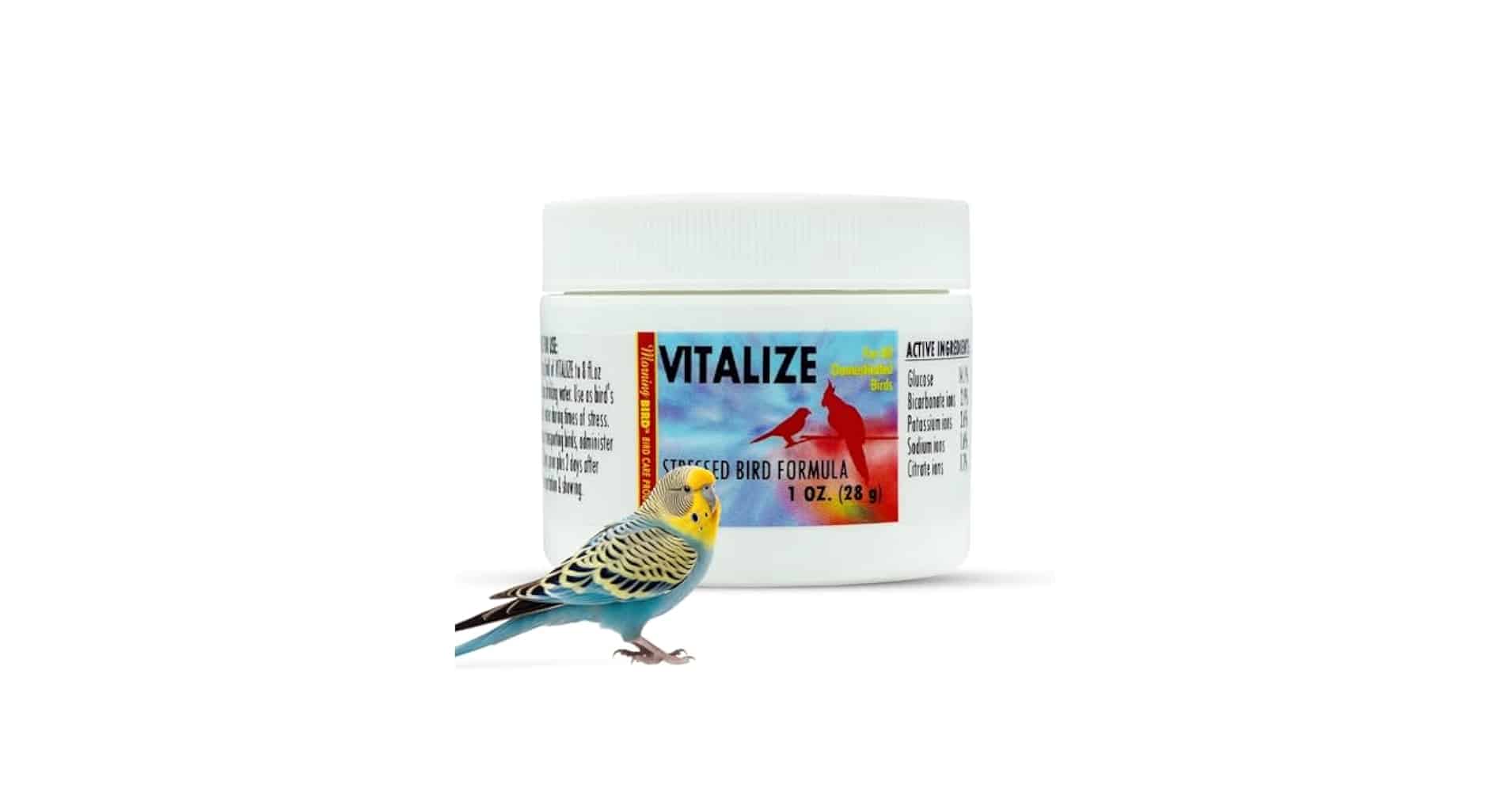
If you care about your feathered friend, knowing how to treat bird dehydration is crucial. Birds can get dehydrated quickly, and it can be dangerous if you don’t act fast.
Imagine your bird feeling weak, restless, or even worse—this is something you want to avoid. You’ll discover simple, effective ways to recognize dehydration and steps you can take immediately to help your bird recover. Keep reading, because your bird’s health could depend on what you do next.
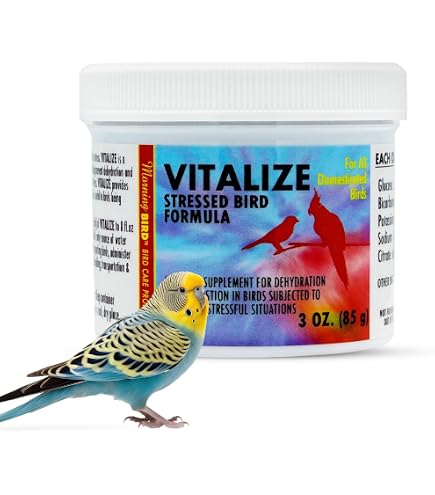
Credit: www.amazon.com
Signs Of Bird Dehydration
Bird dehydration can cause serious health problems. Birds lose water fast because of their small size. Knowing the signs helps to act quickly.
Dehydration happens when birds lose more water than they take in. Watch closely for changes in their body and behavior.
Physical Symptoms To Watch
Birds show many physical signs if they are dehydrated. These signs affect their skin, eyes, and feathers.
- Dry, wrinkled skin or sunken eyes
- Fluffed-up feathers that look dull
- Reduced urination or very dark droppings
- Weakness or trembling
- Cold feet and legs
Behavioral Changes
Birds with less water often act differently. Watch for changes in their usual habits and energy.
- Less active or sleepy during the day
- Loss of appetite or refusal to eat
- Less vocal or quiet than normal
- Hiding or avoiding interaction
- Unsteady balance or difficulty flying
Common Causes
| Cause | Description |
|---|---|
| Hot Weather | High temperatures increase water loss through breathing and skin. |
| Illness | Fever or infections cause faster dehydration. |
| Poor Water Supply | No clean or fresh water reduces intake. |
| Digestive Problems | Diarrhea or vomiting cause quick fluid loss. |
| Stress | New environments or predators reduce drinking. |
Immediate Steps To Rehydrate
Bird dehydration can quickly become serious. Acting fast helps your bird recover.
Use safe methods to provide fluids and avoid causing stress or harm.
Providing Fresh Water
Always offer clean, fresh water. Change it often to keep it safe.
- Use a shallow dish so your bird can drink easily.
- Keep the water at room temperature, not too cold or hot.
- Place water where your bird can find it without stress.
- Check the water daily for cleanliness.
Using Electrolyte Solutions
Electrolyte solutions help replace lost salts and minerals. Use solutions made for birds.
| Electrolyte Solution | Purpose | How to Use |
| Commercial bird electrolyte mix | Restores minerals and fluids | Mix with water as per instructions |
| Homemade solution (water, salt, sugar) | Quick mineral replacement | Use 1 cup water, 1 tsp sugar, 1/4 tsp salt |
Safe Hydration Techniques
Help your bird drink safely. Avoid forcing water down its throat.
- Place water or electrolyte solution near the bird.
- Use a dropper to offer small drops at the beak edge.
- Let the bird swallow on its own without pressure.
- Offer fluids often, but in small amounts to avoid choking.
- Watch for signs of improvement or distress.
Preventing Dehydration In Birds
Birds need water to stay healthy and active. Dehydration can cause serious health problems for birds.
It is important to prevent dehydration by providing the right care and environment for your bird.
Maintaining Proper Environment
Keep your bird’s living area clean and comfortable. Proper temperature and humidity help birds stay hydrated.
Avoid placing cages in direct sunlight or near heaters. Both can dry out the air and cause dehydration.
- Keep room temperature between 65°F and 80°F (18°C–27°C)
- Use a humidifier if the air is too dry
- Provide fresh water daily in clean containers
Balanced Diet Tips
Offer a variety of fresh fruits, vegetables, and seeds. A balanced diet gives birds the nutrients to stay hydrated.
Foods with high water content help maintain hydration naturally. Avoid salty or dry foods that may cause thirst.
- Include watery fruits like apples, grapes, and melons
- Provide leafy greens such as spinach and kale
- Limit dry seeds and nuts to moderate amounts
Regular Health Checks
Watch for signs of dehydration like sunken eyes or dry skin. Regular checks help catch problems early.
Visit a vet for routine exams. Healthy birds are less likely to get dehydrated.
- Check water bowls daily for cleanliness and availability
- Observe bird behavior for signs of weakness or lethargy
- Schedule yearly vet visits for health monitoring

Credit: m.youtube.com
When To Consult A Vet
Bird dehydration can be serious. Knowing when to see a vet helps your bird get the right care fast.
Some signs need quick medical help. This guide explains when to contact a vet for bird dehydration.
Severe Symptoms
Watch for these severe signs. They mean your bird needs urgent vet care.
- Weakness or inability to stand
- Sunken eyes or dry mouth
- Rapid breathing or gasping
- Seizures or collapse
- Unusual bleeding or swelling
Persistent Dehydration
If your bird keeps showing dehydration signs after home care, visit the vet. Persistent dehydration can cause serious damage.
| Signs of Persistent Dehydration | What to Do |
| Dry skin and feathers | Seek vet advice immediately |
| Low energy or poor appetite | Monitor closely, visit vet if no improvement |
| Dark or sticky droppings | Bring sample to vet for testing |
| Weight loss over days | Schedule vet checkup promptly |
Special Care For Different Species
Different birds need different care. Some species are more prone to dehydration and need special attention.
Here are tips for common pet bird types:
- Parrots:Need fresh water daily and humid environments.
- Finches:Drink less but need clean water always.
- Canaries:Sensitive to heat and require frequent water changes.
- Waterfowl:Often get water from their habitat but watch for signs of dehydration.
If unsure, ask your vet about your bird’s specific needs.
Hydration Tools And Products
Birds need water to stay healthy and active. Dehydration can cause serious problems.
Using the right tools helps keep birds hydrated. There are many products to support hydration.
Water Dispensers And Baths
Water dispensers provide fresh water all day. They stop spills and keep water clean.
Bird baths let birds drink and cool down. Baths also encourage natural drinking habits.
- Automatic water dispensers reduce water waste
- Gravity-fed waterers keep water level steady
- Wide bird baths allow multiple birds to drink
- Change water daily to avoid bacteria
Supplements And Remedies
Supplements help restore fluids quickly. They can add minerals and vitamins birds need.
Oral rehydration salts are safe for birds. They improve hydration and balance electrolytes.
- Use electrolyte solutions made for birds
- Offer vitamins A, D, and E to boost health
- Consult a vet before giving any remedies
Diy Hydration Aids
You can make simple hydration aids at home. These help birds drink more water easily.
Add fresh fruits or vegetables with high water content. These provide extra fluids and nutrients.
- Cut cucumber slices for a watery treat
- Offer small pieces of apple or melon
- Mix a pinch of salt and sugar in water for electrolyte boost
- Always use clean and fresh ingredients
Credit: pethelpful.com
Frequently Asked Questions
What Are The Common Signs Of Bird Dehydration?
Common signs include lethargy, sunken eyes, dry skin, and reduced appetite. Birds may also pant or have wrinkled skin. Early detection is crucial for effective treatment and recovery.
How Can I Safely Rehydrate A Dehydrated Bird?
Offer fresh water in small amounts frequently. Use an electrolyte solution if recommended by a vet. Avoid forcing water, as it may cause choking or stress.
When Should I See A Vet For Bird Dehydration?
Visit a vet if dehydration signs persist over 24 hours or worsen. Immediate care is needed if the bird is weak, unresponsive, or shows severe symptoms.
Can Diet Changes Help Prevent Bird Dehydration?
Yes, feeding water-rich fruits and vegetables can increase hydration. Avoid salty or dry foods that may worsen dehydration. Always provide clean, fresh water daily.
Conclusion
Treating bird dehydration requires attention and care. Ensure your bird always has fresh water. Observe their drinking habits regularly. Look for dehydration signs like lethargy or dry skin. Provide water-rich foods like fruits and vegetables. Maintain a clean water dish daily.
Consult a vet if symptoms persist. A quick response can save your bird’s life. Create a comfortable environment for recovery. Keep their living space cool and shaded. Hydration is vital for your bird’s health. Prioritize their well-being every day. With vigilance and love, your bird will thrive.



