Are you dealing with tiny, itchy bugs that seem impossible to get rid of? Bird mites might be the hidden cause of your discomfort.
These tiny pests can invade your home and cause irritation, making your life uncomfortable. But don’t worry—you’re not alone, and there are effective ways to treat bird mites. You’ll discover simple, practical steps to identify, eliminate, and prevent these pesky invaders from taking over your space.
Keep reading to take back control and protect your home and health.
Identifying Bird Mites
Bird mites are tiny pests that can cause discomfort in homes. They often come from birds nesting nearby.
Knowing how to spot bird mites early helps stop their spread and reduce bites.
Common Signs Of Infestation
Bird mite infestations show clear signs. You might notice small bites on your skin. These bites often itch and can look like red spots.
- Itchy red bumps on skin
- Small moving dots on walls or furniture
- Bird nests near windows or vents
- Feeling bites mostly at night
- Unexplained skin irritation after visiting bird areas
Bird Mite Appearance And Behavior
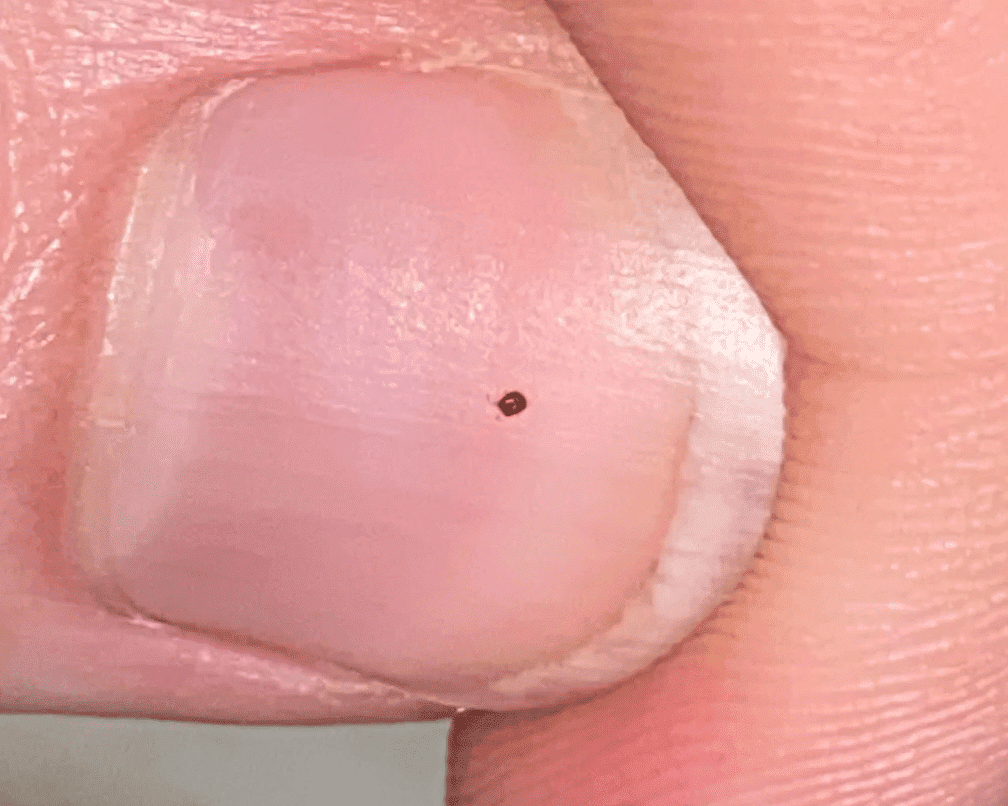
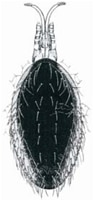
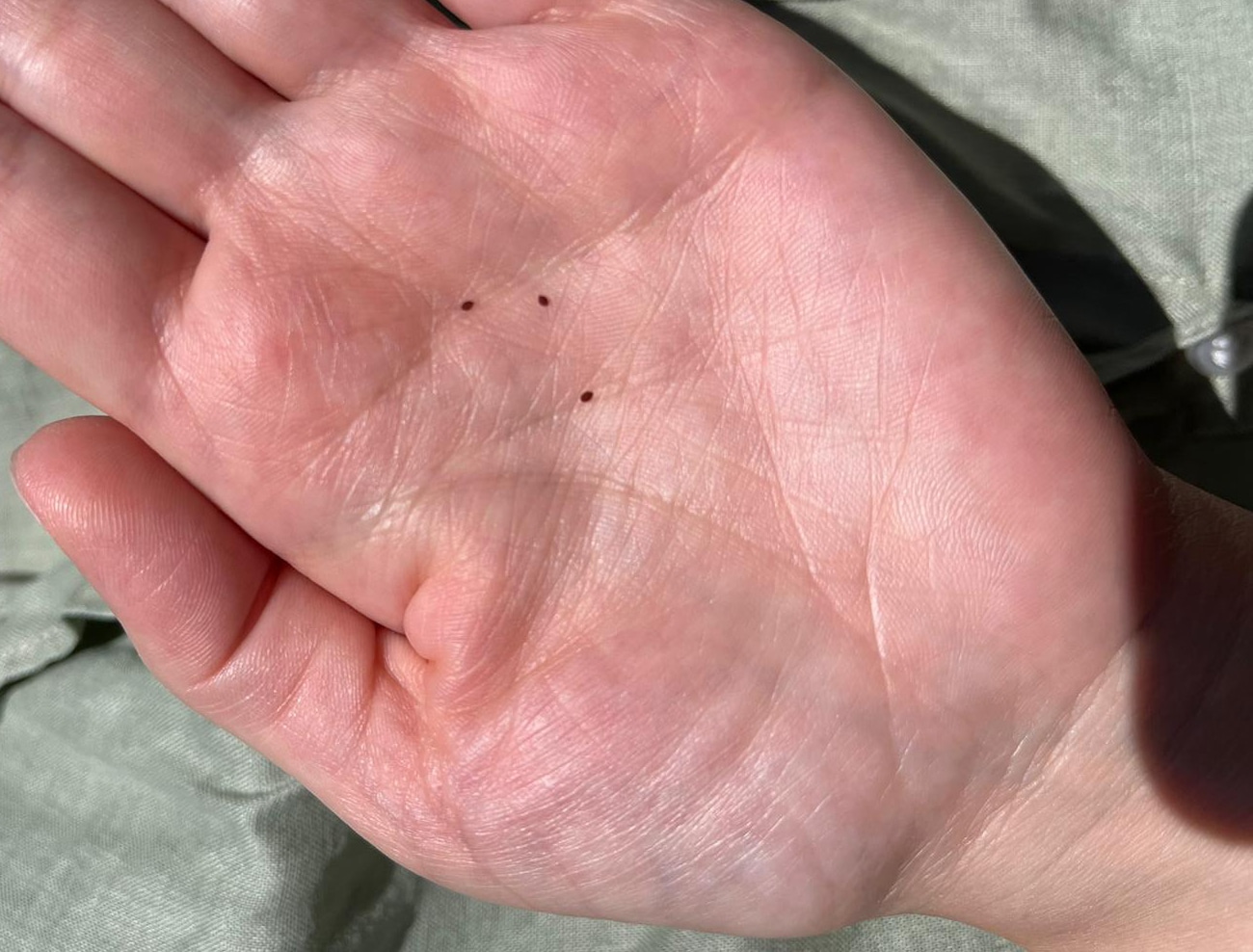
Bird mites are very small, about 0.5 millimeters long. They have pale bodies that turn darker after feeding. They move quickly but cannot jump or fly.
These mites feed on bird blood but will bite humans if birds are gone. They hide in cracks and crevices during the day.
Areas Prone To Bird Mite Presence
| Location | Reason for Presence |
|---|---|
| Window Sills | Birds nest close to windows |
| Attics | Birds often build nests in attics |
| Air Vents | Bird mites enter through vents |
| Wall Cracks | Safe hiding spots for mites |
| Chimneys | Birds use chimneys for nests |

Credit: vermicure.co.uk
Health Risks From Bird Mites
Bird mites are tiny parasites that come from birds. They can bite humans and pets. These bites can cause discomfort and health issues. Knowing the risks helps you stay safe and healthy.
Bird mites often enter homes when bird nests are nearby. They look for warm hosts like people and animals. It is important to understand their effects on humans and pets.
Effects On Humans
Bird mite bites cause itching and red spots on the skin. Some people feel burning or stinging at the bite area. These bites often appear on the arms, neck, and face.
- Small red bumps or rash
- Severe itching and irritation
- Possible skin infections from scratching
- Discomfort that can disturb sleep
Impact On Pets
Pets like dogs and cats can also get bird mite bites. Their skin may become red and itchy. Pets may scratch and bite the affected areas. This can lead to hair loss and skin damage.
| Pet | Common Symptoms | Possible Effects |
| Dog | Itchy skin, hair loss | Skin infections, discomfort |
| Cat | Red spots, scratching | Hair thinning, skin wounds |
| Bird | Feather loss, restlessness | Stress and health decline |
Potential Allergic Reactions
Some people have allergic reactions to bird mite bites. These reactions may cause swelling and rash. In rare cases, people can have trouble breathing.
Signs of allergic reactions:
- Swelling around the bite area
- Hives or widespread rash
- Difficulty breathing or wheezing
- Dizziness or feeling faint
If any severe reaction occurs, seek medical help immediately.
Preventing Bird Mite Infestations
Bird mites can cause discomfort and health issues for people and pets. Preventing infestations is easier than removing mites later.
Taking simple steps helps keep your home safe from these tiny pests.
Sealing Entry Points
Bird mites enter homes through cracks and gaps. Sealing these stops mites before they get inside.
Check around windows, doors, vents, and rooflines for holes or openings.
- Use caulk or weather stripping to close small gaps
- Install door sweeps to block under-door spaces
- Repair damaged screens on windows and vents
- Seal cracks in walls and foundation
Maintaining Cleanliness
Clean homes make it harder for bird mites to survive. Regular cleaning removes mites and their eggs.
Focus on areas where birds or nests were present.
- Vacuum floors, carpets, and furniture often
- Wash bedding and fabrics in hot water
- Remove old bird nests immediately and safely
- Dispose of trash and debris near your home
Controlling Bird Activity Near Homes
Birds bring mites when they nest close to homes. Keeping birds away lowers the chance of infestations.
Use safe methods to discourage birds from nesting or roosting nearby.
- Install bird spikes or nets on ledges and roofs
- Remove food sources like bird feeders near the house
- Trim tree branches touching or close to the building
- Close gaps where birds can build nests
Natural Remedies For Bird Mites
Bird mites can cause itching and discomfort in your home. Using natural remedies helps control them without harsh chemicals. These methods are safe for you and pets.
This guide covers three effective natural treatments. Learn how to use essential oils, home cleaning, and diatomaceous earth to reduce bird mite problems.
Essential Oils And Sprays
Essential oils can repel and kill bird mites. Many oils have natural insecticidal properties. You can make sprays to treat infested areas.
- Mix 10 drops of tea tree oil with water in a spray bottle.
- Add lavender or eucalyptus oil for added effect.
- Spray the mixture on bedding and furniture.
- Repeat every few days to keep mites away.
Home Cleaning Techniques
Regular cleaning removes bird mites and their eggs. Focus on areas where mites hide, such as corners and pet bedding.
| Cleaning Task | Frequency | Purpose |
| Vacuum floors and carpets | Daily | Remove mites and eggs |
| Wash bedding in hot water | Weekly | Kills mites on fabrics |
| Clean bird cages | Twice a week | Prevent mite spread |
| Wipe surfaces with vinegar solution | Weekly | Repel mites |
Using Diatomaceous Earth
Diatomaceous earth is a natural powder that kills mites by drying them out. It is safe for humans and pets if used properly.
To use diatomaceous earth:
- Wear a mask to avoid breathing the dust.
- Sprinkle the powder lightly on carpets and pet bedding.
- Leave it for 2 to 3 days to work effectively.
- Vacuum the area thoroughly after treatment.
Chemical Treatments And Insecticides
Bird mites can cause irritation and discomfort. Chemical treatments help to control and kill these pests effectively.
Insecticides designed for bird mites target their life cycle. Proper use ensures quick relief and stops infestations.
Selecting Safe Products
Choose insecticides that are safe for indoor use. Look for products labeled for bird mite control.
Check if the product is safe around pets and children. Avoid harsh chemicals that can harm your family.
- Read labels carefully before buying
- Pick products approved by health authorities
- Use sprays or powders made for mites
- Avoid broad-use pesticides that may be toxic
Application Tips
Apply insecticides in areas where mites hide. Focus on bird nests, cracks, and wall crevices.
Use a spray or powder as directed. Cover all affected surfaces evenly for best results.
- Wear gloves and protective clothing
- Spray under furniture and near windows
- Repeat treatment after one week
- Remove bird nests before treatment
Precautions During Use
Keep children and pets away during application. Ventilate rooms well after spraying insecticides.
Do not mix chemicals or use more than recommended. Follow safety instructions on the product label.
- Wear a mask to avoid inhaling fumes
- Wash hands after use
- Store chemicals out of reach of children
- Dispose of empty containers safely
Credit: www.sahealth.sa.gov.au
Professional Pest Control Options
Bird mites are tiny pests that cause itching and discomfort. Treating them can be hard without help.
Professional pest control services offer safe and effective ways to remove bird mites from your home.
When To Call Experts
If bird mite bites cover large areas of your skin, you should call pest control experts. They can find and remove nests causing the problem.
Use experts if mites keep coming back after you try to treat them yourself. They have tools and knowledge to stop the pests.
What To Expect From Treatment
Professionals inspect your home to find bird nests and mite sources. They clean affected areas carefully.
They use special sprays and powders safe for humans but deadly to mites. Treatment may need more than one visit.
- Inspection of nesting sites
- Removal of bird nests if found
- Application of pest control products
- Follow-up visits to check results
Costs And Effectiveness
Costs vary based on home size and infestation level. Basic treatments cost less than large or repeated treatments.
Professional treatment is more effective than DIY methods. It helps stop mites from returning quickly.
- Small infestations may cost less
- Severe infestations cost more
- Proper treatment reduces future problems
- Follow-up care may add to cost
Post-treatment Care And Monitoring
After treating bird mites, you must keep the area clean and watch for signs of mites. This helps stop them from coming back.
Good care after treatment makes your home safe and comfortable again.
Cleaning And Disinfecting
Clean all surfaces where bird mites lived. Use strong soap and hot water to wash bedding and furniture covers.
Disinfect hard surfaces like floors and walls with a safe cleaner. This kills any mites left behind.
- Wash fabrics in hot water (above 120°F)
- Vacuum floors, carpets, and furniture thoroughly
- Dispose of vacuum bags carefully
- Use disinfectant sprays on hard surfaces
- Dry cleaned items should be treated professionally
Regular Inspections
Check your home regularly for bird mites after treatment. Look for small moving spots or bites on skin.
Pay special attention to places where birds nested or mites appeared before.
- Inspect furniture seams and cracks
- Look inside vents and attic spaces
- Examine pet bedding and bird cages
- Check skin for irritation or bites
- Repeat inspections weekly for a month
Preventing Reinfestation
Stop birds from nesting near your home. Block entry points and remove old nests.
Keep your home dry and clean to make it less attractive for mites and birds.
- Seal cracks and holes in walls and roofs
- Use bird spikes or nets on ledges
- Remove food sources that attract birds
- Keep gutters clean and dry
- Regularly clean outdoor areas near windows
Credit: www.bedbugbarrier.com.au
Frequently Asked Questions
What Are The Common Signs Of Bird Mite Infestation?
Bird mite infestations cause itching, red bumps, and skin irritation. You may also notice tiny moving specks on your skin or clothes. Bird mites often come from bird nests near or inside your home.
How Can I Safely Remove Bird Mites From My Home?
Remove bird nests near your home carefully. Use insecticidal sprays designed for bird mites. Wash bedding and clothing in hot water. Vacuum frequently and dispose of vacuum bags immediately.
Can Bird Mites Bite Humans And Cause Health Issues?
Yes, bird mites can bite humans, causing itching and redness. They do not transmit diseases but can cause discomfort and allergic reactions in sensitive individuals.
What Natural Remedies Help Treat Bird Mite Bites?
Applying aloe vera, tea tree oil, or calamine lotion can soothe itching and inflammation. Avoid scratching to prevent infection. Consult a doctor for severe reactions or persistent symptoms.
Conclusion
Treating bird mites requires patience and consistent effort. Clean your home regularly. Wash bedding and clothes in hot water. Use mite sprays for immediate relief. Seal cracks and crevices to block entry. Consult a pest control professional if needed. Protect your pets by keeping them clean.
Regularly check for mites to catch infestations early. Awareness and swift action prevent future problems. Keep learning about bird mites to stay prepared. Your home can be mite-free with diligence and care. Remember, persistence is key in managing these tiny pests.
Stay calm and follow these steps for relief.