If you’ve noticed your bird struggling to eat or acting unusually quiet, it might be dealing with canker. This common illness can cause discomfort and make your feathered friend feel weak.
But don’t worry—knowing how to treat canker early can make a big difference in your bird’s health. You’ll discover simple and effective ways to spot the signs, care for your bird, and help it recover quickly. Keep reading to learn how to protect your beloved pet and bring back its cheerful chirps.
Identifying Canker In Birds
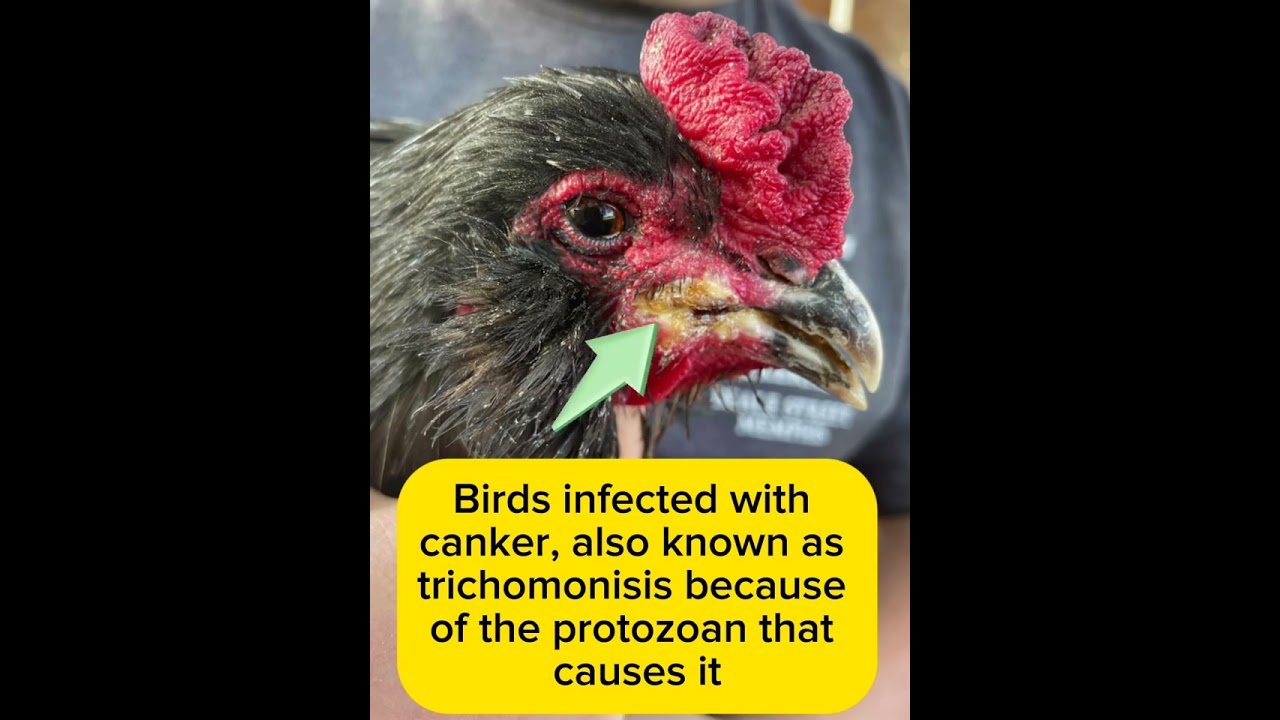
Canker is a common disease in birds caused by a parasite. It affects the bird’s mouth and throat.
Knowing how to spot canker early helps protect your birds from serious harm.
Common Symptoms
Birds with canker show signs that are easy to notice if you watch closely. These signs include difficulty eating and changes in behavior.
- White or yellowish spots inside the mouth
- Swelling around the beak or throat
- Difficulty swallowing or eating
- Weight loss and weakness
- Excessive salivation or drooling
- Breathing problems if the throat is blocked
Species Most Affected
Some bird species are more likely to get canker. This depends on their environment and habits.
| Bird Species | Commonly Affected Area |
| Canaries | Mouth and throat |
| Finches | Throat |
| Budgerigars | Mouth |
| Columbiformes (pigeons, doves) | Mouth and crop |
| Parrots | Beak and throat |
Causes And Risk Factors
Canker spreads through contact with infected birds or dirty cages. Poor hygiene raises the risk.
- Close contact with infected birds
- Dirty water and food containers
- Stress and poor diet
- Weak immune system
- Crowded living spaces
Home Care Strategies
Canker is a common illness in birds that causes sores in their mouth. Proper home care can help ease symptoms and speed recovery.
Simple steps like cleaning, diet changes, and keeping your bird hydrated make a big difference in healing canker.
Maintaining Cleanliness
Keep your bird’s cage clean to stop bacteria from growing. Change the bedding and clean food and water dishes daily.
Remove any leftover food to avoid mold and germs. Wash your hands before and after handling your bird.
- Clean cage at least once a week
- Replace food and water daily
- Disinfect perches and toys regularly
- Wash hands before and after contact
Diet Adjustments
Feed soft and easy-to-eat foods to reduce mouth pain. Avoid hard seeds and dry pellets while your bird heals.
Include fresh fruits and vegetables that are gentle on the mouth. These foods provide vitamins that help recovery.
- Offer soaked pellets or softened seeds
- Give mashed fruits like banana or papaya
- Provide cooked vegetables like carrots or peas
- Avoid spicy or acidic foods
Hydration Importance
Water is very important to keep your bird healthy and fight infection. Always provide fresh and clean water.
If your bird refuses to drink, try offering water with a dropper or adding water to soft foods.
- Change water at least twice a day
- Use a clean bowl or water bottle
- Offer water with a dropper if needed
- Mix water into soft foods for extra hydration
Medical Treatments
Canker in birds is a disease caused by parasites. It affects the bird’s mouth and throat. Treating canker quickly helps birds recover faster.
Medical treatments focus on removing parasites and healing the infected areas. Proper care from a vet is important for good results.
Antiparasitic Medications
Doctors use special drugs to kill the parasites causing canker. These medicines help stop the infection from spreading.
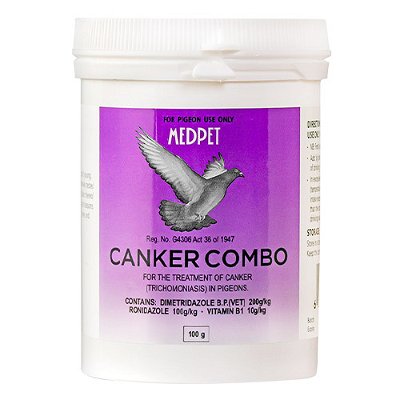
- Metronidazole is the most common medicine used.
- It is given by mouth or injection.
- Treatment usually lasts 7 to 10 days.
- Always follow the vet’s instructions carefully.
- Do not stop the medicine early, even if the bird looks better.
Veterinary Care Procedures
Vets may clean the bird’s mouth to remove canker lesions. This helps the bird eat and breathe better. Sometimes, they give fluids if the bird is weak.
| Procedure | Purpose | Notes |
|---|---|---|
| Oral cleaning | Remove canker lesions | Performed under sedation |
| Fluid therapy | Hydrate weak birds | Given by injection or drip |
| Medication administration | Deliver antiparasitic drugs | Oral or injection methods |
Follow-up And Monitoring
After treatment, watch the bird for signs of improvement. Look for less swelling and better eating habits.
- Check the bird’s mouth daily for healing.
- Keep the bird’s living area clean.
- Return to the vet if symptoms return or worsen.
- Complete all prescribed medications.
- Provide good nutrition to support recovery.

Credit: www.reddit.com
Preventing Canker Recurrence
Canker is a common disease in birds caused by a protozoan parasite. Treating it is only part of care. Preventing it from coming back is very important.
Good care and proper management help keep birds healthy. This lowers the chance of canker returning.
Habitat Management
Clean and safe habitats reduce the risk of infection. Birds need fresh air and enough space to avoid stress.
- Change bedding often to keep the area dry
- Clean food and water containers daily
- Keep the cage or aviary away from drafts
- Remove leftover food to prevent mold
- Use safe and non-toxic materials for perches
Stress Reduction Techniques
Stress weakens a bird’s immune system. This makes it easier for canker to return. Reduce stress by creating a calm environment.
| Stress Factor | How to Reduce It |
| Noise | Place cage in a quiet room |
| Overcrowding | Keep fewer birds per cage |
| Sudden changes | Keep a stable routine |
| Handling | Handle birds gently and less often |
Regular Health Checks
Check birds often for signs of illness. Early detection stops canker from spreading or getting worse.
- Look for white patches in the mouth
- Notice if the bird is eating less or losing weight
- Watch for breathing problems or unusual sounds
- Consult a vet if you see any symptoms
- Keep a health record for each bird
When To Seek Professional Help
Canker in birds can worsen quickly if not treated properly. Knowing when to get help is key to keeping your bird safe.
This guide explains the signs of severe infection and offers emergency care tips. It helps you decide when to call a vet.
Signs Of Severe Infection
Severe canker infection needs urgent attention. Watch for these signs in your bird:
- Large, thick yellow or white patches inside the mouth
- Difficulty eating or swallowing
- Excessive drooling or bad breath
- Weight loss and weakness
- Swelling around the throat or face
- Changes in voice or breathing problems
Emergency Care Tips
If your bird shows severe signs, act quickly to help until you reach a vet.
| Action | Details |
|---|---|
| Isolate the bird | Keep it away from other birds to stop infection spread |
| Keep the bird warm | Use a heat lamp or warm cloth to maintain body temperature |
| Provide soft food | Offer easily swallowed foods like soaked pellets or mashed fruits |
| Keep water available | Make sure fresh water is within easy reach to prevent dehydration |
| Do not self-medicate | Avoid giving human medicines or unapproved treatments |
Credit: www.amerpoultryassn.com
Credit: www.canadapetcare.com
Frequently Asked Questions
What Are Common Symptoms Of Canker In Birds?
Canker symptoms include white or yellowish lesions in the bird’s mouth or throat. Birds may show difficulty eating, breathing, or weight loss. Early signs also include lethargy and swollen throat areas. Recognizing these symptoms helps in timely treatment and recovery.
How Is Canker Diagnosed In Birds?
Veterinarians diagnose canker by examining the bird’s mouth and throat for lesions. They may take swabs for microscopic analysis to confirm the parasite. Accurate diagnosis ensures the correct treatment plan is prescribed, improving the bird’s chances of full recovery.
What Treatments Effectively Cure Canker In Birds?
Treatment usually involves anti-protozoal medications like metronidazole or ronidazole. These drugs eliminate the parasite causing canker. Supportive care, such as cleaning lesions and maintaining hydration, aids healing. Prompt treatment prevents complications and helps restore the bird’s health quickly.
Can Canker In Birds Be Prevented?
Yes, canker prevention involves maintaining clean living conditions and good hygiene. Avoid overcrowding and provide fresh food and water. Regular health checks and quarantine of new birds reduce infection risks. Prevention is key to protecting birds from this contagious disease.
Conclusion
Treating canker in birds requires patience and care. Early detection is crucial. Watch for symptoms like drooling or difficulty swallowing. Consult a vet for proper diagnosis and treatment. Medication can help control the infection. Clean the bird’s environment to prevent reinfection.
Good hygiene plays a vital role. Ensure your bird eats a healthy diet. Fresh water is essential. Regular check-ups keep your bird healthy. Prevention is always better than cure. Educate yourself about bird health. Stay informed and attentive. This helps ensure a happy, healthy bird.
Your feathered friend deserves the best care.