
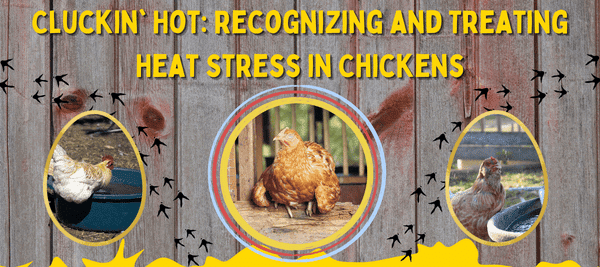
Heat stress can quickly turn your happy, chirping bird into a distressed and unhealthy pet. If you’ve noticed your feathered friend panting, fluffed up, or acting unusually tired, it’s crucial to act fast.
You might be wondering what steps you can take to keep your bird safe and comfortable during hot weather. This guide will show you simple, effective ways to treat heat stress in birds and help your companion feel their best again.
Keep reading—you’ll discover practical tips that could make all the difference for your bird’s health and happiness.
Recognizing Heat Stress Symptoms
Birds are sensitive to high temperatures. Heat stress can harm their health quickly. Knowing the symptoms helps in giving prompt care.
Early recognition of heat stress signs can save birds from serious illness. Watch for changes in behavior and appearance closely.
Behavioral Signs
Birds show clear behaviors when they feel hot. These actions help them cool down but also signal stress.
- Heavy panting or rapid breathing
- Wing spreading to increase airflow
- Restlessness or unusual quietness
- Reduced activity or movement
- Seeking shade or cooler spots
Physical Indicators
Look for changes in the bird’s body that show heat stress. These signs are visible and easy to spot.
| Indicator | Description |
| Flushed or red skin | Skin around eyes and beak turns red |
| Open mouth breathing | Bird breathes with mouth open to cool down |
| Wet feathers | Feathers may look damp from drooling or water |
| Weakness | Bird stands unsteadily or collapses |
| Swollen legs or feet | Legs may swell due to poor circulation |
Common Heat Stress Effects
Heat stress leads to many problems inside the bird’s body. Watch for these effects to act fast.
Common heat stress effects include:
- Dehydration causing dry mouth and eyes
- Drop in egg production for laying birds
- Loss of appetite and weight loss
- Increased heart rate and breathing
- Possible heat stroke leading to death

Credit: cluckitallfarms.com
Immediate Cooling Techniques
Heat stress can harm birds quickly. Immediate actions help lower their body temperature.
Using fast cooling methods keeps birds safe and calm during hot weather.
Providing Shade And Ventilation
Keep birds out of direct sunlight to reduce heat exposure. Use trees, tarps, or shelters for shade.
Good airflow helps cool birds by moving hot air away. Open windows and use fans if possible.
- Place shade structures near bird areas
- Remove obstacles blocking air flow
- Use natural ventilation or mechanical fans
- Check shade and ventilation often during heat
Using Water For Cooling
Water helps birds cool down quickly. Provide fresh, cool water for drinking and cooling.
| Water Use | Purpose |
| Drinking | Hydration to prevent dehydration |
| Wet bedding or ground | Lower surrounding temperature |
| Soaking feet | Direct cooling of body parts |
Applying Cooling Sprays And Mists
Spraying water in fine mist cools birds by evaporation. Use cool water, not ice cold.
- Spray birds lightly on feathers and skin
- Use misting systems for large groups
- Avoid heavy soaking that chills birds too much
- Repeat spraying every few hours if needed
Hydration Strategies
Heat stress in birds can cause serious health problems. Keeping birds well hydrated is key to helping them stay cool and healthy.
Good hydration supports their body functions and helps reduce heat stress effects. Use these hydration strategies to care for your birds.
Supplying Clean Water
Always provide fresh, clean water for your birds. Dirty water can cause illness and reduce water intake.
Change water often and clean containers daily. Use shallow containers to prevent spills and keep water cool.
Electrolyte Solutions
Electrolyte solutions help replace lost salts and minerals. Birds lose these through sweating and panting during heat stress.
Add electrolyte mixes to the water following package instructions. This helps maintain their energy and hydration levels.
- Use poultry-specific electrolyte powders
- Mix solutions fresh daily
- Offer electrolyte water especially on hot days
Encouraging Drinking Habits
Encourage birds to drink more by placing water containers in easy-to-reach spots. Make water visible and accessible.
Offer water several times a day and use cool water to attract birds. Adding fruits like watermelon can also encourage drinking.
- Place multiple water stations
- Keep water containers clean and cool
- Offer water before feeding times

Credit: www.wynnstay.co.uk
Adjusting Bird Environment
Heat stress is a serious problem for birds during hot weather. Adjusting their environment can help keep them cool and safe.
Small changes in the living space can reduce heat stress and improve bird health.
Optimizing Coop Design
A well-designed coop helps birds stay cool by improving air flow. Use materials that do not trap heat.
Include windows or vents that open to allow fresh air. Shade the coop from direct sunlight.
- Build the coop with light-colored materials
- Use wire mesh for walls to increase ventilation
- Place the coop under trees or shade cloth
- Elevate the coop to improve air circulation underneath
Controlling Temperature And Humidity
Keep the coop cool by using fans or natural breezes. Avoid high humidity as it makes heat worse for birds.
Provide cool, fresh water at all times. Wet the ground outside the coop to lower surrounding temperatures.
- Install fans to improve air movement
- Use shade nets to reduce heat inside the coop
- Check humidity levels regularly
- Supply clean, cool water frequently
Minimizing Stress Factors
Stress makes birds more sensitive to heat. Keep the area quiet and avoid overcrowding to reduce stress.
Feed birds during cooler parts of the day. Avoid handling them when temperatures are high.
- Limit loud noises near the coop
- Reduce the number of birds per space
- Feed early in the morning or late evening
- Handle birds gently and only if necessary
Nutritional Support During Heat
Heat stress affects birds by making them eat less and lose energy. Proper nutrition helps them stay healthy. Feeding the right foods and supplements can reduce heat stress effects.
Adjusting feeding times also helps birds use their food better. This guide covers key ways to support birds with nutrition during hot weather.
Feeding Light And Digestible Foods
Feed birds light foods that are easy to digest. Heavy or fatty foods make it harder for birds to cool down. Choose grains, seeds, and fresh vegetables with high water content.
- Offer cooked rice or oats for easy digestion
- Include fresh greens like lettuce or spinach
- Avoid oily or high-fat treats
- Provide clean, fresh water at all times
Supplements For Heat Stress
Supplements can help birds cope with heat stress. Vitamins and minerals support their immune system and energy levels. Electrolytes help keep birds hydrated and balanced.
| Supplement | Benefit | How to Use |
| Vitamin C | Reduces heat stress effects | Add to water daily |
| Electrolytes | Maintains hydration and balance | Mix with drinking water |
| Multivitamins | Supports overall health | Include in feed as directed |
Timing Of Feeding
Feed birds during cooler parts of the day. Early morning and late evening are best. Birds eat more and digest better when it is cooler outside.
- Feed before sunrise to boost energy
- Offer a smaller meal at sunset
- Avoid feeding in midday heat
- Keep water fresh and cool all day

Credit: cluckitallfarms.com
Preventive Measures
Heat stress can harm birds and reduce their health. Preventing heat stress is key to keeping birds safe.
Using simple steps can help protect birds from high temperatures and heat problems.
Routine Health Checks
Regular health checks help spot signs of heat stress early. Watch for heavy breathing or weak behavior.
Check birds’ water and food intake. Birds may eat or drink less if stressed by heat.
- Look for open-mouth breathing or panting
- Check if birds are less active than usual
- Observe for droopy wings or standing with wings spread
- Ensure clean water is always available
Seasonal Preparations
Prepare bird housing before hot seasons. Good ventilation keeps air moving and cools birds.
Use shade cloths or natural shade to protect birds from direct sunlight. Adjust feeding times to cooler parts of the day.
- Clean and check fans or vents before summer
- Provide fresh, cool water regularly
- Feed birds early in the morning or late in the evening
- Use light-colored roofing to reflect heat
Emergency Response Plans
Have a plan ready to act fast if birds show heat stress signs. Move birds to cooler places quickly.
Keep cool water and misting systems ready. Monitor birds closely until they recover or get help from a vet.
- Identify cool, shaded areas for emergencies
- Use misting or spraying to lower bird body temperature
- Offer extra water and electrolytes
- Know when to call a veterinarian for help
When To Seek Veterinary Help
Heat stress can be dangerous for birds. Knowing when to get a vet’s help can save their life. Watch your bird closely if the weather is hot.
Some signs show heat stress is getting worse. If you see these signs, contact a vet quickly. Early care helps birds recover faster.
Severe Symptoms To Watch
Severe heat stress needs urgent attention. Check your bird for these serious symptoms. They show the bird is in danger.
- Rapid or labored breathing
- Weakness or collapse
- Excessive drooling or open-mouth breathing
- Seizures or trembling
- Very hot or red skin
- Refusal to eat or drink
- Unusual lethargy or unresponsiveness
Treatment Options
Veterinarians use special treatments to help birds with heat stress. They focus on cooling the bird and restoring fluids.
Common treatments include giving fluids and cooling the bird safely. Vets may also use oxygen or medicines to support breathing.
- Cool water baths or misting
- Fluids given under the skin or vein
- Oxygen therapy if breathing is hard
- Medications to reduce swelling or pain
- Keeping the bird in a cool, quiet place
Recovery And Monitoring
After treatment, birds need close monitoring. Watch for changes in behavior and breathing. Keep the bird comfortable and cool.
Follow the vet’s advice on feeding and care. Recovery can take several days. Call the vet again if symptoms return or get worse.
- Check breathing often
- Keep fresh water available
- Provide a quiet, shaded area
- Watch for signs of relapse
- Follow all medication instructions
Frequently Asked Questions
What Are Common Signs Of Heat Stress In Birds?
Common signs include panting, lethargy, drooping wings, and decreased appetite. Birds may also show increased thirst and seek shade. Early recognition helps prevent severe heat-related illnesses.
How Can I Cool Birds During Hot Weather?
Provide fresh water, shade, and proper ventilation. Use misting or damp cloths to lower body temperature. Avoid overcrowding and keep birds in cooler areas during peak heat.
Which Foods Help Birds Recover From Heat Stress?
Offer electrolyte-rich foods and fresh fruits like watermelon and berries. These provide hydration and essential nutrients. Avoid heavy or hard-to-digest foods during recovery.
When Should I Seek Veterinary Care For Heat-stressed Birds?
If birds show severe symptoms like seizures, collapse, or unresponsiveness, seek vet help immediately. Persistent panting or inability to stand also requires professional attention.
Conclusion
Heat stress in birds needs timely attention and care. Keeping birds cool is crucial. Provide fresh water frequently. Ensure shaded areas are available. Monitor their behavior for signs of distress. Mist sprays can offer relief. Ventilation in enclosures is essential.
Fans can help circulate air. Adjust feeding routines to cooler times. Always stay observant and proactive. Taking these steps will keep birds healthy. Their well-being depends on your diligence. Remember, prevention is always better than cure. Happy, healthy birds bring joy and comfort.
Your efforts make a significant difference. Stay committed to their care.



