Is your bird’s beak looking overgrown or uneven? Knowing how to trim a bird’s beak safely is essential for your feathered friend’s health and happiness.
If done incorrectly, it can cause pain or injury, but with the right steps, you can keep your bird comfortable and thriving. In this guide, you’ll discover simple, practical tips to trim your bird’s beak without stress or harm. Keep reading to learn how to protect your pet and make this task easier than you ever imagined.
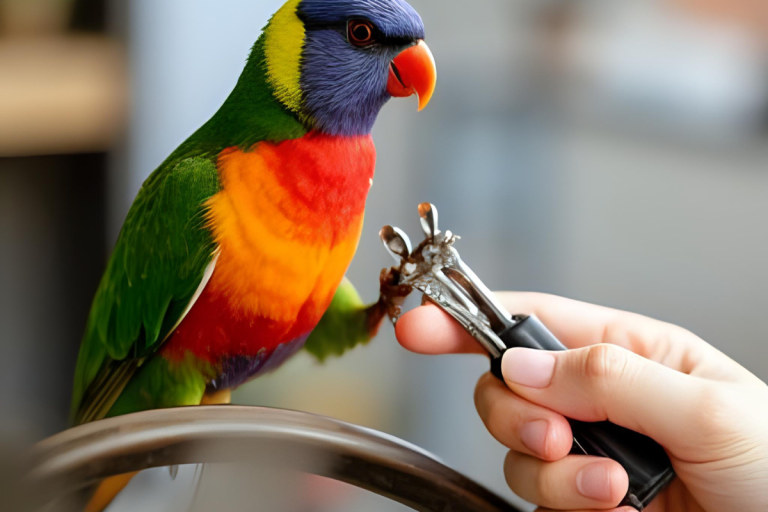
Credit: birdsittingtoronto.ca
Signs Your Bird’s Beak Needs Trimming
A bird’s beak grows continuously. It needs regular care. If the beak becomes too long or misshapen, it can cause problems. Knowing the signs helps keep your bird healthy.
Watch closely for changes in your bird’s beak. Early action can prevent pain and eating troubles.
Overgrown Beak Indicators
An overgrown beak looks longer than usual. It may curve or twist in odd ways. This makes it hard for your bird to eat and groom.
- Beak tip extends past normal length
- Uneven or crooked beak shape
- Difficulty biting or chewing food
- Beak edges appear rough or chipped
Beak Damage And Deformities
Damage can cause cracks, breaks, or splits in the beak. Deformities may show as unusual bumps or bends. These signs need fast attention to avoid infection.
| Type of Damage | What to Look For |
| Cracks | Thin lines or splits on the beak surface |
| Breaks | Missing pieces or sharp edges |
| Deformities | Bulges, bends, or asymmetry in beak shape |
| Discoloration | Dark spots or color changes on the beak |
Behavioral Changes Linked To Beak Issues
Birds with beak problems may act differently. Changes in behavior can show pain or discomfort.
- Less interest in eating or drinking
- Difficulty picking up food or toys
- Increased scratching or rubbing of the beak
- Unusual vocal sounds or silence
- Reluctance to preen or clean feathers
Essential Tools For Beak Trimming
Trimming a bird’s beak needs the right tools to keep it safe. Using proper tools helps avoid hurting your bird.
Learn about the key tools to make beak trimming easy and safe for both you and your bird.
Choosing The Right Clippers
Use sharp clippers made for birds or small pets. Dull clippers can crush the beak and cause pain.
Small nail clippers or bird-specific beak trimmers work best. They help you cut cleanly and safely.
- Pick clippers with a comfortable grip
- Choose sharp, fine blades for precision
- Avoid large or heavy clippers
- Keep clippers clean and disinfected
Using Emery Boards And Files
Emery boards or small files smooth the beak edges after trimming. They help prevent sharp or rough spots.
Use gentle strokes to file the beak. Do not file too much at once to avoid hurting the bird.
- Choose fine-grit emery boards
- Use small, round files for curved beaks
- Work slowly and carefully
- Check the beak often while filing
Safety Gear For Handling Birds
Wear gloves to protect your hands from bites or scratches. Use a towel to gently hold the bird still.
Safety gear helps keep the bird calm and you safe during trimming. Avoid sudden moves to reduce stress.
- Use thick, non-slip gloves
- Have a soft towel or cloth ready
- Consider eye protection if needed
- Keep a first-aid kit nearby
Preparing Your Bird For Trimming
Trimming a bird’s beak needs care and patience. Preparing your bird helps reduce stress and risk.
Getting your bird ready means calming it, holding it safely, and making a good workspace.
Calming Techniques
Calm birds stay still and feel safe during trimming. Speak softly to your bird before you start.
Offer treats or gentle petting to relax your bird. Avoid sudden moves and loud noises nearby.
- Talk in a soft, gentle voice
- Give favorite treats
- Pet your bird calmly
- Keep the room quiet
Proper Restraint Methods
Hold your bird firmly but gently to stop it from moving. Use one hand to support its body.
Wrap a soft cloth around your bird if needed. This protects wings and keeps the bird calm.
- Support the bird’s body securely
- Use a soft cloth to wrap the bird
- Avoid squeezing too hard
- Keep the bird’s head steady
Setting Up A Safe Workspace
Choose a clean, quiet area with good light. Clear the space of anything your bird could knock over.
Have all tools ready before you start. Use a towel or non-slip mat to keep your bird safe.
- Work in a well-lit, quiet room
- Clear the workspace of distractions
- Prepare all trimming tools first
- Use a towel or mat for safety
Step-by-step Beak Trimming Guide
Trimming a bird’s beak is a careful task. It helps keep the beak healthy and prevents problems with eating.
Use the right tools and follow safe steps to avoid hurting your bird. This guide shows how to trim the beak safely.
Assessing The Beak Length
First, look closely at the bird’s beak. Check if it is too long or misshaped. A long beak can stop the bird from eating well.
- Hold the bird gently but firmly.
- Compare the upper and lower parts of the beak.
- Look for cracks or overgrowth.
- Decide how much needs to be trimmed.
Trimming Techniques To Avoid Injury
Use sharp nail clippers or special bird beak trimmers. Cut small bits at a time to avoid damage.
- Hold the bird securely to prevent sudden moves.
- Trim the sharp tip carefully in small cuts.
- Stop if you see any bleeding or the bird shows pain.
- Clean the tools before and after use.
Smoothing The Beak Edges
After trimming, smooth the edges to stop rough spots from hurting the bird’s mouth.
| Tool | Use |
|---|---|
| Fine nail file | Gently smooth edges |
| Emery board | Remove sharp points |
| Soft cloth | Clean the beak after filing |
Common Mistakes To Avoid
Trimming a bird’s beak needs care and attention. Many people make simple errors that can harm their pet.
Knowing what to avoid helps keep your bird safe and comfortable during beak care.
Over-trimming Risks
Cutting too much of the beak can cause pain and bleeding. It may also lead to infection or difficulty eating.
- Stop trimming as soon as you reach the quick, the sensitive part inside the beak.
- Trim only the sharp or overgrown tips, not the whole beak.
- Observe the beak shape to keep its natural curve and length.
Ignoring Signs Of Discomfort
Your bird shows signs if it feels pain or stress. Ignoring these can make the problem worse.
| Signs of Discomfort | What They Mean |
| Flapping wings wildly | Fear or pain |
| Beak rubbing or shaking | Itchiness or irritation |
| Refusing food | Beak pain or injury |
| Vocal changes | Stress or discomfort |
Using Improper Tools
Using the wrong tools can hurt your bird and make trimming hard. Choose the right equipment to avoid accidents.
- Small, sharp nail clippers made for birds
- Fine grit nail file for smoothing edges
- Good lighting and a stable work surface
- Dull scissors that crush the beak
- Household clippers or knives
- Any tools that cause splintering or cracks

Credit: www.reddit.com
Aftercare And Monitoring
Trimming a bird’s beak needs careful aftercare to help healing. Watch your bird closely after the trim. This helps spot any problems early.
Good monitoring keeps your bird safe and comfortable. It also supports quick recovery from the trimming process.
Checking For Bleeding Or Infection
After trimming, check the beak for any bleeding. Small spots may be normal, but large bleeding needs attention. Also, look for signs of infection like redness or swelling.
Clean the area gently with a damp cloth if needed. Avoid using harsh chemicals or applying pressure to the beak.
- Look for fresh blood or clots
- Check for redness or swelling
- Notice any unusual smell or discharge
- Keep the beak dry and clean
Encouraging Normal Eating Habits
Birds may eat less after beak trimming because their beak feels different. Offer soft foods that are easy to eat. This helps your bird stay nourished during healing.
Keep fresh water nearby and watch how your bird eats. Encourage regular eating to avoid weight loss and stress.
- Provide soft seeds or soaked pellets
- Offer fresh fruits and vegetables
- Change food types if bird struggles
- Feed small portions often
When To Consult A Veterinarian
Contact a vet if your bird shows signs of pain or illness after trimming. Severe bleeding or swelling needs professional care. Also, seek help if your bird stops eating or becomes very weak.
Regular vet check-ups can prevent beak problems and keep your bird healthy.
- Excessive or continuous bleeding
- Signs of infection like pus or bad smell
- Refusal to eat for more than one day
- Changes in behavior or activity levels
- Visible damage to the beak beyond trimming
Preventing Beak Overgrowth
Birds need proper care to keep their beaks healthy. Overgrown beaks can cause eating problems and pain.
Trimming a bird’s beak safely starts with preventing overgrowth. Good habits help avoid frequent trims.
Balanced Diet Tips
A balanced diet keeps your bird’s beak strong and healthy. It also reduces the chance of overgrowth.
- Include fresh fruits and vegetables daily
- Offer pellets made for your bird’s species
- Provide seeds in moderation as treats
- Ensure fresh water is always available
- Avoid feeding only soft or sticky foods
Providing Natural Chewing Materials
Chewing helps birds wear down their beaks naturally. Give materials that are safe to chew on.
| Material | Benefits |
| Wooden perches | Keeps beak trimmed and strong |
| Cuttlebone | Provides calcium and grinding surface |
| Mineral blocks | Encourages natural chewing behavior |
| Bird-safe toys | Prevents boredom and promotes chewing |
Regular Veterinary Checkups
Routine vet visits help catch beak problems early. Professionals can trim beaks safely if needed.
- Schedule checkups every 6 to 12 months
- Ask the vet to examine your bird’s beak
- Discuss diet and chewing habits with the vet
- Follow vet advice for trimming or care

Credit: www.youtube.com
Frequently Asked Questions
How Often Should I Trim My Bird’s Beak?
Trim your bird’s beak only when it grows uneven or overgrown. Regular checks every few months help prevent issues. Avoid frequent trimming to protect the sensitive blood vessels inside the beak.
What Tools Are Best For Trimming A Bird’s Beak?
Use a fine nail file or specialized bird beak trimmers. Avoid regular scissors or sharp blades to prevent injury. Always sanitize tools before and after use for safety and hygiene.
Can I Trim My Bird’s Beak At Home Safely?
Yes, with proper knowledge and gentle care, you can trim your bird’s beak at home. However, consult a vet first for guidance. If unsure, seek professional help to avoid harm.
What Signs Indicate My Bird’s Beak Needs Trimming?
Look for uneven edges, overgrowth, cracks, or difficulty eating. Changes in behavior like reluctance to eat also suggest trimming is needed. Regular observation helps catch these signs early.
Conclusion
Trimming a bird’s beak ensures your pet’s health and comfort. Always use the right tools and approach gently. Keep your bird calm throughout the process. Frequent checks help spot any issues early. Consult a vet if you’re unsure. They provide expert guidance for tricky situations.
Regular care prevents overgrowth and related problems. Your bird’s well-being depends on proper maintenance. A well-trimmed beak means a happy bird. Enjoy the rewarding bond with your feathered friend. Remember, patience and practice make the process easier. Ensure your bird’s happiness with attentive care.