
Have you ever wanted to bring more birds to your backyard or nearby park? Imagine the joy of hearing their songs up close and watching them flutter around you.
Whistling to attract birds is a simple skill you can learn, and it works better than you might think. You’ll discover easy tips and tricks to whistle like a pro, making your outdoor moments more magical. Ready to turn your space into a bird magnet?
Let’s get started!
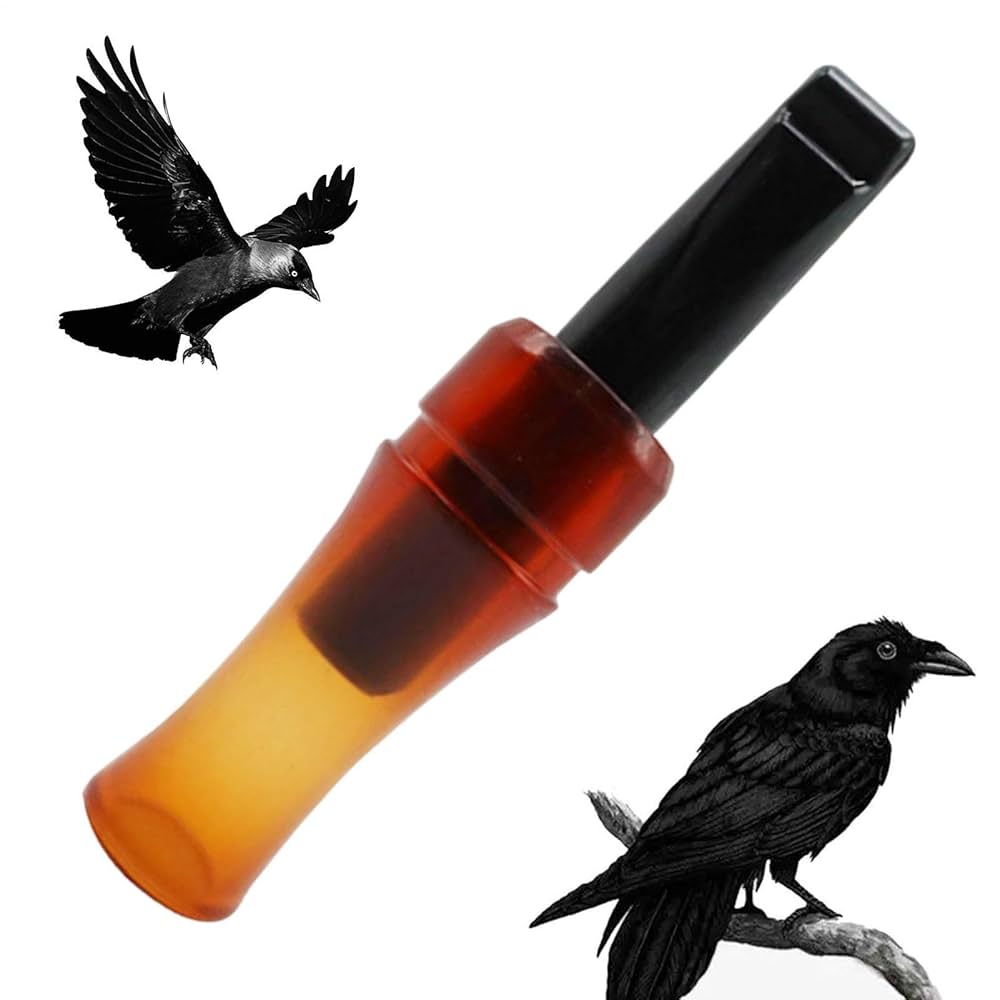
Choosing The Right Whistle
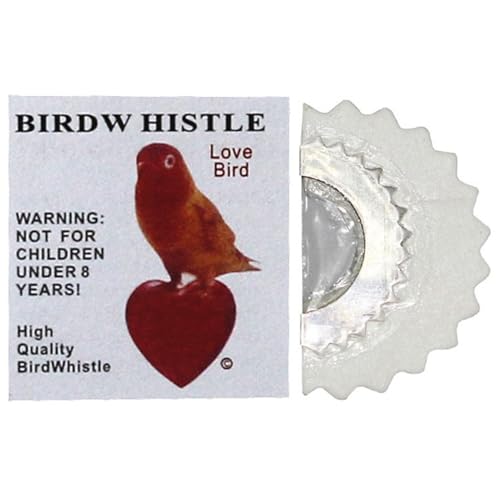
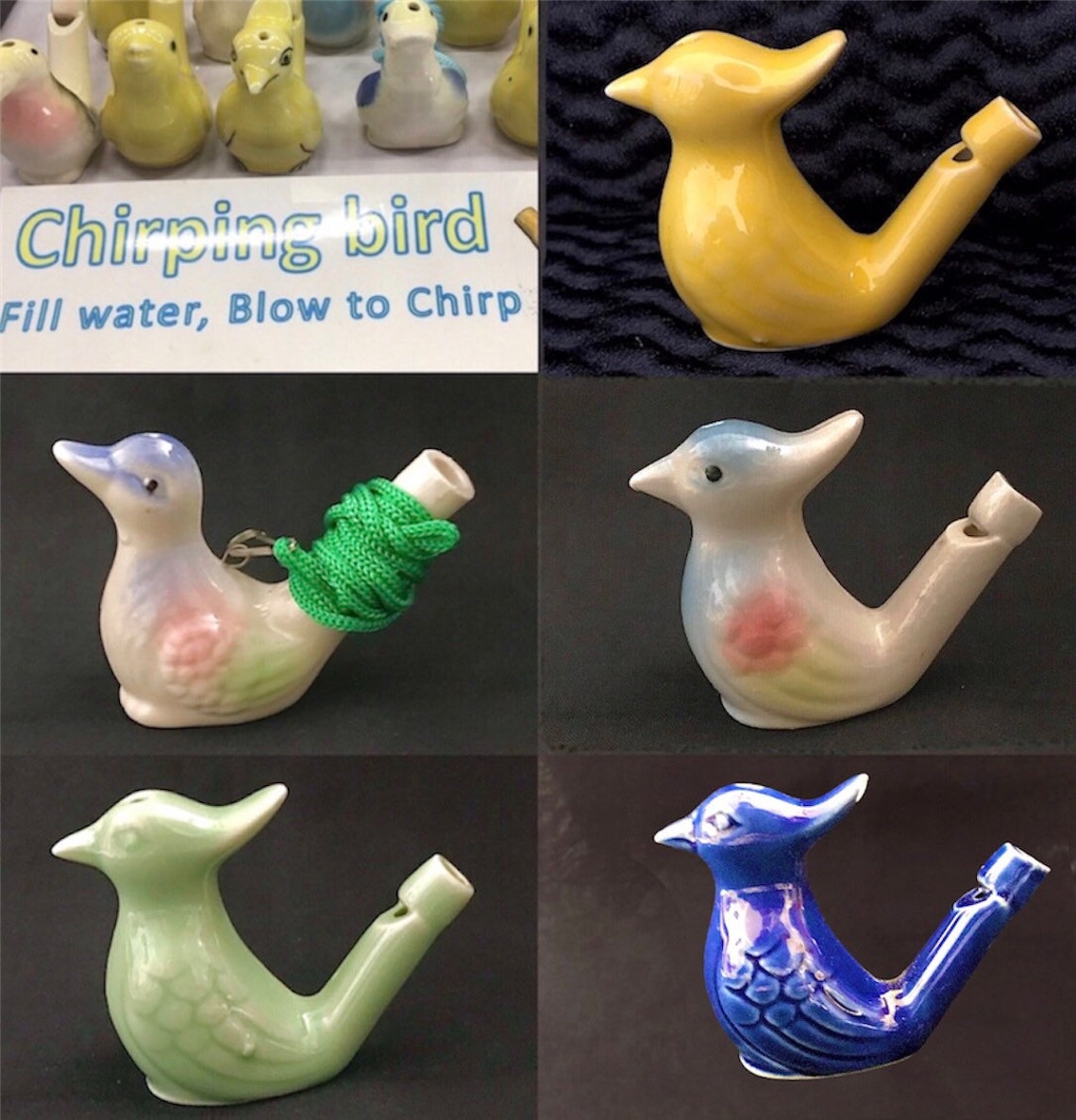
Whistling to attract birds takes practice and the right tool. The whistle you use should mimic natural bird sounds.
Picking a good whistle helps you call birds closer without scaring them away.
Types Of Bird Calls
Bird calls vary by species and purpose. Some calls warn others, while some attract mates or signal food.
Using whistles that copy these calls can help you attract birds naturally.
- Contact Calls: Short sounds birds use to stay in touch
- Song Calls: Complex tunes mainly used by males to attract mates
- Alarm Calls: Sharp sounds to warn of danger
- Begging Calls: Sounds young birds use to ask for food
Selecting Bird-friendly Sounds
Choose sounds that birds recognize as safe or normal. Avoid loud or harsh noises that scare birds.
Simple whistles that copy contact or song calls work best to attract birds without stress.
- Use soft, clear tones
- Practice the sounds before using them outdoors
- Start with calls common to your local birds
- Keep sounds short and spaced out
Mastering Basic Whistling Techniques
Whistling is a simple way to attract birds. It needs control and practice. This guide helps you learn basic whistling skills.
Focus on your breath, mouth shape, and exercises. These parts work together to create clear whistles that birds can hear.
Breath Control Tips
Good breath control helps you whistle longer and better. Use your diaphragm to push air out steadily. Avoid short, weak breaths.
- Breathe deeply from your belly.
- Keep your airflow steady and calm.
- Practice slow exhalations while whistling.
- Pause and breathe naturally between whistles.
Mouth Positioning
Where and how you place your lips and tongue changes the sound. Try different shapes until you find a clear tone.
| Position | Description |
| Lips | Form a small “O” shape, not too tight or loose. |
| Tongue | Place tip behind bottom front teeth or slightly curled. |
| Teeth | Keep slightly apart to let air flow smoothly. |
| Jaw | Relaxed and slightly dropped for better airflow. |
Practice Exercises
Regular practice builds your whistling skill. Try simple drills to improve your sound and control.
- Start by blowing air through your lips without sound.
- Shape your mouth to produce a clear whistle tone.
- Practice whistling short notes, then longer ones.
- Try to whistle simple bird calls by changing pitch.
- Record yourself and listen to improve your tone.
Mimicking Bird Songs
Whistling like birds is a fun way to attract them. Birds respond well to familiar sounds.
By copying their songs, you can get birds curious and bring them closer.
Common Bird Calls To Imitate
Start by learning calls of birds near your area. Different birds have unique sounds.
Try simple calls first, like chirps and whistles. These are easier to copy with your lips.
- Chickadee: a clear “chick-a-dee-dee” call
- Robin: a soft, melodic whistle
- Blue Jay: loud, sharp “jay” notes
- Cardinal: a two-note whistle “cheer-cheer”
- Goldfinch: a high-pitched, bubbly trill
Using Recordings For Reference
Listen to bird calls online or on apps before you try whistling. This helps you learn the sounds.
Practice by playing recordings and copying the sounds slowly. Repeat until you get close.
- Use headphones to hear details clearly
- Focus on pitch, rhythm, and tone
- Record your whistle and compare it
- Practice daily for better skill
Credit: shop.nebosoft.net
Timing Your Whistles
Whistling to attract birds works best at certain times. Birds respond more when you choose the right moment. Learning when to whistle can increase your chances of drawing birds closer.
Timing depends on daily bird activity and the season. Both affect how birds hear and react to your calls.
Best Times Of Day
Birds are most active during specific parts of the day. These times are ideal for whistling to catch their attention.
- Early morning, just after sunrise, is when birds sing and move most.
- Late afternoon, before sunset, is another active period for many birds.
- Midday is usually quieter, as birds rest or seek shade.
- Evening calls can work but tend to attract fewer birds.
Seasonal Considerations
Seasons affect bird behavior and their response to whistles. Different birds appear or sing at certain times of the year.
| Season | Bird Activity | Whistling Tips |
| Spring | High activity, nesting and mating | Use soft, clear whistles to mimic calls |
| Summer | Active but quieter during heat | Whistle early or late in the day |
| Fall | Birds prepare to migrate | Use repetitive whistles to keep attention |
| Winter | Less activity, some species migrate away | Whistle near feeders or shelter spots |
Creating A Bird-friendly Environment
Whistling to attract birds works best in a place where birds feel safe and welcome. Creating a bird-friendly environment helps you see more birds.
Birds need the right space, food, and shelter to visit often. You can help by making your yard or garden inviting.
Choosing The Right Location
Pick a quiet and natural spot for whistling to attract birds. Birds avoid noisy and busy areas.
Near trees or bushes is best. These places give birds a safe place to rest and hide.
- Look for spots with trees or shrubs
- Avoid areas with loud noises or lots of people
- Choose places with natural sunlight and shade
Providing Food And Shelter
Birds come back if they find food and shelter. Offer seeds, nuts, or fruits to feed them.
Build or add birdhouses and safe places where birds can rest and hide from predators.
- Use bird feeders with fresh seeds or nuts
- Plant native flowers and shrubs for natural food
- Set up birdhouses or nesting boxes
- Provide fresh water for drinking and bathing
Credit: newschoolsyracuse.org
Using Whistles With Other Birdwatching Tools
Whistling can help attract birds during birdwatching. Using whistles with other tools makes spotting birds easier.
Combining different tools helps you find and observe birds better in nature.
Combining Calls With Binoculars
Use your whistle to call birds closer. Then, quickly use binoculars to see them clearly.
Binoculars help you watch birds without scaring them away. Whistles get their attention from a distance.
- Blow a soft whistle to mimic bird sounds
- Look through binoculars as birds come closer
- Move slowly to avoid startling the birds
Recording And Playback Devices
Record your whistle calls using a device. Play them back to attract birds from far away.
Playback devices let you repeat calls without tiring your lips. This keeps birds interested longer.
- Record clear whistle sounds in a quiet place
- Use a speaker or phone to play the calls
- Play calls softly to avoid scaring birds
Ethical Whistling Practices
Whistling can attract birds for observation or enjoyment. It is important to do this in a way that does not harm the birds.
Ethical whistling means respecting birds and their natural habits. This helps keep them safe and happy.
Avoiding Stress To Birds
Birds can get scared or stressed by loud or constant whistling. Stress can make them leave their nests or stop feeding.
Keep your whistling soft and brief. Watch the birds’ behavior to see if they seem upset or fly away.
- Whistle quietly and for short times
- Stop if birds show signs of fear or stress
- Do not whistle near nests or young birds
- Give birds space to avoid disturbance
Respecting Wildlife Regulations
Many places have rules to protect birds and wildlife. These rules may limit where and how you can attract birds.
Learn about local laws before you whistle to attract birds. Follow guidelines to help protect the environment and wildlife.
- Check local wildlife protection laws
- Do not whistle in protected or restricted areas
- Follow park or reserve rules about birdwatching
- Report illegal activities harming birds

Credit: www.amazon.com.au
Frequently Asked Questions
How Can I Learn To Whistle To Attract Birds?
Start by practicing clear, sharp whistles using your lips or fingers. Mimic bird calls to catch their attention. Regular practice improves tone and control, making your whistle more appealing to birds.
What Types Of Bird Calls Should I Imitate?
Focus on common local bird calls like sparrows, finches, or robins. Study their sounds through recordings or apps. Imitating familiar calls increases the chances of attracting nearby birds effectively.
When Is The Best Time To Whistle For Birds?
Early morning and late afternoon are ideal times. Birds are more active and responsive during these periods. Whistling softly during these times increases your chances of attracting birds.
Does Whistling Really Attract Birds?
Yes, whistling mimics bird communication and can pique their curiosity. It signals presence and sometimes territory. Birds often respond to familiar or intriguing sounds, making whistling a useful attracting tool.
Conclusion
Whistling to attract birds can be a fun and rewarding hobby. Practice regularly. Patience is key. Birds respond to gentle, consistent tunes. Use varied pitches and rhythms. Observe their reactions closely. Adjust your whistle accordingly. Enjoy the beauty of nature.
Invite more feathered friends to your garden. Share this skill with others. The joy of connecting with birds is truly special. Keep your environment bird-friendly. Provide food and water. Create a welcoming habitat. Happy bird watching!


