Have you ever watched a bird carefully gathering twigs and wondered how it knows what to do? Is building a nest something birds learn from others, or is it something they just know instinctively?
Understanding whether nest building is a learned skill or a natural behavior can change the way you see these tiny architects. You’ll discover surprising facts that might challenge what you think about birds and their incredible nesting habits. Keep reading to find out the answer and see birds in a whole new light!
Bird Nesting Basics
Birds build nests to lay eggs and raise their young. Nest building helps protect eggs from predators and bad weather.
Many birds learn how to build nests by watching others or through trial and error. Nesting is a key part of their survival.
Common Nest Types
Birds build different types of nests depending on their species. Each nest type suits the bird’s needs and environment.
Some common nest types include cup nests, cavity nests, and platform nests. Each type offers unique protection and support.
- Cup Nests:Shaped like a bowl, usually made with twigs and leaves.
- Cavity Nests:Built inside holes in trees or walls for safety.
- Platform Nests:Flat nests made of sticks, often on tree branches.
Materials Birds Use
Birds use many materials to build nests. They pick items that are strong, soft, or easy to find.
Common materials include twigs, grass, feathers, and mud. Some birds add man-made items like string or paper.
- Twigs and small sticks for structure
- Grass and leaves for lining
- Feathers for warmth
- Mud to hold parts together
- Man-made items like yarn or paper
Nesting Sites Selection
Birds choose nesting sites carefully for safety and comfort. The site must protect eggs from predators and weather.
Common nesting sites include trees, bushes, ground, or buildings. Birds pick places that fit their nest type and needs.
- Trees and shrubs for height and cover
- Ground for camouflage and easy access
- Holes in trees or walls for protection
- Man-made structures like ledges or boxes

Credit: www.cell.com
Instinct Vs Learning
Birds build nests to protect their eggs and young ones. This behavior raises the question: is nest building instinctive or learned?
Understanding whether birds rely on instinct or learning helps us know more about their survival skills.
Innate Nesting Behaviors
Many birds show nesting behaviors from birth. These actions seem automatic and do not require teaching.
- Choosing a safe place for a nest
- Using specific materials like twigs or mud
- Building shapes that protect eggs
Role Of Experience
Experience can improve how birds build nests. Older birds may build better nests than young ones.
Here are ways experience helps birds:
- Learning which materials last longer
- Finding safer nest locations
- Improving nest structure for warmth
Evidence From Bird Studies
Scientists studied different bird species to see how they build nests. Some data show instinct plays a big role, but learning helps too.
| Species | Instinct Behavior | Learning Behavior |
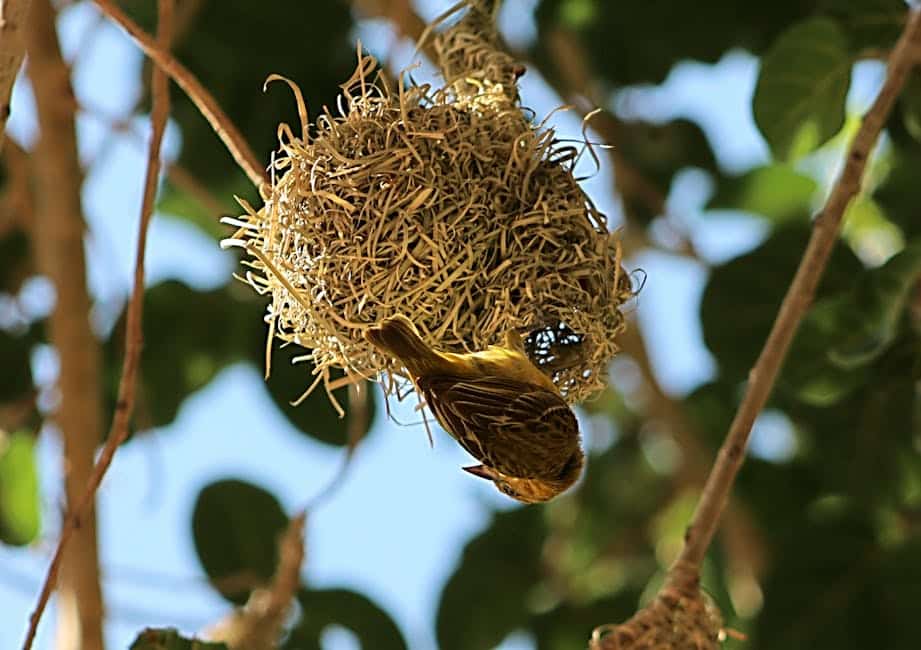
| Weaver Birds | Weave complex nests | Improve with practice |
| Robins | Use twigs instinctively | Choose better sites over time |
| Swallows | Build mud nests automatically | Adapt to new environments |
Species Variations
Birds build nests to protect their eggs and young. Different species show many ways to build nests. Some nests are simple, while others are very complex. These differences come from their needs and habitats.
Learning plays a role in how birds build nests. Some species learn from experience or from other birds. This learning changes the way nests are made across species.
Simple Nests Vs Complex Nests
Some birds build simple nests, like a small cup of twigs or grass. Others build complex nests with many layers or special shapes. The type depends on the bird’s environment and needs.
- Simple nests are quick to build and use basic materials.
- Complex nests take longer and use many materials.
- Complex nests may protect better from weather and predators.
- Simple nests are common in species with short breeding times.
Cultural Transmission In Birds
Cultural transmission means birds learn behaviors from others. Some birds watch parents or neighbors to learn nest building. This learning spreads new skills across groups.
| Bird Species | Learning Method | Effect on Nesting |
| Weaver Birds | Watching parents | Improved weaving skills |
| Crows | Imitating peers | Use of new materials |
| Swallows | Following group | Better site choice |
Examples Of Learned Nesting
Some birds do not build perfect nests the first time. They learn by trying and improving. Watching others helps them get better with each season.
- Young weaver birds copy their parents’ weaving patterns.
- Crows learn to use man-made items in nests by watching others.
- Swallows improve nest placement by following experienced birds.
- Some birds adjust nest size and shape based on past success.

Credit: www.youtube.com
Environmental Influences
Birds build nests to protect their eggs and young ones. This behavior is affected by the environment around them. Different places and conditions change how birds build nests.
Learning how to build nests is not only about instinct. Birds also watch and adapt to their surroundings. This helps them survive in changing habitats.
Adaptation To Habitat Changes
Birds change their nest building when their homes change. If trees disappear, they may use bushes or man-made structures. This shows they learn from their environment.
Some birds use new materials found nearby. They might add plastic or cloth to their nests. This helps protect their eggs better than before.
Impact Of Urbanization
City growth affects where birds build nests. Noise, lights, and people make birds find safer places. Many birds now nest on buildings and bridges.
Urban birds learn to avoid busy streets. They choose quieter spots with less danger. This shows nest building can change with city life.
- Use of man-made materials like wires and cloth
- Nesting on buildings, roofs, and streetlights
- Avoiding noisy or crowded areas
Nest Building And Climate
Weather affects how birds build nests. In cold places, nests are thicker to keep eggs warm. In hot areas, nests allow more air flow to cool the eggs.
Birds may change nest timing based on seasons. They learn the best time to build so eggs hatch safely. Climate changes force birds to adjust quickly.
- Thicker nests in colder climates
- Open nests in warmer areas for cooling
- Timing nest building with seasonal weather
Surprising Nesting Facts
Birds build nests to protect their eggs and young ones. Nesting is often thought to be instinctive. Yet, some behaviors show learning plays a role.
Many birds use surprising materials and work together in unique ways. They also can fix mistakes during nesting. Let’s explore some unusual nesting facts.
Unusual Nest Materials
Birds use many strange things to make their nests. Some items are not what you expect. These choices can depend on what is nearby or what helps keep the nest safe.
- Plastic pieces and wrappers
- Hair and feathers from other animals
- Bits of paper and cloth
- Spider webs to hold parts together
- Twigs mixed with mud or saliva
Collaborative Nesting
Some birds join forces to build nests. This teamwork helps them build larger and stronger homes. It also protects their young from predators.
| Bird Species | Collaborative Behavior | Benefit |
|---|---|---|
| Weaver Birds | Group weaving | Stronger nests |
| Florida Scrub-Jays | Help with feeding chicks | Higher chick survival |
| Acorn Woodpeckers | Shared tree cavities | Better defense |
Nesting Mistakes And Recovery
Birds sometimes make errors while building nests. They might choose weak spots or use poor materials. Many can fix these mistakes before laying eggs.
- Remove broken twigs or loose materials
- Add new layers for extra strength
- Switch location if the site feels unsafe
- Work together to repair damaged sections

Credit: www.numberanalytics.com
Frequently Asked Questions
Is Nest Building Instinct Or Learned Behavior In Birds?
Nest building in birds is primarily instinctual. Birds inherit this skill genetically, but they can improve techniques through experience and observation.
Do Young Birds Learn Nest Building From Parents?
Young birds mostly rely on instinct for building nests. However, watching parents can help them refine their nest construction skills over time.
How Do Birds Know What Materials To Use For Nests?
Birds instinctively select materials based on texture and availability. Experience and environment also influence their choice for optimal nest safety and comfort.
Can Birds Improve Nest Building With Practice?
Yes, birds can enhance nest building through repeated attempts. Practice helps them build stronger, safer nests suited to their environment.
Conclusion
Birds building nests show fascinating behaviors. Some are instinctive, others learned. Both nature and nurture play roles. Young birds often observe and learn from adults. Environment influences building techniques. Survival depends on adapting skills. Birds demonstrate remarkable intelligence in nesting.
This behavior is essential for species continuation. Observing them teaches us about nature. It highlights the balance of learned and instinctive actions. Birds continue to intrigue scientists and enthusiasts alike. Their nesting habits offer insights into avian life. A delicate blend of learning and instinct.
Truly a marvel of nature’s design.