
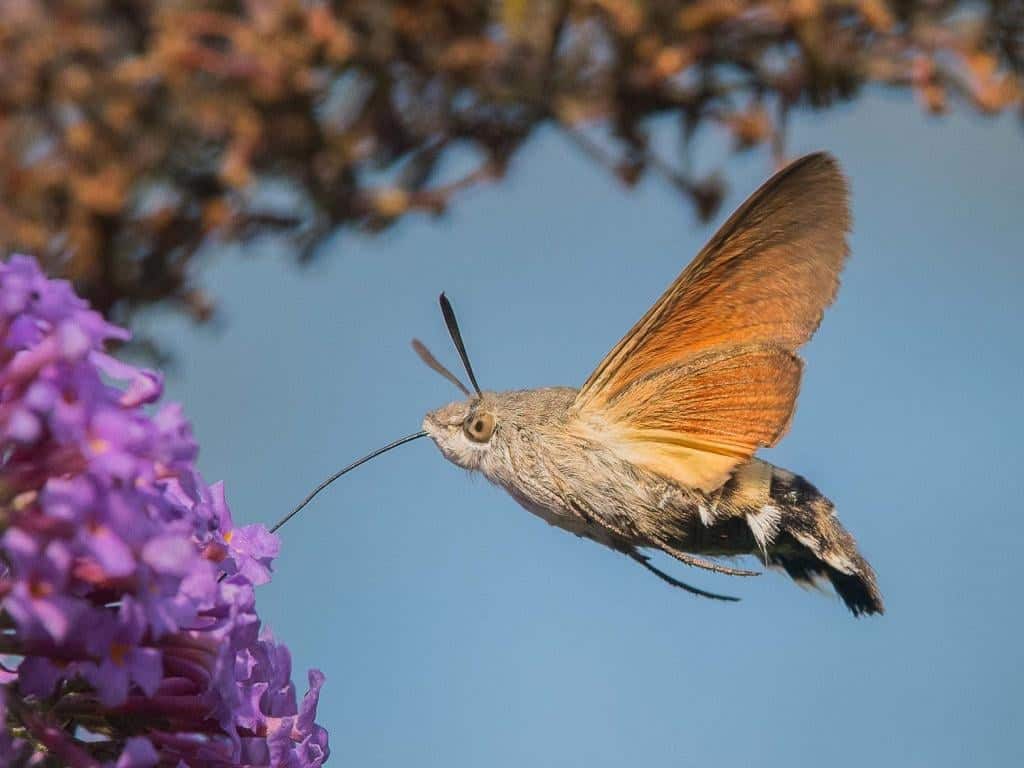
Have you ever watched a tiny creature dart quickly from flower to flower, its wings beating so fast they almost blur? You might wonder, is that a bird or an insect?
If you’ve asked yourself, “Is a hummingbird a bird or an insect? ” you’re not alone. This little marvel looks so delicate and fast, it’s easy to get confused. But understanding what a hummingbird really is will surprise you—and change the way you see these amazing creatures.
Keep reading, and you’ll discover fascinating facts that will clear up the mystery once and for all.

Credit: www.wildlifenomads.com
Hummingbird Basics
Hummingbirds are small animals known for their fast wing movements. Many people wonder if they are birds or insects.
They belong to the bird family, not insects. Their features and behavior show they are true birds.
Physical Features
Hummingbirds have feathers, beaks, and wings like other birds. Their bodies are tiny and light.
They have strong chest muscles to flap their wings quickly. Their long beaks help them reach nectar in flowers.
- Feathers cover their bodies
- Sharp, pointed beaks for feeding
- Small size, usually 3 to 5 inches long
- Strong muscles for fast wing beats
Flight Patterns
Hummingbirds can hover in place by flapping their wings very fast. They can also fly backwards and sideways.
Their unique flying ability helps them gather nectar from flowers while staying still in the air.
- Hovering by rapid wing movement
- Flying backwards and sideways
- Can fly very fast in short bursts
- Use flight to avoid predators and find food
Insect Characteristics
Many people wonder if a hummingbird is a bird or an insect. Hummingbirds are small, fast, and colorful. Some of their features look like insects.
Insects have special traits like body parts, wings, and life cycles. We will look at insect characteristics to compare with hummingbirds.
Body Structure
Insects have three main body parts: head, thorax, and abdomen. They have six legs and no bones. Their bodies are covered by a hard shell called an exoskeleton.
Hummingbirds have bones and feathers. They have two legs and a head, body, and tail. Their body is soft compared to insects.
- Insects: three body parts, six legs, exoskeleton
- Hummingbirds: bones, feathers, two legs
Wing Types
Insects usually have two pairs of wings. Their wings are thin and made of a membrane. Wings move by muscles attached to the thorax.
Hummingbirds have two wings with feathers. Their wings are strong and shaped for fast flying and hovering. They flap wings very fast.
- Insects: four membranous wings, muscle-controlled
- Hummingbirds: two feathered wings, strong for hovering
Life Cycle
Insects go through stages: egg, larva, pupa, and adult. This is called complete metamorphosis. Some insects have simpler changes.
Hummingbirds hatch from eggs and grow into adults. They do not have larva or pupa stages. Their growth is direct and simple.
| Life Stage | Insects | Hummingbirds |
|---|---|---|
| Egg | Yes | Yes |
| Larva | Yes (in some insects) | No |
| Pupa | Yes (in some insects) | No |
| Adult | Yes | Yes |
Bird Characteristics
Hummingbirds are often confused with insects because of their small size and quick movements. They are actually birds. They share many features that all birds have.
Understanding these features helps us see why hummingbirds belong to the bird family and not insects.
Feathers And Beaks
Hummingbirds have feathers covering their bodies. Feathers help birds fly and keep warm. Insects do not have feathers.
Their beaks are long and thin. They use their beaks to reach nectar inside flowers. Insects have mouthparts, but not beaks like birds.
Skeletal Structure
Hummingbirds have a strong skeleton made of bones. Their bones are lightweight but sturdy for flying. Insects have exoskeletons, which are hard outer shells.
The hummingbird’s skeleton includes a backbone and wings with bones. This supports their flight and movement.
Reproduction
Hummingbirds lay eggs to reproduce. They build small nests to keep their eggs safe. Insects usually lay many eggs without nests.
The mother hummingbird takes care of the eggs until they hatch. This care is common in birds but not in insects.

Credit: www.wildlifenomads.com
Comparing Hummingbirds And Insects
Many people wonder if hummingbirds are birds or insects. Both are small and can fly fast. They look similar at a quick glance.
This article compares hummingbirds and insects by their body structure, behavior, and where they live.
Anatomical Differences
Hummingbirds have feathers and bones. Insects have hard exoskeletons and no bones inside. Hummingbirds have beaks and wings with feathers.
Insects have six legs and wings made of thin membranes. Hummingbirds have two legs and two wings with feathers. Their body parts show clear differences.
- Hummingbirds have bones and feathers.
- Insects have exoskeletons and no bones.
- Hummingbirds have beaks; insects have mouthparts.
- Insects have six legs; hummingbirds have two.
Behavioral Traits
Hummingbirds hover by flapping their wings rapidly. Insects like bees and flies also hover but use different wing motions. Hummingbirds drink nectar with a long tongue.
Insects use mouthparts to eat nectar or other food. Hummingbirds build nests and care for their young. Most insects lay eggs and do not care for their babies.
- Hummingbirds hover using fast wing beats.
- Insects hover with different wing movements.
- Hummingbirds use a tongue to sip nectar.
- Insects use mouthparts to feed.
- Hummingbirds raise their young.
- Most insects do not care for their young.
Habitat Preferences
Hummingbirds live mostly in the Americas. They prefer gardens, forests, and areas with flowers. They need places to find nectar and build nests.
Insects live almost everywhere on Earth. Some insects live in water, soil, or plants. Their habitats are more varied than hummingbirds.
- Hummingbirds live mainly in the Americas.
- They prefer areas with many flowers.
- Insects live all over the world.
- Insects can live in water, soil, or plants.
- Insect habitats are more diverse than hummingbirds’.
Common Misconceptions
Many people wonder if a hummingbird is a bird or an insect. The confusion comes from how fast they move and their size. This leads to some common wrong ideas about hummingbirds.
It is important to clear up these ideas so people understand what hummingbirds really are. This helps us appreciate these amazing creatures better.
Why Hummingbirds Are Confused With Insects
Hummingbirds are often mistaken for insects because they are very small and can hover in one spot. Their quick wing beats create a buzzing sound like many insects. This makes people think they are bugs rather than birds.
Also, hummingbirds move very fast and can change direction quickly. This movement is similar to how some insects fly. Their size and speed add to the confusion.
Myths And Facts
Many myths exist about hummingbirds. Some say hummingbirds are insects because of their size. Others believe they do not have bones. These are not true and can be explained by facts.
Hummingbirds are real birds. They have feathers, bones, and a beak. They belong to the bird family and are not insects in any way.
- Myth:Hummingbirds are insects because they buzz.
- Fact:The buzz comes from their fast wing beats, but they are birds.
- Myth:Hummingbirds do not have bones.
- Fact:They have lightweight bones like other birds.
- Myth:Hummingbirds can crawl like insects.
- Fact:Hummingbirds do not crawl; they only fly.
Scientific Classification
Many people wonder if a hummingbird is a bird or an insect. To answer this, we look at scientific classification. This helps us understand where hummingbirds fit in nature.
Classification shows the differences and similarities between animals. It uses categories like kingdom, class, and order. This section explains the taxonomy of hummingbirds and how insects are classified.
Taxonomy Of Hummingbirds
Hummingbirds belong to the animal kingdom and are classified as birds. They have feathers, wings, and lay eggs. Their scientific classification is detailed below.
| Category | Classification |
| Kingdom | Animalia |
| Phylum | Chordata |
| Class | Aves |
| Order | Apodiformes |
| Family | Trochilidae |
| Common Name | Hummingbird |
Insect Classification
Insects belong to a different group than birds. They have six legs, three body parts, and an exoskeleton. Their classification shows they are not birds.
- Kingdom: Animalia
- Phylum: Arthropoda
- Class: Insecta
- Body Parts: Head, thorax, abdomen
- Legs: Six
- Wings: Usually two pairs
Role In Ecosystem
Hummingbirds are small birds known for their fast wing movement. They play an important role in nature.
These birds help plants grow and support other animals in their environment.
Pollination
Hummingbirds spread pollen from flower to flower while they drink nectar. This helps plants make seeds and fruit.
Many flowers rely on hummingbirds because their shape fits the bird’s long beak well.
- Hummingbirds visit many flowers every day
- Pollen sticks to their feathers and beaks
- This pollen helps plants reproduce
- Healthy plants support insects and animals
Food Chain Position
Hummingbirds eat nectar, small insects, and spiders. They are both prey and predator in the food chain.
They help control insect numbers and provide food for bigger animals like hawks.
- Hummingbirds eat insects and spiders
- They get energy from flower nectar
- Bigger birds and animals hunt hummingbirds
- This keeps the ecosystem balanced

Credit: news.prairiepublic.org
Frequently Asked Questions
Is A Hummingbird Classified As A Bird Or Insect?
A hummingbird is a bird, not an insect. It belongs to the family Trochilidae. It has feathers, wings, and a beak, unlike insects.
How Can You Tell A Hummingbird From An Insect?
Hummingbirds have feathers and lay eggs like birds. Insects have exoskeletons and multiple legs. Hummingbirds also have a beak and a heart.
Why Do Hummingbirds Hover Like Insects?
Hummingbirds hover by rapidly flapping their wings. This unique ability helps them feed on nectar from flowers, similar to some insects but they remain birds.
Do Hummingbirds Have Wings Like Insects?
Hummingbirds have wings, but unlike insects, they have feathers and bones. Their wings move in a figure-eight pattern to hover and fly efficiently.
Conclusion
Hummingbirds are fascinating creatures. They are indeed birds, not insects. Their swift movements and vibrant colors often confuse people. These tiny birds play a vital role in pollination. They hover like insects but have feathers and beaks. Their wings beat rapidly, creating a humming sound.
This unique ability sets them apart. Hummingbirds are a wonder of nature. Observing them can be a delightful experience. Next time you see one, remember its true identity. A bird, not an insect. Their existence enriches our natural world. Enjoy the beauty they bring to our environment.



