Are you worried about the health of your birds? You might have heard about avian cholera and wondered if it can spread from one bird to another.
Understanding whether avian cholera is contagious is crucial to protecting your flock and preventing an outbreak. You’ll discover how this disease spreads, what signs to watch for, and the best ways to keep your birds safe. Keep reading to learn exactly what you need to know to safeguard your feathered friends.
What Is Avian Cholera
Avian cholera is a serious disease that affects birds. It spreads quickly and can kill many birds fast.
The disease is caused by a type of bacteria called Pasteurella multocida. It mostly harms wild waterfowl and poultry.
Is Avian Cholera Contagious?
Yes, avian cholera is contagious. Birds can pass the disease to each other through contact.
The bacteria spread in water, food, and bird droppings. Birds get sick by touching or eating these.
- Birds share water sources that may have bacteria
- Eating infected birds or their droppings spreads the disease
- Contact with sick birds or their feathers can infect healthy birds
How Does Avian Cholera Affect Birds?
Avian cholera causes sudden illness and death in birds. It can affect many birds in a flock quickly.
Symptoms include weakness, diarrhea, and breathing problems. Birds may die within hours after showing signs.
Where Does Avian Cholera Occur?
The disease happens worldwide but is common in wet areas. Birds in lakes, ponds, and marshes get it often.
It affects both wild birds and farm birds. Outbreaks can happen anytime, especially in crowded places.

Credit: onlinelibrary.wiley.com
How Avian Cholera Spreads
Avian cholera is a disease that affects many bird species. It spreads quickly and can cause large bird deaths.
Understanding how the disease spreads helps in stopping outbreaks. Birds, their environment, and water all play a role.
Transmission Among Birds
Birds catch avian cholera by direct contact with sick birds. Fighting, feeding, and close living increase the risk.
- Birds touch each other’s feathers or skin
- They share food and water sources
- Birds inhale or swallow bacteria from sick birds
- Dead birds can infect others if touched
Environmental Factors
Weather and habitat affect how avian cholera spreads. Warm and wet places help bacteria survive longer.
| Factor | Effect on Spread |
| Temperature | Warmth helps bacteria grow |
| Rainfall | Wet areas spread bacteria easily |
| Bird density | More birds mean faster spread |
| Sanitation | Poor cleanliness increases risk |
Role Of Contaminated Water
Water is a major way avian cholera moves between birds. Birds drink and bathe in water with bacteria.
Contaminated water sources can include:
- Lakes and ponds where many birds gather
- Streams and rivers near bird colonies
- Water troughs and feeders used by wild or farm birds
Species Most At Risk
Avian cholera is a disease that spreads quickly among birds. It affects many species, but some are more likely to catch it.
The bacteria causing this disease can be very harmful. It spreads through contact with infected birds or their environment.
Wild Birds
Many wild bird species get avian cholera. Waterfowl like ducks and geese catch it often. They gather in large groups, which helps the disease spread.
Other wild birds at risk include gulls and shorebirds. They can get infected by drinking contaminated water or eating sick animals.
- Ducks
- Geese
- Gulls
- Shorebirds
- Wild turkeys
Domestic Poultry
Domestic birds like chickens and turkeys are also at risk. Close living spaces make it easy for the disease to spread fast.
Poultry can catch avian cholera from wild birds or contaminated water. Farms with poor hygiene face higher risks.
- Chickens
- Turkeys
- Ducks raised on farms
- Quail
Credit: en.engormix.com
Symptoms In Affected Birds
Avian cholera is a serious disease that spreads quickly among birds. It causes many health problems in affected birds.
Birds with avian cholera show clear signs that help identify the illness early. Knowing these symptoms is important to control the disease.
Sudden Death
Many birds die suddenly without showing any signs. This is common in severe outbreaks of avian cholera.
Sometimes, birds appear healthy but die within hours. This sudden death is a key symptom to watch for.
Lethargy And Weakness
Affected birds often become very tired and weak. They may sit apart from others and show little movement.
Weakness can cause birds to have trouble standing or flying. This makes them easy to spot in a flock.
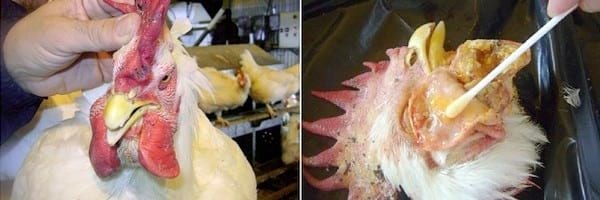
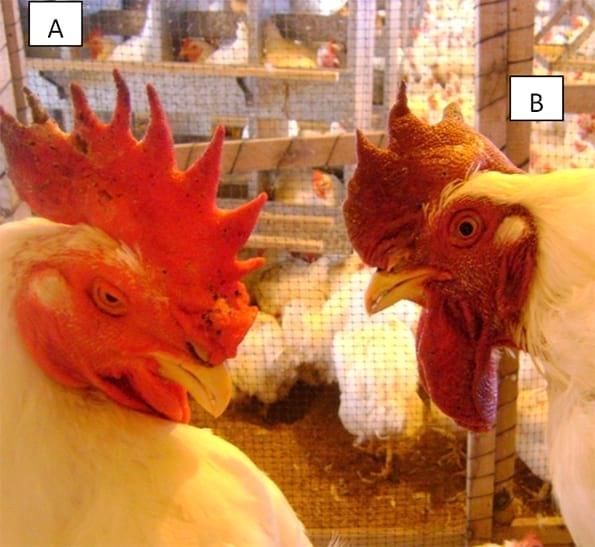
Swollen Head And Neck
Swelling around the head and neck is common in sick birds. The skin may look red and inflamed.
Swollen tissues can cause difficulty in breathing and eating for the birds.
Discharge From Eyes And Beak
Birds may have watery or thick discharge from their eyes and beak. This shows infection in the respiratory system.
- Runny eyes
- Wet or crusty beak
- Breathing sounds like wheezing
Diarrhea
Diarrhea is common in birds with avian cholera. The droppings often look watery and may have a strong smell.
Birds may also show signs of dehydration due to diarrhea.
Lesions In Mouth And Throat
Ulcers or sores may appear inside the mouth and throat. These lesions make it hard for birds to eat or drink.
These sores can bleed and become infected, worsening the bird’s condition.
Preventing Avian Cholera
Avian cholera is a disease that spreads quickly among birds. It can cause many bird deaths in a short time. Preventing this disease helps protect wild and domestic birds.
Taking simple actions can lower the chance of infection. This guide covers ways to keep birds safe from avian cholera.
Biosecurity Measures
Good biosecurity stops the disease from entering bird areas. People should clean their boots and tools before going near birds. Avoid moving sick birds or their waste to other places.
- Disinfect cages and feeders regularly
- Limit visitor access to bird habitats
- Wear protective clothing when handling birds
- Remove dead birds quickly and safely
- Keep wild and domestic birds separate
Vaccination Options
Vaccines can help birds build immunity against avian cholera. Vaccination is more common in poultry farms. It reduces the risk of large outbreaks.
| Vaccine Type | Target Birds | Protection Level |
| Inactivated Vaccine | Poultry | Moderate |
| Live Attenuated Vaccine | Poultry | High |
| Experimental Vaccines | Wild Birds | Under Study |
Habitat Management
Changing bird habitats can reduce disease spread. Avoid overcrowding birds in one area. Provide clean water and food to keep birds healthy.
Key habitat actions include:
- Drain standing water where bacteria grow
- Remove old carcasses from wetlands
- Plant native vegetation to support strong bird populations
- Control pests that can carry disease
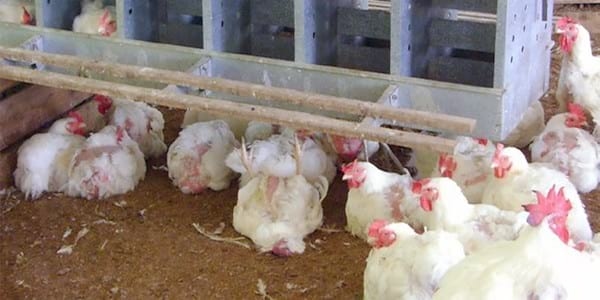
Credit: en.engormix.com
Treatment And Control
Avian cholera is a serious disease that spreads quickly among birds. Treating and controlling it helps stop outbreaks and saves bird populations.
Early action is important to reduce the spread. Both medical care and management practices work together to control the disease.
Medical Interventions
Veterinarians can use antibiotics to treat infected birds. These medicines help kill the bacteria causing avian cholera.
Treatment works best if given early. It is harder to save birds with severe symptoms.
- Use antibiotics approved for birds
- Follow dosage instructions carefully
- Monitor treated birds for side effects
- Isolate sick birds during treatment
Culling And Quarantine Practices
Culling means removing sick or dead birds to stop disease spread. It lowers the chance of healthy birds getting infected.
Quarantine keeps new or sick birds away from others. This helps control the disease inside bird groups or farms.
- Remove and safely dispose of dead birds
- Keep infected birds separate from healthy ones
- Limit movement of birds between locations
- Clean and disinfect bird areas regularly
Impact On Bird Populations
Avian cholera is a serious disease that spreads quickly among birds. It causes many birds to become sick and die.
This disease affects wild and domestic birds. It can change how bird populations grow and survive.
Rapid Spread Among Birds
Avian cholera spreads easily through contact with infected birds or their droppings. Water sources can also carry the bacteria.
Because birds often gather in groups, the infection can move fast. Large flocks face higher risks of outbreaks.
- Close contact helps spread the disease
- Shared water or food spots increase infection
- Migrating birds can carry bacteria to new areas
High Mortality Rates
Many birds die quickly after catching avian cholera. Deaths can happen in large numbers during outbreaks.
High death rates reduce bird numbers sharply. This can affect the balance of local ecosystems.
- Outbreaks may kill dozens or hundreds of birds
- Some species are more vulnerable than others
- Repeated outbreaks lower population recovery
Long-term Population Declines
Avian cholera can cause lasting drops in bird populations. This happens when deaths outpace births over time.
Smaller populations face risks like loss of genetic diversity and reduced ability to survive other threats.
- Fewer birds mean less breeding success
- Populations become fragile and less adaptable
- Some species may face local extinction
Human Health Risks
Avian cholera is a disease that mainly affects birds. It is caused by a bacteria called Pasteurella multocida. People often ask if this disease can spread to humans.
Understanding the risks to human health helps us stay safe around sick birds. This section explains those risks clearly.
Can Humans Catch Avian Cholera?
Avian cholera is very rare in humans. The bacteria mainly infect birds. People do not easily catch the disease from birds.
Infections in humans happen only if they touch sick birds or their fluids directly. The risk is low if you avoid contact with dead or sick birds.
Symptoms Of Avian Cholera In Humans
If a person gets infected, symptoms can include fever, chills, and skin sores. These signs are rare and usually mild.
Most healthy people do not get sick from this bacteria. People with weak immune systems should be more careful.
How To Protect Yourself
Avoid touching sick or dead birds. Use gloves if you must handle them. Wash your hands well afterward.
- Do not eat or touch wild birds that look sick
- Wear protective gloves when cleaning bird feeders
- Wash hands with soap after contact with birds
- Keep pets away from dead or sick birds
When To See A Doctor
See a doctor if you have touched sick birds and feel sick. Mention your contact with birds to the doctor.
Early treatment can help prevent serious illness. Doctors may give antibiotics if needed.
Frequently Asked Questions
Is Avian Cholera Contagious Among Birds?
Yes, avian cholera is highly contagious among birds. It spreads through direct contact, contaminated water, and infected carcasses, leading to rapid outbreaks.
How Does Avian Cholera Spread To Wild Birds?
Avian cholera spreads via contaminated water sources and infected bird droppings. Birds ingest the bacteria while feeding or drinking, causing infection and transmission.
Can Avian Cholera Infect Domestic Poultry?
Yes, domestic poultry can contract avian cholera. Close contact with wild birds or contaminated environments increases the risk of transmission and outbreaks.
What Are Common Symptoms Of Avian Cholera In Birds?
Infected birds show lethargy, diarrhea, swollen wattles, and sudden death. Early detection helps manage outbreaks and minimize bird mortality.
Conclusion
Avian cholera spreads easily among birds. It threatens bird populations worldwide. Understanding its transmission helps protect wildlife. Quick detection is crucial. It limits the disease’s impact. Prevention requires monitoring bird health. Human activities can influence its spread. Awareness and action are key.
Keeping habitats clean helps control outbreaks. Bird enthusiasts should stay informed. Reporting sick birds aids research. Together, efforts can reduce avian cholera’s reach. Protecting birds benefits the entire ecosystem. Let’s work to safeguard these creatures. Their survival depends on collective responsibility.