

Have you ever wondered if the bird seed you put out is actually good for the birds visiting your garden? You want to help these beautiful creatures thrive, but sometimes what seems helpful might not be the best choice.
What if the seed you’re offering could harm them instead of nourishing them? Keep reading, because understanding what’s really in bird seed and how it affects your feathered friends could change the way you feed them forever. This knowledge could make your backyard a safer, healthier place for birds to visit again and again.
Common Bird Seeds And Their Nutritional Value
Bird seeds are a major food source for many wild and pet birds. Different seeds offer different nutrients that affect bird health.
Understanding the types of seeds and their nutrition helps you feed birds better. Some seeds are good, while others may lack important nutrients.
Popular Seeds In Bird Feed
Black oil sunflower seeds are very popular. They have thin shells, so many birds can eat them easily.
Millet is small and light. It is often found in mixed seed blends for smaller birds like finches and sparrows.
Safflower seeds are white and hard. Birds like cardinals and grosbeaks enjoy them, but not all birds can crack the shell.
Nyjer seeds are tiny and black. They are high in oil and energy. Finches love nyjer seeds, but bigger birds often ignore them.
Nutritional Benefits And Drawbacks
Sunflower seeds provide good fats and protein. They help birds stay energetic, especially in cold weather.
- High in fat and protein
- Supports energy and growth
- Thin shell is easy to eat
Millet is rich in carbohydrates and easy to digest. It is a good energy source for small birds but low in fats and proteins.
- Good carbohydrate source
- Low in fat and protein
- Best for small seed-eaters
Safflower seeds contain fats and protein but have a tough shell. Some birds dislike the taste, so it may not attract all species.
- Contains fats and protein
- Tough shell limits some birds
- Not liked by all species
Nyjer seeds are high in oil and energy. They help small birds keep warm, but larger birds may waste this seed.
- Very high in oil and energy
- Great for finches and small birds
- Less useful for bigger birds
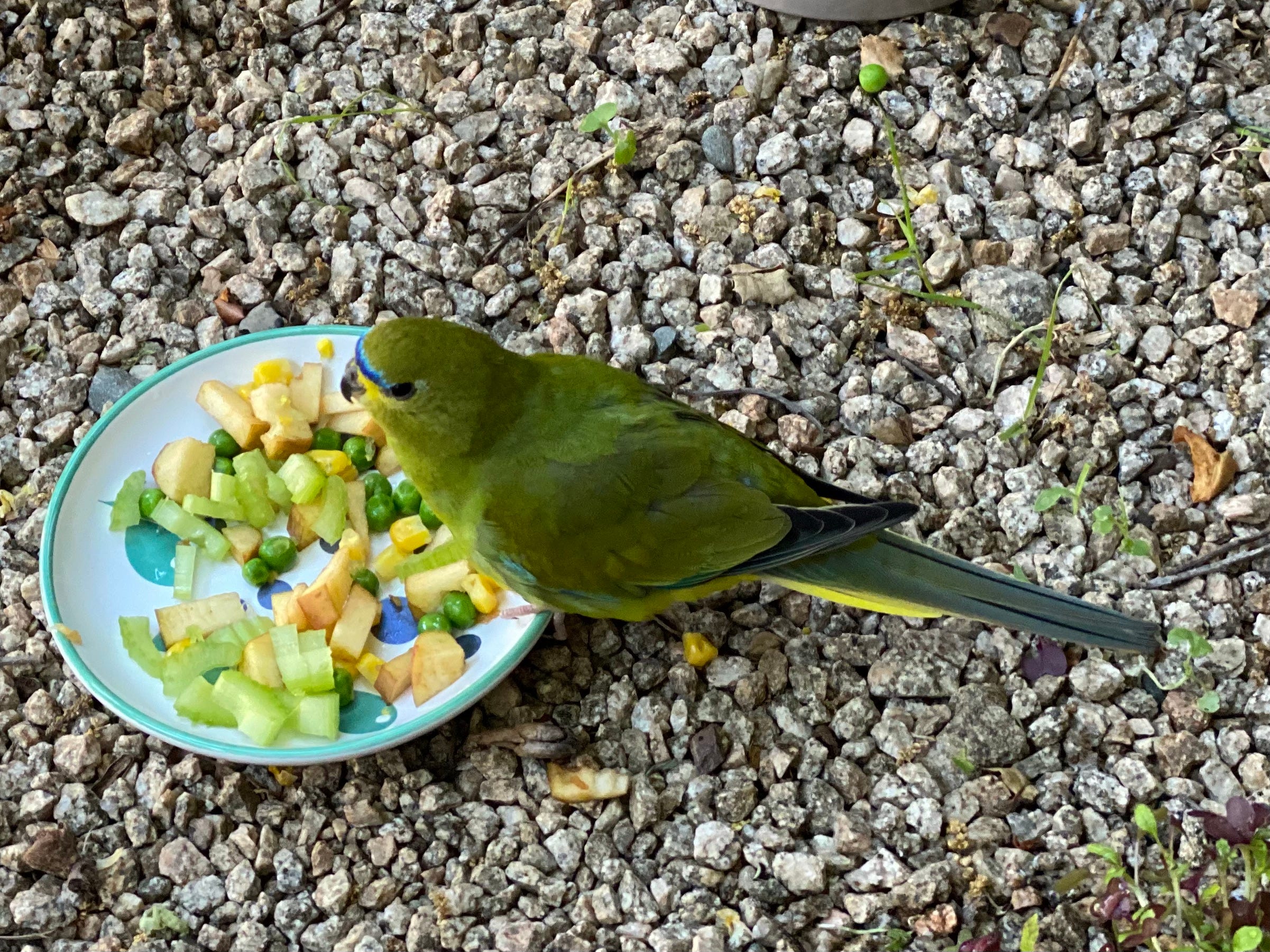
Credit: freerangeparrots.org
Potential Risks Of Feeding Birds Seed
Many people enjoy feeding birds with seeds. It seems like a good way to help them. But seed diets can cause problems for birds over time. It is important to know the risks before feeding birds seed.
Birds need a balanced diet to stay healthy. Feeding only seeds can lead to health issues. Also, seeds can become contaminated or moldy. These risks can harm birds in many ways.
Health Issues Linked To Seed Diets
Seeds alone do not provide all the nutrients birds need. A diet high in seeds can cause malnutrition. Birds may develop vitamin and mineral deficiencies. This can weaken their immune system and bones.
- Vitamin A deficiency can cause poor feather growth.
- Calcium deficiency may lead to weak bones.
- High fat content in seeds can cause obesity.
- Lack of variety may reduce energy and vitality.
Contamination And Mold Concerns
Bird seed can become contaminated with bacteria and fungi. Mold grows easily on old or damp seed. Mold can produce toxins harmful to birds. Eating moldy seed can cause illness or death.
| Contaminant | Effect on Birds |
| Mold | Respiratory problems and poisoning |
| Bacteria | Infections and digestive issues |
| Insects | Seed damage and contamination |
| Fungi | Toxin production and disease |
How Seed Mixes Affect Different Bird Species
Bird seed mixes can attract many types of birds to your yard. Different birds prefer different seeds. Choosing the right mix helps support local wildlife.
Some seeds are good for certain birds but not for others. Understanding these preferences can improve your feeding habits.
Seed Preferences By Bird Type
Songbirds like finches and chickadees enjoy small seeds like nyjer and millet. Larger birds prefer bigger seeds such as sunflower and safflower.
Ground-feeding birds often eat cracked corn and milo. Avoid feeding birds seeds they don’t prefer, as it may waste food and attract pests.
- Finches: nyjer, thistle, small millet
- Sparrows: millet, cracked corn
- Cardinals: sunflower, safflower
- Doves: cracked corn, milo
- Woodpeckers: sunflower, peanuts
Impact On Wild Bird Populations
Offering the right seed mixes supports healthy bird populations. Good nutrition helps birds survive harsh weather and raise their young.
Poor seed choices can harm birds. Seeds that spoil quickly may cause illness. Feeding only one type of seed can reduce diet variety and weaken birds.
- Proper seed mixes promote bird health and growth
- Fresh seeds lower disease risks
- Varied diet supports strong immune systems
- Feeding native seeds helps local bird species thrive
Alternatives To Traditional Bird Seed
Bird seed is a common food for backyard birds. Some seeds lack key nutrients birds need.
Choosing alternatives can help birds stay healthy and active. There are simple options you can try.
Nutrient-rich Food Options
Birds benefit from foods rich in proteins, fats, and vitamins. These help with energy and growth.
- Unsalted peanuts provide healthy fats and protein.
- Sunflower seeds are high in oil and easy to eat.
- Suet cakes offer energy during cold months.
- Fresh fruit pieces like apples and berries give vitamins.
- Mealworms supply extra protein for insect-eating birds.
Homemade Bird Feed Recipes
Making your own bird feed lets you control ingredients and freshness. It is simple and cost-effective.
| Recipe | Main Ingredients | Benefits |
| Nutty Mix | Peanuts, sunflower seeds, oats | High in protein and energy |
| Fruit & Seed Blend | Dried berries, millet, chopped apples | Rich in vitamins and fiber |
| Suet Balls | Rendered fat, cornmeal, chopped nuts | Energy-packed for cold days |
Tips For Safe And Healthy Bird Feeding
Feeding birds can be a fun way to enjoy nature up close. It is important to feed them safely and keep them healthy.
Choosing the right food and feeding properly helps birds stay strong and avoid harm.
Choosing Quality Seed Mixes
Not all bird seeds are good for birds. Some mixes have fillers that birds do not eat. These can cause waste and attract pests.
Pick seed mixes made from natural, high-quality seeds. Look for blends that suit the birds in your area.
- Choose seeds like black oil sunflower or millet
- Avoid mixes with a lot of cracked corn or filler grains
- Use fresh seed that is dry and free from mold
Proper Feeding Practices
Keep feeding areas clean to prevent disease. Wet or old seed can harm birds. Change seed often to keep it fresh.
Place feeders where birds can eat safely. Avoid spots where cats or other predators can hide.
- Clean feeders regularly with soap and water
- Remove uneaten seed to stop mold growth
- Feed smaller amounts often rather than large piles
- Put feeders in open areas for bird safety
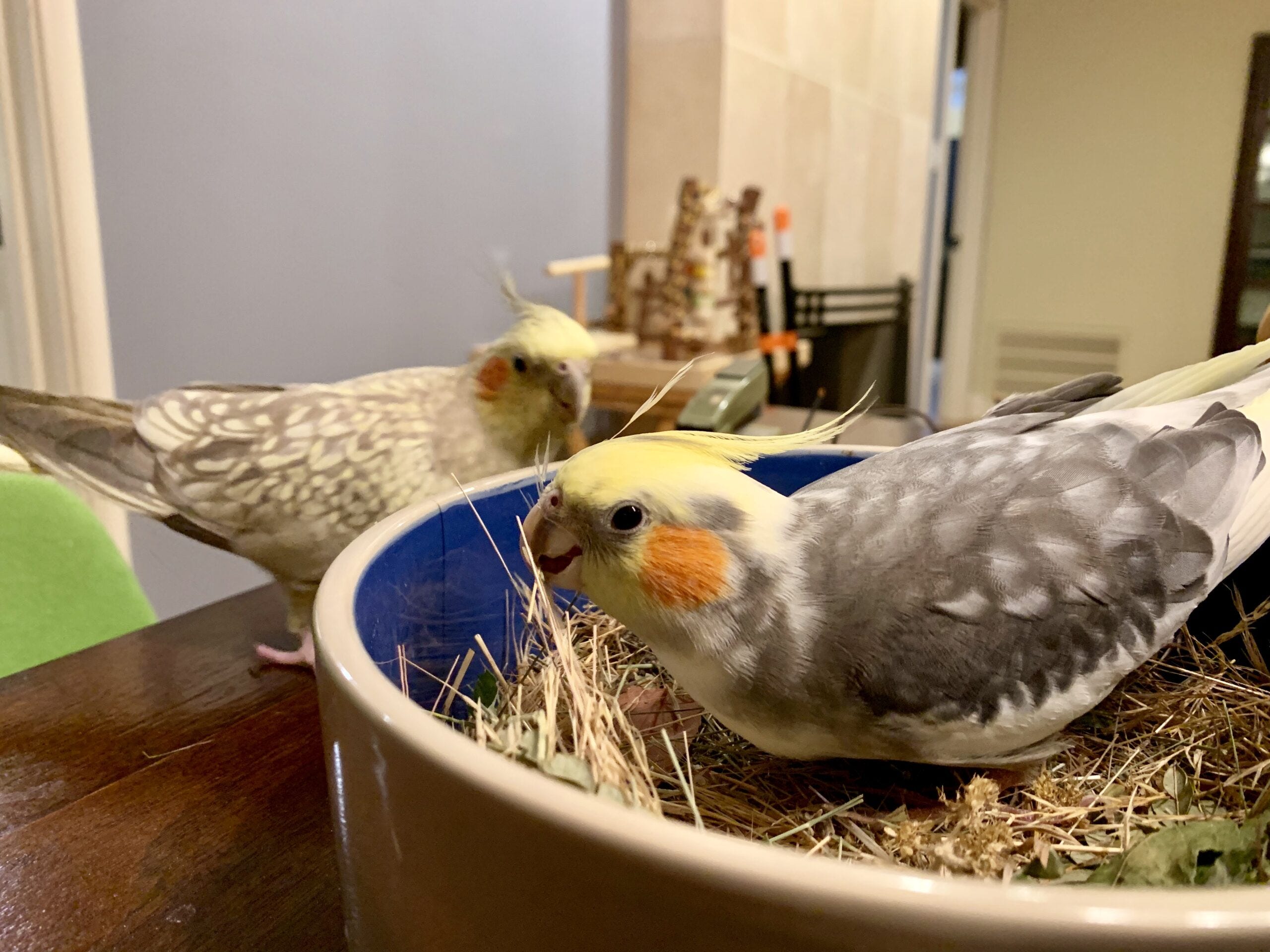
Credit: freerangeparrots.org

Credit: www.reddit.com
Frequently Asked Questions
Is Bird Seed Harmful To Wild Birds?
Bird seed is generally safe for wild birds when fresh and clean. Moldy or old seed can cause illness. Proper storage and regular cleaning of feeders prevent harm. Avoid seeds treated with pesticides or chemicals, as they can be toxic to birds.
Can Eating Bird Seed Cause Bird Diseases?
Contaminated bird seed can spread diseases among birds. Moldy or damp seed promotes fungal growth, leading to infections. Clean feeders and use fresh seed to reduce disease risk. Regular feeder maintenance is essential to keep birds healthy.
What Types Of Bird Seed Are Best For Birds?
Black oil sunflower seeds attract many bird species due to high fat content. Nyjer seeds are ideal for finches. Avoid low-nutrient fillers like millet if possible. Providing a variety of seeds supports diverse bird populations.
How Often Should I Clean Bird Seed Feeders?
Clean bird seed feeders every two weeks or more often in wet weather. Frequent cleaning prevents mold, bacteria, and disease buildup. Use warm soapy water and rinse thoroughly before refilling. Proper hygiene supports bird health and feeder longevity.
Conclusion
Bird seed isn’t always bad for birds. Quality matters a lot. Poor-quality seeds can harm birds. Choose fresh, clean seeds for safety. Check ingredients carefully. Some seeds lack nutrients. Birds need a balanced diet. Offer variety to keep them healthy.
Watch for mold or pests in seed storage. Clean feeders often to prevent disease. Support bird health with proper care. Observing these steps benefits our feathered friends. Let’s keep our birds happy and thriving. Encourage a safe environment for them to enjoy.



