

Have you ever caught your dog sniffing around the bird feeder and wondered, “Is bird seed dangerous for dogs?” It’s a common question for pet owners who want to keep their furry friends safe. While bird seed might seem harmless, it can actually pose risks to your dog’s health.
You’ll discover what makes bird seed potentially harmful, the signs to watch out for, and how to protect your dog from any danger. Keep reading to make sure your curious pup stays happy and safe.
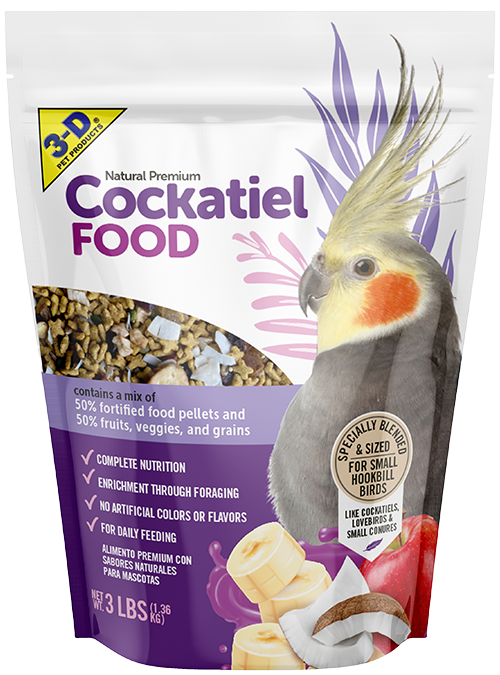
Credit: www.3dpetproducts.com
Bird Seed Ingredients
Bird seed mixes contain many ingredients. These ingredients can affect dogs if they eat the seed.
Knowing what is in bird seed helps understand the risks for dogs. Some seeds are safe, while others can cause issues.
Common Seeds In Bird Feed
Bird seed often includes different types of seeds. Some are healthy for birds but not for dogs. Below is a list of common seeds found in bird feed.
- Sunflower seeds
- Millet
- Safflower seeds
- Nyjer (thistle) seeds
- Cracked corn
- Peanuts
Sunflower seeds and millet are usually safe for dogs in small amounts. Peanuts may cause allergies. Corn can upset a dog’s stomach.
Additives And Preservatives
Bird seed mixes often contain additives to keep seeds fresh and free from mold. These can be harmful to dogs if eaten.
| Additive | Purpose | Risk to Dogs |
| Mold inhibitors | Prevent mold growth | Can cause stomach upset |
| Artificial colors | Improve appearance | May cause allergies |
| Preservatives | Extend shelf life | Some are toxic |
| Salt | Flavor enhancer | Too much can be toxic |
It is best to keep bird seed away from dogs. Even small amounts of additives can cause health problems.
Credit: www.3dpetproducts.com
Toxicity Risks For Dogs
Bird seed may seem harmless, but it can cause problems for dogs. Some seeds and plants in bird feed are toxic to them. Dogs may eat bird seed from feeders or spilled seeds on the ground.
It is important to know which seeds and plants can harm dogs. Knowing the risks helps keep your dog safe from poisoning or allergic reactions.
Harmful Seeds And Plants
Some seeds in bird feed can be toxic to dogs. For example, sunflower seeds are usually safe, but some others are not. Certain plants mixed with bird seed can also be dangerous.
- Mildewed or moldy seeds can cause stomach problems.
- Milkweed seeds are toxic and may cause vomiting.
- Foxglove and nightshade plants are very poisonous if ingested.
- Seeds treated with pesticides can be harmful.
It is best to keep dogs away from bird feeders and spilled seeds. If your dog eats any unknown seeds or plants, watch for signs of illness.
Potential Allergic Reactions
Bird seed can cause allergic reactions in some dogs. Allergies may happen if the dog eats seeds or breathes in dust from the seed mix.
- Itchy skin or redness
- Swelling around the face or paws
- Vomiting or diarrhea
- Coughing or sneezing
If you notice any allergic symptoms, remove the dog from the area. Contact a vet quickly to get proper care for your pet.
Health Issues From Ingestion
Bird seed can cause health problems if dogs eat it. Some ingredients may upset their stomachs. It is important to watch for signs of illness.
This article explains health risks linked to bird seed ingestion. Learn about common problems and what to do.
Gastrointestinal Problems
Eating bird seed may cause stomach pain, vomiting, or diarrhea in dogs. Some seeds can irritate their digestive system. Dogs might also lose appetite or feel weak.
- Vomiting and nausea
- Diarrhea or loose stools
- Abdominal pain or bloating
- Loss of appetite
- Dehydration from fluid loss
If your dog shows these signs after eating bird seed, contact a vet. Early treatment can prevent serious problems.
Choking And Intestinal Blockages
Bird seeds are small but can cause choking in dogs. Seeds or husks may get stuck in the throat. Large amounts can block the intestines, which is dangerous.
| Risk | Symptoms | Action |
|---|---|---|
| Choking | Coughing, gagging, difficulty breathing | Remove object if safe, seek immediate vet help |
| Intestinal Blockage | Vomiting, abdominal pain, no bowel movements | Visit vet for diagnosis and treatment |
Signs Of Bird Seed Poisoning
Bird seed can sometimes harm dogs if they eat too much or certain types. It is important to watch for signs of poisoning. Early detection helps your dog get the care it needs quickly.
Not all bird seed ingredients are safe. Some seeds or additives can upset your dog’s system. Knowing what to look for can protect your pet’s health.
Behavioral Changes
A dog poisoned by bird seed may act differently. You might notice unusual behavior that signals distress or discomfort.
- Restlessness or pacing
- Unusual aggression or irritability
- Lethargy or lack of interest in activities
- Excessive drooling or panting
- Confusion or disorientation
Physical Symptoms To Watch
Bird seed poisoning can cause many physical signs. These symptoms help you identify if your dog needs urgent help.
| Symptom | Description |
| Vomiting | Throwing up soon after eating bird seed |
| Diarrhea | Loose or watery stools that may follow ingestion |
| Abdominal pain | Whining or guarding the stomach area |
| Tremors | Shaking or muscle twitching |
| Seizures | Uncontrolled body movements or convulsions |
| Swelling | Inflammation around the mouth or throat |
What To Do If Your Dog Eats Bird Seed
Bird seed is not made for dogs and can cause problems. If your dog eats bird seed, act quickly. Knowing what to do can keep your dog safe.
This guide explains what to do right away and when to call a vet. Follow these steps to help your dog recover fast.
Immediate Actions
First, check how much bird seed your dog ate. Some seeds are safe in small amounts but can cause stomach upset if eaten too much.
- Remove any remaining bird seed from your dog’s reach.
- Watch your dog for signs of choking or trouble breathing.
- Offer fresh water to help flush the seeds from the stomach.
- Do not make your dog vomit unless a vet tells you to.
- Keep your dog calm and quiet to avoid stress.
When To Contact A Vet
Contact a vet if your dog shows any of these signs after eating bird seed. Early help can prevent serious problems.
| Signs to Watch For | Why Contact a Vet |
| Vomiting or diarrhea | Possible digestive upset or poisoning |
| Difficulty breathing | Choking or allergic reaction |
| Excessive drooling | Oral irritation or poisoning |
| Weakness or lethargy | Signs of toxicity or illness |
| Swelling of face or mouth | Allergic reaction |
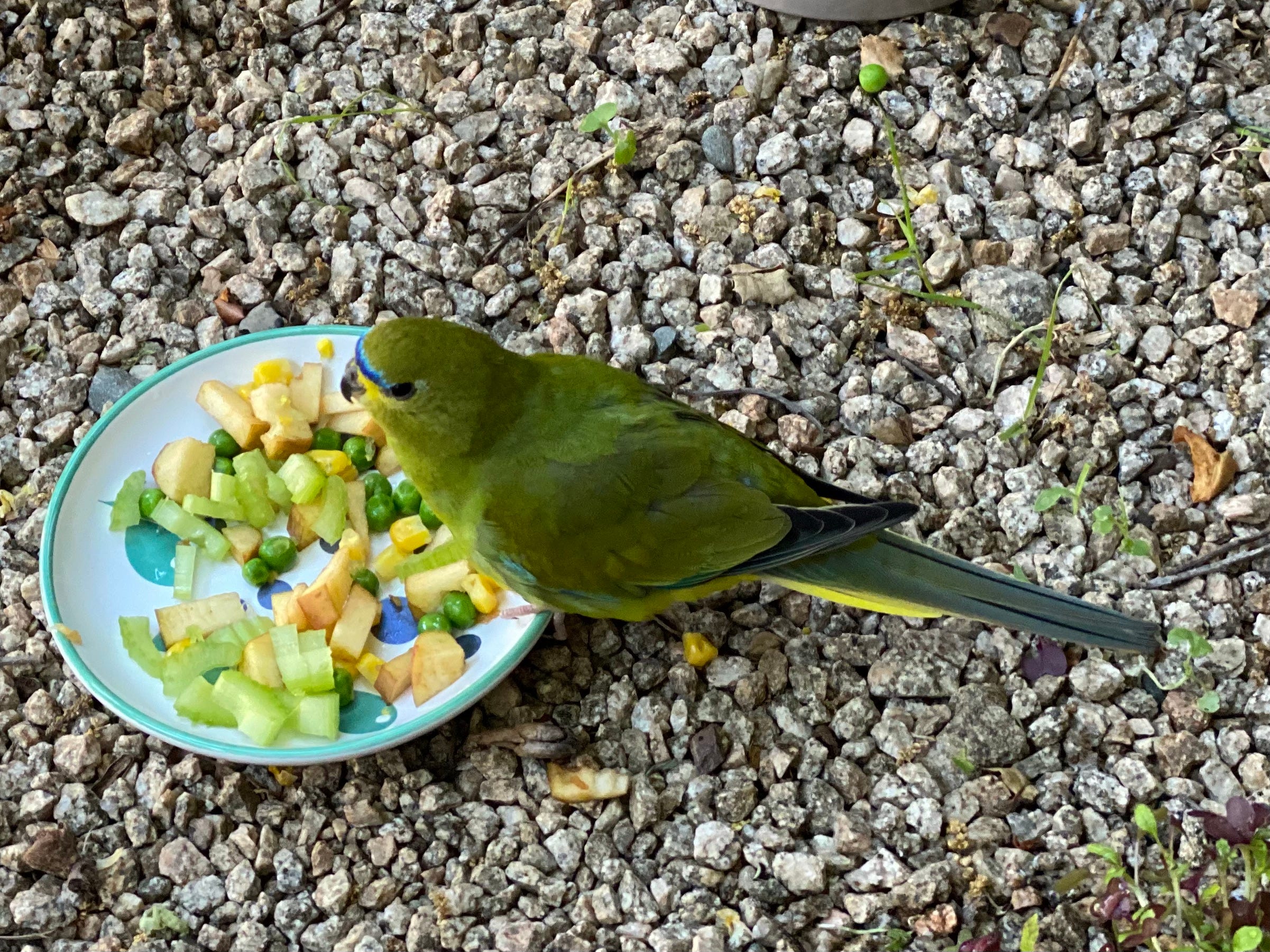
Credit: freerangeparrots.org
Preventing Access To Bird Seed
Bird seed can be harmful to dogs if eaten in large amounts. It may cause stomach upset or other health problems. Keeping bird seed away from your dog helps keep them safe and healthy.
Preventing your dog from reaching bird seed is important. You can use simple steps to stop your dog from eating bird seed around the house or yard.
Safe Storage Tips
Store bird seed in containers that dogs cannot open. Use bins with secure lids to keep the seed fresh and safe. Keep these containers in places your dog cannot reach.
- Use airtight plastic or metal containers
- Store containers on high shelves or in locked cabinets
- Keep bags of bird seed off the floor
- Clean up any spilled seed immediately
Training Your Dog
Teach your dog not to eat bird seed by using clear commands. Reward your dog for obeying and ignoring the seed. Training takes time but helps keep your dog safe.
- Use commands like “leave it” or “no”
- Offer treats when your dog listens
- Watch your dog closely near bird feeders
- Redirect your dog if it tries to eat seed
Alternatives To Bird Seed For Dogs
Bird seed can be harmful to dogs. It may cause stomach upset or choking. Finding safer treats is important for your pet’s health.
Many foods and snacks suit dogs better. These options provide nutrition and fun without risks.
Safe Treats And Snacks
Choose treats that are healthy and dog-friendly. Fruits, vegetables, and specially made dog treats work well.
- Carrot sticks
- Apple slices (no seeds)
- Blueberries
- Sweet potato chews
- Commercial dog biscuits
Healthy Chewing Options
Chewing helps keep dogs’ teeth clean. Look for safe chew toys and natural bones.
| Chew Type | Benefits |
| Rubber chew toys | Durable and safe |
| Rawhide chews | Long-lasting but supervise use |
| Bully sticks | High protein and digestible |
| Frozen carrot sticks | Cooling and crunchy |
Frequently Asked Questions
Is Bird Seed Toxic To Dogs?
Bird seed itself is not toxic to dogs. However, some seeds or additives might cause mild stomach upset. Avoid seeds with added chemicals or mold, as these can harm your dog. Always monitor your pet if they accidentally eat bird seed.
Can Eating Bird Seed Cause Digestive Issues?
Yes, eating bird seed can cause digestive problems like vomiting or diarrhea. Dogs’ digestive systems are not designed for bird seed. If your dog consumes a large amount, consult a veterinarian immediately to prevent complications.
What Symptoms Indicate Bird Seed Poisoning In Dogs?
Symptoms include vomiting, diarrhea, lethargy, and loss of appetite. In severe cases, difficulty breathing or seizures may occur. If you notice these signs after your dog eats bird seed, seek veterinary care promptly.
How To Prevent Dogs From Eating Bird Seed?
Keep bird feeders out of your dog’s reach. Train your dog to avoid bird feeding areas. Use deterrents or barriers if needed. Preventing access reduces the risk of accidental ingestion and potential health issues.
Conclusion
Bird seed can pose risks for dogs. Small seeds may cause choking. Some seeds contain harmful chemicals. Always monitor your dog around bird feeders. Keep bird seed out of reach. Consult your vet if you notice unusual symptoms. Safe alternatives exist for curious pups.
Training can help prevent accidents. Awareness is key to keeping pets safe. Regular vet check-ups ensure your dog’s health. Stay informed and proactive for your dog’s well-being. Prioritize your pet’s safety in all environments.



