Have you ever wondered if the bird seed you buy is truly good for the birds visiting your garden? You want to offer the best food, but with so many options and mixed advice, it can be confusing.
What if the seed you think is helpful is actually harmful? Knowing the right answer can make a big difference for your feathered friends’ health and happiness. Keep reading to discover what bird seed really does for birds—and how you can make sure your backyard visitors thrive.
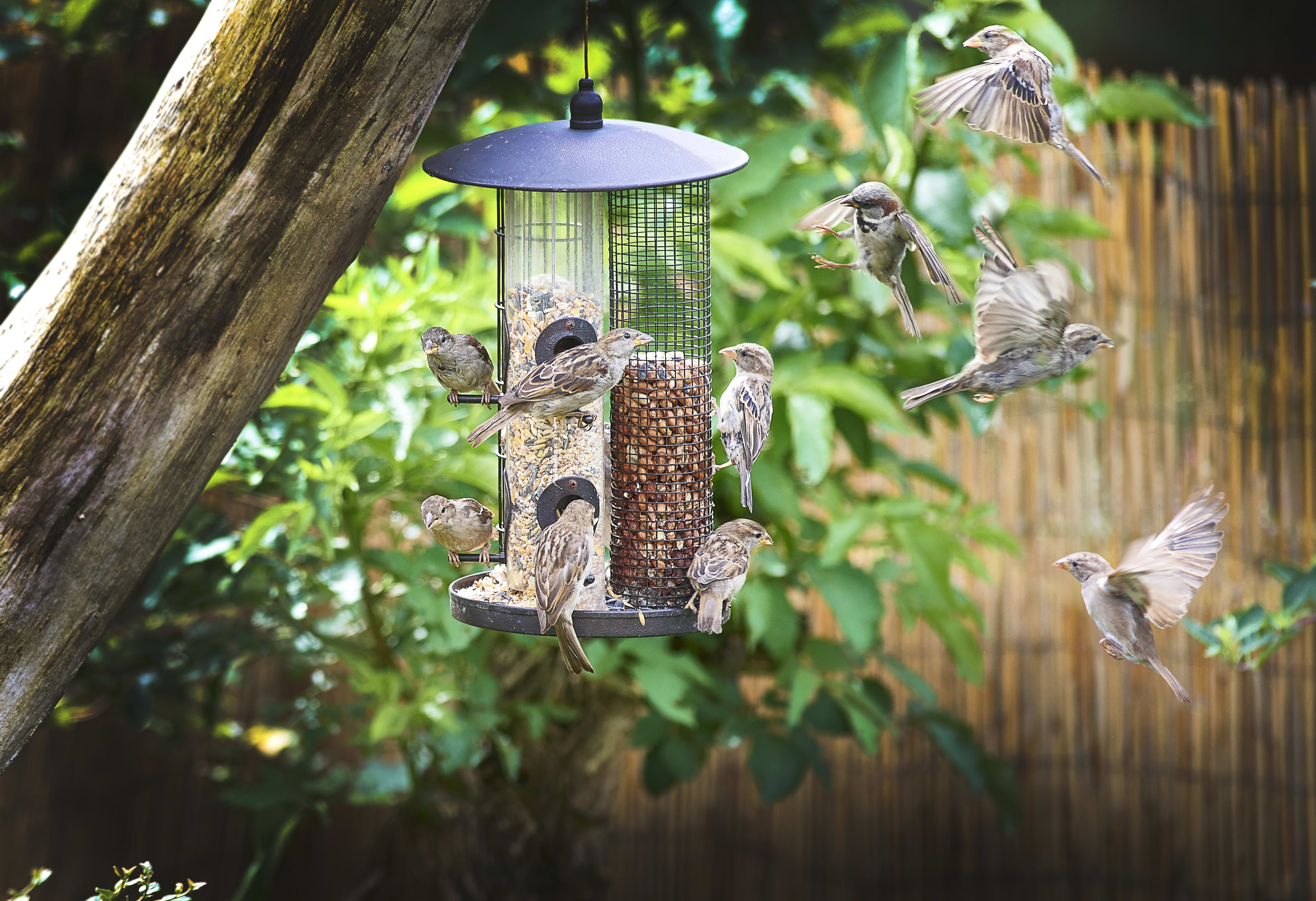
Credit: dengarden.com
Types Of Bird Seed
Bird seed comes in many types. Each seed attracts different birds. Choosing the right seed helps birds stay healthy.
Knowing the types of seeds can guide you to feed wild and pet birds well. Let’s look at common seeds and their benefits.
Common Seeds For Wild Birds
Wild birds enjoy a variety of seeds. Some seeds attract many bird species. Others are loved by specific types of birds.
- Black oil sunflower seeds – favored by many songbirds
- Millet – liked by ground-feeding birds like doves and sparrows
- Safflower seeds – good for cardinals and grosbeaks
- Nyjer (thistle) – attracts finches such as goldfinches and siskins
- Cracked corn – attracts larger birds like jays and pigeons
Seeds Preferred By Pet Birds
Pet birds eat seeds that fit their species and size. Their diet often includes a mix of seeds for balance and taste.
| Seed Type | Pet Bird Types | Notes |
| Millet | Budgerigars, Canaries | Small and easy to eat |
| Safflower | Parrots, Cockatoos | Harder shell, high fat content |
| Sunflower | Parakeets, Cockatiels | High energy, popular seed |
| Canary seed | Canaries | Small and nutritious |
Nutritional Value Of Different Seeds
Seeds provide energy, fats, and proteins. Different seeds have different nutrition levels. Birds need a mix for good health.
| Seed | Protein (%) | Fat (%) | Carbohydrates (%) |
|---|---|---|---|
| Sunflower | 20 | 50 | 20 |
| Millet | 10 | 4 | 70 |
| Safflower | 16 | 30 | 30 |
| Nyjer | 25 | 35 | 25 |
Health Benefits Of Bird Seed
Bird seed provides essential nutrition for wild and pet birds. It supports their daily activities and overall health. Feeding birds the right seed helps them stay strong and active.
Different types of seeds offer various vitamins and minerals. These nutrients help birds grow feathers, maintain energy, and fight diseases. Understanding these benefits can improve bird care.
Energy And Nutrient Supply
Seeds are a rich source of energy for birds. They contain fats, proteins, and carbohydrates that fuel daily activities. Birds need this energy for flying, foraging, and staying warm.
- Fats provide long-lasting energy
- Proteins support muscle development
- Carbohydrates offer quick energy bursts
- Vitamins and minerals help body functions
Supporting Feather And Beak Health
Bird seed contains nutrients that keep feathers shiny and strong. Healthy feathers help with flight and insulation. Seeds also have minerals that support beak growth and strength.
| Nutrition | Benefit |
| Vitamin A | Supports feather growth |
| Calcium | Strengthens beak and bones |
| Omega-3 fatty acids | Improves feather shine |
| Protein | Repairs damaged feathers |
Boosting Immune System
Bird seed helps birds fight illness. It contains antioxidants and vitamins that boost immunity. A strong immune system helps birds survive cold and infections.
Key immune-boosting nutrients in bird seed:
- Vitamin E to protect cells
- Zinc for healing wounds
- Selenium to fight infections
- Vitamin C to reduce stress
Risks And Concerns
Bird seed is a popular food for many wild and pet birds. It may seem safe, but there are some risks to consider. Knowing these helps keep birds healthy and happy.
This section explains key concerns like overfeeding, seed quality, and diet balance. Each can affect a bird’s well-being in different ways.
Overfeeding And Obesity
Feeding birds too much seed can cause health problems. Birds may become overweight or obese, which affects their ability to fly and find food.
- Obesity can lead to heart and liver diseases in birds.
- Overfed birds may stop looking for natural food sources.
- Too much seed can cause digestive issues and poor nutrition.
- It may also attract pests and unwanted animals to feeders.
Seed Quality And Contamination
Not all bird seed is safe. Poor quality seed may contain mold, dust, or chemicals. These can harm birds if eaten.
| Risk | Effect on Birds |
| Moldy Seed | Can cause respiratory problems |
| Dirty Seed | May carry bacteria and parasites |
| Chemical Residues | Can poison birds |
| Old or Stale Seed | Reduces nutrition and taste |
Imbalanced Diet Issues
Seed alone does not provide all nutrients birds need. A diet high in seed can lack vitamins, minerals, and protein.
Common problems from an imbalanced diet include:
- Weak feathers and poor plumage
- Lower resistance to diseases
- Reduced energy for flying and breeding
- Slow growth in young birds
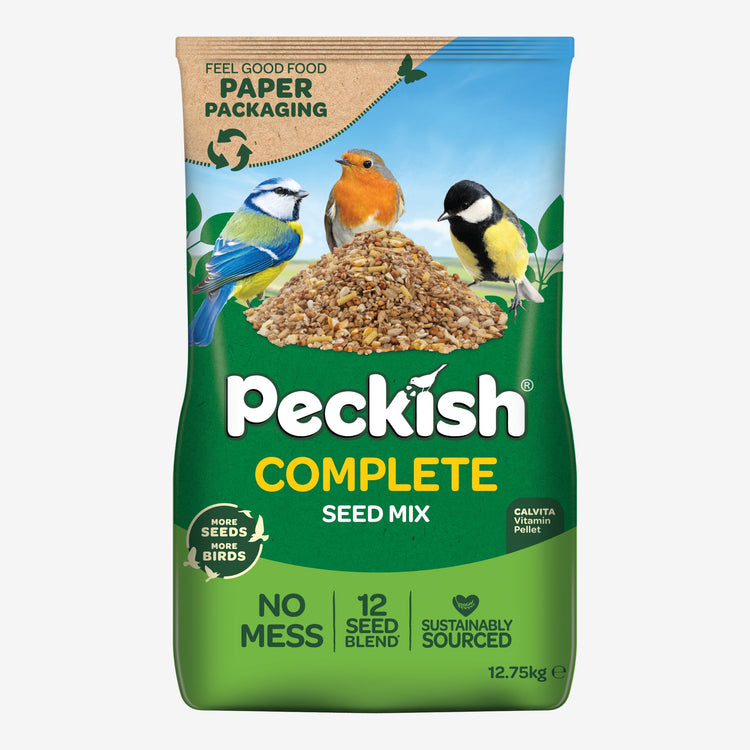
Credit: peckishbirdfood.com
Choosing The Right Seed Mix
Bird seed is a popular way to feed wild birds. Picking the right seed mix helps attract the birds you want.
Different seeds suit different bird types. Knowing what birds like makes feeding more effective and fun.
Tailoring To Bird Species
Not all birds eat the same seeds. Some prefer small seeds, while others like larger ones.
Choose seeds based on the birds you want to attract. This helps keep them coming back.
- Finches like small seeds such as thistle and nyjer
- Sparrows enjoy millet and cracked corn
- Cardinals prefer sunflower seeds
- Woodpeckers eat suet and peanuts
Organic Vs. Conventional Seeds
Organic seeds are grown without synthetic chemicals. Conventional seeds may use pesticides and fertilizers.
Organic seeds are safer for birds and the environment. They can cost more but may be worth it for health.
- Organic seeds reduce chemical exposure to birds
- Conventional seeds are usually cheaper
- Check seed labels to know their origin
- Choose quality seeds to keep birds healthy
Seed Freshness And Storage Tips
Fresh seeds have better taste and nutrition. Old seeds can lose quality and attract pests.
Store seeds in a cool, dry place. Use airtight containers to keep moisture and bugs away.
- Buy seeds in small amounts to keep them fresh
- Keep seed containers sealed tightly
- Store seeds away from sunlight and heat
- Check seeds regularly for mold or insects
Feeding Tips For Birds
Bird seed can be a good source of food for many wild birds. It is important to feed the right amount and type of seed. Proper feeding helps birds stay healthy and active.
Feeding birds properly also supports their natural habits. Let’s look at tips on how much seed to offer, the best feeding practices, and common mistakes to avoid.
How Much Seed To Offer
Offer a moderate amount of seed to avoid waste and spoilage. Too much seed can attract pests and cause mold growth. Watch how quickly birds eat the seed to adjust the amount.
- Start with a small amount to see how birds respond
- Refill feeders when seed is nearly gone
- Clean out old seed regularly to prevent mold
Best Feeding Practices
Keep feeders clean and place them in safe spots. Fresh water near feeders helps birds drink and bathe. Use seed mixes suitable for the birds in your area.
| Practice | Reason |
| Clean feeders weekly | Prevent disease spread |
| Place feeders away from predators | Keep birds safe |
| Use fresh seed | Attract more birds |
| Provide water | Support hydration and hygiene |
Avoiding Common Feeding Mistakes
Do not offer spoiled or wet seed. Avoid feeding bread or salty snacks, which harm birds. Do not overcrowd feeders to reduce stress and fighting.
- Throw away moldy or damp seed
- Use feeders that limit seed spillage
- Offer seed types favored by local birds
- Keep feeding areas clean from droppings
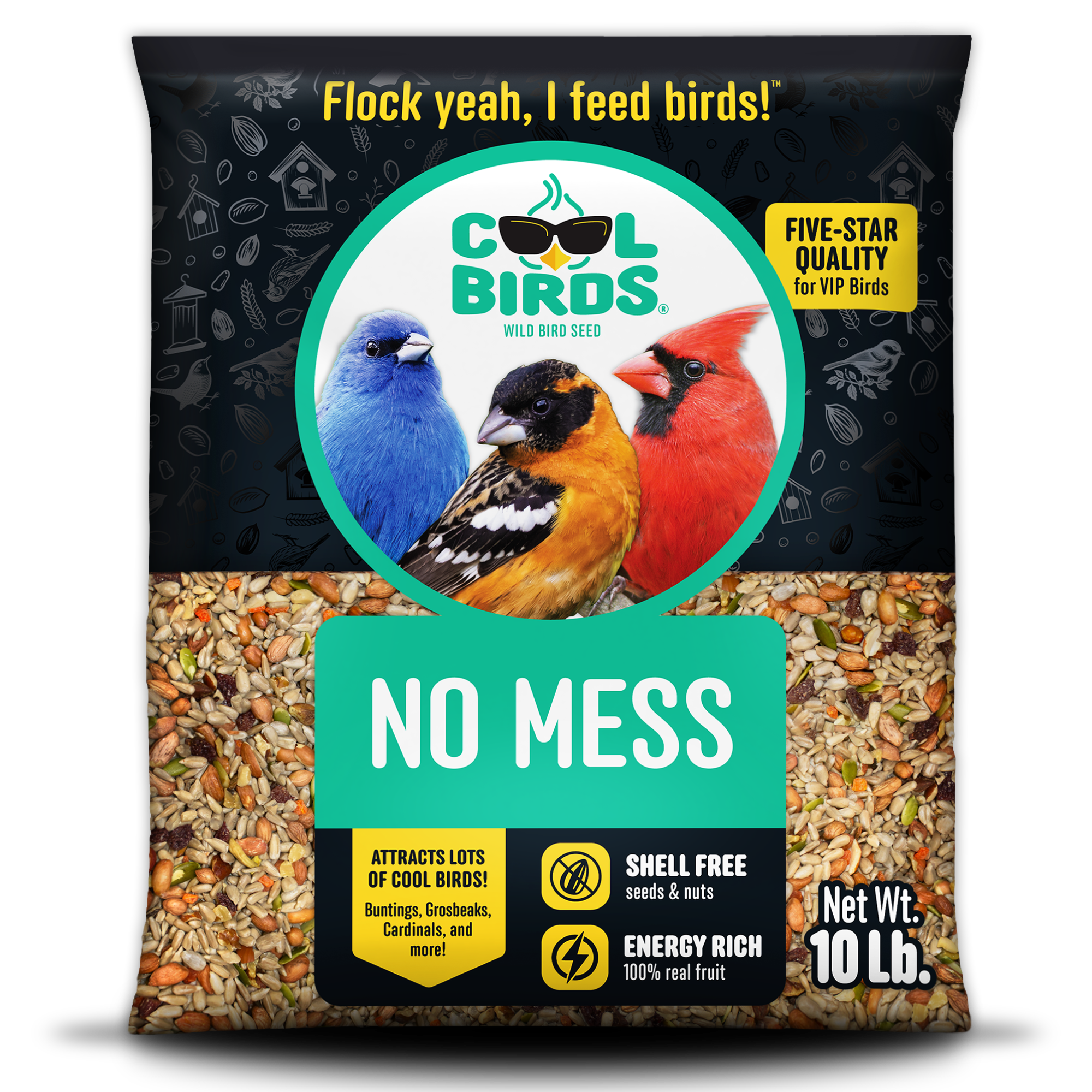
Credit: morecoolbirds.com
Alternatives To Bird Seed
Bird seed is a common food for many birds. Some birds may need other types of food. Different foods can help birds stay healthy and active.
Here are some good alternatives to bird seed that you can offer to wild and pet birds. These options include fruits, vegetables, special pellets, and natural foods.
Fruits And Vegetables
Many birds enjoy fresh fruits and vegetables. These provide vitamins and water, which help birds stay hydrated and strong.
- Apples (cut into small pieces)
- Bananas (ripe and mashed)
- Carrots (shredded or chopped)
- Peas (fresh or thawed)
- Berries like blueberries and strawberries
Specialty Pellets And Treats
Pellets made for birds have balanced nutrition. These products include vitamins and minerals birds need daily.
| Type | Benefits |
| Parrot Pellets | Complete nutrition for parrots |
| Finch Pellets | Small size, easy to eat |
| Canary Pellets | Supports bright feathers |
| Mealworm Treats | High protein, good for insect-eaters |
Natural Food Sources
Wild birds find many foods in nature. You can offer natural foods to support their diet.
- Sunflower seeds found on plants
- Insects like caterpillars and ants
- Tree nuts such as walnuts and acorns
- Grass seeds from meadows
Frequently Asked Questions
Is Bird Seed Healthy For Wild Birds?
Yes, bird seed provides essential nutrients for wild birds. It supports their energy needs and helps them survive harsh conditions. Choosing quality seed blends enhances bird health and attracts diverse species.
What Types Of Bird Seed Are Best For Birds?
Black oil sunflower seeds, millet, and nyjer are popular and nutritious. These seeds offer high fat and protein content, supporting birds’ energy and growth. Different species prefer specific seeds, so variety is beneficial.
Can Bird Seed Cause Harm To Birds?
Poor-quality or moldy seed can be harmful. Moldy seed contains toxins that affect bird health. Always store seed properly and discard old or damp seed to prevent illness.
How Often Should I Refill Bird Seed Feeders?
Refill feeders as needed, ideally every few days. Fresh seed attracts more birds and prevents mold growth. Regular cleaning of feeders also helps maintain bird health.
Conclusion
Bird seed benefits birds when chosen wisely. Different seeds suit different birds. Quality matters. Fresh, clean seeds ensure health. Avoid fillers like milo or oats. These offer little nutrition. Opt for sunflower or millet seeds. These are favorites. Always provide fresh water alongside seeds.
Birds need hydration. Observe local birds to know their preferences. Adjust seed mix accordingly. This encourages diverse bird visits. Create a safe feeding area. Keep it clean to prevent diseases. By choosing wisely, you support bird health. Happy birds mean vibrant gardens.
Enjoy watching them thrive.