Have you ever wondered if the bird seed you keep around your home could be harmful to you or your family? It’s a question many people don’t think about until curiosity strikes or an accident happens.
You might be surprised to learn what’s really inside those colorful bags and whether they pose any risk. Keep reading to discover the truth about bird seed and what you need to know to keep yourself and your loved ones safe.

Credit: seabrookeleckie.com
Bird Seed Ingredients
Bird seed blends contain various ingredients to feed different bird species. Understanding these ingredients helps us know if bird seed is safe for humans.
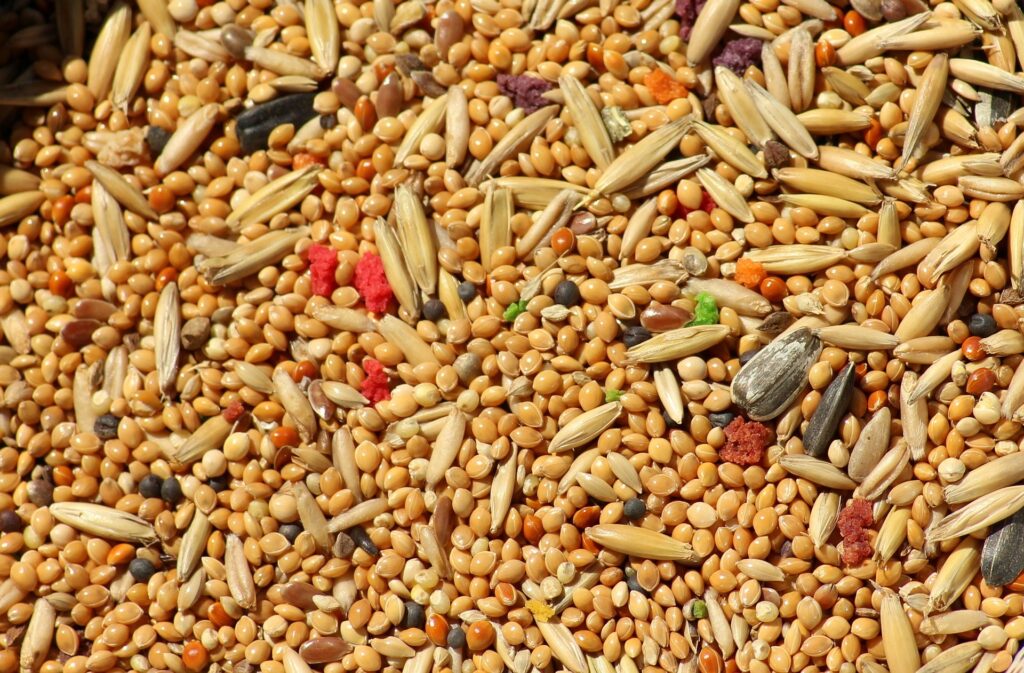
Most bird seeds are made from natural grains and seeds. Some mixtures also include additives to keep the seed fresh.
Common Seeds Used
Bird seed mixes usually have several types of seeds. Each seed offers different nutrients and attracts certain birds.
- Sunflower seeds: High in fat and protein, popular among many birds.
- Millet: Small, easy to eat seeds, often favored by finches and sparrows.
- Safflower seeds: Bitter taste keeps away squirrels but birds enjoy them.
- Cracked corn: Provides energy and attracts larger birds like doves and pigeons.
- Nyjer seeds: Tiny seeds loved by goldfinches and other small birds.
Additives And Preservatives
Some bird seed blends include additives or preservatives. These help keep the seed fresh and prevent mold or insects.
| Additive | Purpose | Effect on Humans |
| Fungicides | Prevent mold growth | May cause mild irritation if ingested in large amounts |
| Pesticides | Keep insects away | Can be harmful if consumed; not safe for humans |
| Anti-caking agents | Stop seeds from clumping | Generally safe in small amounts |
| Vitamin supplements | Boost bird nutrition | Safe but unnecessary for humans |
Toxic Components For Humans
Bird seed is usually safe for birds but can have harmful parts for humans. Some seeds contain natural toxins that affect people.
Eating bird seed is not recommended because some ingredients may cause health problems in humans.
Potentially Harmful Seeds
Some seeds in bird seed mixes contain substances that can be toxic to humans. For example, raw sunflower seeds have small amounts of cyanide in their shells.
Other seeds like millet and sorghum are generally safe but can cause allergies or digestive issues if eaten in large amounts.
- Raw sunflower seed shells contain trace cyanide
- Millet may cause allergies in sensitive people
- Sorghum can upset the stomach if overeaten
Contaminants And Molds
Bird seed can have dirt, bacteria, or mold that grows if seeds get wet. These can cause food poisoning or allergic reactions in humans.
Molds on seeds produce toxins called mycotoxins. These toxins are harmful if swallowed and may cause nausea or headaches.
- Dirt and bacteria can cause infections
- Mold produces dangerous mycotoxins
- Wet seeds increase risk of mold growth
Health Risks Of Eating Bird Seed
Bird seed is made for birds, not people. Eating it can cause health problems in humans. It is important to know the risks before eating bird seed.
Bird seed often contains shells, dust, and sometimes mold. These can harm your body if swallowed. Keep bird seed away from children and pets.
Digestive Issues
Eating bird seed may cause stomach pain and discomfort. The hard shells can irritate the digestive system. Some seeds are hard to digest and may cause constipation or diarrhea.
Bird seed sometimes has dust or small stones. These can cause nausea or vomiting. Eating a lot of bird seed can upset your stomach badly.
Allergic Reactions
People allergic to nuts or seeds might react to bird seed. Symptoms include itching, swelling, or trouble breathing. Allergic reactions can be serious and need medical help.
Bird seed can carry mold or fungi. These can trigger allergies or asthma attacks. Avoid eating bird seed if you have allergies or breathing problems.
Long-term Effects
Eating bird seed often can cause health problems over time. Moldy seeds may produce toxins harmful to the liver or kidneys. Long-term exposure to these toxins can cause illness.
Bird seed is not made for human nutrition. Relying on it can lead to poor diet and vitamin deficiencies. Always choose food made for humans to stay healthy.
Credit: localgardener.net
Bird Seed Vs. Human Food
People often wonder if bird seed is safe for humans. Bird seed is made for birds, not people. It is different from the food we eat every day.
This article looks at the differences between bird seed and human food. It explains why bird seed should not replace your meals.
Nutritional Differences
Bird seed contains many seeds and grains that birds enjoy. But it lacks important nutrients humans need. Our bodies need vitamins and minerals that bird seed does not provide.
| Component | Bird Seed | Human Food |
| Protein | Low to Medium | Medium to High |
| Vitamins | Limited | Varied and Rich |
| Minerals | Low | High |
| Fiber | High | Moderate |
| Calories | Variable | Balanced |
Why Bird Seed Isn’t A Substitute
Bird seed is not made to meet human dietary needs. Eating it can cause stomach pain or worse health problems. It may also contain dust, mold, or bacteria that are unsafe for people.
- Bird seed lacks essential nutrients for humans
- It may have harmful contaminants
- Bird seed is not processed for human digestion
- Relying on bird seed can cause malnutrition
- Human food is designed to support our health
Cases Of Bird Seed Poisoning
Bird seed is made for birds and is usually safe for them. People sometimes wonder if it can harm humans. There are few cases where bird seed caused health problems for people.
Most bird seed mixes contain ingredients like sunflower seeds, millet, and cracked corn. These are not poisonous to humans. Problems can happen if the seeds are moldy or contain harmful chemicals.
Reported Incidents
Some people have eaten bird seed by mistake or out of curiosity. In rare cases, this caused stomach pain or upset. These incidents usually happened when the seeds were old or dirty.
There are also reports of bird seed treated with pesticides causing poisoning. These chemicals are dangerous if swallowed. Most bird seed sold for pets does not have these chemicals.
- Eating moldy bird seed can cause nausea.
- Swallowing seeds with pesticides may cause poisoning.
- Bird seed itself is not toxic but can cause choking.
Symptoms And Treatment
Symptoms of bird seed poisoning vary. They depend on what caused the problem. Common signs include stomach pain, vomiting, and diarrhea.
If someone swallows bird seed with chemicals, symptoms can be worse. They may feel dizzy, confused, or have trouble breathing. Immediate medical help is needed in these cases.
- Stomach pain and upset stomach
- Vomiting and diarrhea
- Dizziness and confusion (if chemicals are involved)
- Difficulty breathing (seek emergency care)
Treatment depends on symptoms. For mild cases, drinking water and resting helps. For chemical poisoning, doctors may give activated charcoal or other medicines. Always call poison control or a doctor if you suspect poisoning.
Safe Practices Around Bird Seed
Bird seed is generally safe for birds but can cause problems for humans if handled carelessly. It is important to know how to store and handle bird seed safely to avoid any health risks.
This guide explains simple tips to keep you safe when using bird seed at home or outside.
Storage Tips
Proper storage of bird seed helps prevent mold, pests, and contamination. Keep bird seed dry and sealed tightly.
- Store seed in a cool, dry place away from direct sunlight.
- Use airtight containers to keep moisture and pests out.
- Check seed regularly for signs of mold or insect damage.
- Do not store seed near chemicals or cleaning products.
- Keep seed off the floor to avoid rodents and dirt.
Handling Precautions
When handling bird seed, use simple safety steps to reduce risk of illness or allergic reactions.
| Precaution | Reason |
| Wash hands after touching bird seed | Prevents bacteria and dust from spreading |
| Wear gloves if you have cuts or skin issues | Protects skin from irritation or infection |
| Avoid eating or drinking near bird seed | Stops accidental ingestion of dust or contaminants |
| Keep bird seed away from children and pets | Reduces accidental swallowing or choking |
| Clean feeding areas regularly | Prevents buildup of mold and bacteria |
Alternatives To Bird Seed For Humans
Bird seed is meant for birds and is not safe for humans to eat. Some seeds may contain harmful chemicals or bacteria. People should choose safe and healthy foods instead.
There are many healthy and tasty options that look like bird seed but are good for humans. These alternatives provide good nutrition and taste great as snacks or in recipes.
Healthy Snack Options
Seeds like sunflower, pumpkin, and flax are healthy snacks for people. They have vitamins, minerals, and healthy fats. You can eat them raw, roasted, or added to other foods.
- Sunflower seeds are rich in vitamin E and magnesium.
- Pumpkin seeds provide zinc and protein.
- Flax seeds are high in fiber and omega-3 fatty acids.
- Chia seeds absorb water and help keep you full.
- Sesame seeds add crunch and calcium to snacks.
Mix these seeds with nuts, dried fruits, or yogurt for a quick snack. They taste great and help your body stay healthy.
Bird Seed-inspired Recipes
You can create recipes that use seeds similar to bird seed but made for humans. These recipes are tasty and full of nutrients. They are easy to make at home.
- Seed granola with oats, honey, pumpkin, and sunflower seeds.
- Energy bars with flax seeds, chia, nuts, and dried fruits.
- Salads topped with toasted sesame and sunflower seeds.
- Homemade bread sprinkled with flax and pumpkin seeds.
- Yogurt bowls mixed with chia seeds and fresh fruit.
These dishes are safe and delicious. They give you the benefits of seeds without any risk. Try these ideas to enjoy seeds in your meals.
Credit: freerangeparrots.org
Frequently Asked Questions
Is Bird Seed Toxic If Ingested By Humans?
Bird seed is generally not toxic to humans. However, it is not meant for human consumption and may cause mild stomach upset if eaten in large amounts. Always avoid eating bird seed to prevent potential contamination or allergic reactions.
Can Bird Seed Cause Poisoning Symptoms In People?
Bird seed rarely causes poisoning symptoms in humans. Any illness usually results from bacterial contamination or mold, not the seed itself. Symptoms might include nausea or stomach cramps. If symptoms occur, seek medical advice promptly.
Are Any Ingredients In Bird Seed Harmful To Humans?
Some bird seed mixes contain additives like mold inhibitors or pesticides. These additives can be harmful if ingested. It is best to avoid eating bird seed to prevent any exposure to harmful chemicals or contaminants.
What Should I Do If I Accidentally Eat Bird Seed?
If you accidentally eat bird seed, monitor for any stomach discomfort or allergic reactions. Most likely, you will be fine. If you experience severe symptoms like vomiting or difficulty breathing, seek medical attention immediately.
Conclusion
Bird seed is generally safe for humans but not meant for consumption. Some seeds may cause allergies or digestive issues. Always check ingredients before handling. Wash hands after touching bird seed. Consult a doctor if you experience discomfort. Safety first, enjoyment second.
Educate yourself on potential risks. Understanding ingredients helps avoid problems. Bird seed can be fun for feeding birds. Just be cautious about personal contact. Enjoy watching birds, but prioritize health. Awareness ensures safe interaction with bird seed. Stay informed, stay safe.