Are you wondering if the bird seed you offer is truly safe for your feathered friends? You want to give birds the best, but not all seeds are created equal.
What if something as simple as the wrong seed could harm the birds you care about? Keep reading to discover the truth about bird seed safety and learn how to choose the right options that keep your backyard visitors healthy and happy.
Your birds deserve the best, and knowing what’s safe is the first step.

Credit: birdsupplies.com
Types Of Bird Seed
Bird seeds come in many types. Each seed suits different birds and their needs.
Knowing the types helps you choose safe and healthy food for birds.
Common Seeds For Wild Birds
Wild birds eat many kinds of seeds. Some seeds attract more birds than others.
Common seeds for wild birds include sunflower, millet, and safflower.
- Black oil sunflower seeds are popular. Many birds like them.
- Millet is small and liked by sparrows and doves.
- Safflower is tough and suits cardinals and grosbeaks.
- Nyjer seeds attract finches and small birds.
Seeds For Pet Birds
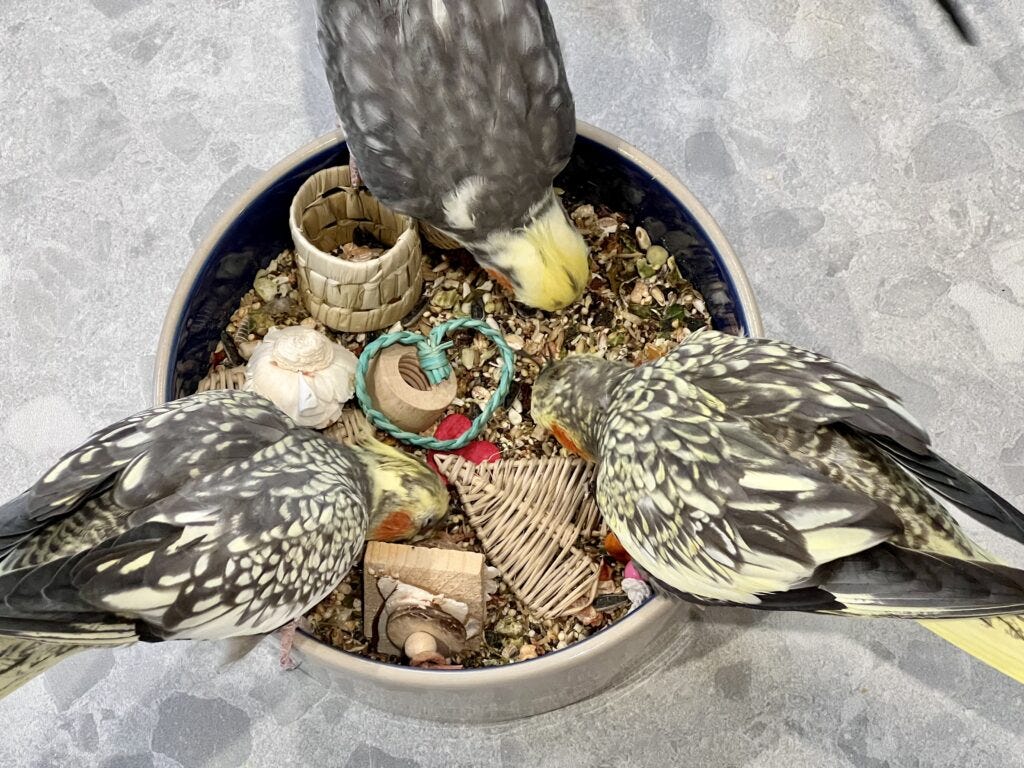
Pet birds need seeds that match their species. Parrots and canaries eat different seeds.
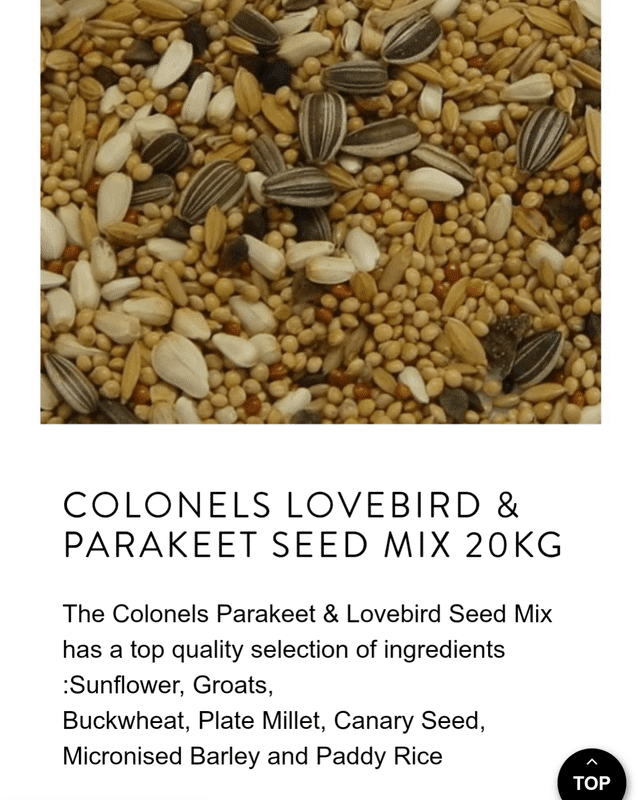
Pet bird seeds often mix many seed types to give balanced nutrition.
- Parakeets eat millet and canary seed mixes.
- Parrots enjoy sunflower seeds and peanuts.
- Canaries prefer small seeds like rape and millet.
- Always check seed mixes for pet birds to ensure safety.
Nutritional Differences
Seeds differ in nutrition. Some have more fat, others have more protein.
Birds need a balance of nutrients for good health and energy.
| Seed Type | Fat Content | Protein Content | Common Use |
|---|---|---|---|
| Black Oil Sunflower | High | Medium | Wild and pet birds |
| Millet | Low | Medium | Small wild birds, pet birds |
| Safflower | Medium | Low | Wild birds like cardinals |
| Nyjer | High | Medium | Small finches |
Credit: freerangeparrots.org
Health Risks Of Bird Seed
Bird seed is a common food for wild and pet birds. It can support their health if fresh and suitable. Some seeds, though, may cause health problems for birds.
Knowing the risks helps keep birds safe and healthy. This guide covers mold, wrong seeds, and feeding too much.
Mold And Contamination
Mold often grows on old or damp bird seed. Moldy seed can cause sickness and even death in birds. Contaminated seed may also have bacteria or toxins.
- Store seeds in a dry, cool place.
- Check seed for mold before feeding.
- Throw away any seeds that look dusty or smell bad.
- Clean feeders regularly to avoid contamination.
Inappropriate Seeds For Certain Birds
Not all seeds suit every bird species. Some seeds can harm birds that cannot digest them well. For example, black oil sunflower seeds are good for many birds but may be too large for small finches.
| Seed Type | Best For | Not Suitable For |
| Black Oil Sunflower | Sparrows, Cardinals, Jays | Small Finches, Hummingbirds |
| Millet | Finches, Doves | Large Birds |
| Nyjer (Thistle) | Finches | Most Other Birds |
| Peanuts | Woodpeckers, Jays | Small Seed-Eaters |
Overfeeding And Obesity
Giving birds too much seed can lead to obesity and poor health. Birds may stop searching for natural food. Overfeeding can cause problems like fatty liver disease.
- Offer seed in small amounts daily.
- Use feeders that limit seed quantity.
- Mix seeds with natural foods like fruits and insects.
- Watch for signs of overweight birds.
Safe Feeding Practices
Bird seed can be safe for birds if fed properly. Feeding birds helps them get nutrients, especially in cold seasons.
It is important to follow safe feeding practices. This keeps birds healthy and prevents problems like mold or pests.
Choosing Quality Seed
Pick bird seed that is fresh and clean. Avoid seed with dust, mold, or broken shells. These can harm birds.
Seeds like sunflower, millet, and safflower are good choices. They provide energy and nutrients birds need.
- Check for no mold or bad smell
- Choose seeds suited to local birds
- Avoid mixes with fillers like red millet
Proper Storage Methods
Store bird seed in a dry, cool place. Moisture causes mold, which can make birds sick.
Use airtight containers to keep seed fresh and stop insects or rodents from getting in.
- Keep seed away from direct sunlight
- Check seed regularly for signs of spoilage
- Use seed within a few months of purchase
Feeding Frequency And Quantity
Feed birds small amounts of seed daily. Too much food can attract pests or cause waste.
Clean feeders often to prevent disease. Remove old or wet seed to keep birds safe.
- Fill feeders only enough for a day or two
- Feed birds during colder months or dry periods
- Wash feeders with warm soapy water weekly
Alternative Foods For Birds
Bird seed is a common food for wild and pet birds. Some birds may need other foods too. Different foods give birds more nutrients and variety.
Offering alternative foods helps birds stay healthy and strong. It also attracts more types of birds to your garden or feeder.
Fruits And Vegetables
Many birds enjoy fresh fruits and vegetables. These foods provide vitamins and moisture that seeds may lack. Always wash fruits and vegetables before feeding.
Safe options include apples, berries, carrots, and leafy greens. Avoid giving birds avocado or onion, which can be harmful.
- Apples (remove seeds)
- Blueberries and strawberries
- Carrot slices
- Spinach and kale
- Pumpkin seeds
Insects And Protein Sources
Birds need protein for growth and energy. Insects are a natural protein source. You can offer mealworms or crickets to attract insect-eating birds.
Other protein options include cooked eggs or small amounts of plain cooked meat. Avoid salty or spicy foods. Protein helps birds during breeding and molting seasons.
- Mealworms
- Crickets
- Cooked eggs
- Small pieces of cooked chicken
Commercial Bird Food Options
Many stores sell special bird food mixes. These blends often contain seeds, nuts, and dried fruits. They offer balanced nutrition for different bird species.
Choose mixes based on the birds you want to feed. Some are made for finches, others for larger birds like parrots. Check ingredients to avoid fillers and harmful additives.
- Seed blends for small birds
- Nut mixes for larger birds
- Dried fruit and nut combinations
- Pellets for pet birds
Signs Of Seed-related Health Issues
Bird seed is a common food for wild and pet birds. Sometimes, bad seeds or poor diet cause health problems. Recognizing early signs helps keep birds safe.
Watch your birds closely. Changes in behavior or physical health may signal seed-related issues. Knowing what to look for can save a bird's life.
Behavioral Changes
Birds with seed-related health problems often act differently. They may become less active or hide more than usual. A bird that stops singing or playing might be sick.
Loss of appetite is a key sign. Birds may refuse seeds or food they liked before. Watch for unusual aggression or fear too.
- Less movement or energy
- Hiding or avoiding contact
- Loss of appetite
- Unusual aggression or fear
- Stop singing or playing
Physical Symptoms
Look for visible changes in your bird's body. Seed-related issues can cause feather loss or dull feathers. Birds might have swollen eyes or discharge.
Weight loss and breathing problems are also signs. Birds may show weakness or have trouble perching. Check for any unusual lumps or sores.
- Feather loss or dull feathers
- Swollen or watery eyes
- Discharge from eyes or beak
- Weight loss
- Breathing problems
- Weakness or trouble perching
- Unusual lumps or sores
When To Consult A Vet
See a vet if you notice signs of illness. Early care can prevent serious problems. Don’t wait if your bird stops eating or shows breathing issues.
Also, get help if your bird acts very weak or has wounds. The vet can check for infections and advise on diet changes.
- Loss of appetite for more than a day
- Labored or noisy breathing
- Severe feather loss or skin wounds
- Extreme weakness or inability to perch
- Eye or beak discharge that lasts
Benefits Of Feeding Birds Seed
Feeding birds seed helps many wild birds stay healthy. It gives them extra food during tough times. People also enjoy watching birds come close.
Bird seed provides energy and nutrients. It supports birds in cities and natural areas. Many types of birds love different seeds.
Supporting Wild Bird Populations
Feeding wild birds with seed helps their survival. Seeds offer a reliable food source in winter. This helps birds keep their energy and body heat.
- Sunflower seeds are rich in fat and energy.
- Millet is good for small songbirds.
- Safflower seeds attract cardinals and doves.
- Nyjer seed is favorite for finches.
Bonding With Pet Birds
Giving seed to pet birds helps build trust. Birds enjoy picking seeds from your hand. It creates happy moments between you and your pet.
| Seed Type | Pet Bird Preference |
| Sunflower | High |
| Millet | Medium |
| Canary Seed | Low |
Encouraging Natural Foraging
Seed feeding lets birds act naturally. Birds pick seeds one by one. This keeps their minds active and body healthy.
Try these tips to encourage foraging:
- Scatter seeds on the ground or trays.
- Use different seed types to attract varied birds.
- Change seed locations to keep birds curious.
- Use feeders that require birds to work for seeds.

Credit: peckishbirdfood.com
Frequently Asked Questions
Is Bird Seed Safe For All Bird Species?
Most bird seeds are safe for common wild birds. However, some seeds may not suit exotic or specialized species. Always check seed type based on the bird species you attract to ensure their health and safety.
Can Moldy Bird Seed Harm Birds?
Yes, moldy bird seed can be toxic to birds. Mold produces harmful mycotoxins causing illness or death. Always store seeds in dry, cool places and discard any moldy or damp seed immediately.
What Ingredients Should I Avoid In Bird Seed?
Avoid seeds with fillers like wheat or millet if not preferred by your birds. Also, steer clear of seeds treated with pesticides or preservatives. Always choose high-quality, clean, and fresh bird seed for safe feeding.
How Often Should I Change Bird Seed?
Change bird seed every 1-2 weeks to keep it fresh and safe. Old or stale seed can harbor bacteria or mold, posing health risks. Regular replacement ensures birds get nutritious, uncontaminated food.
Conclusion
Bird seed can be safe for birds. Choose high-quality, natural seeds. Avoid artificial additives. Birds need a balanced diet for health. Clean feeding areas often. This prevents mold and disease. Observe your birds' reactions. They may have preferences. Different birds enjoy different seeds.
Research which seeds suit your bird types. Happy, healthy birds brighten any environment. Caring for them is rewarding. Enjoy watching them thrive.