Have you ever heard the phrase "The early bird gets the worm" and wondered if it’s really a proverb? You’re not alone.
This saying pops up everywhere—from advice at work to everyday conversations—but what exactly makes it a proverb? Understanding this can change how you see common wisdom and how you apply it to your life. Keep reading, and you’ll discover not just the meaning behind these words, but also why they matter to you.
Ready to unlock the secret? Let’s dive in.
Origins Of The Saying
The phrase "Early bird gets the worm" is a popular proverb in English. It means that people who start early have a better chance of success.
This saying has been used for many years and has interesting origins. Let’s explore where it came from and how it became common.
Historical Background
The proverb first appeared in English literature in the 17th century. It was a way to encourage people to be punctual and hardworking.
Early writers used birds as symbols of alertness and activity. The worm represents opportunity or reward that comes to those who act first.
Use In Literature
One of the earliest known uses is in John Ray’s collection of English proverbs published in 1670. It reads, “The early bird catcheth the worm.”
- John Ray was a naturalist who collected many common sayings.
- The proverb was popular among farmers and workers.
- It spread through spoken language and printed books.
Meaning Across Cultures
Similar sayings exist in other languages. They show that starting early is a valued idea worldwide.
| Language | Proverb | Meaning |
| German | "Morgenstund hat Gold im Mund" | The morning hour has gold in its mouth. |
| Chinese | "早起的鸟儿有虫吃" | The early bird gets the worm. |
| Spanish | "A quien madruga Dios le ayuda" | God helps those who wake early. |
Meaning Behind The Phrase
The phrase "Early bird gets the worm" is a common saying in English. It means that people who start early or act quickly have an advantage.
This saying encourages being prompt and ready to take chances. It highlights the benefit of taking action before others do.
Is "early Bird Gets The Worm" A Proverb?
Yes, "Early bird gets the worm" is a proverb. A proverb is a short, well-known saying that gives advice or shares a truth.
This phrase has been used for a long time and is easy to remember. It teaches a simple lesson about being early or prepared.
Why Is It Called A Proverb?
A proverb uses simple words to share common wisdom. It is often passed down through generations.
The phrase uses the idea of a bird catching a worm early in the morning. This image helps explain the message clearly.
Meaning Of The Phrase In Daily Life
The phrase means that people who start work early get better results. It can apply to school, jobs, or other activities.
Being early can give you more time and chances to succeed. It also shows you are responsible and ready to act.
- Starting tasks before others
- Being prepared for opportunities
- Taking quick action to gain benefits
Is It A Proverb?
The phrase "Early bird gets the worm" is often heard in daily talks. Many people wonder if it is a proverb or just a saying. Understanding if it is a proverb helps us know how to use it correctly.
A proverb is a short, well-known saying that gives advice or shares a truth. It usually has a lesson that people can apply in life. Let’s explore whether "Early bird gets the worm" fits this description.
Definition Of A Proverb
A proverb is a phrase passed down through generations. It teaches a moral or practical lesson. Proverbs often use simple words and are easy to remember.
- Short and easy to say
- Contains a lesson or advice
- Used by many people over time
- Has a clear meaning beyond the words
Why "early Bird Gets The Worm" Is A Proverb
This phrase tells us that people who act early have advantages. It is short, easy to remember, and gives advice. Many cultures use this phrase or similar ones to teach the value of being proactive.
| Feature | Does It Apply? |
| Short and easy to say | Yes |
| Contains a lesson or advice | Yes |
| Used by many people over time | Yes |
| Has a clear deeper meaning | Yes |
Common Uses Of This Proverb
People use this proverb to encourage prompt action. It often applies in work, school, and daily life. The saying reminds us that waiting too long can mean missed chances.
- To motivate getting up early
- To stress the importance of starting tasks early
- To teach the benefit of being prepared
- To warn against procrastination

Credit: www.reddit.com
Cultural Variations
The phrase "Early bird gets the worm" is a well-known proverb in English. It means people who act early have an advantage. Different cultures have their own versions of this idea.
These variations show how different societies value being early or prepared. Some cultures focus on hard work, while others emphasize timing or patience.
Western Cultures
In many Western countries, the proverb means success comes to those who start early. It encourages people to be proactive and ready.
People use this saying to teach children to wake up early and be diligent at work or school.
Chinese Culture
Chinese culture has a similar saying: "The early bird catches the worm." It values hard work and effort from the start of the day.
Chinese proverbs often link early action with success in studies and business.
Japanese Culture
In Japan, there is a saying: "The first crow is the one that catches the rice ball." It means acting first brings rewards.
Japanese culture also values patience and harmony, so this proverb is used carefully.
African Cultures
Many African cultures have proverbs about timing and effort. Some say, "He who wakes early feeds himself." It teaches self-reliance.
These sayings encourage people to start their work early to succeed and provide for their families.
Latin American Cultures
In Latin America, similar proverbs exist, like "The early rooster gets the grain." It means starting early leads to benefits.
People use this saying to remind others to be alert and prepared in daily life.
Practical Examples
The proverb "Early bird gets the worm" means that people who act quickly have an advantage. It encourages starting tasks early to gain success.
Here are some real-life examples showing how this proverb works in daily situations.
Job Hunting
Applying early for a job often increases your chances of getting hired. Many companies review applications as they arrive.
- Submit your resume as soon as the job is posted
- Prepare for interviews ahead of time
- Follow up quickly after applying
Sales And Discounts
Shoppers who arrive early can find better deals during sales. Popular items sell out fast, so early buyers get the best choices.
| Time | Availability | Price |
| First hour | Most items in stock | Lowest prices |
| Mid sale | Limited stock | Some discounts left |
| Last hour | Few items left | Few or no discounts |
School And Study Habits
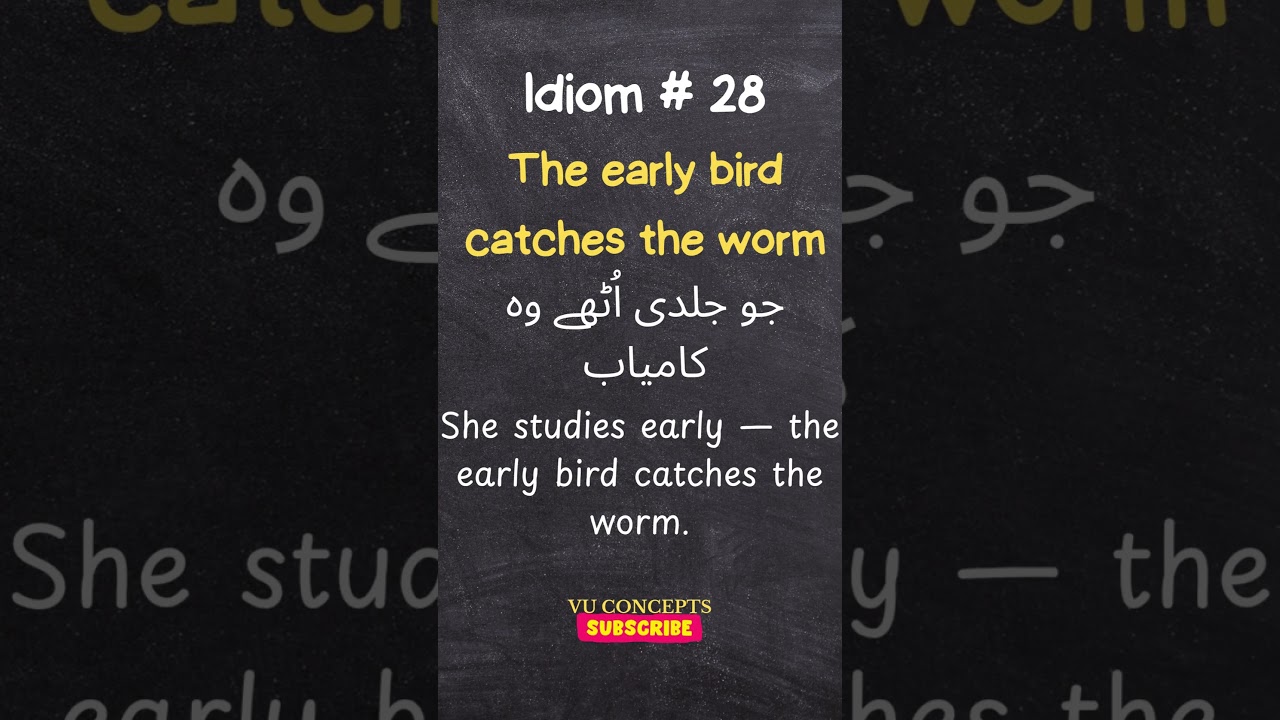
Students who start studying early finish their work calmly. They avoid last-minute stress and perform better on tests.
For example, a student planning a week before exams can:
- Create a study schedule
- Review all subjects
- Ask questions in advance
Credit: www.youtube.com
Limitations Of The Saying
The phrase "Early bird gets the worm" encourages people to act quickly. It suggests that those who start early will succeed. But this saying has its limits.
Not every situation rewards early action. Sometimes waiting or planning is better. Let’s look at some limits of this proverb.
Not Always True For Everyone
The early bird may get the worm, but not all people can start early. Some have health issues or family duties. Others work better later in the day.
Quality Over Speed
Rushing to be first can reduce quality. Quick work may cause mistakes. Sometimes slow and steady wins the race.
Situations Where Patience Helps
Some tasks need waiting for the right time. Acting too soon can cause failure. Timing and patience matter as much as speed.
- Investing in stocks often requires patience.
- Creative ideas may develop over time.
- Building trust takes longer than acting fast.
Different Types Of Success
Success can mean many things. Early success might be quick but short-lived. Long-term success often needs careful work and timing.
| Type of Success | Role of Early Action |
| Short-term | Very important, can bring fast rewards |
| Long-term | Less about speed, more about consistency |
| Creative | Needs time to develop, early start less crucial |
Modern Interpretations
The proverb "Early bird gets the worm" means that people who act quickly have an advantage. This idea is still true today, but people see it in new ways.
Modern life is fast and competitive. This proverb now also shows how being prepared and proactive helps in many areas.
Work And Career
In jobs, the phrase means arriving early or starting tasks quickly. This can lead to better chances for success and promotions.
Employers often value workers who show initiative and responsibility early in the day or project.
Personal Growth
The proverb encourages people to take early action in learning or self-improvement. Starting new habits early leads to better results.
It reminds us that waiting too long can mean missing good chances to grow or change.
Technology And Innovation
In technology, being first to develop or use new ideas can give big benefits. Early adopters often gain an edge over others.
This proverb highlights the value of quick thinking and fast action in a world that changes fast.
Health And Wellness
Applying the proverb to health means starting healthy habits early. This can prevent problems and improve long-term wellbeing.
It shows the importance of acting quickly when facing health issues or lifestyle changes.

Credit: medium.com
Frequently Asked Questions
What Does "early Bird Gets The Worm" Mean?
It means those who act quickly gain advantages. Being proactive leads to success and opportunities. It encourages promptness and initiative in daily life.
Is "early Bird Gets The Worm" A Proverb?
Yes, it is a well-known English proverb. It conveys practical wisdom about the benefits of being early. It is widely used in conversations and writing.
Where Did The Proverb Originate From?
The phrase dates back to the 17th century. It likely comes from observing birds catching worms early in the morning. Its origin is rooted in nature and common sense.
How Can This Proverb Apply To Modern Life?
It encourages starting tasks early to improve productivity. Being ahead often results in better outcomes at work or school. It teaches time management and discipline.
Conclusion
The saying "Early bird gets the worm" teaches valuable life lessons. Acting early often brings better opportunities. People who start tasks promptly usually succeed more. This proverb reminds us to seize the day. Being proactive can lead to greater achievements.
So, don't delay your actions. Set goals, start early, and stay focused. This mindset can help you reach your dreams. Remember, the early bird truly has an advantage. Practice this in everyday life for best results. Success often favors those who begin early.
Stay motivated and make the most of every opportunity.