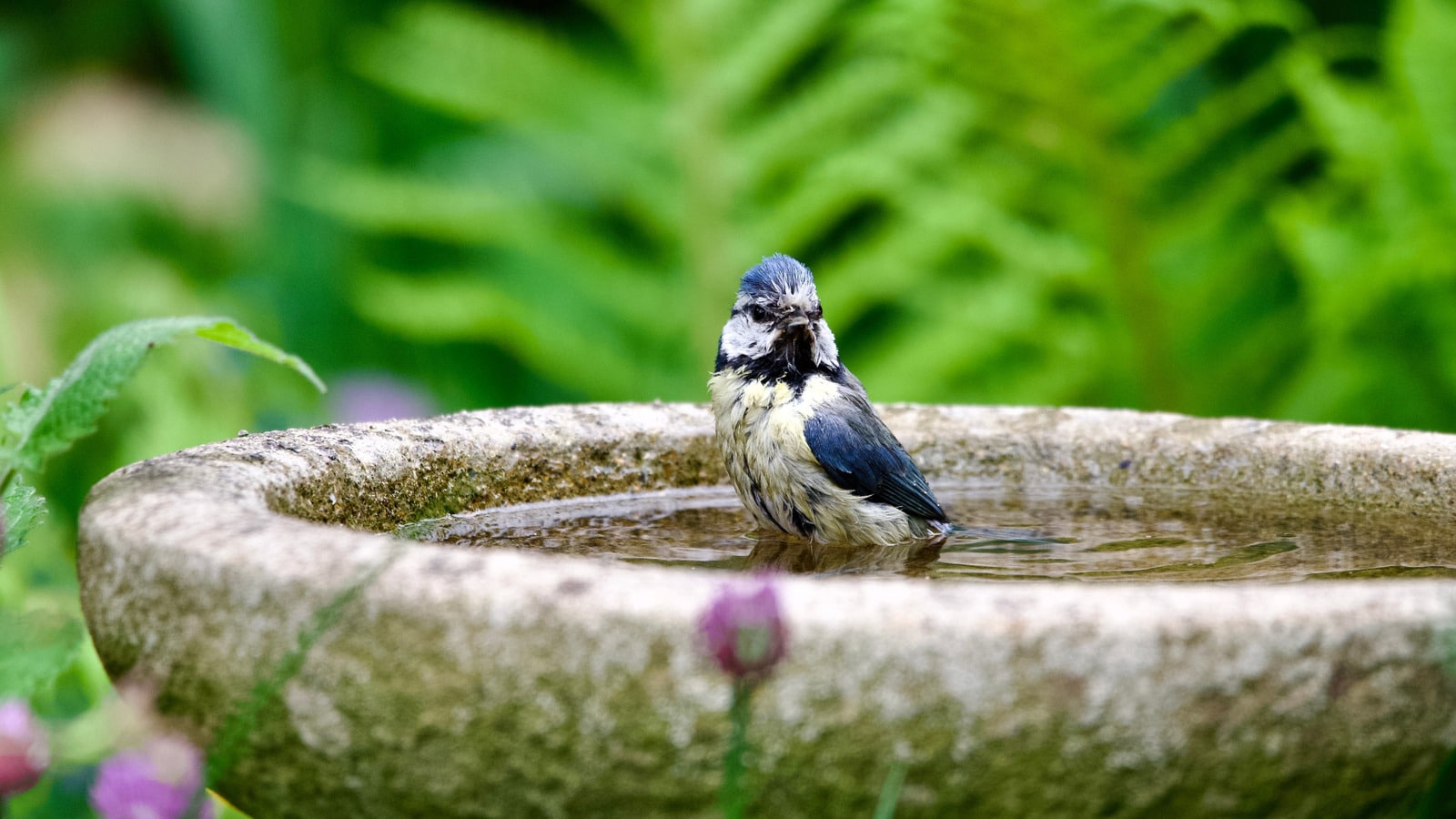
Have you ever looked at your bird bath and noticed the water turning green? You might ask yourself, Is Green Water in Bird Bath Safe for the birds visiting your yard?
Green water can look unpleasant, but is it harmful? Understanding what causes this change and how it affects your feathered friends is important. Keep reading to discover simple ways to keep your bird bath clean and safe, so your birds stay happy and healthy every time they stop by.
Causes Of Green Water
Green water in a bird bath is a common issue that many people notice. It usually happens because of tiny plants called algae growing in the water.
Understanding why the water turns green helps you keep it clean and safe for birds.
Algae Growth Factors
Algae grow fast when the conditions are right. They need sunlight, warmth, and nutrients to multiply in water.
If the bird bath water stays still for many days, algae can spread quickly and turn the water green.
- Sunlight helps algae make food and grow
- Warm temperatures speed up algae growth
- Dead leaves or bird droppings add nutrients to water
- Stagnant water allows algae to spread easily
Environmental Influences
Many outside factors affect how green the bird bath water becomes. Dirt, weather, and nearby plants all play a role.
Rain can bring new nutrients, and wind can blow dust or pollen into the water. These things help algae grow faster.
- Nearby trees drop leaves and pollen into the water
- Wind carries dust and seeds that add nutrients
- Rain can wash in minerals and organic matter
- Birds can carry algae or dirt on their feathers

Credit: www.express.co.uk
Risks To Birds
Green water in bird baths often means algae growth. This can be harmful to birds that drink or bathe in it. The water may look natural but can carry risks.
Birds rely on clean water for drinking and cleaning. Dirty water with algae can cause health problems and change their behavior.
Health Impacts
Algae in bird baths can produce toxins. These toxins may hurt birds’ digestive systems. Birds can get sick after drinking green water.
Some algae cause skin irritation. Birds may develop rashes or infections from bathing in dirty water. This can reduce their ability to stay warm.
- Digestive upset and vomiting
- Skin irritation and infections
- Weakened immune system
- Possible poisoning from toxins
Behavioral Changes
Birds may avoid bird baths with green water. They learn to stay away from harmful places. This can reduce their water sources.
Some birds might drink less water. They may look weak or tired. Changes in behavior can lower their chances to survive.
- Avoidance of bird baths
- Reduced drinking and bathing
- Less social interaction among birds
- Increased stress and fatigue
Preventing Algae Buildup
Green water in a bird bath often happens because of algae growth. Algae need sunlight and nutrients to grow quickly. Keeping algae under control helps keep the water safe for birds.
Simple steps can reduce algae and keep the bird bath clean. Regular care stops algae from taking over the water.
Regular Cleaning Practices
Clean the bird bath at least once a week to stop algae buildup. Use a scrub brush to remove slimy algae from the surface. Rinse well with fresh water after scrubbing.
Empty the bird bath before cleaning to remove dirty water. Avoid using soap or chemicals, as these can harm birds. Fresh water helps keep the bath safe and healthy.
Using Shade And Placement
Place the bird bath in a shaded area to reduce sunlight on the water. Algae grow faster with direct sun. Shade slows down algae growth.
Keep the bird bath away from plants that drop leaves or pollen. This prevents extra nutrients from feeding algae. Good placement helps keep water clear and safe for birds.
Safe Water Treatments
Green water in bird baths can be unsafe for birds. Algae growth causes the green color. Treating the water keeps it clean and safe.
Safe water treatments remove algae without harming birds or plants. Use methods that are natural or specially made for bird baths.
Natural Remedies
Natural remedies help stop algae and keep water clear. They use safe ingredients that do not hurt birds.
Changing water often is the best natural way. Clean water stops algae growth and keeps birds healthy.
- Empty and scrub the bird bath weekly
- Use a small amount of apple cider vinegar to clean
- Add aquatic plants to absorb nutrients
- Place the bird bath in shade to reduce sunlight
Commercial Solutions
Commercial solutions include safe chemicals made for bird baths. They kill algae but do not harm birds.
Follow instructions carefully to avoid using too much. These products keep water clean longer than natural methods.
- Use bird-safe algaecides approved for outdoor use
- Apply enzyme treatments to break down algae
- Use water clarifiers to keep water clear
- Check product labels for safety information
Choosing Bird Bath Materials
Choosing the right material for a bird bath helps keep the water clean and safe. Some materials resist algae growth better than others.
Durability is also important. A strong material lasts longer and needs less care.
Algae-resistant Options
Some bird bath materials do not let algae grow easily. These options help keep the water clear and safe for birds.
Materials like glazed ceramic and certain metals resist algae. Their smooth surfaces make it hard for algae to stick.
- Glazed ceramic: smooth and non-porous
- Metal (like copper or stainless steel): less algae growth
- Glass: easy to clean and algae-resistant
Durability Considerations
Bird baths must withstand weather and use. Durable materials last longer and need less repair.
Stone, metal, and concrete are strong choices. Plastic can last but may crack in cold weather.
- Stone: heavy and weather-resistant
- Metal: strong but can rust without treatment
- Concrete: very durable but can chip
- Plastic: lightweight but less tough
Maintaining Bird Bath Hygiene
Green water in a bird bath often means algae growth. This can make the water unsafe for birds. Keeping the bird bath clean helps protect birds from harmful bacteria and parasites.
Proper cleaning keeps the water fresh and clear. It also encourages more birds to visit your garden safely.
Cleaning Frequency
Clean your bird bath at least once a week to stop algae and bacteria build-up. In hot weather, clean it more often because algae grow faster.
If you notice green or cloudy water, clean the bath immediately. Fresh water keeps birds healthy and happy.
Tools And Techniques
Use simple tools like a scrub brush or sponge to clean the bird bath. Avoid harsh chemicals that can harm birds.
- Empty the bird bath before cleaning
- Scrub all surfaces to remove algae and dirt
- Rinse thoroughly with clean water
- Refill with fresh water after cleaning
For tough algae, use a mixture of water and white vinegar. Let it sit for a few minutes, then scrub and rinse well.
Encouraging Bird Visits
Bird baths attract birds by providing water for drinking and bathing. Green water in bird baths can look natural but may raise safety questions. Understanding how to keep water safe helps encourage more birds to visit your yard.
Safe water keeps birds healthy and coming back often. You can take simple steps to maintain water quality and attract different bird species.
Water Quality Tips
Green water usually means algae growth. Some algae are harmless, but too much can harm birds. Clean water is best to keep birds safe and happy.
Change the water regularly, at least twice a week. Scrub the bird bath to remove algae and dirt. Place the bath in sunlight for some time, but avoid full sun all day to slow algae growth.
- Use fresh water daily or every few days
- Scrub the bird bath with a brush to remove algae
- Keep water shallow, about 1–2 inches deep
- Place bath in a shady area during hot days
- Use a fountain or dripper to keep water moving
Attracting Different Species
Different birds prefer different water features. Adding variety helps attract more species to your bird bath. Moving water and safe surroundings invite many kinds of birds.
Some birds like shallow water, while others like a bit deeper. Adding stones or sticks gives birds a place to perch. Keep the area quiet and safe from predators.
- Use a drip or small fountain to create movement
- Add flat stones inside for perching
- Place bird baths near shrubs or trees
- Keep cats and other predators away
- Offer water year-round to support different species

Credit: www.birdfy.com

Credit: www.express.co.uk
Frequently Asked Questions
Why Is The Water In My Bird Bath Turning Green?
Green water in bird baths is usually caused by algae growth. Algae thrive in sunlight and stagnant water. This is common during warm weather. While algae are natural, excessive growth can harm birds by contaminating the water.
Is Green Water Harmful To Birds In Baths?
Green water can be unsafe if algae multiply excessively. Some algae produce toxins harmful to birds. It can also attract mosquitoes. Regular cleaning and water changes keep the bath safe and healthy for birds.
How Often Should I Clean A Bird Bath With Green Water?
Clean your bird bath at least once a week. Scrub all surfaces to remove algae and dirt. Refill with fresh water to prevent algae buildup. Frequent cleaning ensures safe drinking water for birds.
Can I Use Chemicals To Clear Green Water In Bird Baths?
Avoid using harsh chemicals in bird baths. Chemicals can harm birds and other wildlife. Instead, use natural methods like scrubbing, changing water, and adding shade. Proper maintenance is safer and effective against algae.
Conclusion
Green water in bird baths can pose risks. It often signals algae growth. This can harm birds. Regular cleaning helps maintain a healthy environment. Use a gentle scrub and fresh water. Adding a splash of vinegar can control algae. Ensure your bird bath is inviting and safe.
Birds will appreciate the effort. Keep water clean and clear. Enjoy watching happy and healthy birds. Your garden will be a haven for them. Embrace the joy of nature. A clean bird bath is a simple pleasure. It benefits both you and the birds.