Are you worried about catching histoplasmosis from someone else? You might have heard the name but aren’t sure if it spreads like the flu or a cold.
Understanding whether histoplasmosis is contagious can protect you and your loved ones. You’ll discover the truth about how this infection spreads, what puts you at risk, and the simple steps you can take to stay safe. Keep reading—your health depends on knowing the facts.

Credit: www.cdc.gov
What Is Histoplasmosis
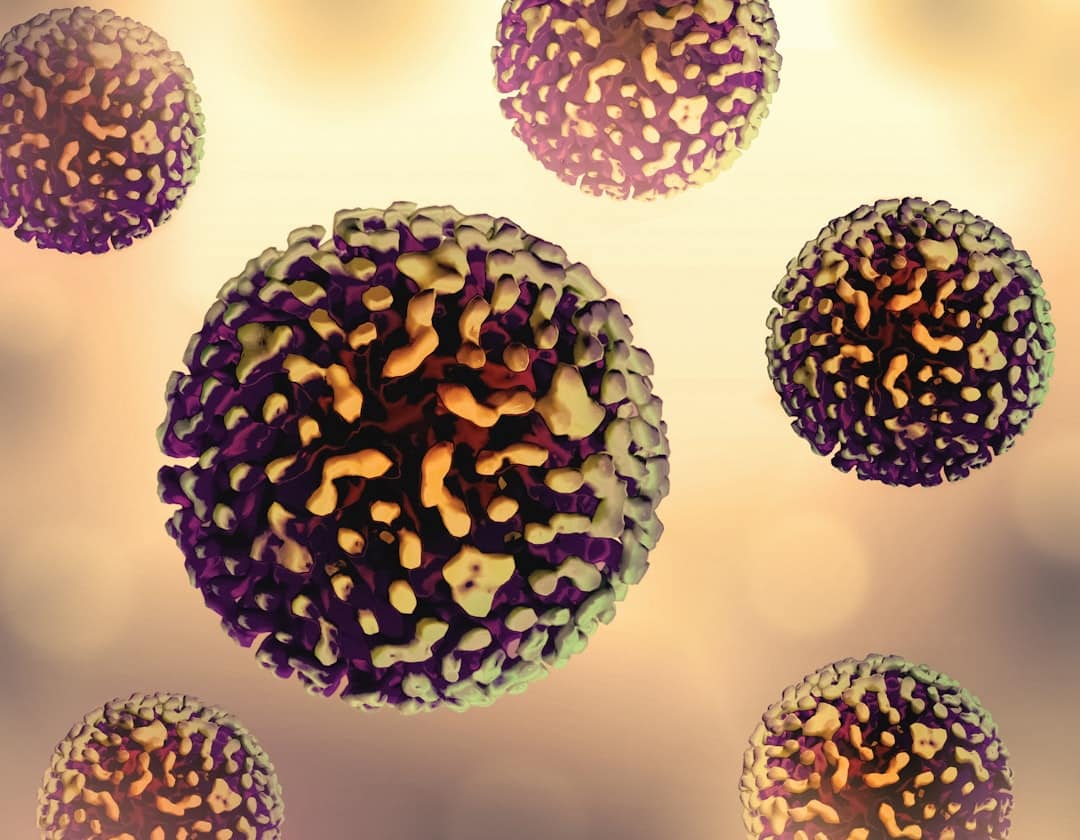
Histoplasmosis is an infection caused by a fungus named Histoplasma capsulatum. It mainly affects the lungs but can spread to other parts of the body.
The fungus lives in soil, especially where bird or bat droppings are found. People get infected by breathing in tiny spores from the air.
How Histoplasmosis Spreads
The fungus spores become airborne when soil or droppings are disturbed. People nearby can inhale these spores and get infected.
- Cleaning bird or bat droppings
- Working in caves or old buildings
- Disturbing soil during construction or farming
Is Histoplasmosis Contagious
Histoplasmosis does not spread from person to person. You cannot catch it by touching or being near someone who has it.
The only way to get histoplasmosis is by breathing in spores from the environment. It is not contagious like a cold or flu.
Symptoms Of Histoplasmosis
| Symptom | Description |
| Fever | High body temperature |
| Cough | Dry or with mucus |
| Chest Pain | Discomfort or pain in the chest |
| Fatigue | Feeling very tired |
| Shortness of Breath | Difficulty breathing |
People with weak immune systems have a higher chance of severe illness. Certain jobs and activities also increase risk.
- Farmers and construction workers
- People exploring caves
- Those living near bird roosts or bat caves
- Individuals with HIV or on immune-suppressing medicine
Credit: pro.dermavet.com
Causes Of Histoplasmosis
Histoplasmosis is a lung infection caused by a fungus called Histoplasma capsulatum. This fungus grows in soil that has bird or bat droppings.
People get histoplasmosis by breathing in tiny fungal spores from the air. The spores can spread when the soil is disturbed.
Fungal Spores In Soil
The main cause of histoplasmosis is inhaling spores from Histoplasma capsulatum. These spores live in soil with bird or bat droppings.
When the soil is disturbed by digging or construction, the spores become airborne and can be breathed in.
Bird And Bat Droppings
Bird and bat droppings help the fungus grow. These droppings add nutrients to the soil, creating a perfect place for spores.
Places like old buildings, caves, and chicken coops often have high amounts of these droppings.
Disturbing Contaminated Areas
Activities that disturb soil or droppings release spores into the air. Examples include farming, construction, and cleaning bird roosts.
- Digging soil in affected areas
- Cleaning old buildings or attics
- Exploring caves with bat droppings
- Removing bird nests
Environmental Factors
Warm and moist environments help the fungus grow. The fungus is common in river valleys and places with mild winters.
Areas with many birds or bats increase the chance of histoplasmosis exposure.
Transmission Methods
Histoplasmosis is a lung infection caused by a fungus called Histoplasma capsulatum. Understanding how it spreads helps prevent infection.
The fungus grows in certain environments, and people can get sick if they inhale its spores. This section explains how transmission happens.
Airborne Spores
The main way histoplasmosis spreads is through airborne spores. The fungus releases tiny spores into the air from soil or bird droppings.
People breathe in these spores, which can reach the lungs and cause infection. Disturbing soil or cleaning old bird nests can release spores.
- Soil with bird or bat droppings often contains spores
- Spore particles are very small and easy to inhale
- Spore inhalation causes most infections
Person-to-person Spread
Histoplasmosis does not spread from person to person. You cannot catch it by touching or being near someone with the infection.
The fungus lives in the environment, not inside the body. This means people do not pass histoplasmosis to others through coughing or contact.
Animal Transmission
Animals like bats and birds carry the fungus in their droppings. These droppings help the fungus grow in soil.
People get infected when they breathe in spores released from soil with old droppings. Animals do not spread histoplasmosis directly to humans.
- Bats and birds drop fungus spores in their waste
- Spores grow in soil mixed with droppings
- Disturbing these areas releases spores into the air
Symptoms To Watch For
Histoplasmosis is a lung infection caused by breathing fungal spores. Symptoms vary from mild to severe. Knowing what to watch for helps with early care.
Some people get mild symptoms, but others may face serious health problems. Watch for signs in each category below.
Mild Symptoms
Mild symptoms often look like a common cold or flu. They may appear within a week to two after exposure.
- Fever and chills
- Cough, often dry
- Chest pain
- Fatigue and weakness
- Headache
- Body aches
Severe Symptoms
Severe symptoms can develop if the infection spreads or the immune system is weak. Immediate medical help is needed.
- High fever over 102°F (39°C)
- Persistent cough with mucus or blood
- Shortness of breath or difficulty breathing
- Chest tightness or severe chest pain
- Weight loss and night sweats
Complications
Complications occur if histoplasmosis spreads beyond the lungs. This can affect other organs and cause serious issues.
| Complication | Signs to Watch For |
|---|---|
| Disseminated Histoplasmosis | Fever, weight loss, enlarged liver or spleen, anemia |
| Chronic Lung Disease | Long-term cough, lung scarring, breathing difficulty |
| Adrenal Gland Failure | Fatigue, low blood pressure, darkening of skin |
Who Is At Risk
Histoplasmosis is an infection caused by breathing in fungal spores. Not everyone exposed to these spores gets sick.
Some groups of people have a higher chance of getting sick from histoplasmosis. It is important to know who is at risk.
Immunocompromised Individuals
People with weak immune systems are more likely to get serious histoplasmosis. Their bodies cannot fight the infection well.
This includes people with HIV, cancer patients, and those taking medicines that lower immunity.
- HIV/AIDS patients
- Cancer patients on chemotherapy
- Organ transplant recipients
- People using steroids or immune-suppressing drugs
Occupational Exposure
Certain jobs increase the risk of inhaling fungal spores. Workers in these jobs may get histoplasmosis more often.
People who work in places with bird or bat droppings face higher risks.
- Farmers and agricultural workers
- Construction and demolition workers
- Cave explorers and miners
- Bird and bat droppings cleaners
Geographical Factors
Histoplasmosis is common in certain areas with specific soil and climate conditions. People living or visiting these areas have higher risk.
The fungus grows well in warm, moist soil enriched by bird or bat droppings.
- Ohio and Mississippi River valleys in the USA
- Parts of Central and South America
- Some areas in Africa and Asia
- Regions with old buildings or caves

Credit: www.youtube.com
Diagnosis Techniques
Diagnosing histoplasmosis requires several medical tests. Doctors use different methods to find the infection. These tests help detect the fungus and the body’s response.
Early diagnosis is important to start the right treatment. The main techniques include laboratory tests, imaging, and biopsy.
Laboratory Tests
Laboratory tests check samples from the body to find signs of histoplasmosis. These tests include blood tests, urine tests, and cultures.
- Blood tests:Look for antibodies or antigens linked to the fungus.
- Urine antigen test:Detects fungal proteins in urine.
- Cultures:Grow the fungus from samples like sputum or tissue.
- Serology:Measures the immune response to the infection.
Imaging
Doctors use imaging to view the lungs and other organs affected by histoplasmosis. Common imaging tests include chest X-rays and CT scans.
| Imaging Type | Purpose |
| Chest X-ray | Shows lung nodules or inflammation |
| CT Scan | Offers detailed images of lung damage |
| MRI | Used if the infection spreads to other organs |
Biopsy
A biopsy involves taking a small tissue sample to look for fungal cells. It helps confirm histoplasmosis when other tests are unclear.
Common biopsy sites include:
- Lung tissue
- Lymph nodes
- Bone marrow
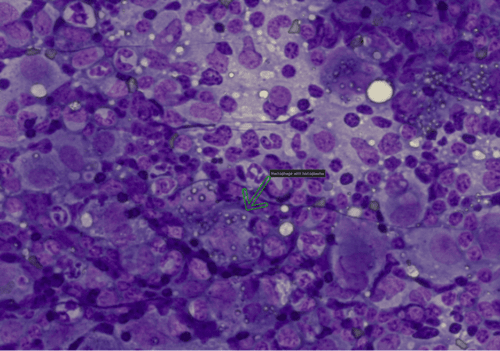
Pathologists examine the tissue under a microscope to detect the fungus.
Treatment Options
Treating histoplasmosis depends on how severe the infection is. Most people recover well with the right care. Doctors choose treatments based on symptoms and health status.
Two main treatment paths help manage histoplasmosis: antifungal medications and supportive care. Both aim to reduce symptoms and clear the infection.
Antifungal Medications
Antifungal drugs fight the fungus that causes histoplasmosis. They are key for serious or long-lasting infections. Mild cases might not need these medicines.
- Itraconazole:The most common medicine used. It is taken by mouth for several months.
- Amphotericin B:Used for severe infections. It is given by injection in the hospital.
- Fluconazole:An alternative when others cannot be used. It is less effective but still helpful.
Supportive Care
Supportive care helps the body heal and ease symptoms. It supports overall health during treatment.
| Supportive Care Type | Purpose |
| Rest | Helps the body recover energy |
| Fluids | Keeps the body hydrated |
| Pain Relievers | Reduces fever and discomfort |
| Oxygen Therapy | Used if breathing is hard |
Prevention Strategies
Histoplasmosis is an infection caused by breathing fungal spores. These spores grow in soil with bird or bat droppings. Preventing histoplasmosis means reducing contact with these spores.
Using simple strategies helps protect your health. Knowing how to avoid spores and protect yourself is important.
Avoiding Exposure
Stay away from places where spores are common. These include caves, old buildings, and areas with many bird or bat droppings.
- Do not disturb soil or droppings in high-risk areas
- Keep windows closed near bird roosts or bat caves
- Limit time spent in construction sites with dust
- Clean bird droppings carefully or hire professionals
Protective Equipment
Wear gear that stops spores from entering your lungs. Masks and gloves offer strong protection.
| Equipment | Purpose | When to Use |
| N95 Respirator Mask | Filters out fungal spores | Cleaning dusty areas or soil |
| Gloves | Protects hands from spores | Handling bird or bat droppings |
| Protective Clothing | Keeps spores off skin | Working in contaminated sites |
| Eye Protection | Prevents spores entering eyes | Disturbing dust or droppings |
Environmental Controls
Control the environment to lower spore levels. Cleaning and proper ventilation reduce risk.
Important environmental steps include:
- Wet down soil before digging to reduce dust
- Remove bird and bat droppings safely
- Use fans and open windows to improve airflow
- Seal cracks in buildings to block bats and birds
Myths About Contagiousness
Many people worry about catching histoplasmosis from others. This confusion leads to many myths about how the disease spreads. Understanding the truth helps stop fear and wrong ideas.
This article clears up common myths about whether histoplasmosis is contagious. It explains how the infection really works and how you can stay safe.
Histoplasmosis Spreads From Person To Person
One common myth is that histoplasmosis spreads through contact with infected people. This is not true. The fungus that causes histoplasmosis lives in soil, not inside the body.
People do not catch histoplasmosis by touching or being close to someone who has it. The infection comes from breathing in fungal spores in the air.
You Can Get It From Pets Or Animals
Some believe pets or animals can give them histoplasmosis. This idea is false. Animals do not carry or spread the fungus to humans.
- Histoplasmosis spores grow in soil with bird or bat droppings.
- Animals may bring spores on their fur but do not spread the disease.
- Humans get infected only by breathing spores in the air.
Histoplasmosis Is Easily Spread Indoors
Many think histoplasmosis spreads quickly inside homes or buildings. This is not correct. The fungus is mostly found outdoors in certain areas.
| Myth | Fact |
| Spreads easily inside homes | Fungus lives mainly outside in soil and droppings |
| Person-to-person spread | Does not spread from one person to another |
| Pets carry the fungus | Animals do not transmit histoplasmosis to humans |
Frequently Asked Questions
Is Histoplasmosis Contagious Between People?
No, histoplasmosis is not contagious. It spreads through inhaling fungal spores from the environment, not person-to-person contact.
Can Pets Transmit Histoplasmosis To Humans?
Pets do not transmit histoplasmosis. The fungus grows in soil with bird or bat droppings, not inside animals.
How Does Histoplasmosis Infection Occur?
Infection occurs by breathing in spores from disturbed contaminated soil or droppings. It is not spread through coughing or touching.
Who Is Most At Risk For Histoplasmosis?
People exposed to bird or bat droppings, such as farmers or spelunkers, are at higher risk. Immune-compromised individuals are more vulnerable.
Conclusion
Histoplasmosis is not contagious between people. It spreads through soil and bird droppings. Understanding this helps keep you informed and cautious. Always take precautions when around potential sources. Wear masks and gloves when handling soil or cleaning bird areas. Keep your environment clean and reduce contact with wild birds.
These steps help protect against infection. Awareness is key to prevention. Stay informed, stay safe, and protect your health.