Have you ever wondered if a hummingbird is actually a bird or an insect? It’s a question that might surprise you.
These tiny creatures move so fast and buzz around flowers like bees, making it hard to tell what they really are. If you’ve been curious about what hummingbirds really are and why they behave the way they do, you’re in the right place.
Keep reading, and you’ll discover the fascinating truth behind these amazing little beings.

Credit: www.wildlifenomads.com
Hummingbird Basics
Hummingbirds are small creatures known for their bright colors and fast wings. Many people wonder if hummingbirds are birds or insects.
Hummingbirds are birds. They belong to a special group of birds that can hover and fly backwards.
Physical Characteristics
Hummingbirds have tiny bodies with bright feathers. Their colors can shine like jewels in the sunlight.
They have long, thin beaks to reach deep into flowers. Their wings are unique and very fast.
- Size: About 3 to 5 inches long
- Weight: 2 to 20 grams
- Beak: Long and narrow
- Feathers: Bright and iridescent
Flight Patterns
Hummingbirds can hover in one place by moving their wings very fast. They flap their wings about 50 to 80 times per second.
They can fly forwards, backwards, and even upside down. This makes them very agile flyers.
- Wing beats: 50-80 times per second
- Flight style: Hovering and quick turns
- Movement: Forward, backward, and sideways
Habitat And Range
Hummingbirds live mostly in the Americas. They are found from Alaska to South America.
They prefer places with many flowers. Gardens, forests, and meadows are common habitats.
- Location: Mostly in the Americas
- Habitats: Gardens, forests, meadows
- Climate: Warm and temperate areas

Credit: www.wildlifenomads.com
Insect Features Compared
People often ask if a hummingbird is a bird or an insect. Both animals can fly fast and hover. We will look at some main differences to understand better.
This article compares insect features with those of hummingbirds. We focus on body structure, wing types, and life cycles.
Body Structure Differences
Hummingbirds have feathers, beaks, and two legs with claws. Insects have hard outer shells, called exoskeletons. They have six legs and three body parts: head, thorax, and abdomen.
- Hummingbirds have a backbone (vertebrates).
- Insects do not have a backbone (invertebrates).
- Hummingbirds have lungs to breathe air.
- Insects breathe through tiny holes called spiracles.
Wing Types And Movement
Hummingbirds have two wings covered with feathers. They move their wings in a figure-eight pattern to hover and fly backward. Insects usually have four wings made of thin membranes.
| Feature | Hummingbird | Insect |
| Number of Wings | 2 | 4 (usually) |
| Wing Covering | Feathers | Membrane |
| Flight Ability | Hover, fly backward | Depends on species |
| Wing Movement | Figure-eight | Up and down |
Life Cycle Contrasts
Hummingbirds hatch from eggs laid in nests. They grow feathers and learn to fly. Insects have different stages: egg, larva, pupa, and adult. This is called metamorphosis.
Life Cycle Stages:
- Hummingbird: Egg → Chick → Adult
- Insect: Egg → Larva → Pupa → Adult
Scientific Classification
Hummingbirds are fascinating creatures known for their small size and rapid wing movement. Many people wonder if hummingbirds are birds or insects due to their unique flying style.
This article explores their scientific classification to clear up confusion and explain their place in the animal kingdom.
Taxonomy Of Hummingbirds
Hummingbirds belong to the class Aves, which means they are birds. They are part of the family Trochilidae. Their classification shows they are not insects but true birds with feathers and beaks.
| Rank | Classification |
| Kingdom | Animalia |
| Phylum | Chordata |
| Class | Aves |
| Order | Apodiformes |
| Family | Trochilidae |
Common Misconceptions
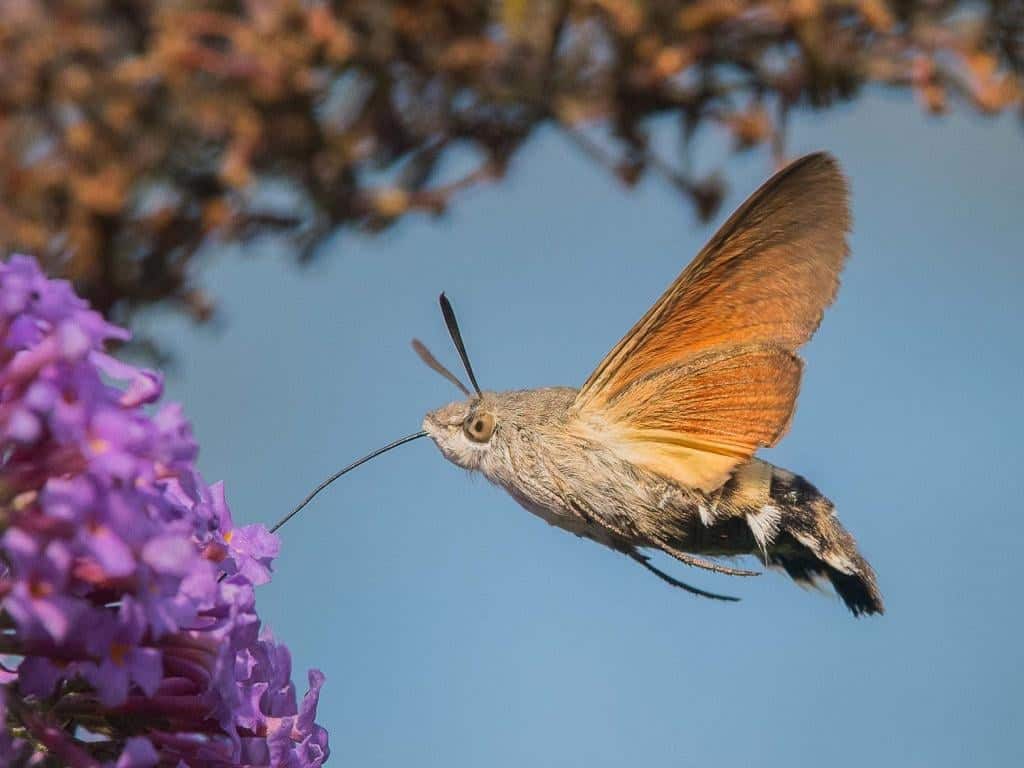
Many confuse hummingbirds with insects like bees or dragonflies. This is because they hover and beat their wings quickly. They also visit flowers like some insects do.
- Hummingbirds have feathers, insects do not.
- They have beaks and lay eggs like birds.
- Hummingbirds have a backbone; insects have an exoskeleton.
- Their wing structure is different from insect wings.
Key Identifiers
Hummingbirds have several features that prove they are birds. They have a skeleton, a beak, and feathers. Their wings move in a figure-eight pattern to hover.
- Feathers covering the body
- Warm-blooded metabolism
- Laying hard-shelled eggs
- Four-chambered heart
- Wings with bones similar to other birds

Credit: www.sacramentoaudubon.org
Behavior And Diet
Hummingbirds are small birds known for their fast wing flaps. They are often confused with insects because of their size and quick movements.
These birds have unique behaviors and diets that help them survive in nature. Understanding their feeding and role helps us learn more about them.
Feeding Habits
Hummingbirds mainly feed on nectar from flowers. Their long beaks help them reach deep inside blossoms.
They also eat small insects and spiders to get protein. This helps them stay healthy and strong.
- Use their long tongues to drink nectar
- Catch tiny insects while flying
- Feed many times a day due to high energy use
Pollination Role
Hummingbirds help plants by spreading pollen. When they visit flowers, pollen sticks to their feathers.
As they move from flower to flower, they carry pollen. This helps plants make seeds and grow new flowers.
- Transfer pollen during feeding
- Support plant reproduction
- Help keep ecosystems healthy
Interaction With Ecosystem
Hummingbirds play an important role in many ecosystems. They support plant growth and provide food for other animals.
Their presence shows a healthy environment. They also help control insect populations by eating bugs.
- Promote plant diversity through pollination
- Serve as prey for larger animals
- Control small insect numbers
Why Confusion Exists
Many people wonder if a hummingbird is a bird or an insect. This confusion happens because hummingbirds have unique features. Their small size and fast movements make them look like insects.
Understanding why people mix them up helps clear the confusion. Let’s look at the main reasons behind this mix-up.
Size And Speed Factors
Hummingbirds are very small birds. They are one of the tiniest birds in the world. Their size is close to some large insects.
These birds can flap their wings up to 80 times per second. This speed makes their wings blur, like the buzzing of an insect.
- Hummingbirds weigh about 2 to 20 grams.
- Wing flapping speed is extremely fast.
- Small size makes them easy to confuse with insects.
Visual Similarities
Hummingbirds have bright colors that can look like some insects. Their quick flying style also adds to the confusion. They hover in one place like bees or dragonflies.
Both hummingbirds and many insects can move backward and sideways while flying. This unusual flying skill is rare for most birds but common in insects.
- Bright, shiny colors are common in both.
- Hovering flight looks similar.
- Ability to move in many directions while flying.
Cultural References
In stories and art, hummingbirds are sometimes shown like insects. Their size and quickness make them appear like magical bugs. This adds to the confusion about what they really are.
Some cultures call hummingbirds “flying jewels” or “little fairies.” These names connect them with insects or small magical creatures instead of birds.
- Hummingbirds appear as magical beings in many tales.
- They are often linked to small insects in art.
- Names and stories blur the line between bird and insect.
Conclusion On Hummingbird Identity
Many people wonder if the hummingbird is a bird or an insect. This question comes from its small size and fast wing movement. Understanding what makes a hummingbird unique helps answer this.
We will look at the evidence about hummingbirds and then give a final verdict on their true identity.
Summary Of Evidence
Hummingbirds have feathers and wings like other birds. They breathe air and lay eggs. Their bones are light and hollow. These are all bird traits.
- Hummingbirds have beaks, not mouthparts like insects.
- They have two legs and two wings, unlike insects that have six legs.
- They build nests and care for their young, a bird behavior.
- Hummingbirds have a backbone and skeleton, insects do not.
Final Verdict
| Characteristic | Hummingbird | Insect |
|---|---|---|
| Feathers | Yes | No |
| Number of Legs | Two | Six |
| Skeleton Type | Internal (Backbone) | External (Exoskeleton) |
| Reproduction | Lays eggs in nests | Lays eggs or larvae in various places |
| Respiration | Breathes with lungs | Breathes through spiracles |
The facts show hummingbirds are birds, not insects. Their features and behaviors clearly match those of birds.
Frequently Asked Questions
Is A Hummingbird A Bird Or An Insect?
A hummingbird is a bird, not an insect. It belongs to the family Trochilidae and is known for rapid wing flapping and hovering flight.
How Can You Tell A Hummingbird From An Insect?
Hummingbirds have feathers, beaks, and wings, unlike insects. They also have a backbone, while insects have exoskeletons.
Why Do Hummingbirds Look Like Insects When Flying?
Hummingbirds flap their wings extremely fast, around 50-80 times per second. This makes them appear insect-like in flight.
What Makes Hummingbirds Unique Among Birds?
Hummingbirds can hover and fly backward. Their small size and rapid wing movement set them apart from most birds.
Conclusion
Hummingbirds are fascinating creatures. They are definitely birds. Not insects. Their vibrant colors and rapid wing movements captivate many. These tiny birds hover like insects but belong to the avian family. Their diet of nectar and insects supports their high energy needs.
Observing them can be delightful. Their unique flying skills and beauty make them nature’s marvels. Understanding their behavior enriches our appreciation of wildlife. Next time you see one, remember it’s a bird, not an insect. Enjoy watching these wonders in your garden or on nature walks.
They bring joy and wonder to our world.