
Have you ever found a juicy fruit with little peck marks left by birds and wondered if it’s safe to eat? You’re not alone.
It’s natural to feel unsure about biting into fruit that’s been nibbled on by wildlife. But what if I told you that understanding the risks and knowing how to handle bird-pecked fruit can keep you and your family safe? Keep reading, because by the end of this article, you’ll know exactly when it’s okay to enjoy that fruit and when to think twice.
Your health and peace of mind are worth it.
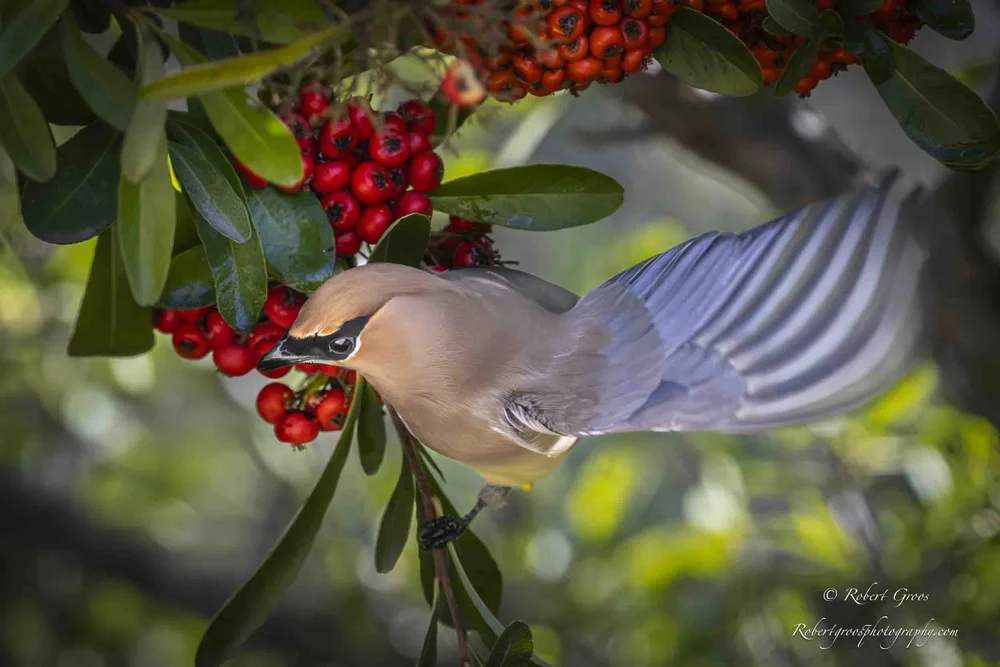
Credit: www.robertgroosphotography.com
Risks Of Bird Pecked Fruit
Eating fruit that birds have pecked can be risky. Birds can carry germs and other harmful things. It is important to know what dangers might be on the fruit.
This guide explains the main risks of bird pecked fruit. It covers bacteria, chemicals, and the role of different bird species.
Potential Bacteria And Parasites
Birds can spread bacteria and parasites to fruit. Their beaks and feet may carry these germs. Eating the fruit without washing it can cause illness.
- Salmonella can cause stomach pain and diarrhea.
- Campylobacter leads to food poisoning symptoms.
- Parasites like Cryptosporidium can cause stomach cramps.
- Bird droppings may also spread harmful bacteria.
Chemical Contaminants
Birds may carry chemicals on their feathers or feet. These chemicals can get on the fruit when birds peck it. Pesticides from nearby farms can also stick to the fruit skin.
| Chemical | Source | Health Risk |
| Pesticides | Farms | Can cause poisoning and allergies |
| Heavy metals | Pollution | May harm organs if eaten often |
| Cleaning agents | Bird baths | Can irritate stomach and skin |
Impact Of Bird Species
Not all birds carry the same risks. Some birds are more likely to spread germs. Others may carry fewer harmful substances. It is good to know which birds peck your fruit.
Common bird risks by species:
- Seagulls: Often carry bacteria from trash and water.
- Pigeons: Known to spread parasites and droppings.
- Songbirds: Lower risk but may still carry germs.
- Crows: Can pick up chemicals from urban areas.
Signs Of Unsafe Fruit
Bird pecked fruit may look tempting to eat, but it can hide dangers. You need to check for signs that show the fruit is unsafe.
Not all bird pecked fruit is bad, but some signs mean you should not eat it. Learning these signs helps keep you safe.
Visible Damage And Bruising
Look closely at the fruit’s surface. Large holes, deep cuts, or soft spots can mean damage inside. Bruises show the fruit is weak and may spoil faster.
Bird pecks often leave small holes or torn skin. If the damage is big or the fruit feels mushy, it is best to avoid eating it.
- Large holes or deep cuts
- Soft or mushy spots
- Cracked or torn skin
- Discolored bruises
Unusual Odors Or Colors
Fresh fruit smells sweet or neutral. If you notice a sour, fermented, or rotten smell, the fruit is unsafe. Strange colors can also mean spoilage.
Check inside the damaged area for colors like brown, black, or gray. These colors show the fruit is rotting or infected.
- Sour or rotten smell
- Fermented or alcohol-like odor
- Brown, black, or gray spots inside
- Unnatural color changes
Presence Of Insects Or Mold
Bird pecked fruit can attract insects and mold. Look for small bugs, webs, or fuzzy patches on the fruit. These signs show the fruit is not safe to eat.
Mold can be white, green, or black and often grows near damaged areas. Insects may hide inside holes or under the skin.
- Small insects or larvae
- Spider webs or insect trails
- Fuzzy mold patches in different colors
- Sticky or slimy texture caused by bugs
How To Clean Bird Pecked Fruit
Bird pecked fruit can carry dirt and germs from birds. It is important to clean the fruit well before eating. This guide explains safe cleaning methods.
Proper cleaning helps remove bacteria and makes the fruit safe to eat. Use these simple steps to clean your fruit after birds have pecked it.
Washing Techniques
Rinse the fruit under cold running water to remove dirt and bird droppings. Rub gently with your hands to clean the skin without damaging the fruit.
- Use a clean bowl or sink to wash the fruit.
- Do not use soap or detergent on fruit.
- Rinse for at least 20 seconds under cold water.
- Use a soft brush for fruits with hard skin.
Using Natural Disinfectants
Natural disinfectants can help kill germs on fruit surfaces. Vinegar and lemon juice are safe and effective choices to clean bird pecked fruit.
| Disinfectant | How to Use | Effect |
| White Vinegar | Mix 1 part vinegar with 3 parts water, soak fruit for 5 minutes, rinse well | Kills bacteria and removes pesticides |
| Lemon Juice | Apply lemon juice on fruit skin, let sit for 3 minutes, rinse with water | Natural antibacterial and freshens fruit |
Peeling Vs. Eating Skin
Peeling fruit removes the skin and any germs on it. Some fruits are safe to eat with skin if cleaned well, but others should be peeled.
- Peel fruits like apples and peaches if bird pecked areas look damaged.
- For berries and grapes, wash carefully and eat with skin if no damage shows.
- Peeling removes fiber and nutrients found in the skin.
- Choose peeling if you are unsure about cleanliness or damage.

Credit: www.reddit.com
When To Avoid Eating Pecked Fruit
Eating fruit pecked by birds can sometimes be safe. But certain conditions make it risky. Knowing when to avoid pecked fruit helps protect your health.
Birds can carry germs and cause damage to fruit. This damage can lead to mold and bacteria growth. These issues make the fruit unsafe to eat.
Severe Damage And Rot
If the fruit has large holes or soft spots, avoid eating it. Severe damage lets bacteria and fungi enter. Rotting fruit can cause stomach problems and infections.
- Fruit with deep bird pecks
- Visible mold or discoloration
- Soft, mushy areas around peck marks
- Fruit leaking juice or smelling bad
Unknown Bird Exposure
Birds can spread diseases from their droppings and feathers. If you do not know where the bird came from, it is safer to avoid the fruit. Birds in urban or polluted areas pose higher risks.
| Bird Type | Risk Level | Reason |
|---|---|---|
| Wild birds in nature | Low to Medium | Less exposure to pollution |
| Urban pigeons | High | Carry many germs and parasites |
| Birds near farms | Medium | Possible exposure to pesticides |
High-risk Health Conditions
People with weak immune systems should be careful. Eating pecked fruit can cause serious infections. This includes young children, elderly, and sick individuals.
- People with diabetes
- Those undergoing chemotherapy
- Anyone with HIV or immune diseases
- Young children and older adults
Preventing Bird Damage
Birds can peck at fruit and cause damage to your crops. This can lower the quality and make the fruit unsafe to eat. Taking steps to protect your fruit helps keep it fresh and healthy.
Using simple methods can reduce bird damage and improve your harvest. There are natural and physical ways to keep birds away from your fruit trees.
Protective Netting
Covering fruit trees with netting stops birds from reaching the fruit. This barrier is easy to set up and works well for small and large trees.
Choose netting with small holes to block even small birds. Make sure the net is tight and secure so birds cannot get inside.
- Use lightweight bird netting for easy handling
- Secure edges with stakes or weights
- Check netting often for holes or gaps
- Remove netting carefully during harvest
Natural Bird Repellents
Natural repellents can keep birds away without harming them. These repellents use smells, tastes, or sights that birds dislike.
Some common natural repellents include oils, plants, and reflective items. They work best when combined and changed often.
- Spray fruit with garlic or chili pepper water
- Plant herbs like mint or lavender nearby
- Hang shiny objects like aluminum foil strips
- Use fake predators like plastic owls
Harvesting Timing Tips
Picking fruit at the right time helps reduce bird damage. Birds like ripe fruit, so harvesting early can protect your crop.
Check fruit daily as it ripens. Plan to pick fruit before it becomes too soft or juicy, which attracts birds most.
- Watch fruit color and feel for ripeness
- Harvest in the morning when birds are less active
- Pick small amounts often instead of all at once
- Store harvested fruit quickly to keep it safe

Credit: www.reddit.com
Expert Recommendations
Eating fruit that birds have pecked raises safety questions. Experts advise caution and proper handling.
This guide shares expert tips to help you decide if such fruit is safe to eat.
Safe Consumption Practices
Bird-pecked fruit can carry germs or damage that speeds spoilage. Clean and inspect fruit carefully before eating.
- Wash fruit thoroughly with clean water.
- Cut away any bruised or damaged areas.
- Avoid fruit with mold or unpleasant smells.
- Consider peeling the fruit to reduce risk.
- Do not eat fruit that looks overly soft or rotten.
Consulting Health Professionals
If you feel unwell after eating bird-pecked fruit, seek medical advice. Some infections may need treatment.
Doctors or poison control centers can provide guidance on symptoms and care.
Handling Fruit From Wild Areas
Wild fruit may have extra risks from animals and environmental contaminants. Handle with care.
| Risk Factor | Recommended Action |
| Bird peck marks | Inspect and remove damaged parts |
| Wild animal contact | Wash fruit thoroughly |
| Unknown water source | Use safe water for washing |
| Possible pesticides or pollutants | Consider avoiding fruit near roads or farms |
Frequently Asked Questions
Is Bird Pecked Fruit Safe To Eat?
Bird pecked fruit can be safe if eaten soon after picking. Wash it thoroughly to remove dirt and bacteria. Avoid fruit with deep or moldy peck marks, as they may harbor harmful microbes.
Can Bird Pecking Cause Fruit Contamination?
Yes, bird pecking can introduce bacteria or fungi into fruit. Birds carry germs on their beaks, which can enter through pecked spots. Proper washing and inspection reduce contamination risk before consumption.
How To Handle Bird Pecked Fruit Safely?
Inspect the fruit for deep damage or mold. Cut away pecked areas to avoid bacteria. Wash fruit well under running water before eating or cooking for safety.
Does Bird Pecking Affect Fruit Quality?
Bird pecking can cause bruising and spoilage, reducing fruit quality. Open wounds speed up decay and attract insects. Consume pecked fruit quickly to enjoy better taste and freshness.
Conclusion
Eating bird-pecked fruit carries some risks. Birds might introduce bacteria. Washing the fruit can reduce this risk. Inspect fruits carefully before eating. Look for damage or mold. A few pecks might be safe, but caution is wise. Remember, freshness matters.
Fresh fruit is generally safer. Trust your senses. If it smells or looks bad, avoid it. Eating clean, safe fruit is important. Your health comes first. Choose wisely and enjoy your fruit safely.



