Have you ever wondered if a kiwi is a fruit or a bird? It’s a question that might surprise you, but many people get confused by the word “kiwi.” Is it the fuzzy green fruit you slice for breakfast, or is it the small, flightless bird native to New Zealand?
Understanding the difference can be more interesting than you think. Keep reading, and you’ll discover fascinating facts that will clear up this mystery once and for all. Your curiosity is about to pay off!

Credit: wildbloo.com
Kiwi As A Fruit
The kiwi is a small, fuzzy fruit with a bright green inside. It tastes sweet and slightly tangy. People often wonder if kiwi is a fruit or a bird. Here we focus on the kiwi as a fruit.
The kiwi fruit is popular worldwide. It is used in many recipes and loved for its unique flavor and texture.
Origins And Varieties
The kiwi fruit comes from China. It was first called the Chinese gooseberry. Later, it was named kiwi after a bird from New Zealand. Today, New Zealand grows many kiwis.
- Green kiwi: The most common type, with bright green flesh.
- Gold kiwi: Sweeter taste and yellow flesh.
- Hardy kiwi: Smaller and smooth-skinned, eaten with skin.
Nutritional Benefits
Kiwi fruit is healthy and full of nutrients. It helps the body in many ways.
| Nutrient | Amount in One Kiwi |
| Vitamin C | 71 mg (more than an orange) |
| Vitamin K | 40 mcg |
| Fiber | 2 grams |
| Potassium | 240 mg |
| Calories | 42 |
Culinary Uses
Kiwi fruit is used in many dishes. It adds flavor and color. You can eat it raw or use it in recipes.
- Slice kiwi for fruit salads
- Blend into smoothies
- Use as a topping on yogurt or cereal
- Add to desserts like tarts and cakes
- Make kiwi jam or sauces
Credit: medium.com
Kiwi As A Bird
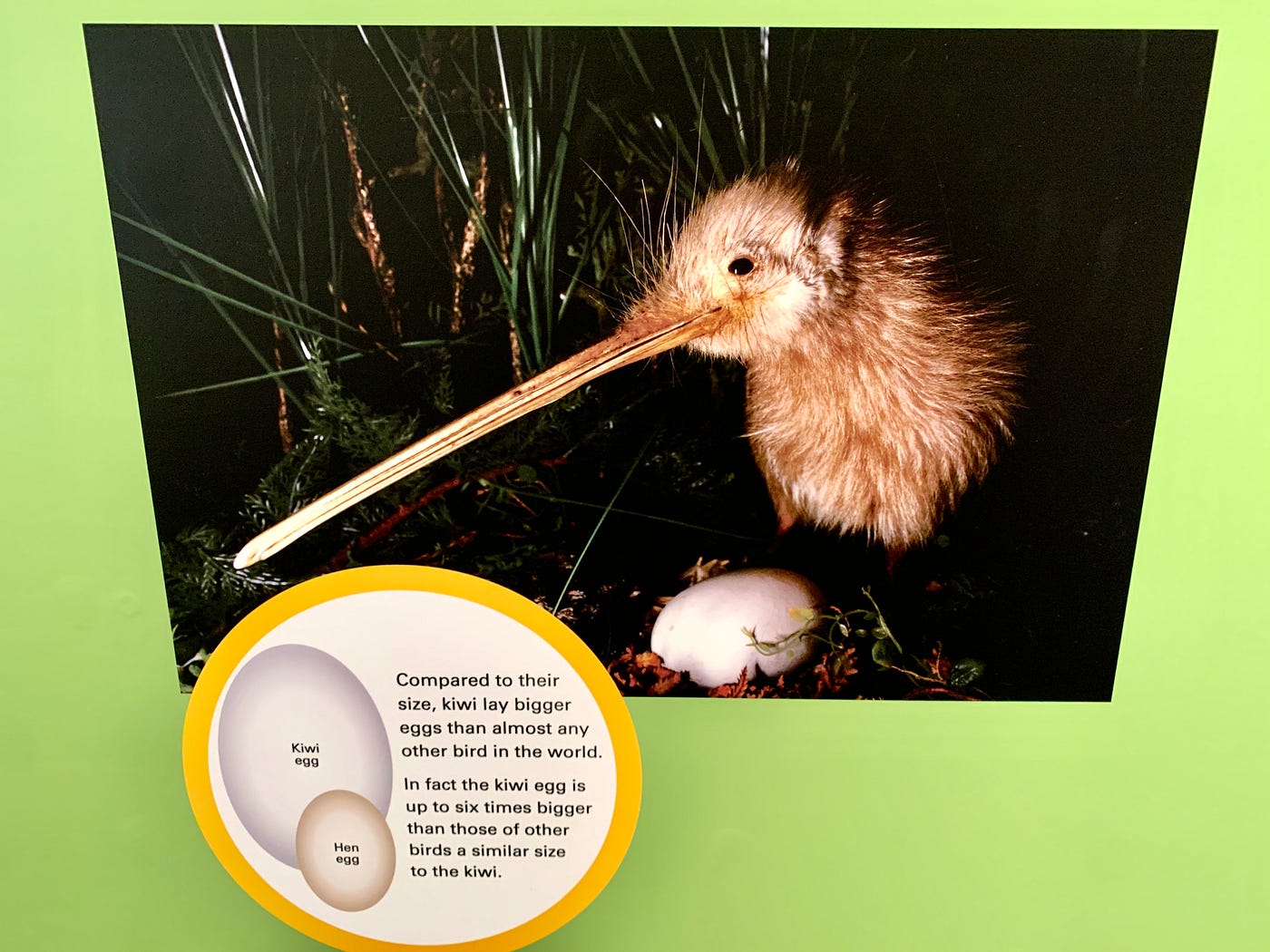
The kiwi is a unique bird found only in New Zealand. It is small and flightless with a long beak. People often confuse the kiwi fruit with the bird.
This bird has special features that make it different from other birds. It lives in forests and is active at night. Let’s learn more about its habitat, behavior, and conservation.
Habitat And Characteristics
Kiwis live in dense forests and scrublands. They prefer places with thick undergrowth. Their feathers look more like hair than bird feathers. Kiwis have tiny wings but cannot fly.
- Native only to New Zealand
- Brown and fuzzy feathers
- Long, thin beak with nostrils at the tip
- Strong legs for digging and running
Behavior And Diet
Kiwis are mostly active at night. They use their long beaks to find food in the soil. Their diet includes insects, worms, and small fruits. They have a good sense of smell to help find food.
| Behavior | Details |
| Nocturnal | Active at night to avoid predators |
| Foraging | Uses beak to dig for insects and worms |
| Territorial | Defends a home area from other kiwis |
| Monogamous | Usually mates for life |
Conservation Status
Kiwis face threats from habitat loss and predators like dogs and cats. Conservation efforts work to protect kiwi habitats and control predators. Some kiwi species are endangered.
- Fencing off kiwi habitats
- Trapping and controlling predators
- Breeding programs in captivity
- Community education and support
Differences Between The Fruit And The Bird
The word “kiwi” can mean two very different things. It may refer to a small fruit or a unique bird. Many people get confused about which is which.
This article explains the main differences between the kiwi fruit and the kiwi bird. It looks at their looks, importance, and common mix-ups.
Physical Appearance
The kiwi fruit and kiwi bird look very different. The fruit is small, fuzzy, and green inside. The bird is round, brown, and flightless.
| Feature | Kiwi Fruit | Kiwi Bird |
| Size | About 2-3 inches long | About the size of a chicken |
| Color | Brown fuzzy outside, green inside | Brown feathers with a long beak |
| Texture | Soft and juicy inside | Feathery and rough skin |
| Movement | Does not move on its own | Walks and runs, cannot fly |
Cultural Significance
The kiwi bird is a national symbol of New Zealand. The fruit is popular worldwide as a healthy snack. Both hold special places in culture.
- The kiwi bird represents New Zealanders, often called “Kiwis.”
- Kiwi fruit is often used in desserts and salads.
- Both are used in logos and branding for New Zealand products.
Common Misconceptions
Many people think the kiwi fruit comes from the kiwi bird or that they are related. This is not true. They share only the name.
Some common wrong ideas include:
- Thinking the kiwi fruit grows on trees where kiwi birds live.
- Believing the bird eats the kiwi fruit as its main food.
- Assuming the name “kiwi” means the same thing everywhere.
Why The Name ‘kiwi’ Applies To Both
The word “Kiwi” refers to two very different things: a small bird and a fruit. Both share the same name, which can cause confusion. The name comes from New Zealand and has a strong connection to the country.
The kiwi bird is native to New Zealand. The kiwi fruit, originally called Chinese gooseberry, was renamed for marketing reasons. Both have become symbols of New Zealand culture and identity.
Historical Background
The kiwi bird is a flightless bird that lives only in New Zealand. Early Māori people named the bird “kiwi” because of its distinctive call and shape. The bird has been part of New Zealand’s natural heritage for centuries.
The kiwi fruit was first grown in China and called Chinese gooseberry. In the early 20th century, New Zealand farmers started growing it. They renamed it “kiwi fruit” to make it more appealing in export markets.
- Kiwi bird: Native to New Zealand, named by Māori people
- Kiwi fruit: Originated in China, renamed by New Zealand farmers
- The shared name links both to New Zealand culture
Symbolism In New Zealand
The kiwi bird is a national symbol of New Zealand. People from New Zealand are often called “Kiwis.” The bird represents uniqueness and the country’s wildlife.
The kiwi fruit also symbolizes New Zealand’s agriculture and trade. It shows how the country shares its products with the world. Both the bird and the fruit express New Zealand’s identity.
- Kiwi bird: National symbol and nickname for New Zealanders
- Kiwi fruit: Represents New Zealand’s farming and exports
- Both show New Zealand’s natural and cultural pride

Credit: www.saturdayeveningpost.com
Frequently Asked Questions
Is Kiwi A Fruit Or A Bird?
Kiwi is both a fruit and a bird. The kiwi fruit is a small, fuzzy, green fruit. The kiwi bird is a flightless bird native to New Zealand. They share the same name but are entirely different.
Where Does The Kiwi Bird Live?
The kiwi bird is native to New Zealand. It lives in forests and grasslands. It is a nocturnal, flightless bird. The kiwi is a national symbol of New Zealand.
What Does The Kiwi Fruit Taste Like?
Kiwi fruit tastes sweet and slightly tangy. It has a juicy, soft texture. The flavor is a mix of strawberry, melon, and pineapple. Kiwi is rich in vitamin C and antioxidants.
How To Distinguish Kiwi Fruit From The Kiwi Bird?
Kiwi fruit is edible and has brown fuzzy skin. The kiwi bird is small, brown, and feathered. The fruit grows on vines; the bird lives on the ground. They are unrelated except for the name.
Conclusion
Kiwi is both a fruit and a bird. The fruit is green, juicy, and healthy. It provides vitamins and fiber. The bird, native to New Zealand, is flightless and unique. Both are fascinating in their own ways. Understanding the differences enriches knowledge.
Next time, enjoy a kiwi fruit or learn about the kiwi bird. Each offers something special. Share what you’ve learned with friends. They might find it interesting too. Embrace the beauty and diversity of kiwis in nature and food.