Have you ever wondered if your colorful parrot is a perching bird? Understanding this can change the way you care for your feathered friend.
Knowing whether parrots belong to this group helps you create a better home and environment for them. Keep reading to discover surprising facts about parrots and why this knowledge matters to you and your bird’s happiness.
Parrot Classification
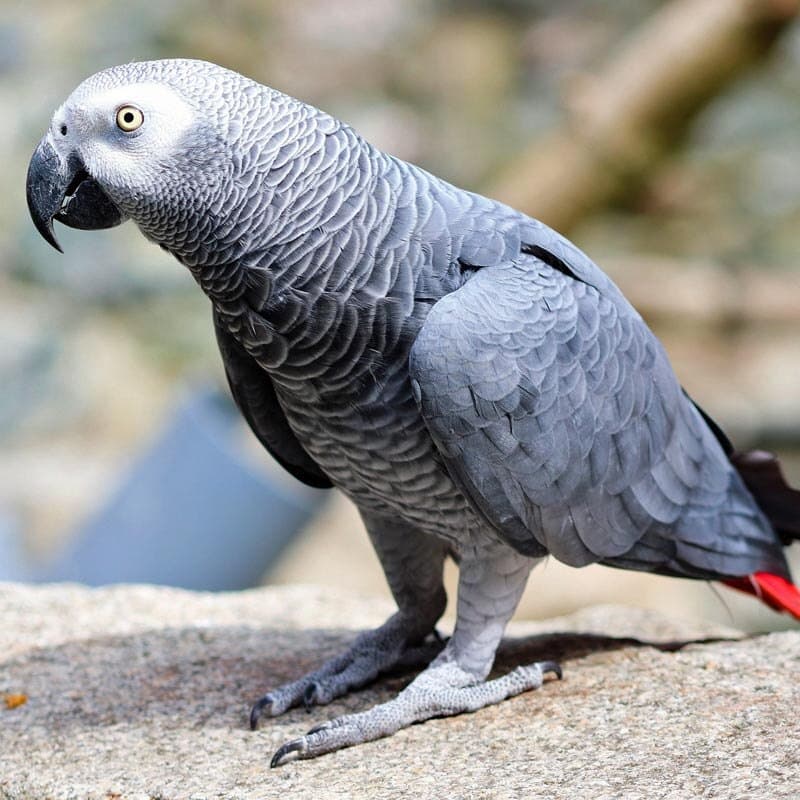
Parrots are colorful birds known for their intelligence. They belong to a specific group of birds called perching birds.
This group has many families, and parrots fit into one of them. Understanding their classification helps us learn about their traits and relatives.
Bird Families
Birds are divided into many families based on their features. These families show how birds are related to each other.
Some common bird families include finches, sparrows, and crows. Each family has unique traits that group its members together.
- Finches: Small birds with strong beaks for seeds
- Sparrows: Small, brown, and common in many areas
- Crows: Large, black birds known for intelligence
Where Parrots Fit
Parrots belong to the family called Psittacidae. This family is part of the order Psittaciformes.
Psittacidae includes many types of parrots, like macaws, cockatoos, and parakeets. These birds have strong curved beaks and zygodactyl feet.
- Strong, curved beaks for cracking nuts
- Zygodactyl feet: two toes forward, two backward
- Bright colors and loud calls
What Defines Perching Birds
Perching birds are known for their ability to grip branches and other surfaces firmly. They have special feet that help them hold on tightly while resting or sleeping.
These birds make up a large group called Passeriformes. They include many common birds like sparrows, finches, and crows. Understanding their traits helps us learn if parrots belong to this group.
Physical Traits
Perching birds usually have three toes pointing forward and one toe pointing backward. This toe arrangement helps them grip branches well. Their feet are strong and flexible for holding on tightly.
Parrots also have a unique foot structure called zygodactyl feet. They have two toes pointing forward and two pointing backward. This helps parrots grasp branches and objects firmly.
- Perching birds: three toes forward, one backward
- Parrots: two toes forward, two backward (zygodactyl)
- Both have strong feet for gripping
Behavioral Patterns
Perching birds often rest and sleep while holding onto branches. They can lock their feet to stay perched without falling. This behavior helps them stay safe from predators.
Parrots also perch on branches and use their feet to hold food. They are skilled climbers and use their strong feet for balance and movement in trees.
- Perching birds lock feet to stay on branches while resting
- Parrots use feet for climbing and holding food
- Both show strong grip and balance in trees
Parrots And Perching Traits
Parrots are known for their bright colors and intelligence. They belong to a group of birds called perching birds.
Perching birds have special features that help them sit and move on branches. This helps parrots live in trees easily.
Foot Structure
Parrots have strong feet with four toes. Two toes point forward and two point backward.
This foot design helps parrots grip branches tightly. It also helps them hold food while eating.
- Two toes forward for gripping
- Two toes backward for balance
- Strong claws for holding branches
Perching Behavior
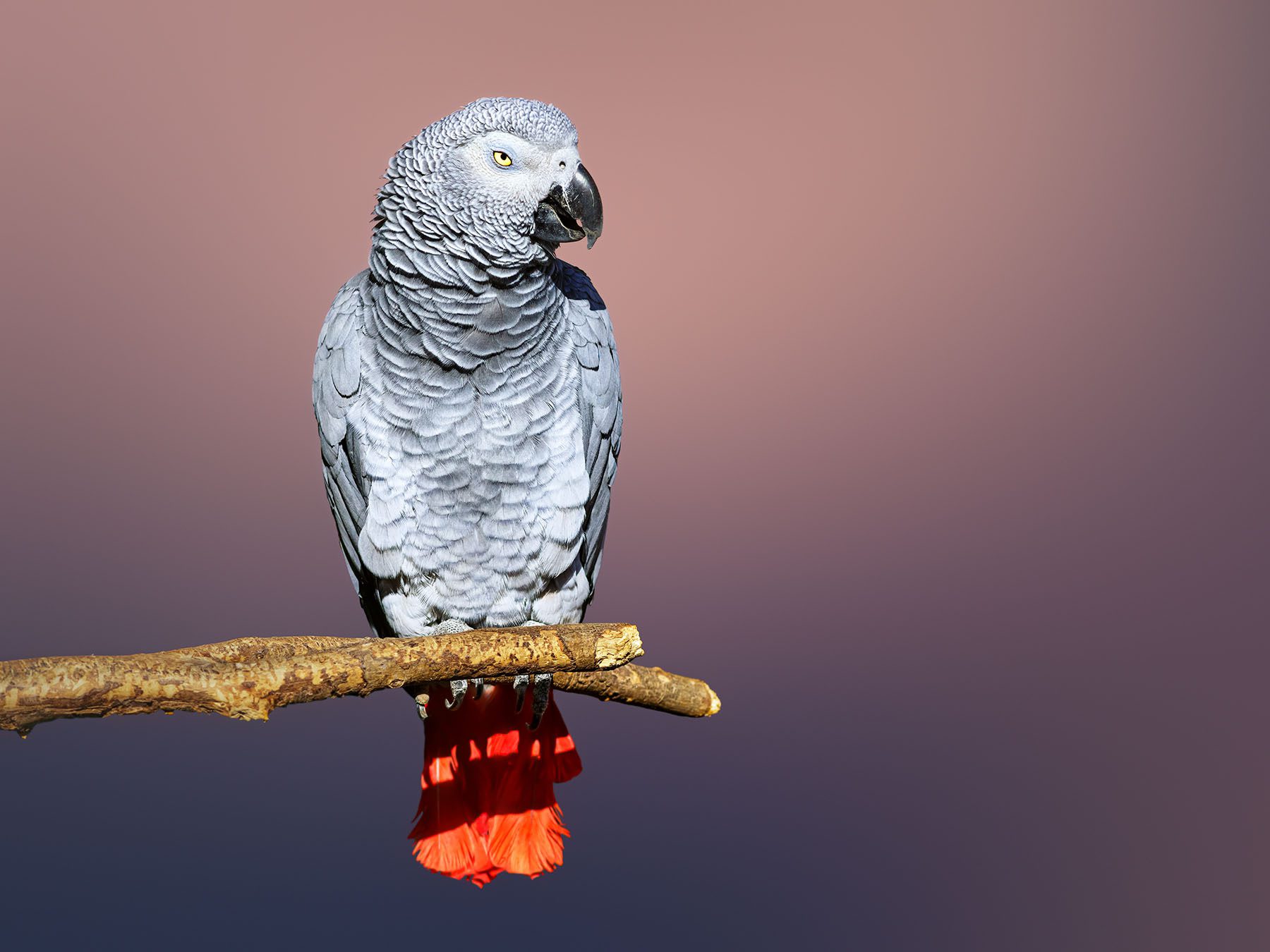
Parrots spend much time perching on tree branches. They use their feet to hold on securely.
Perching helps parrots rest, watch for predators, and eat food. They can stay balanced even on thin branches.
- Use feet to grasp branches firmly
- Stay balanced while moving or resting
- Perch to eat and watch surroundings
Credit: birdfact.com
Habitats Of Parrots
Parrots live in many places around the world. They mostly stay where they can find food and shelter.
These birds are known for their bright colors and loud calls. Their habitats help them survive and thrive.
Natural Environments
Parrots live in different natural environments like forests, savannas, and wetlands. These places give them food and safe spots to nest.
- Tropical rainforests with tall trees
- Woodlands with plenty of shrubs
- Grasslands near water sources
- Mountainous areas with dense foliage
Perching In The Wild
Parrots perch on branches to rest and watch for food or danger. Their strong feet help them hold on tightly.
| Perching Spot | Purpose |
| High tree branches | Lookout for predators |
| Thick shrubs | Rest and hide |
| Near food sources | Easy access to food |
| Tree hollows | Nesting and shelter |
Common Misconceptions
Many people wonder if parrots are perching birds. There is some confusion about this topic. This is because parrots have unique features that make them different.
It is important to understand what makes a bird a perching bird. This helps clear up wrong ideas about parrots.
Parrots Vs. Other Birds
Perching birds have feet made for gripping branches. They usually have three toes pointing forward and one toe pointing back. Parrots also have toes like this but with a twist.
Unlike many perching birds, parrots have two toes pointing forward and two pointing backward. This helps them hold objects and climb better.
- Most perching birds: 3 toes forward, 1 back
- Parrots: 2 toes forward, 2 back (zygodactyl feet)
- Both types use feet to grip branches
Clarifying The Truth
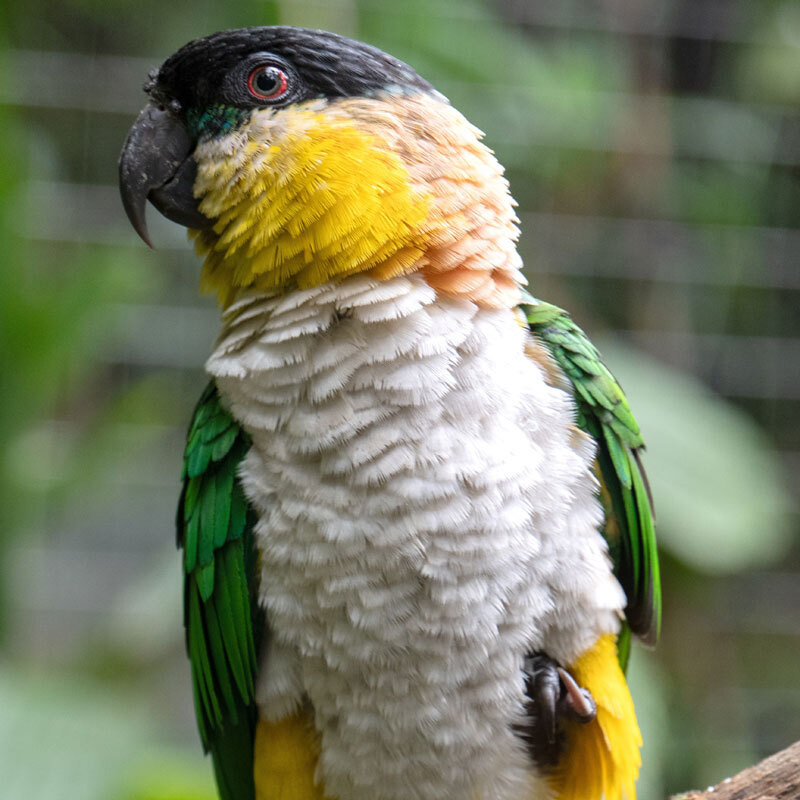
Parrots belong to the order Psittaciformes. They are considered perching birds because of their ability to grasp branches. Their special feet help them perch firmly.
Even though their toe arrangement is different, parrots fit the perching bird group. Their strong feet and claws help them stay balanced on branches.
Credit: lafeber.com
Why Perching Matters
Parrots are known for their strong feet that help them perch on branches. Perching is important for many birds, including parrots. It allows them to rest, eat, and stay safe.
Understanding why parrots perch helps us learn about their behavior and survival. It also shows how their bodies adapt to life in the trees.
Survival And Adaptation
Perching helps parrots stay safe from predators by allowing quick escapes. Their feet have strong toes that wrap around branches tightly. This grip helps them hold on even in strong winds.
Parrots also use perching to reach food like fruits and seeds. Their ability to perch well lets them explore many parts of the forest to find food.
Role In Ecosystems
Perching birds like parrots play a key role in spreading seeds. When they eat fruit, seeds pass through their bodies and fall in new places. This helps plants grow in different areas.
Parrots also help keep tree populations healthy by choosing where they perch and feed. Their movements support the balance of forest life.

Credit: lafeber.com
Frequently Asked Questions
What Defines A Parrot As A Perching Bird?
Parrots are perching birds because they have strong, curved feet. Their toes help them grasp branches firmly. This adaptation allows them to perch securely in trees.
Are All Parrots Classified Under Perching Birds?
Yes, all parrots belong to the order Passeriformes. This group is known as perching birds or songbirds. Their foot structure confirms their classification.
How Do Parrots’ Feet Aid In Perching?
Parrots have zygodactyl feet, with two toes facing forward and two backward. This unique foot design improves grip and balance on branches and other perches.
Do Parrots’ Perching Habits Affect Their Behavior?
Yes, perching helps parrots stay safe and observe their environment. It influences their social interactions and feeding habits, as they often perch while foraging.
Conclusion
Parrots are indeed perching birds. They have strong feet with toes that wrap around branches. This helps them hold on tightly and move easily in trees. Their perching ability is key to their daily life. It lets them find food and stay safe from danger.
Knowing this helps us understand parrots better. They are special birds with unique habits. Watching them perch shows their skill and balance. This simple fact adds to their charm and nature.