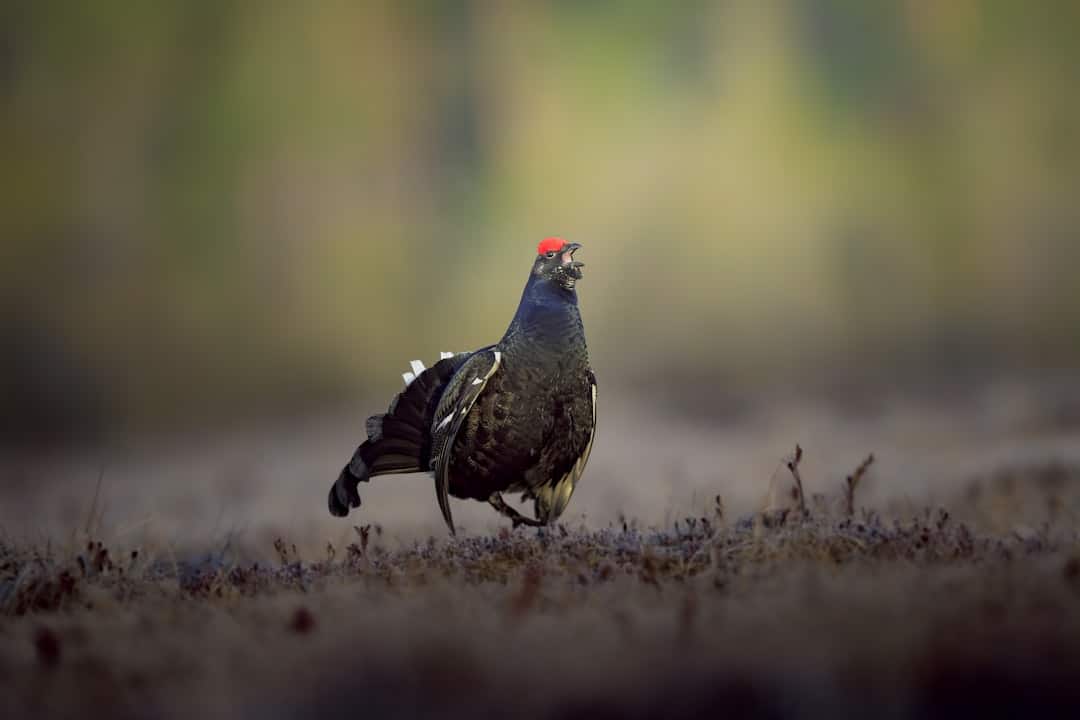
Have you ever wondered if the pheasant you spot in the wild truly belongs to the forest uplands? Understanding where pheasants live can change the way you see these beautiful birds.
If you’re curious about their natural habitat and want to know if pheasants really thrive in forest upland areas, this article is for you. By the end, you’ll have clear answers that might surprise you—and help you appreciate these birds even more.
Keep reading to uncover the truth about pheasants and their home.
Pheasant Habitats
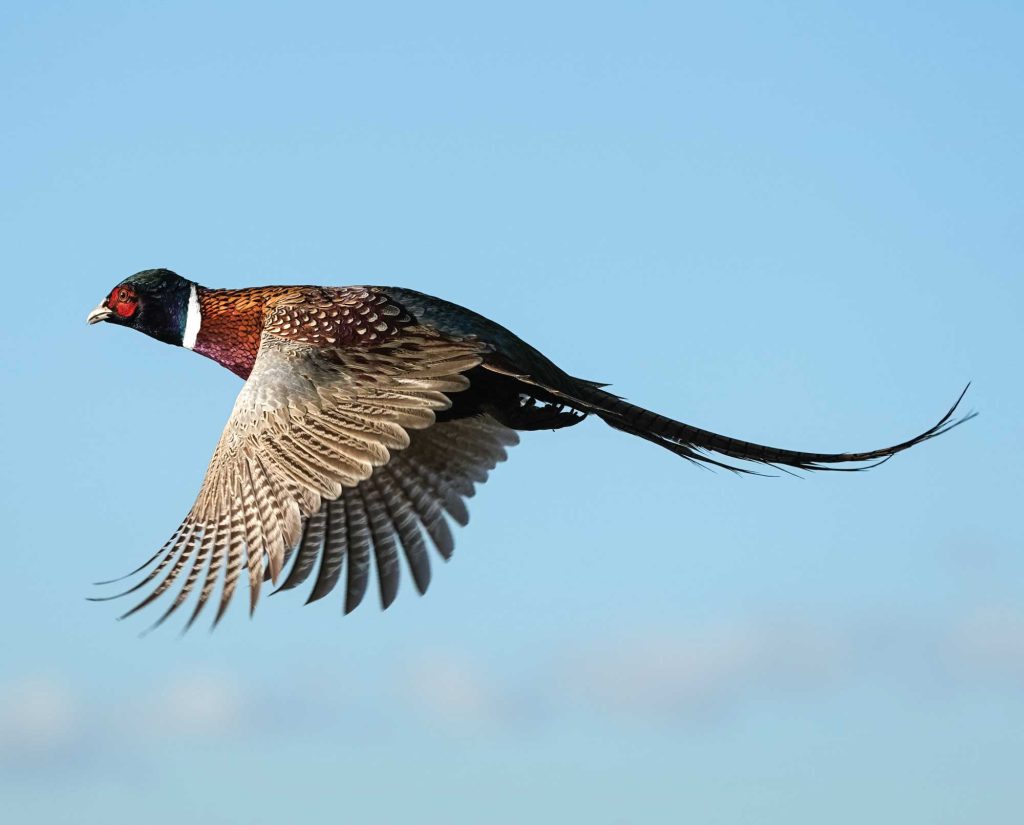
Pheasants live in many types of places. They prefer areas that give food and shelter.
Knowing where pheasants live helps us understand if they are forest upland birds.
Natural Environments
Pheasants often live near woods but not deep inside forests. They like edges where forest meets open land.
These birds need cover for safety and open ground for searching food like seeds and insects.
- Forest edges with bushes
- Grasslands and farmland near woods
- Brushy upland areas
Common Locations
Pheasants are common in upland areas with mixed habitats. They live in farmlands near forests.
In many places, they live where hills or gentle slopes meet open fields and woods.
- Farmland with nearby forest patches
- Hilly uplands with grassy areas
- Shrubby edges along woodlands
Adaptation To Terrain
Pheasants adapt well to uneven land. They use hills and slopes to hide and find food.
They walk and run on upland terrain easily but avoid dense forest floors that are dark and wet.
- Use slopes for better visibility
- Hide in thick bushes on uplands
- Feed on seeds found in open upland spots
Credit: projectupland.com
Characteristics Of Forest Birds
Forest birds live in areas with many trees and plants. They have special traits to help them survive in forests.
Pheasants are often seen in open fields. People ask if pheasants count as forest upland birds.
Typical Features
Forest birds usually have strong legs for walking on uneven ground. Their feathers help them blend into the trees.
They often have sharp beaks to eat insects and fruits found in the forest. Their eyes help them see in low light.
- Camouflaged feathers
- Strong legs for ground movement
- Sharp beaks for varied diet
- Good eyesight in dim light
Behavior Patterns
Forest birds usually stay close to trees for safety. They move quietly to avoid predators.
Many forest birds search for food on the ground and in bushes. They build nests hidden in trees or shrubs.
- Stay near tree cover
- Move quietly and carefully
- Feed on insects and berries
- Make hidden nests
Habitat Preferences
Forest birds prefer dense woods with many plants. They need places to hide and find food easily.
Pheasants live in open upland fields and forest edges. They do not usually live deep inside forests.
- Dense woods with thick plants
- Safe places to hide from predators
- Easy access to insects and seeds
- Pheasants prefer open areas near forests
Traits Of Upland Birds
Upland birds live mostly in forests and open hills. They have special traits that help them survive in these areas.
Understanding their traits helps us know if pheasants fit as forest upland birds.
Defining Upland Species
Upland birds usually have strong legs and can fly short distances. They live on the ground or low in trees. They like areas with bushes and trees for cover.
- Strong legs for walking and running
- Short, quick flights instead of long flights
- Preference for wooded or bushy areas
- Ground or low tree nesting habits
Environmental Needs
Upland birds need a mix of open spaces and thick cover. They use bushes to hide from predators. They also need clean water and plenty of food nearby.
| Need | Description |
| Cover | Thick bushes or low trees for hiding |
| Open Areas | Spaces for feeding and moving |
| Water | Access to clean water sources |
| Food | Seeds, insects, and small plants |
Movement And Feeding
Upland birds walk or run on the ground to find food. They fly in short bursts to escape danger. Their diet includes seeds, insects, and small plants.
- Walk or run mostly on the ground
- Fly quickly for short distances
- Eat seeds, insects, and plants
- Forage early in the morning and late afternoon
Credit: projectupland.com
Pheasant Behavior And Habitat Use
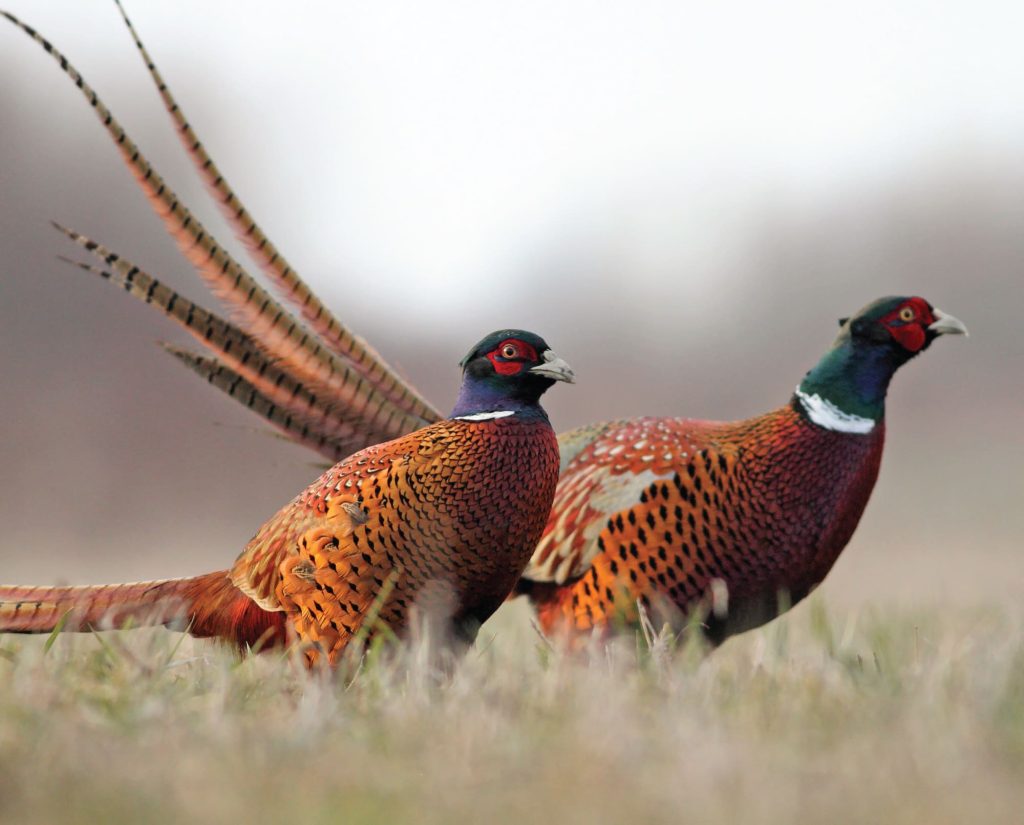
Pheasants are birds often seen in open fields and farmlands. They are not typical forest upland birds. Their behavior and habitat use show how they adapt to different environments.
Understanding pheasant daily activity, nesting sites, and seasonal movements helps us learn where they live and how they survive.
Daily Activity
Pheasants are mostly active during the day. They spend mornings and evenings searching for food. They eat seeds, insects, and plants.
During hot midday hours, pheasants rest in tall grass or bushes to stay cool and hidden from predators.
- Active at dawn and dusk
- Feed on seeds, insects, and plants
- Rest in dense cover during midday
Nesting Sites
Pheasants usually build nests on the ground. They prefer tall grasses or thick brush to hide their nests. This helps protect eggs from predators.
They avoid dense forests and upland areas. Instead, they choose edges of fields, wetlands, or farmland for nesting.
- Nests are on the ground
- Use tall grass or brush for cover
- Avoid dense forests and uplands
- Prefer field edges and wetlands
Seasonal Movements
Pheasants do not migrate long distances. They stay in the same general area year-round. Seasonal changes affect their behavior and habitat use.
In winter, pheasants move to thicker cover for warmth and food. In spring and summer, they spread out to find nesting sites and food.
- Non-migratory birds
- Stay in local areas all year
- Use thick cover in winter
- Spread out in spring and summer
Comparing Pheasants To Forest And Upland Birds
Pheasants are often found in areas near forests and uplands. They share some traits with birds in these habitats. Still, pheasants have unique features that set them apart.
This article looks at how pheasants compare to forest and upland birds. We explore their habitats, lifestyles, and roles in nature.
Habitat Overlaps
Pheasants live in places where forest and upland birds also thrive. They like areas with dense cover and open fields. This mix offers food and protection.
- Pheasants prefer edges between fields and woods.
- Forest birds mostly stay deep inside wooded areas.
- Upland birds live on higher, open lands with few trees.
- Some habitats overlap, but each bird has a favorite zone.
Differences In Lifestyle
Pheasants and forest or upland birds act differently in nature. Pheasants spend much time on the ground. They walk and scratch for food. Forest birds often perch in trees. Upland birds may fly more to find food.
| Bird Type | Primary Activity | Food Source |
| Pheasants | Ground walking and scratching | Seeds, insects, plants |
| Forest Birds | Perching and flying among trees | Insects, fruits, small animals |
| Upland Birds | Flying and running in open areas | Seeds, insects, small mammals |
Ecological Role
Each bird helps its environment in special ways. Pheasants spread seeds and control insect numbers. Forest birds keep tree pests low and spread fruits. Upland birds help keep grassland healthy by eating insects and small animals.
- Pheasants: Seed dispersal and insect control.
- Forest Birds: Pest control and fruit spreading.
- Upland Birds: Maintaining grassland balance.
Human Impact On Pheasant Habitats
Pheasants often live in forest uplands and nearby areas. Human activities change these places a lot. These changes affect where pheasants can live and find food.
Understanding how humans impact pheasant habitats helps us protect these birds. It is important to see what causes harm and what helps pheasant populations grow.
Land Use Changes
Humans change land for farming, building, and roads. This removes trees and plants pheasants need. Forest upland areas become smaller or broken into pieces.
Less space and food make it hard for pheasants to survive. Some land changes cause soil erosion and reduce water quality too.
- Clearing forests for farms
- Building houses and roads
- Removing shrubs and grasslands
- Fragmenting habitats into small patches
Conservation Efforts
People and groups work to protect pheasant habitats. They plant native trees and shrubs. They also create safe areas where pheasants can live freely.
Conservation helps keep the forest upland healthy. It also improves food sources and shelter for pheasants. Education teaches people to respect nature.
- Reforesting cleared areas
- Building wildlife reserves
- Controlling hunting and trapping
- Raising public awareness about habitats
Population Trends
Pheasant numbers change with habitat health. In places with more forests and food, populations grow. Where land is lost, numbers drop.
Scientists watch pheasant populations to see how they respond to changes. This data guides future habitat protection and restoration efforts.
- Stable or growing populations in protected forests
- Declining numbers in urban or farm areas
- Population drops linked to habitat loss
- Recovery seen after conservation actions
Credit: huntwise.com
Frequently Asked Questions
Is Pheasant Considered A Forest Upland Bird?
Pheasants are often found in upland forests and grasslands. They thrive in areas with dense cover and open spaces. These birds prefer mixed habitats rather than dense deep forests alone. Thus, pheasants are commonly classified as forest upland birds.
Where Do Pheasants Typically Live In The Wild?
Pheasants typically live in upland regions with mixed woodlands and grasslands. They favor habitats that provide shelter, food, and open areas for foraging. These birds avoid dense forests but thrive in edge habitats between woods and open fields.
Do Pheasants Prefer Forest Or Open Upland Areas?
Pheasants prefer a combination of open upland areas and forest edges. They use forests for cover and protection. Open areas provide feeding grounds. This mix supports their survival by offering shelter and food resources.
Are Pheasants Native To Forest Upland Regions Worldwide?
Pheasants are native to parts of Asia, especially forest upland areas. They have been introduced worldwide, adapting well to similar upland habitats. Their preference for forest edges and open uplands remains consistent globally.
Conclusion
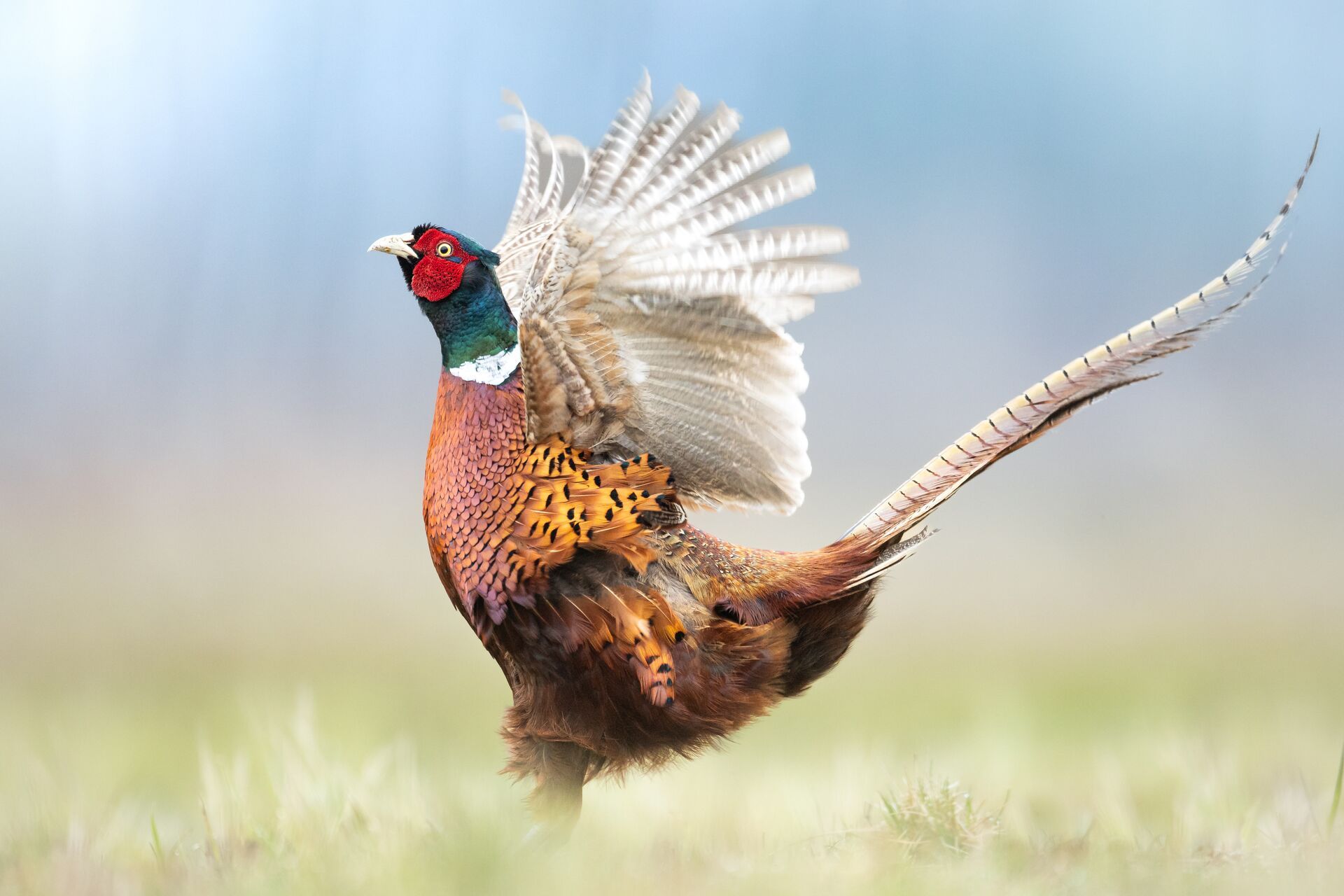
Pheasants thrive in forest upland areas. Their adaptability is impressive. These birds prefer open fields and wooded spaces. They find shelter and food easily. Their colorful feathers blend with surroundings. Hunting pressure affects their population. Conservation efforts are crucial. Understanding their habitat needs helps.
Protecting natural environments supports their survival. Observing pheasants in the wild is rewarding. They enrich biodiversity and ecosystems. So, appreciating pheasants is important. Their presence signifies healthy habitats. Let’s cherish and conserve these remarkable birds.