Have you ever spotted a bright blue bird perched quietly on a branch and wondered what kind of bird it is? If you’ve seen a Mountain Bluebird, you might be curious about how it behaves and where it likes to rest.
Is the Mountain Bluebird a perching bird? Understanding this can change the way you observe and appreciate these stunning creatures in your own backyard or on your next hike. Keep reading to discover fascinating facts about the Mountain Bluebird’s habits and what makes it unique among birds.
This insight will help you connect more deeply with nature every time you see that splash of blue in the sky.
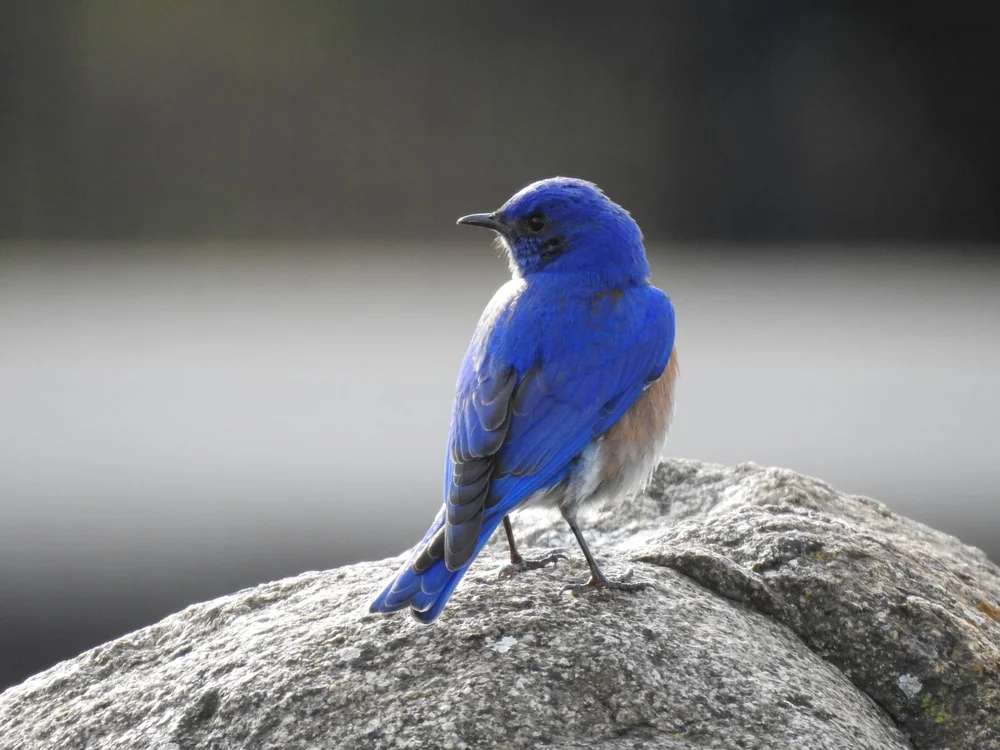
Credit: www.sacramentoaudubon.org
Mountain Bluebird Basics
The mountain bluebird is a small bird known for its bright blue color. It is a member of the thrush family.
This bird is often seen perched on trees or wires in open areas. It is a true perching bird.
Physical Features
The mountain bluebird has a slim body with bright blue feathers on the back and head. Males show more vivid blue than females.
- Length: about 7 inches
- Wingspan: around 12 inches
- Weight: 27 to 32 grams
- Beak: short and pointed for catching insects
- Legs: thin and suited for perching
Natural Habitat
The mountain bluebird lives in open spaces like meadows and mountain valleys. It prefers areas with few trees but many perches.
| Region | Habitat Type |
| Western North America | Mountain meadows, grasslands |
| Open forests | Edges of pine and spruce woods |
| High elevations | Alpine and subalpine zones |

Credit: frametoframe.ca
What Are Perching Birds?
Perching birds are a large group of birds known for their ability to grip branches with their feet. They have special feet with three toes pointing forward and one toe pointing backward.
This toe arrangement helps them hold tightly to branches and wires, making it easy to rest or sleep while perched. Many common songbirds belong to this group.
Key Characteristics
Perching birds share some clear traits that help them live in trees and bushes. Their feet are strong and shaped for gripping. Most have a lightweight body and a sharp beak for catching insects or eating seeds.
- Three toes face forward and one toe faces backward
- Strong foot muscles for gripping branches
- Light body weight to balance easily
- Beaks vary depending on diet
- Often have good singing abilities
Common Examples
| Bird | Habitat | Diet |
| American Robin | Woodlands and gardens | Insects and berries |
| Northern Cardinal | Forests and backyards | Seeds and fruits |
| House Sparrow | Urban areas | Seeds and scraps |
| Mountain Bluebird | Open mountains and fields | Insects and berries |
Mountain Bluebird's Behavior
The mountain bluebird is a perching bird known for its bright blue color. It lives in open areas like fields and mountains. This bird often sits on branches or wires to watch for food.
Mountain bluebirds are active during the day. They use their sharp eyes to find insects and berries. Their behavior helps them survive in different seasons.
Feeding Habits
Mountain bluebirds mainly eat insects and small fruits. They catch insects by flying low over the ground. They also pick berries from bushes during fall and winter.
They sit on a perch to watch for moving insects. When they see food, they quickly fly down to catch it. This hunting style is typical for perching birds.
- Eat mostly insects in spring and summer
- Switch to berries and fruits in colder months
- Hunt by flying low and perching high
Nesting Patterns
Mountain bluebirds build nests in holes or cavities. They often use old woodpecker holes or nest boxes. The female lays eggs and stays to keep them warm.
Both parents help feed the chicks after they hatch. The nest is usually hidden to protect from predators. They prefer open areas with scattered trees for nesting.
- Use cavities or nest boxes for nesting
- Female lays 4 to 6 eggs per clutch
- Both parents care for the young birds
Perching Traits In Mountain Bluebirds
Mountain Bluebirds are small birds often seen perched on branches or wires. Their ability to perch well helps them rest and watch for insects.
This article looks at how their feet and claws help them perch and what they do while perched.
Feet And Claw Structure
Mountain Bluebirds have feet designed for gripping. They have three toes pointing forward and one toe pointing backward. This toe arrangement is called anisodactyl.
- The backward toe helps hold onto branches firmly.
- The claws are curved and sharp to grasp tightly.
- The feet can lock in place to hold without tiring.
- This structure is common in perching birds like robins and sparrows.
Typical Perching Activities
Mountain Bluebirds spend much time perched as they hunt or rest. They perch to scan for prey and to stay safe from predators.
| Activity | Description |
|---|---|
| Hunting | Perch on high spots to watch for insects or small animals. |
| Resting | Use perches to rest between flights and conserve energy. |
| Preening | Clean feathers while perched to keep in good condition. |
| Calling | Sing or call from perches to communicate with others. |
Comparing Bluebirds To Other Perching Birds
The Mountain Bluebird is a member of the perching bird group. These birds share many traits but also have unique features. Understanding these similarities and differences helps us learn more about their behavior and habits.
Perching birds include many species, all adapted to sit on branches. We will compare the Mountain Bluebird to other birds in this group to see how they are alike and different.
Similarities
Both Mountain Bluebirds and other perching birds have special feet. Their toes help them hold tightly to branches. They also use their feet to catch and hold food.
- Strong, curved claws for gripping
- Three toes pointing forward and one backward
- Ability to sing and communicate with calls
- Nesting in trees or cavities
Differences
| Feature | Mountain Bluebird | Other Perching Birds |
| Color | Bright blue feathers | Varied colors, often duller |
| Size | Medium, about 7 inches | Ranges from small to large |
| Diet | Insects and berries | Some eat seeds, insects, or nectar |
| Song | Soft, melodious whistles | Varies widely by species |
| Nesting | Prefers open areas with cavities | Some nest on ground or shrubs |

Credit: www.onthewingphotography.com
Why Classification Matters
Knowing if the Mountain Bluebird is a perching bird helps us understand its behavior. Classification groups animals with similar traits.
This knowledge guides how we protect and study these birds in nature.
Ecological Role
The Mountain Bluebird acts as a perching bird, which means it often rests on branches or wires. This helps it spot insects easily.
- They control insect populations by feeding on them.
- They help spread seeds by eating fruits and berries.
- They serve as prey for larger birds and animals.
Conservation Implications
Knowing the Mountain Bluebird is a perching bird helps create better plans for its protection.
| Factor | Importance for Conservation |
| Habitat | Preserve open woodlands and meadows |
| Food | Maintain healthy insect populations |
| Nesting | Provide nest boxes and protect tree cavities |
Frequently Asked Questions
Is The Mountain Bluebird Classified As A Perching Bird?
Yes, the Mountain Bluebird is a perching bird. It belongs to the passerine group known for their perching feet structure.
What Features Make Mountain Bluebirds Good Perching Birds?
Mountain Bluebirds have strong feet with three toes forward and one back. This toe arrangement helps them grip branches firmly.
Where Do Mountain Bluebirds Typically Perch In The Wild?
Mountain Bluebirds often perch on fence posts, wires, and tree branches. They use these spots to hunt insects and survey their area.
How Does Perching Behavior Benefit Mountain Bluebirds?
Perching allows Mountain Bluebirds to conserve energy and spot prey easily. It also provides a safe resting place away from predators.
Conclusion
The Mountain Bluebird is indeed a perching bird. Its slender body and strong legs help it perch well. This bird's vibrant blue feathers catch the eye easily. Watching it perch gracefully is a treat for bird enthusiasts. It thrives in open spaces, often seen resting on branches.
Its behavior and physical traits confirm its perching nature. Observing these birds can be both educational and delightful. Next time you see one, notice its perching skills. You’ll appreciate the Mountain Bluebird even more. Such small birds hold a big place in nature's beauty.