If you have a dog and like feeding wild birds, you might wonder: Is wild bird seed bad for dogs? You want to keep your furry friend safe, but you’re not sure if that bird seed could cause problems.
The truth is, some ingredients in bird seed can be harmful, while others might be okay. Understanding what’s inside that bag and how it can affect your dog is important. Keep reading to find out what you need to watch for and how to protect your dog from any hidden dangers in wild bird seed.
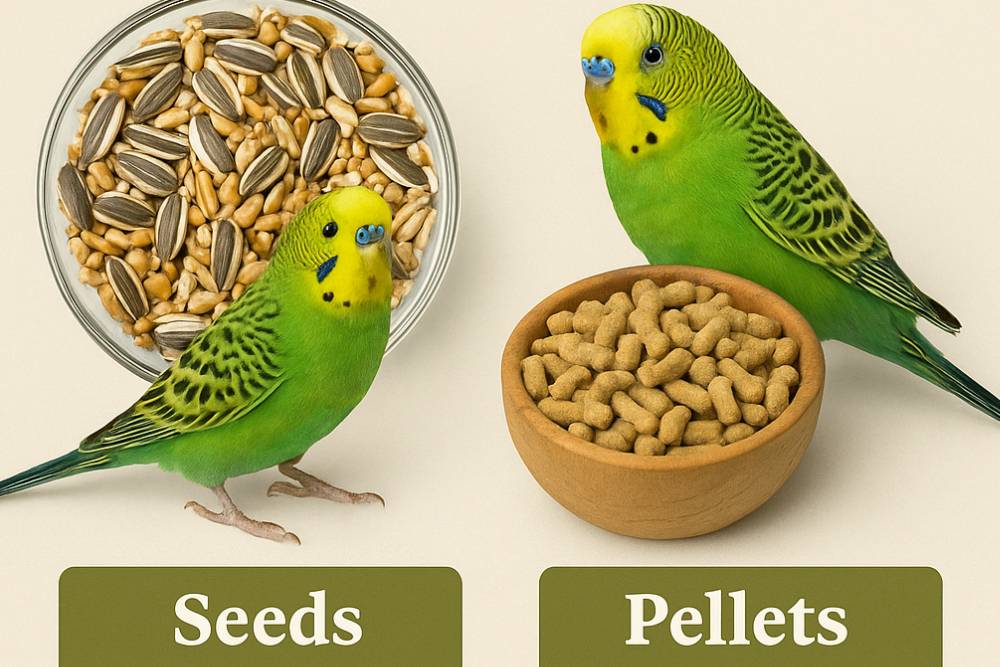
Credit: petsloungeuae.com
Wild Bird Seed Ingredients
Wild bird seed contains many types of seeds and grains. People often wonder if it is safe for dogs.
Knowing what is inside wild bird seed helps to understand if it can harm dogs.
Common Seeds And Grains
Wild bird seed mixes include many seeds and grains. Some are safe for dogs, others may cause problems.
- Sunflower seeds: These are common and usually safe in small amounts.
- Millet: Small grain that is not toxic but can upset a dog’s stomach.
- Safflower seeds: Rarely cause harm but are not good for dogs to eat often.
- Corn: Sometimes included and can be hard to digest for dogs.
- Millets and oats: Non-toxic but may cause minor digestive issues.
Additives And Preservatives
Many wild bird seed mixes contain additives. These keep seeds fresh and prevent mold.
Some additives can be harmful to dogs. Always check the label for chemicals or coatings.
- Mold inhibitors: These may be toxic if ingested by dogs.
- Fungicides: Used to protect seeds but can cause illness in pets.
- Salt or sugar coatings: These can upset a dog’s stomach or cause other health issues.
- Artificial colors or flavors: Not safe for dogs and should be avoided.
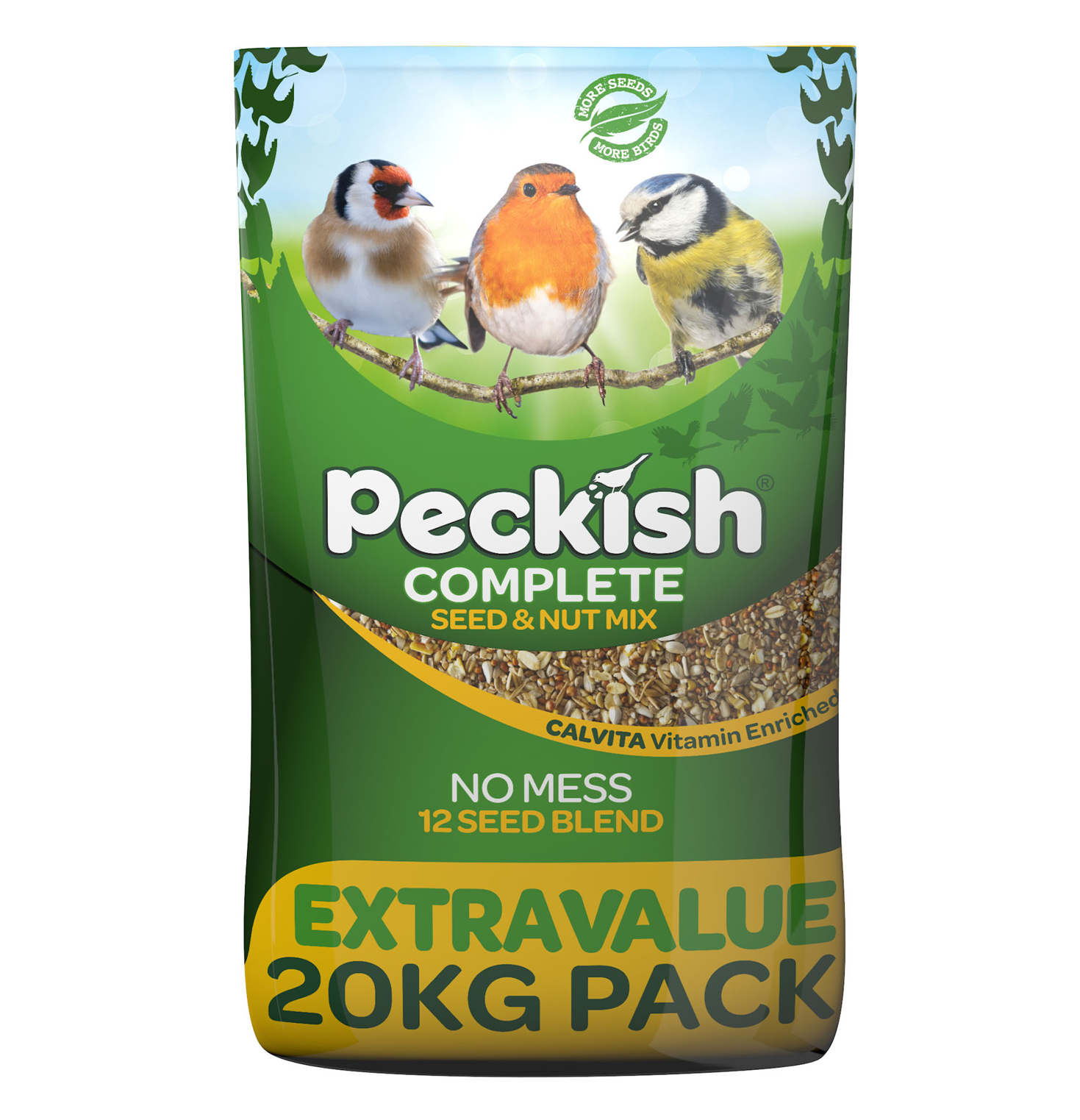
Credit: pet-supermarket.co.uk
Toxic Components For Dogs
Wild bird seed mixes often contain many types of seeds. Some of these seeds can harm dogs if eaten. Knowing the toxic parts helps keep pets safe.
Dogs may eat seeds out of curiosity or hunger. Some seeds contain poisons or chemicals that cause health problems.
Seeds Harmful To Dogs
Many wild bird seed blends include seeds that are unsafe for dogs. These seeds may cause vomiting, diarrhea, or worse symptoms.
- Black oil sunflower seeds can cause choking or digestion issues.
- Millet seeds may upset a dog’s stomach if eaten in large amounts.
- Safflower seeds sometimes trigger allergic reactions in dogs.
- Nyjer seeds contain oils that might be hard for dogs to digest.
Potential Allergens
Wild bird seeds can contain allergens that affect sensitive dogs. Allergic reactions vary but often involve skin or breathing problems.
| Seed Type | Possible Allergy Symptom |
| Sunflower | Itchy skin, redness |
| Millet | Swelling, scratching |
| Safflower | Hives, sneezing |
| Nyjer | Wheezing, coughing |
Risks Of Ingesting Bird Seed
Bird seed might seem harmless to dogs. Many pet owners wonder if it is safe. Eating bird seed can cause problems for dogs.
It is important to know the risks before your dog gets into bird feed. Some issues can be serious or even life-threatening.
Choking Hazards
Bird seed contains small seeds and shells. These pieces can get stuck in a dog’s throat. Small dogs and puppies are at higher risk. Choking can cause coughing, gagging, or difficulty breathing.
- Sunflower seeds with shells are hard to chew
- Millet and other tiny seeds can block airways
- Hard seed shells can scratch or irritate the throat
Digestive Issues
Eating bird seed can upset a dog’s stomach. The seeds and shells are hard to digest. This may cause vomiting, diarrhea, or constipation. Some seeds may contain molds or fungi harmful to dogs.
| Symptom | Cause |
|---|---|
| Vomiting | Indigestible seed shells or mold |
| Diarrhea | Stomach irritation from seeds |
| Constipation | Seed fragments blocking intestines |
Long-term Health Effects
Repeated eating of bird seed may cause serious health problems. Some seeds have oils that can upset the pancreas. Long-term exposure to moldy seeds may harm the liver or kidneys. Nutrients in bird seed do not meet a dog’s dietary needs.
- Pancreatitis from fatty seed oils
- Kidney damage from toxins in mold
- Malnutrition due to poor diet balance
Symptoms Of Bird Seed Poisoning
Wild bird seed can sometimes cause poisoning in dogs. It is important to know the symptoms. Early detection helps keep your dog safe.
Bird seed may contain harmful ingredients or mold. Dogs may eat it by accident, leading to health problems.
Signs To Watch For
Look for these signs if your dog has eaten wild bird seed. They can show if poisoning is happening.
- Vomiting or nausea
- Diarrhea or upset stomach
- Excessive drooling
- Weakness or lethargy
- Tremors or shaking
- Loss of appetite
- Coughing or choking
- Difficulty breathing
When To Seek Veterinary Care
Contact your vet if your dog shows any symptoms after eating bird seed. Fast action can prevent serious harm.
| Symptom | Urgency Level | Action |
| Vomiting or diarrhea | Medium | Monitor and call vet if it worsens |
| Weakness or lethargy | High | Take to vet immediately |
| Tremors or shaking | High | Emergency vet visit needed |
| Difficulty breathing | Critical | Call emergency vet right away |
Safe Alternatives For Dogs
Wild bird seed can be harmful to dogs. It may contain ingredients that upset their stomachs or cause allergies. Choosing safe snacks is important for your dog's health.
Below are some dog-friendly treats and healthy snack options to keep your pet happy and safe.
Dog-friendly Treats
Natural treats are the best choice for dogs. Many fruits and vegetables are safe and tasty for them. Avoid anything seasoned or sugary.
- Carrot sticks
- Apple slices without seeds
- Blueberries
- Plain cooked chicken
- Sweet potato pieces
Healthy Snack Options
Healthy snacks provide good nutrients and energy. Keep treats small and fresh. Avoid snacks with salt, spices, or artificial ingredients.
| Snack | Benefits |
| Plain yogurt | Good for digestion |
| Cucumber slices | Low in calories |
| Boiled eggs | High in protein |
| Green beans | Rich in fiber |
| Banana pieces | Source of potassium |

Credit: www.amazon.co.uk
Preventing Accidental Ingestion
Wild bird seed can be harmful if your dog eats it by mistake. It contains ingredients that may upset your pet’s stomach or cause blockages. You must keep bird seed away from your dog to keep them safe.
Preventing accidental ingestion takes some care in how you store bird seed and train your dog. These steps help lower the risk of your dog eating bird seed and facing health problems.
Storage Tips
Store bird seed in a safe place that your dog cannot reach. Use containers that close tightly to keep seeds fresh and secure. Avoid leaving bird seed bags open on the floor or in low cabinets.
- Use plastic or metal containers with lids
- Keep containers on high shelves or in locked cabinets
- Clean up any spilled seeds immediately
- Do not leave bird seed out overnight
Training To Avoid Eating Bird Seed
Teach your dog to stay away from bird seed by using clear commands and rewards. Training helps your dog learn which items are off-limits. Be consistent and patient to get the best results.
| Training Step | Action |
| Recognition | Show bird seed and say “leave it” |
| Reward | Give a treat when your dog ignores the seed |
| Practice | Repeat near bird feeders and seed containers |
| Consistency | Use commands every time your dog approaches seed |
Frequently Asked Questions
Is Wild Bird Seed Toxic To Dogs?
Wild bird seed is generally not toxic to dogs. However, some seeds may cause mild stomach upset if ingested in large amounts. Always monitor your pet and consult a vet if symptoms occur.
Can Dogs Eat Wild Bird Seed Safely?
Dogs can eat small amounts of wild bird seed safely. Still, avoid letting them consume large quantities to prevent digestive issues. Seeds often contain shells that can irritate the stomach.
What Are The Risks Of Dogs Eating Bird Seed?
Eating bird seed can cause choking, stomach upset, or blockages in dogs. Some seeds may also contain mold or pesticides harmful to pets. Supervise your dog around bird feeders.
How To Prevent Dogs From Eating Bird Seed?
Keep bird feeders out of your dog’s reach to prevent seed consumption. Train your dog to avoid the feeding area. Use barriers or place feeders higher to reduce access.
Conclusion
Wild bird seed can pose risks to dogs. Seeds may cause digestive issues. Some seeds can also be toxic. Always monitor what your dog eats. Consult your vet for safe feeding options. Offer dog-friendly treats instead. Keep bird feeders out of reach.
Train your dog to avoid bird seed areas. A healthy diet is crucial for your pet. Prioritize your dog's well-being. Stay informed about potential hazards. Keep your furry friend safe and happy. Choose wisely to protect your dog’s health.