Have you ever heard the cheerful call of the kookaburra and wondered about the words behind its famous song? The “Kookaburra Bird Song Lyrics” have a special place in many hearts, bringing smiles and memories to people of all ages.
If you want to discover the meaning, sing along confidently, or share the joy with your friends and family, this article is just for you. Keep reading, and you’ll unlock the simple, catchy lyrics that make this bird’s song unforgettable.
Your next favorite tune is right here!

Credit: barney.fandom.com
Kookaburra Song Origins
The Kookaburra Bird Song is a well-known Australian children’s song. It tells the story of a laughing bird called the kookaburra. This song has been sung by many generations across Australia and beyond.
People enjoy the song because it captures the happy sound of the kookaburra’s call. Its simple words and tune make it easy to learn and sing.
Who Composed The Tune
The tune for the Kookaburra Bird Song was composed by Marion Sinclair. She was a music teacher and a member of the Girl Guides Australia. Marion wrote the song in 1932.
She created the song for a competition held by the Girl Guides to find a new round song. The song won the contest and quickly became popular.
Historical Context
The song was written during the early 1930s in Australia. This was a time when people wanted music that showed Australian nature and life. The kookaburra bird is native to Australia and is known for its laughing call.
The song helped children learn about Australian wildlife. It also gave them a fun way to sing together in groups like schools and clubs.
Cultural Significance
The Kookaburra Bird Song is part of Australian culture. It is often sung at school events and outdoor activities. Many people see the song as a symbol of Australia’s unique wildlife.
- Used in school music programs
- Sung at scouts and guides meetings
- Featured in Australian films and TV shows
- Represents joy and nature in Australia
Lyrics Breakdown
The Kookaburra bird song is a popular children’s song from Australia. It uses simple words and tells a story about the bird’s call. Understanding the lyrics helps us see why it is loved worldwide.
We will look at the first verse, the chorus, and how the song changes in different places. This helps us understand the meaning behind the words.
First Verse Analysis
The first verse describes the kookaburra bird sitting in the old gum tree. It sets the scene in the Australian wild. The bird’s laugh is loud and clear.
The verse uses simple language to show the bird’s happy and playful nature. It makes listeners feel like they are in nature, hearing the kookaburra.
Chorus Meaning
The chorus repeats the kookaburra’s laugh sound. It sounds like “Ha ha ha ha ha.” This shows the bird’s joyful call.
The laugh is a symbol of happiness and fun. It makes the song easy to remember and sing along. The chorus brings energy to the song.
Variations Across Regions
The song has different versions in various countries. Some words change to fit local stories or animals. The tune stays mostly the same.
- In Australia, it focuses on the kookaburra’s laugh.
- In the UK, some versions add more verses about the bird.
- In the US, the song is often used in schools to teach rhythm.
Kookaburra In Australian Culture
The kookaburra is a famous bird in Australia. It is well known for its loud, laughing song. This bird appears often in stories and songs.
Many people in Australia feel the kookaburra is a symbol of the country’s nature and spirit. It is part of everyday life and culture.
Role In Childhood
The kookaburra is important in many Australian childhoods. Children learn songs about the bird at school and home. The song is easy to sing and fun.
Kids also enjoy watching kookaburras in parks and gardens. The bird’s laughter sound makes children smile and feel happy.
Use In Media And Entertainment
The kookaburra’s laugh is used in movies and TV shows to create a natural or funny mood. It is a popular sound effect worldwide.
Australian media often shows kookaburras in nature programs and cartoons. The bird helps to tell stories about the Australian outdoors.
- Nature documentaries highlight kookaburra calls
- Children’s cartoons feature kookaburra characters
- Sound effects use kookaburra laughter to add realism
Symbolism In Art And Literature
Artists and writers use the kookaburra to represent joy and the Australian bush. The bird’s laugh stands for happiness and nature’s beauty.
In poems and stories, kookaburras symbolize freedom and a connection to the land. The bird often appears in Aboriginal art and modern works.

Credit: aussieanimals.com
Learning The Song
The Kookaburra bird song is a classic children’s tune. It tells a fun story about the laughing bird in the trees.
Many kids enjoy learning this song because it is simple and catchy. Singing it helps with language and rhythm skills.
Tips For Teaching Kids
Start by singing the song slowly. Use clear words and repeat lines often.
Encourage kids to clap or move to the beat. This makes learning fun and helps memory.
- Break the song into small parts
- Sing with actions or gestures
- Use pictures of kookaburras to explain
- Repeat the song daily for practice
- Celebrate when kids sing correctly
Popular Recordings
The Kookaburra song has many recorded versions by famous artists. These versions show different ways to sing it.
Listening to these recordings helps learners hear correct pronunciation and tune. It also keeps them interested.
- Traditional folk versions
- Children’s music albums
- Animated cartoon soundtracks
- School choir recordings
- Instrumental versions for practice
Sing-along Resources
Sing-along videos and apps make learning the Kookaburra song easier. They show lyrics on the screen with music.
These resources often have fun visuals and repeat the song many times. Kids can join in anytime they want.
- Online karaoke videos with lyrics
- Children’s music streaming apps
- Printable lyric sheets for home
- Interactive music games
- Audio recordings with sing-along pauses
Kookaburra Calls Vs. Song
The kookaburra is known for its unique sounds in the wild. People often confuse its natural calls with a popular song about the bird.
This article explains the difference between kookaburra calls and the song lyrics inspired by them.
Natural Bird Calls
Kookaburras make loud, laughing sounds in the morning. These calls help them communicate with family and warn others.
The calls sound like chuckles or laughter, not like a song with words or rhymes.
Differences From Lyrics
The kookaburra bird song lyrics are a fun way to describe the bird’s sound. They do not match the actual calls exactly.
The lyrics tell a story and have rhymes, while the real calls are just repeated laughing sounds.
- Bird calls: natural, no words, simple sounds
- Song lyrics: made-up words, rhymes, story
- Calls repeat quickly; lyrics have a pattern
Why The Song Stands Out
The kookaburra song is easy to remember and fun to sing. It helps people learn about the bird.
Even though it is not the real call, the song is popular in schools and with kids worldwide.
- Simple words make it easy to sing
- Rhythm matches the bird’s laughing sounds
- Creates interest in nature and birds
Credit: corvidsketcher.com
Frequently Asked Questions
What Are The Lyrics To The Kookaburra Song?
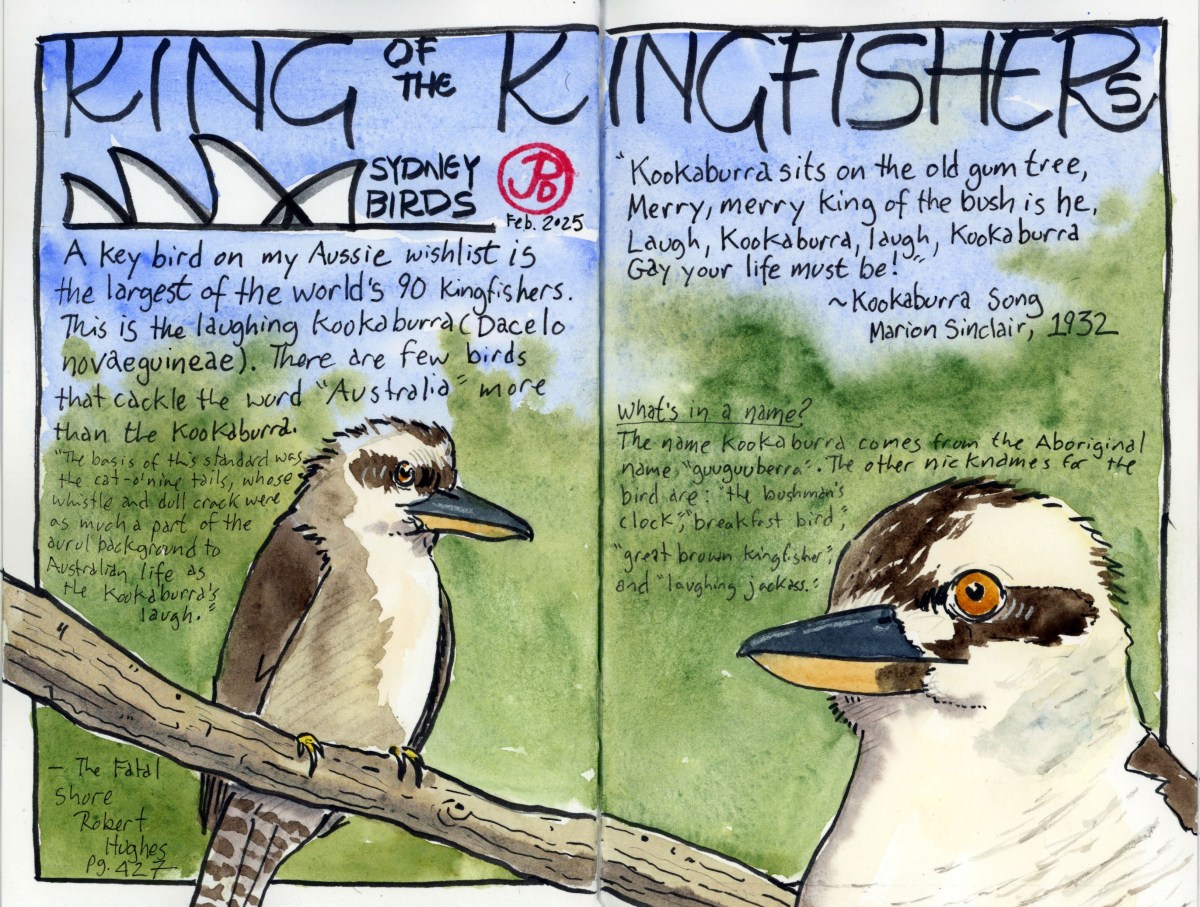
The Kookaburra song, often sung in a round, celebrates the laughter of the kookaburra bird. Its lyrics include the famous lines: “Kookaburra sits in the old gum tree, merry, merry king of the bush is he. ” This catchy tune is popular in children’s music and educational settings.
Who Wrote The Kookaburra Bird Song?
The Kookaburra song was written by Marion Sinclair in 1932. She composed it for a Girl Guides jamboree in Australia. The song quickly became popular due to its catchy tune and playful lyrics, celebrating the iconic laughter of the kookaburra bird.
What Is The Meaning Of The Kookaburra Song?
The Kookaburra song celebrates the joyful laughter of the kookaburra bird. It highlights the bird’s role as the “king of the bush. ” The song is often used in educational settings to introduce children to Australian wildlife and music.
Why Is The Kookaburra Song Popular?
The Kookaburra song is popular for its catchy tune and playful lyrics. It captures the essence of the Australian kookaburra’s distinctive laughter. The song is frequently used in schools and camps, making it a beloved piece of children’s music.
Conclusion
The Kookaburra bird song lyrics bring joy and fun to many. They tell a simple story that children love to sing. These words help us connect with nature and Australian culture. Singing the song can brighten any day and make memories.
Try sharing it with friends or family for a happy moment. The Kookaburra’s song remains a timeless tune everyone can enjoy. A small bird with a big voice, telling its tale. Keep the song alive by singing it loud and clear.