
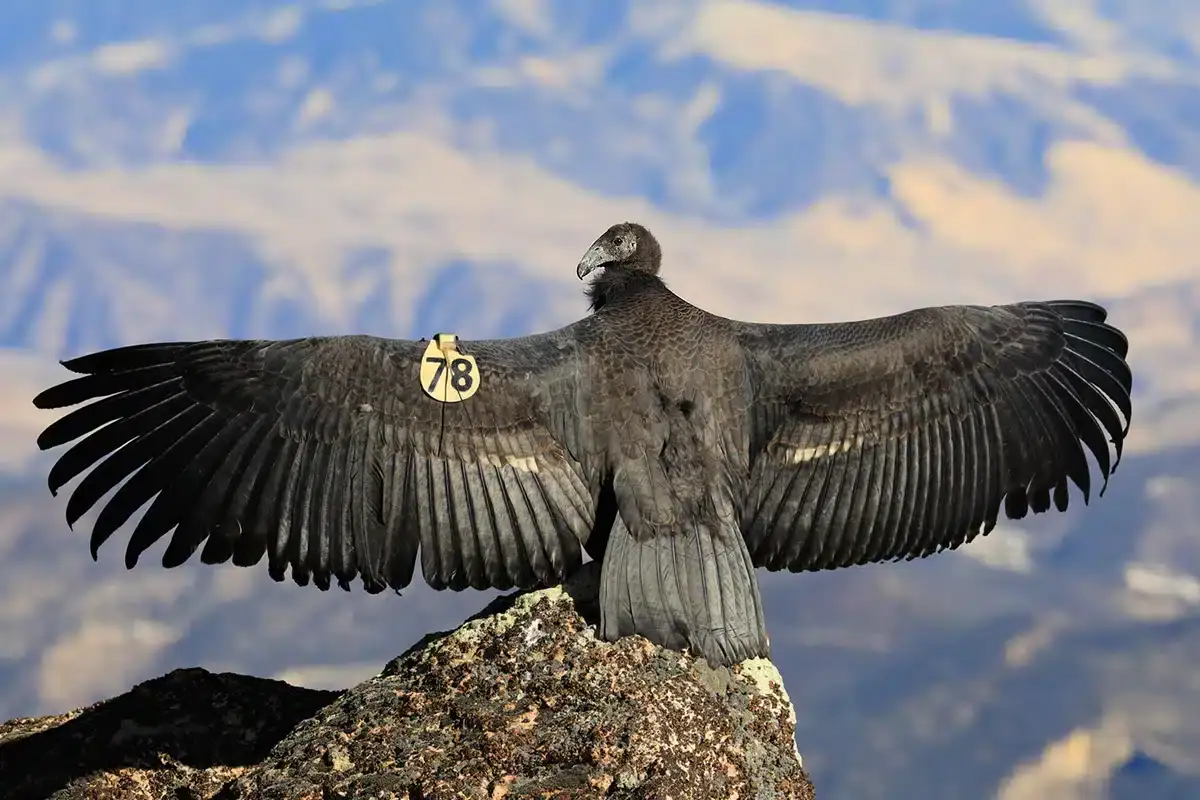
Largest Bird in USA: California Condor Facts & Guide
Have you ever wondered which bird holds the title of the largest in the USA? Imagine spotting a giant soaring above you, its wings stretching wider than most trees you see every day.
This bird isn’t just big—it’s a true marvel of nature that captures attention wherever it flies. If you want to know more about this impressive creature, its habits, and where you might catch a glimpse, keep reading. By the end, you’ll see why this bird stands out and why it’s worth knowing about.
The Giant Among Birds
The largest bird in the USA is known for its impressive size. It stands out as a giant among other birds in the country.
This bird’s size helps it survive and thrive in its natural habitat. Many people admire its strength and beauty.
Physical Characteristics
This giant bird has a strong body covered with feathers that protect it from cold. Its legs are long and powerful.
The bird’s head is large, with sharp eyes that help it see far distances. Its beak is hooked and strong for eating.
Wingspan And Weight
The wingspan of this bird can reach up to 7 feet wide. This large wingspan helps it soar high and far.
Its weight ranges between 10 to 15 pounds. Despite its size, the bird is able to fly with ease.
- Wingspan: Up to 7 feet (about 2.1 meters)
- Weight: 10 to 15 pounds (4.5 to 6.8 kilograms)
Distinctive Features
This bird has a white head and tail that make it easy to recognize. Its body feathers are dark brown.
Its sharp yellow eyes and large hooked beak are key features. These help the bird hunt and eat its food.
- White head and tail feathers
- Dark brown body feathers
- Sharp yellow eyes
- Large hooked beak
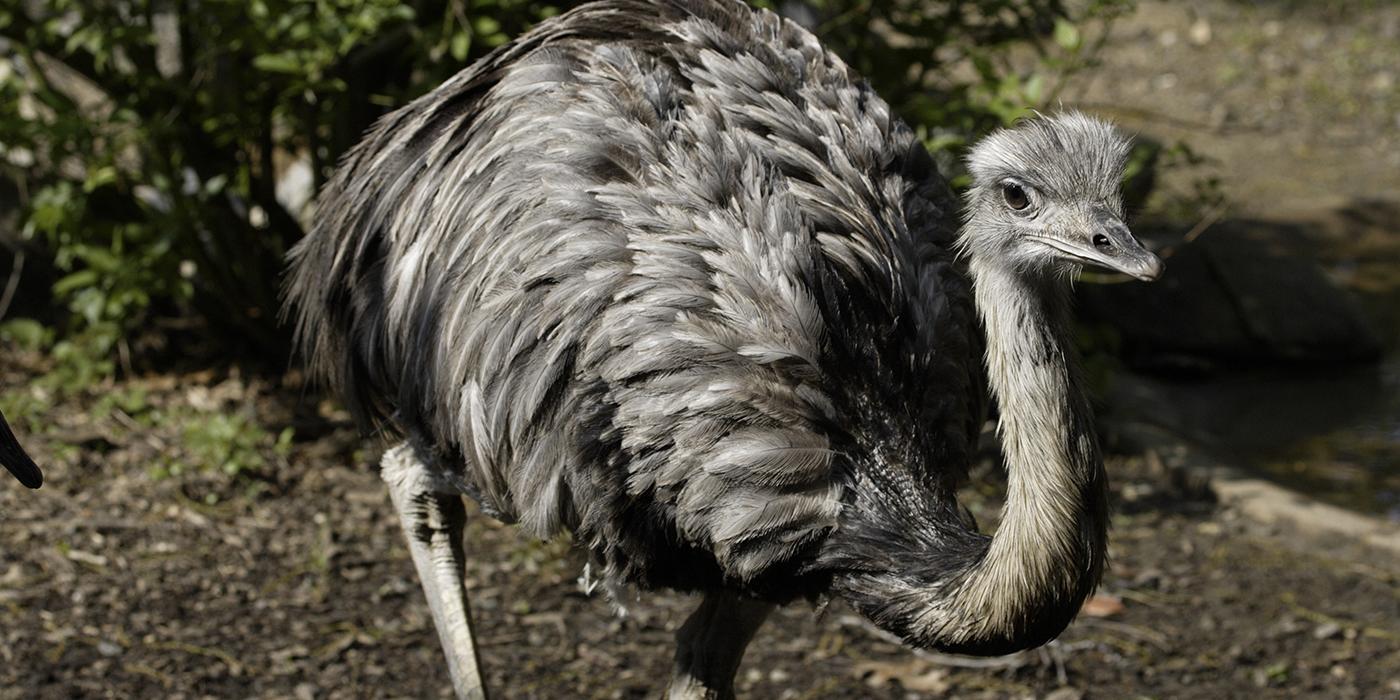
Credit: nationalzoo.si.edu
Habitat And Range
The largest bird in the USA is the California Condor. This bird lives in specific places where it can find food and safe nesting spots. Knowing its habitat and range helps us understand how it survives in the wild.
The California Condor needs open spaces with cliffs or large trees. These areas allow it to glide and find food easily. Its range covers parts of the western United States.
Preferred Environments
The California Condor prefers rocky and mountainous areas. It likes places with tall cliffs to build nests. Open grasslands nearby help it find dead animals to eat.
This bird avoids dense forests and cities. It needs wide spaces to fly and spot food from high above. The environment must have clean air and little human disturbance.
- Mountain cliffs for nesting
- Open grasslands for feeding
- Clean air and low human activity
- Areas with few tall trees
Geographic Distribution
The California Condor lives mainly in California. It is also found in parts of Arizona and Utah. These states have the right environment for the bird to survive.
Conservation programs help the bird live in protected areas. These include national parks and wildlife reserves. The condor’s range is limited but growing slowly due to these efforts.
- California mountains and canyons
- Parts of northern Arizona
- Southern Utah regions
- Protected parks and reserves
Seasonal Movements
The California Condor does not migrate long distances. It stays mostly within its home range all year. It moves short distances to find food depending on the season.
In winter, the bird may move to lower elevations. This helps it avoid cold weather and find food more easily. In warmer months, it returns to higher cliffs for nesting.
- Short moves within home range
- Lower elevations in winter
- Higher cliffs for summer nesting
- Food availability guides movement
Behavior And Diet
The largest bird in the USA is the California condor. This bird is well known for its unique behavior and diet. Understanding how it feeds and moves helps us learn about its survival.
California condors are scavengers. They eat dead animals and play an important role in cleaning the environment. Their behavior and social patterns are interesting to observe.
Feeding Habits
California condors eat mostly large dead animals like deer and cattle. They use their strong beaks to tear through tough skin and meat. They can smell the scent of carrion from miles away.
They often wait for other scavengers to open the carcass. Then they join in to feed. Their feeding helps recycle nutrients back into the ecosystem.
- Feed mainly on carrion
- Use strong beaks to tear meat
- Detect carrion from far away
- Feed after other scavengers
Flight Patterns
California condors soar high in the sky using thermal air currents. They glide smoothly with little wing flapping. This saves energy during long flights.
Their wingspan can reach up to 10 feet. This helps them cover large areas while searching for food. They can fly for many hours without landing.
- Soar using thermal currents
- Glide with minimal wing flapping
- Wingspan up to 10 feet
- Fly long distances while searching for food
Social Behavior
California condors are social birds. They often gather in groups, especially at feeding sites. This helps them find food and stay safe.
They communicate with each other using calls and body language. These birds form strong family bonds and help raise their young together.
- Gather in groups at food sites
- Use calls and body language to communicate
- Form strong family bonds
- Parents raise young together
Conservation Status
The largest bird in the USA is the California Condor. It has a wingspan over nine feet. This bird is very rare and faces many dangers.
Because of its low numbers, the California Condor is listed as critically endangered. Many groups work to save this species from extinction.
Threats Facing the Species
The California Condor faces several threats. Poisoning from lead in animal carcasses is a major danger. Habitat loss also harms their chances to survive.
Collisions with power lines and human disturbance can reduce their numbers. These threats make it hard for condors to thrive in the wild.
- Lead poisoning from spent ammunition
- Loss of natural habitat and nesting sites
- Power line collisions
- Human disturbances near nesting areas
Protection Efforts
Many groups breed California Condors in captivity to boost numbers. They release young birds into safe areas. This helps the population grow slowly.
Laws ban lead ammunition in some areas. Conservationists also work to protect habitats and reduce threats. Public education raises awareness about the bird’s needs.
- Captive breeding and release programs
- Lead ammunition bans in key habitats
- Habitat protection and restoration
- Education and awareness campaigns
Role In Ecosystem
The California Condor plays an important role as a scavenger. It cleans up dead animals, which helps prevent disease. This keeps the environment healthy.
By removing carcasses, condors support other wildlife. They help balance nature and keep ecosystems working well.
Spotting The Giant
The largest bird in the USA is the California Condor. It has a wingspan up to 10 feet. This giant bird is rare and special to see.
Spotting the California Condor takes patience and good planning. These birds live in rugged areas with clear skies.
Best Locations to See
California Condors are found in a few places in the USA. These spots give you the best chance to see them flying or resting.
- Grand Canyon National Park, Arizona
- Big Sur, California
- Ventura County, California
- Tejon Ranch, California
- Zion National Park, Utah
Tips For Birdwatchers
Bring binoculars or a spotting scope to see the condors clearly. Stay quiet and move slowly to avoid scaring them.
Visit early in the morning or late afternoon. These times are best because condors are more active then.
- Wear neutral-colored clothes to blend in
- Keep a safe distance from the birds
- Use a field guide to identify the condor
- Check weather before your trip for clear skies
Photographing The Bird
Use a camera with a zoom lens to capture details from afar. Avoid flash as it can scare the birds.
Find a spot with good lighting and a clean background. Be patient to catch the bird in flight or feeding.
- Set your camera to a fast shutter speed
- Use continuous shooting mode for action shots
- Focus on the bird’s head and wings
- Respect wildlife rules and do not disturb the birds
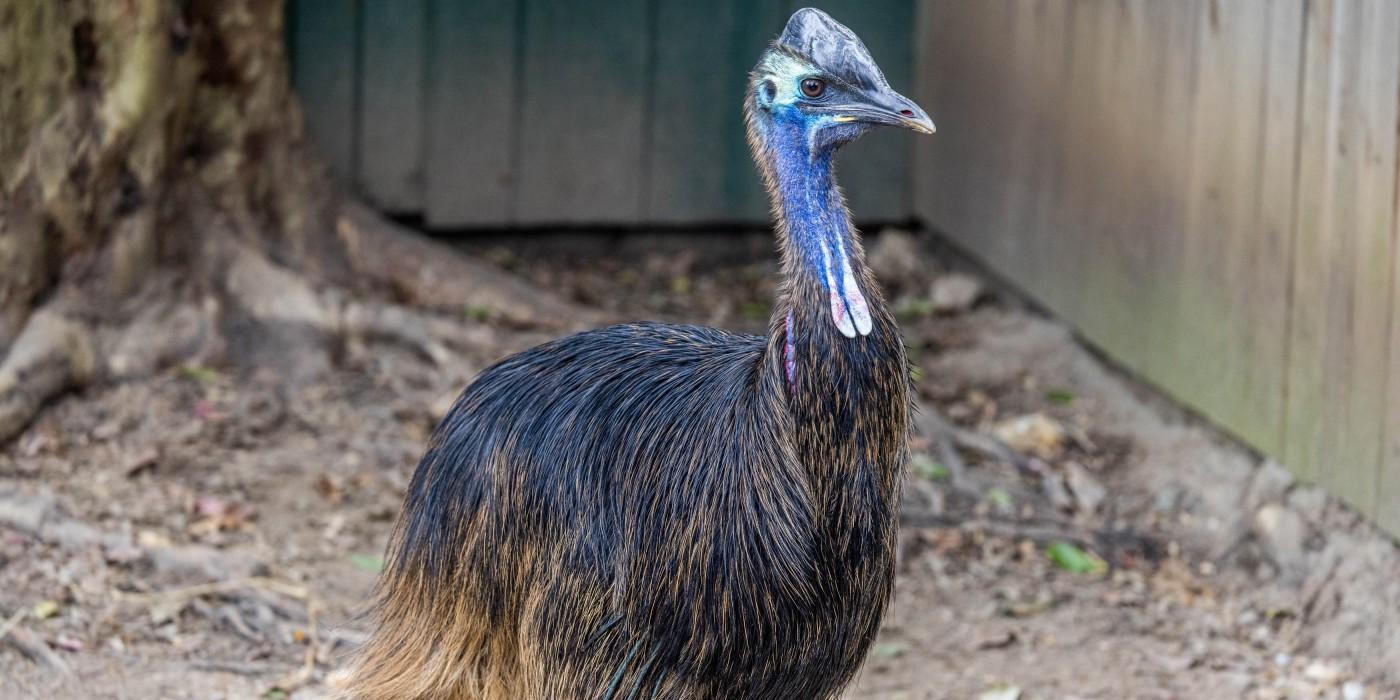
Credit: nationalzoo.si.edu

Credit: en.wikipedia.org
Frequently Asked Questions
What Is the Largest Bird in the Usa?
The largest bird in the USA is the California Condor. It has a wingspan up to 9. 8 feet and can weigh 25 pounds. It is a scavenger and mainly feeds on carrion. The species is critically endangered but recovering due to conservation efforts.
How Big Can the California Condor Grow?
California Condors can have a wingspan of nearly 10 feet. They weigh between 15 to 25 pounds. This size makes them the largest flying bird in North America. Their large wings help them soar efficiently over long distances.
Where Can You Find the Largest Birds in the Usa?
California Condors are mainly found in California, Arizona, and Utah. They inhabit mountainous and canyon regions. Conservation areas and protected parks support their population. Sightings are rare due to their low numbers but increasing.
What Do the Largest Birds in the Usa Eat?
California Condors feed mostly on dead animals, known as carrion. They help clean ecosystems by consuming animal carcasses. Their strong beaks tear through tough hides. They rarely hunt live prey, relying on scavenging for survival.
Conclusion
The largest bird in the USA fascinates many nature lovers. Its impressive wingspan catches the eye. People often wonder about its habits and habitat. It lives in open landscapes, soaring high above. This majestic bird holds an important place in our ecosystem.
Protecting its environment ensures its survival. Birdwatchers cherish spotting it in the wild. This experience leaves a lasting memory. Understanding more about this bird enhances appreciation for nature. Encourage others to learn and protect these magnificent creatures. Our actions today shape their future.
Remember, every species plays a vital role. Let’s cherish and conserve our natural world.



