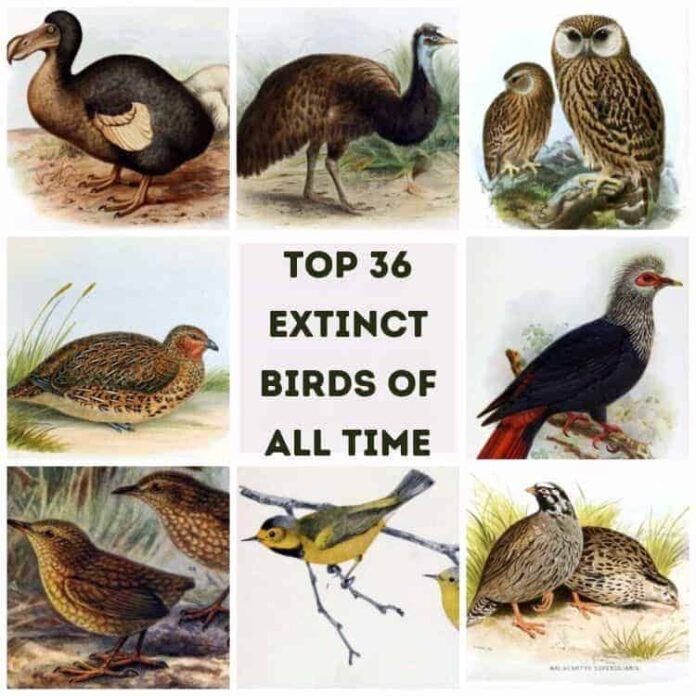
Have you ever wondered which beautiful birds are at risk of disappearing forever? Knowing about endangered birds is not just interesting—it’s important for your connection to nature and the future of our planet.
You’ll discover a list of endangered birds that need your attention and care. Understanding who they are and why they’re in danger can inspire you to make a difference. Keep reading to learn about these incredible creatures and how your actions can help protect them before it’s too late.
Global Bird Extinction Crisis
Many bird species around the world are facing extinction. Their numbers are dropping fast. This loss affects nature and people.
Birds play important roles in ecosystems. They help spread seeds and control insects. Protecting them is urgent.
Current Threat Levels
Thousands of bird species face serious threats. Many are listed as endangered or critically endangered. Some may disappear soon.
Birds in tropical forests, wetlands, and islands are most at risk. Habitat loss and hunting are main dangers.
- About 14% of all bird species are threatened
- More than 190 species are critically endangered
- Island birds suffer higher extinction rates
- Wetland birds decline due to water loss
Factors Driving Decline
Bird populations fall because of many human actions. Habitat destruction and climate change are key factors. Pollution also harms birds.
Hunting and trapping reduce numbers. Invasive species like cats and rats kill native birds. These threats combine to cause fast declines.
- Deforestation removes homes and food
- Climate change alters migration and breeding
- Pollution poisons birds and eggs
- Illegal hunting lowers bird populations
- Invasive predators kill eggs and chicks
Iconic Endangered Birds
Many bird species face the threat of extinction. Some birds are famous for their size, colors, or rarity.
Protecting these birds helps keep nature balanced and beautiful. Here are three iconic endangered birds.
California Condor
The California Condor is one of the largest flying birds in North America. It has a wingspan of about 9 feet.
This bird eats dead animals and helps clean the environment. Its numbers dropped to just 27 in the 1980s.
- Wingspan: Up to 9 feet
- Diet: Carrion (dead animals)
- Habitat: Rocky cliffs and large forests
- Current status: Critically endangered
Spoon-billed Sandpiper
The Spoon-billed Sandpiper is a small bird with a unique spoon-shaped bill. It lives in coastal mudflats in Asia.
This bird uses its bill to catch tiny animals in the mud. Its population is very low due to habitat loss.
- Bill shape: Spoon-like
- Size: Small shorebird
- Habitat: Coastal mudflats
- Threats: Habitat loss and disturbance
Kakapo
The Kakapo is a large, flightless parrot from New Zealand. It has green feathers and a strong beak.
This bird is active at night and uses its sense of smell to find food. It is one of the rarest birds in the world.
- Flight: Cannot fly
- Color: Green feathers
- Activity: Nocturnal (active at night)
- Population: Very small, carefully protected
Rare Tropical Species
Tropical forests are home to many rare birds. These birds face threats from habitat loss and hunting.
Protecting these birds helps keep nature balanced. Here are some endangered tropical birds to know about.
Philippine Eagle
The Philippine Eagle is one of the largest eagles in the world. It lives only in the Philippines’ forests.
This eagle is very rare because its forest home is shrinking fast. It hunts monkeys, snakes, and birds.
- Wingspan can reach 7 feet
- Strong beak and sharp talons
- Lives in tall trees
- Population under 400 pairs
Harpy Eagle
The Harpy Eagle is found in Central and South American rainforests. It is one of the most powerful eagles.
This eagle hunts large prey like monkeys and sloths. It needs big trees for nesting and hunting.
- Weighs up to 20 pounds
- Strong legs and huge claws
- Prefers dense forest areas
- Listed as near threatened
Hyacinth Macaw
The Hyacinth Macaw is the largest flying parrot. It has bright blue feathers and a strong curved beak.
This bird lives in the tropical forests of South America. It eats nuts and fruits but faces habitat loss.
- Length up to 40 inches
- Strong beak to crack nuts
- Lives in palm trees
- Population is declining

Credit: www.wildlifenomads.com
Threats To Bird Survival
Many bird species face dangers that threaten their survival. These threats make it hard for birds to live and reproduce.
Understanding these threats helps us protect endangered birds and save their habitats.
Habitat Loss
Birds lose their homes when forests and wetlands are destroyed. Cutting trees and building cities reduce safe places for birds.
Without good habitat, birds cannot find food or nesting areas. This causes their numbers to drop quickly.
- Deforestation removes nesting sites
- Urban growth replaces natural land
- Farming changes wetlands and grasslands
- Pollution damages water and soil quality
Climate Change
Changing temperatures and weather patterns affect bird migration and breeding. Some birds arrive too early or late for food.
Climate change also shifts insect and plant life. Birds may find less food or lose important habitats.
- Warmer climates move bird ranges
- More storms destroy nests and eggs
- Food sources become less reliable
- Birds face new diseases and predators
Poaching And Illegal Trade
Some birds are hunted for their feathers, meat, or to sell as pets. This illegal trade reduces wild populations fast.
Poaching often targets rare or colorful species. Birds caught in traps or nets may also get hurt or die.
- Feathers used for decoration or fashion
- Birds captured for pet markets
- Hunting for food or sport
- Trade harms breeding and survival rates
Conservation Success Stories
Many bird species once faced the risk of extinction. Thanks to focused actions, some have started to recover. These success stories show how people can help endangered birds.
Efforts like protecting habitats and involving communities have made a big difference. Learning about these efforts encourages more support for bird conservation.
Recovery Efforts
Recovery efforts include breeding programs and habitat restoration. Scientists breed birds in captivity and then release them back into nature. This helps increase their numbers.
Tracking and research also guide these efforts. Experts study bird behavior and threats to improve protection plans. These steps slowly bring birds back from the brink.
- Captive breeding programs
- Habitat restoration projects
- Scientific research and monitoring
Protected Areas
Creating protected areas gives birds safe places to live. These areas stop hunting and habitat loss. They provide food and shelter for endangered species.
National parks and wildlife reserves help many birds recover. Protecting wetlands, forests, and islands is key. These safe zones allow birds to breed and thrive without danger.
- National parks with bird habitats
- Wetlands protected for water birds
- Islands reserved for nesting birds
Community Involvement
Local communities play a big role in saving birds. People help by watching birds and reporting problems. They also join planting and clean-up projects.
Education raises awareness about endangered birds. When communities understand the importance, they protect birds better. This teamwork supports long-term bird survival.
- Bird watching and reporting
- Habitat planting and clean-up
- Education and awareness programs
Credit: www.theguardian.com
How To Help Endangered Birds
Endangered birds need our help to survive. Many species face risks like habitat loss and pollution.
We can all take simple actions to protect these birds. Learning how to help is the first step.
Supporting Conservation Groups
Conservation groups work to save endangered birds. They protect habitats and study bird populations.
You can support these groups by donating or volunteering. Your help allows them to do more work.
- Donate money to fund conservation projects
- Volunteer for bird monitoring and habitat restoration
- Join local bird clubs that support conservation
Promoting Sustainable Practices
Sustainable living reduces harm to birds and their homes. It means using resources wisely and protecting nature.
Simple actions like reducing waste and avoiding harmful chemicals help birds stay safe.
- Use eco-friendly products without pesticides
- Plant native trees and flowers for bird food and shelter
- Recycle and reduce plastic waste
Raising Awareness
Sharing information about endangered birds helps more people care. Awareness leads to more support and action.
You can teach friends and family about the threats birds face and how to protect them.
- Organize talks or presentations on bird protection
- Share facts and stories on social media
- Encourage others to join conservation efforts

Credit: www.wildlifenomads.com
Frequently Asked Questions
What Are Some Endangered Bird Species?
Several bird species are endangered, including the Kakapo, California Condor, and Philippine Eagle. These birds face threats from habitat loss and hunting. Conservation efforts are vital to protect these species from extinction. Supporting these efforts can help preserve biodiversity and ensure these unique birds survive for future generations.
Why Are Birds Becoming Endangered?
Birds become endangered due to habitat loss, climate change, and illegal hunting. Urbanization and deforestation reduce their natural habitats. Climate change alters migration patterns and food availability. Illegal hunting and pet trade also threaten their survival. Conservation efforts are crucial to address these challenges and protect bird species.
How Does Climate Change Affect Endangered Birds?
Climate change impacts bird habitats, food sources, and migration patterns. Rising temperatures and changing weather disrupt ecosystems. This affects breeding and feeding grounds. Birds struggle to adapt quickly, leading to population decline. Conservation initiatives aim to mitigate these effects and help endangered birds adapt to changing environments.
How Can We Help Protect Endangered Birds?
To protect endangered birds, support conservation projects and habitat restoration. Reduce plastic use, as it harms birds. Advocate for stronger wildlife protection laws. Educate others about the importance of biodiversity. Participating in birdwatching groups can raise awareness and provide valuable data for conservation efforts.
Conclusion
Protecting endangered birds helps keep nature balanced and alive. These birds need safe homes and clean environments to survive. People can help by saving habitats and avoiding pollution. Every small action makes a big difference for these birds. Learning about them brings awareness and care.
Let’s work together to protect these beautiful creatures. Their survival depends on us.