If you want to add a splash of vibrant color and exotic beauty to your garden, the Mexican Bird of Paradise is an excellent choice. This stunning plant can brighten up any space with its unique flowers and lush green leaves.
But to keep it thriving, you need to know the right care tips. You’ll discover simple and effective ways to make sure your Mexican Bird of Paradise stays healthy and blooms beautifully. Ready to transform your garden? Let’s dive into everything you need to know about Mexican Bird of Paradise care.

Credit: www.monrovia.com
Plant Profile
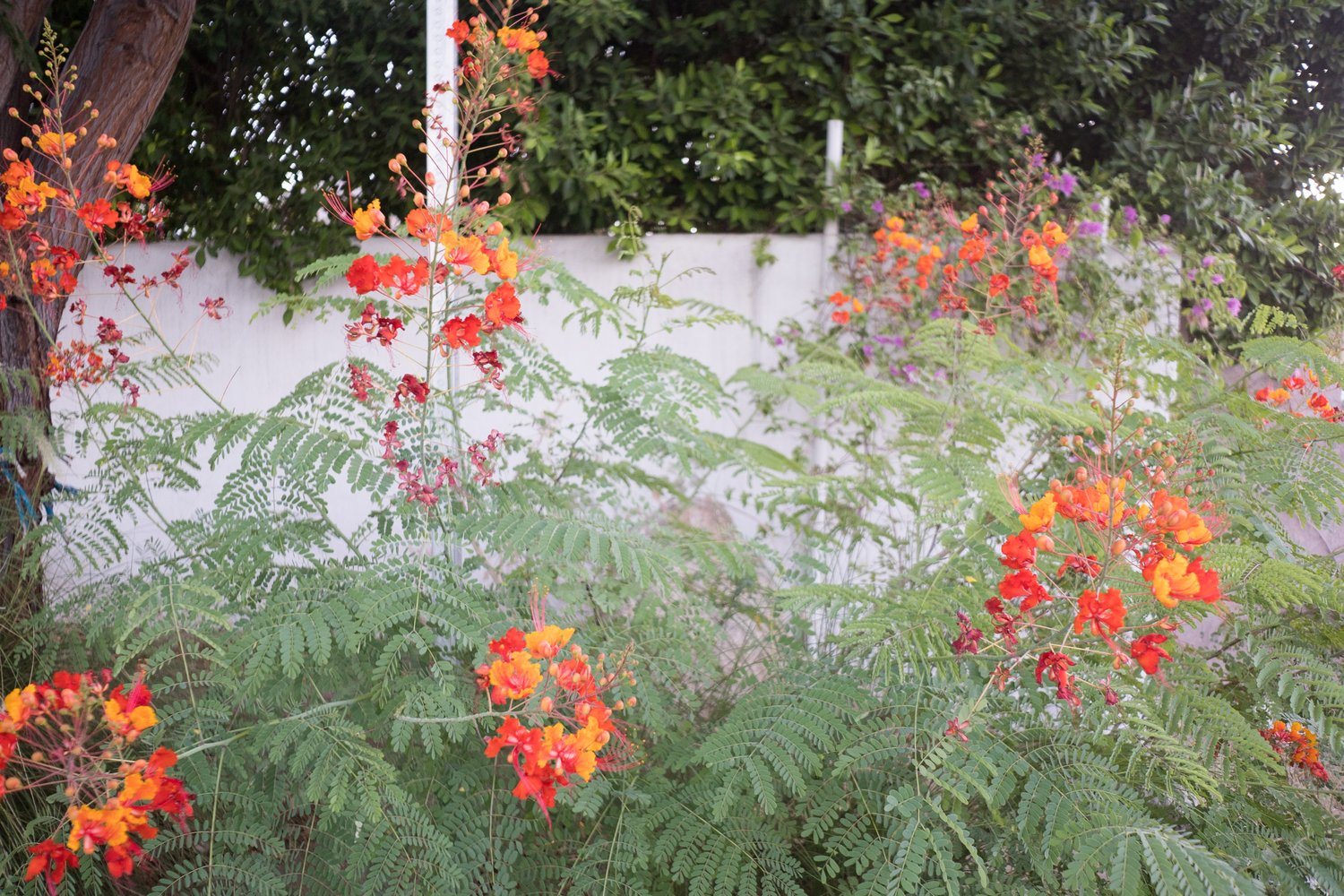
The Mexican Bird of Paradise is a striking tropical shrub. It is popular for its bright flowers and unique leaves.
This plant adds color and life to gardens and landscapes. It is also easy to care for with the right conditions.
Origins And Habitat
The Mexican Bird of Paradise comes from Mexico and Central America. It grows naturally in warm, dry areas.
This plant thrives in places with good sunlight and well-drained soil. It can also grow in rocky or sandy ground.
- Native to Mexico and Central America
- Prefers warm and dry climates
- Found in rocky, sandy, or well-drained soils
Key Features
This plant is known for its bright orange and yellow flowers. The flowers look like a bird in flight.
It has long, narrow leaves that grow in groups. These leaves stay green all year round.
- Bright orange and yellow flowers
- Flowers resemble a flying bird
- Long, narrow, green leaves
- Evergreen shrub
Growth Patterns
The Mexican Bird of Paradise grows as a bushy shrub. It can reach up to 10 feet tall and wide.
This plant grows quickly in warm weather. It blooms mostly in spring and summer but can flower year-round in mild climates.
- Grows up to 10 feet tall and wide
- Fast growth in warm weather
- Blooms mainly in spring and summer
- Can flower year-round in mild areas
Light And Location
The Mexican Bird of Paradise is a bright and beautiful plant. Giving it the right light and place helps it grow strong.
This guide will help you choose the best light and location for your plant.
Ideal Sunlight Exposure
The Mexican Bird of Paradise loves sunlight. It grows best with full sun for most of the day.
It can also grow in partial shade but might bloom less. Aim for at least 6 hours of sun daily.
- Full sun: 6-8 hours of direct light
- Partial shade: 3-6 hours of light
- Avoid deep shade to keep it healthy
Indoor Vs Outdoor Placement
Outdoors, the plant thrives in warm areas with plenty of sun. It grows tall and flowers well.
Indoors, place it near a sunny window. It needs bright light but may grow slower and bloom less.
- Outdoor: Best in gardens or patios with full sun
- Indoor: Use a south-facing window for most light
- Keep away from cold drafts and low light spots
Seasonal Adjustments
Light changes with seasons. In winter, the plant gets less sun. Move it to brighter spots if indoors.
During summer, watch for too much direct sun. Some afternoon shade can protect leaves from burning.
- Winter: Increase light by moving closer to windows
- Summer: Provide some shade during hottest hours
- Spring and Fall: Normal full sun is ideal
Watering Needs
The Mexican Bird of Paradise is a hardy plant that does not need much water. Proper watering helps it stay healthy and vibrant.
Knowing how often and how much to water will keep the plant growing well. Too much or too little water can cause problems.
Frequency And Amount
Water the Mexican Bird of Paradise once a week during warm months. Reduce watering in cooler months to once every two weeks.
Give enough water to soak the soil deeply. Avoid light watering that only wets the surface.
- Water deeply to encourage strong roots
- Check soil moisture before watering again
- Adjust watering based on weather and season
Signs Of Overwatering
Overwatering can harm the plant by causing root rot. Watch for yellowing leaves and soft stems.
Soil that stays wet for a long time may lead to fungal problems. Avoid watering if the soil feels soggy.
- Yellow leaves appearing suddenly
- Wilting despite wet soil
- Foul smell from the soil
- Soft or mushy stems at the base
Drought Tolerance
The Mexican Bird of Paradise can survive dry periods well. It stores water in its roots to use when needed.
It is best to let the soil dry out between waterings. The plant handles drought better than too much water.
- Can go several weeks without water
- Prefers dry soil over wet soil
- Good for low-water gardens
Soil And Fertilizer
The Mexican Bird of Paradise is a tropical plant that needs good soil and proper fertilizer. Proper care helps it grow strong and bloom beautifully.
This guide explains the best soil types and how to feed your plant with the right nutrients and schedule.
Best Soil Types
This plant grows well in soil that drains water but holds some moisture. It likes soil that is loose and rich in organic matter.
Sandy loam or loamy soil is best. Avoid heavy clay soil because it keeps too much water and can cause root rot.
- Sandy loam soil
- Loamy soil with organic matter
- Well-draining soil to prevent waterlogging
Nutrient Requirements
The Mexican Bird of Paradise needs nutrients like nitrogen, phosphorus, and potassium. These help the plant grow leaves, roots, and flowers.
Micronutrients like magnesium and iron are also important for healthy growth and bright blooms.
- Nitrogen (N) for leaf growth
- Phosphorus (P) for strong roots and flowers
- Potassium (K) for overall health
- Magnesium and iron for color and vigor
Fertilizing Schedule
Feed your plant every six to eight weeks during the growing season. Use a balanced fertilizer with equal parts N, P, and K.
Reduce feeding in fall and winter when the plant grows slower. Follow package instructions to avoid over-fertilizing.
- Apply fertilizer every 6-8 weeks in spring and summer
- Use balanced fertilizer (e.g., 10-10-10)
- Cut back feeding in fall and winter
- Water the plant after fertilizing
Temperature And Humidity
The Mexican Bird of Paradise plant needs the right temperature and humidity to grow well. These factors help keep the leaves and flowers healthy.
Understanding its needs helps your plant stay strong and bloom beautifully.
Optimal Temperature Range
This plant prefers warm temperatures. It grows best when the temperature stays between 65°F and 85°F (18°C to 29°C).
Temperatures below 50°F (10°C) can harm the plant and slow its growth.
Humidity Preferences
The Mexican Bird of Paradise likes moderate humidity. It does well with humidity levels between 40% and 60%.
Too dry air can cause leaf edges to turn brown, while very high humidity may lead to mold.
- Ideal humidity: 40% to 60%
- Use a humidifier if air is too dry
- Avoid very damp conditions
Winter Care Tips
During winter, keep the plant indoors if temperatures drop below 50°F (10°C). Protect it from cold drafts.
Maintain humidity by misting the leaves or using a humidifier. Avoid overwatering in cooler months.
Credit: www.gdncnursery.com
Pruning And Maintenance
The Mexican Bird of Paradise is a striking plant that needs regular care. Proper pruning and maintenance keep it healthy and looking good.
Pruning helps control its size and shape. Maintenance includes checking for pests and diseases to keep the plant strong.
When To Prune
Prune the Mexican Bird of Paradise in late winter or early spring. This timing helps new growth develop in warmer months.
Remove dead or damaged stems anytime to keep the plant healthy. Avoid heavy pruning during the growing season.
Tools And Techniques
Use sharp pruning shears or loppers to make clean cuts. Clean tools prevent spreading disease between plants.
Cut stems at a 45-degree angle just above a leaf node. This encourages new growth and prevents damage.
- Wear gloves to protect your hands
- Remove about one-third of the plant if needed
- Dispose of cuttings to avoid pest problems
Managing Pests And Diseases
Check leaves and stems regularly for signs of pests like aphids or spider mites. Early detection helps control problems.
Use insecticidal soap or neem oil to treat infestations. Keep the plant healthy with proper watering and sunlight to reduce disease risk.
- Remove affected leaves to stop spread
- Avoid overhead watering to prevent fungal growth
- Keep the area around the plant clean
Propagation Methods
Mexican Bird of Paradise is a beautiful plant that grows well in gardens. It can be grown from seeds, cuttings, or by dividing the plant. Each way has its own steps and care tips.
Understanding how to propagate this plant helps you grow more healthy plants. This guide explains simple methods to start new plants.
Seed Propagation
Growing Mexican Bird of Paradise from seeds takes time but is rewarding. Seeds need to be prepared before planting for better results.
Soak the seeds in warm water for 24 hours to soften their hard shell. Plant the seeds in well-drained soil and keep them moist.
- Use a seed tray or small pots with good drainage
- Plant seeds about 1 inch deep in soil
- Keep soil temperature around 70°F (21°C)
- Water gently but keep soil moist, not wet
- Expect germination to take several weeks
Cuttings And Division
Cuttings and division are faster ways to grow Mexican Bird of Paradise. Cuttings come from healthy stems, while division splits the root ball.
For cuttings, choose a stem about 6 inches long. Remove lower leaves and place it in water or moist soil until roots form.
- Take cuttings in spring or early summer
- Use rooting hormone to help root growth
- Keep cuttings in a warm, bright place
- For division, dig up the plant carefully
- Separate roots into smaller sections with shoots
- Replant divisions in prepared soil immediately
Best Practices For Success
Good care improves chances of successful propagation. Use clean tools and healthy plants for cuttings or division.
Keep new plants in a warm spot with indirect sunlight. Water them regularly but do not let soil stay soggy.
- Use sterile pots and soil to avoid disease
- Avoid direct sunlight for young plants
- Maintain humidity by covering with plastic if needed
- Check plants daily for signs of rot or pests
- Be patient; some plants take weeks to root
Common Issues
Mexican Bird of Paradise plants can face some common problems that affect their health. Knowing these issues helps you care for your plant better.
Watch for signs like yellow leaves, poor flowering, and pests. Early action can keep your plant strong and beautiful.
Yellow Leaves
Yellow leaves often show that the plant has too much water or not enough nutrients. It can also mean the plant is stressed by cold weather.
Check the soil to make sure it drains well. Avoid watering if the soil is still wet. Use balanced fertilizer during the growing season.
Flowering Problems
If your Mexican Bird of Paradise does not bloom, it may not get enough sunlight. It needs at least six hours of sun each day for flowers.
Too much fertilizer with nitrogen can cause more leaves but fewer flowers. Use a fertilizer with less nitrogen and more phosphorus.
- Place plant in full sun
- Avoid over-fertilizing
- Ensure good soil drainage
- Prune old growth to encourage blooms
Pest Infestations
Common pests on Mexican Bird of Paradise include aphids, spider mites, and scale insects. These pests suck the plant’s juices and cause damage.
Look under the leaves for small bugs or sticky residue. Use insecticidal soap or neem oil to control pests safely.
- Inspect leaves regularly
- Remove pests by hand if possible
- Apply insecticidal soap every week
- Keep plant healthy to resist pests
Design And Landscaping
The Mexican Bird of Paradise is a vibrant plant that adds color and shape to gardens. Its bright orange and blue flowers stand out in any landscape.
This plant works well in different garden styles and can bring a tropical feel to your outdoor space. It grows best in warm climates with full sun.
Combining With Other Plants
Pair the Mexican Bird of Paradise with plants that have similar sunlight and water needs. Use low-growing plants to show off its tall flowers.
Plants with green or silver leaves create a nice contrast with its bright flowers. Avoid plants that need too much shade or water.
- Lavender
- Agave
- Ornamental grasses
- Succulents
Container Gardening
Mexican Bird of Paradise grows well in containers with good drainage. Use large pots to give roots space to grow strong.
Place containers in sunny spots and water regularly, but do not let the soil stay soggy. Fertilize monthly during growing seasons.
- Choose pots with drainage holes
- Use well-draining soil mix
- Water when top inch of soil is dry
- Feed with balanced fertilizer every 4 weeks
Creating A Tropical Look
Mexican Bird of Paradise helps create a tropical garden style. Use it with palm trees and broad-leaf plants for a lush look.
Add colorful flowers and green foliage to enhance the tropical feel. Use mulch and stones to complete the design.
- Palm trees
- Banana plants
- Hibiscus flowers
- Ferns and large-leaf plants
- Mulch or decorative stones
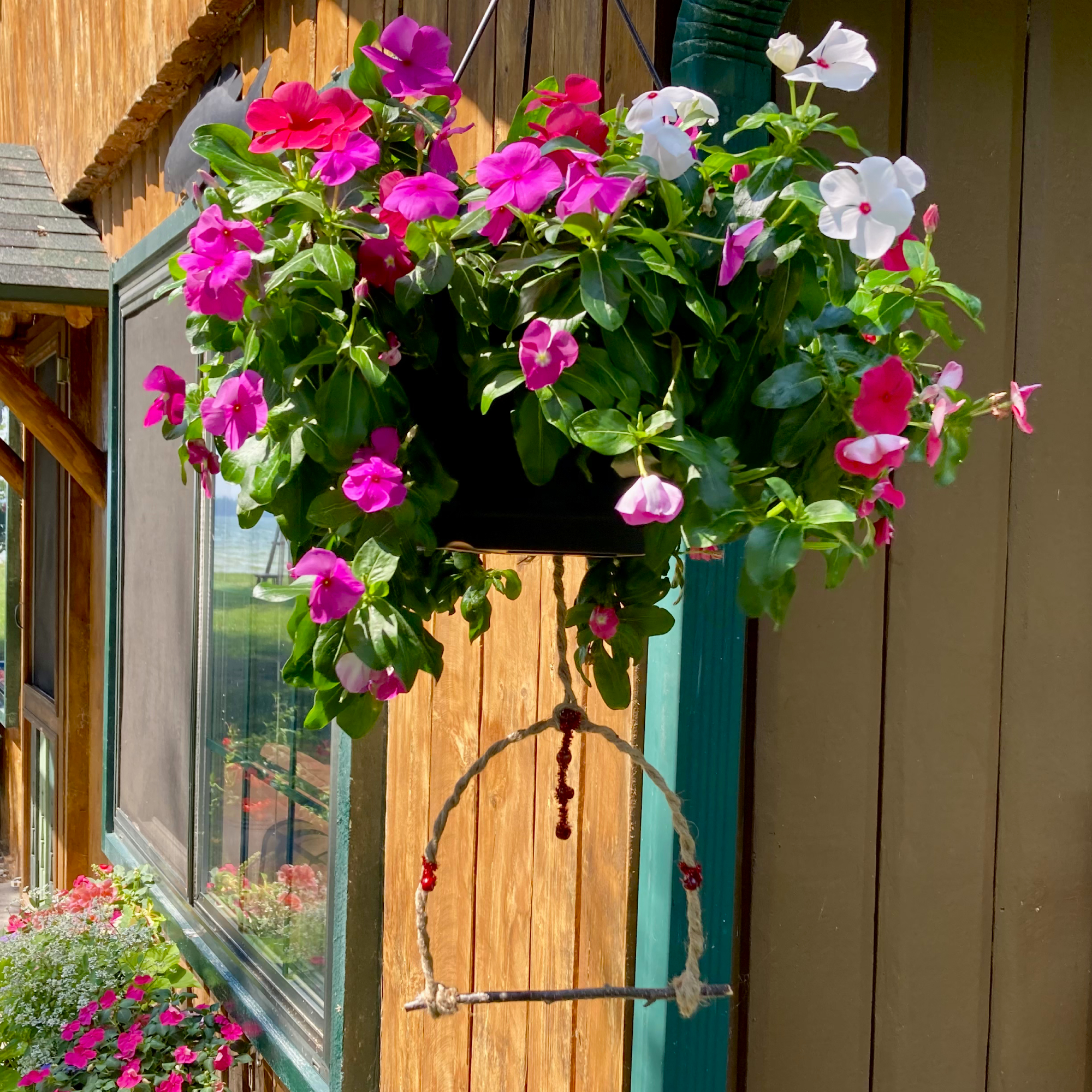
Credit: www.gardeningknowhow.com
Frequently Asked Questions
How Often Should I Water Mexican Bird Of Paradise?
Water your Mexican Bird of Paradise once a week during growing season. Reduce watering in winter. Keep soil moist but not soggy to prevent root rot.
What Sunlight Does Mexican Bird Of Paradise Need?
This plant thrives in full sun to partial shade. Aim for at least 4-6 hours of direct sunlight daily to promote vibrant blooms.
How Do I Prune Mexican Bird Of Paradise?
Prune dead or damaged stems in early spring. Trim spent flowers to encourage new growth and maintain a tidy appearance.
What Temperature Is Ideal For Mexican Bird Of Paradise?
It prefers temperatures between 65°F and 85°F (18°C-29°C). Protect from frost and cold drafts to keep the plant healthy.
Conclusion
Caring for the Mexican Bird of Paradise can be easy and rewarding. This plant thrives in sunny spots with well-drained soil. Water it regularly, but don't overdo it. Pruning helps maintain its shape and encourages blooming. Watch for pests to keep it healthy.
With these simple steps, your garden will bloom beautifully. The vibrant colors and unique appearance of this plant can enhance any garden space. Enjoy the beauty and charm this stunning plant brings to your home. Embrace the joy of gardening with the Mexican Bird of Paradise.
Your garden will thank you.