

Have you ever wondered how birds travel thousands of miles every year without getting lost? Migratory bird corridors are the secret highways in the sky that guide these amazing travelers on their long journeys.
Understanding these corridors can change the way you see nature and the world around you. If you care about wildlife and want to know how you can help protect these incredible routes, keep reading. This article will open your eyes to the hidden paths birds take and why they matter to you and the planet.
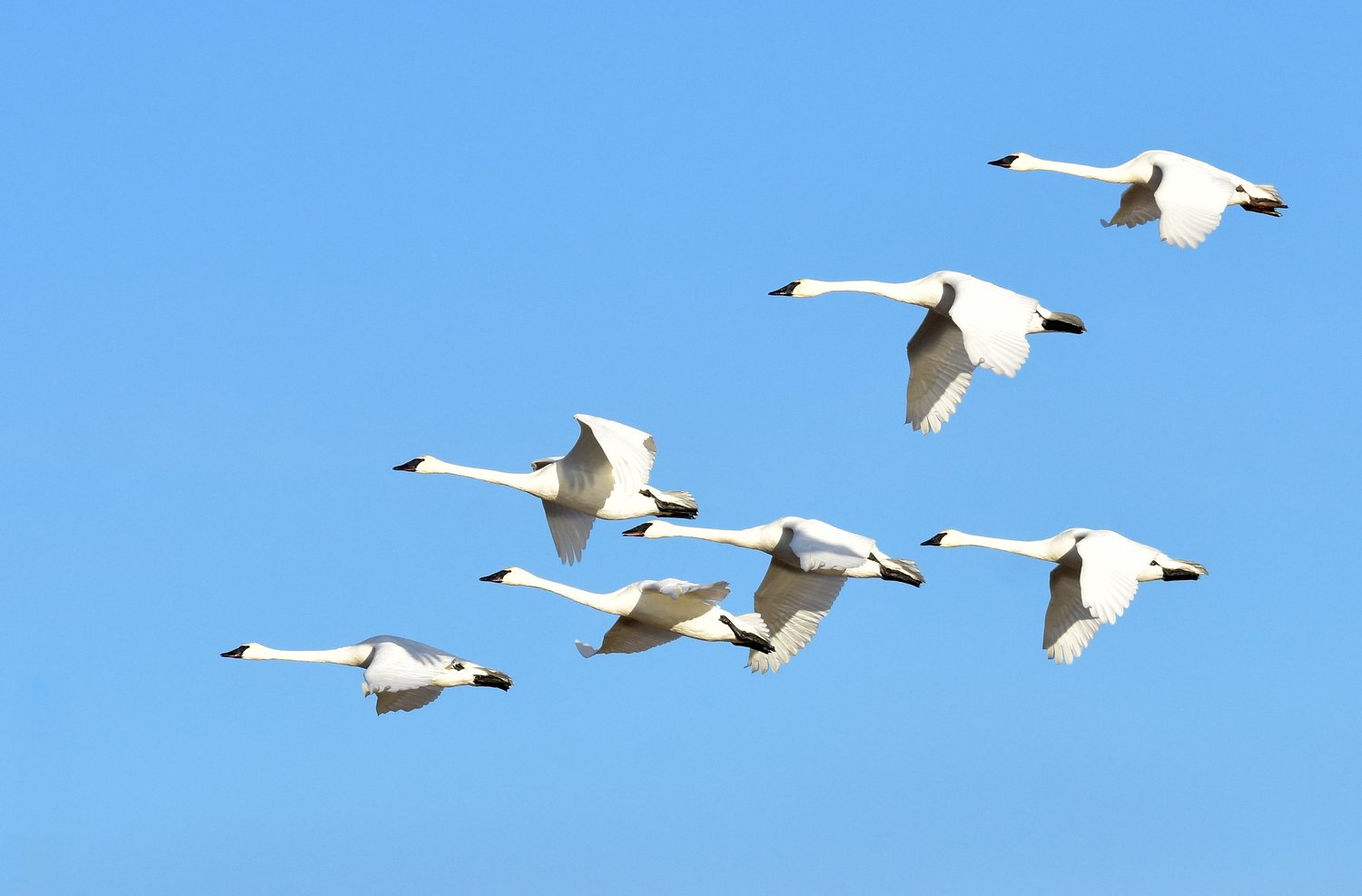
Credit: www.refugeassociation.org
Migratory Bird Corridors Explained
Migratory bird corridors are paths birds use to travel between their breeding and wintering places. These routes help birds find food, water, and safe resting spots.
Birds follow these corridors every year during their migration. The corridors are important for their survival and help keep bird populations healthy.
Key Migration Routes
There are several main migration routes worldwide. These routes cross continents and oceans. Birds use them to avoid bad weather and find good habitats.
- Atlantic Flyway: Runs along the east coast of North America.
- Mississippi Flyway: Follows the Mississippi River from Canada to the Gulf of Mexico.
- Pacific Flyway: Stretches from Alaska down the west coast to South America.
- Central Flyway: Goes through the central United States and Mexico.
- East Asian-Australasian Flyway: Covers East Asia to Australia and New Zealand.
Species Using Corridors
Many bird species use these corridors during migration. Different species prefer different routes based on their needs and habitats.
- Waterfowl like ducks and geese often use the Mississippi and Pacific Flyways.
- Shorebirds such as sandpipers follow the Atlantic and East Asian-Australasian Flyways.
- Raptors like hawks and eagles migrate along the Central Flyway.
- Songbirds use multiple routes depending on their size and food needs.

Credit: medium.com
Importance For Wildlife Survival
Migratory bird corridors are paths that birds use to travel between their homes. These routes help birds find food, shelter, and safe places to raise their young. Protecting these corridors supports the survival of many bird species.
Birds rely on these corridors to move safely through different environments. Without them, birds might not find enough food or good places to live. This can hurt their chances of staying alive and having babies.
Access To Food And Breeding Grounds
Migratory bird corridors connect important areas where birds find food and breed. Birds need these places to rest and eat during long trips. Good food and safe breeding spots help birds grow healthy chicks.
Many birds travel thousands of miles to reach feeding and breeding grounds. If these areas are lost or blocked, birds may not survive the journey. Protecting corridors keeps these vital stops open.
- Birds feed on insects, seeds, and small fish along the corridors
- Breeding grounds provide safe nests for raising young
- Resting spots allow birds to regain energy during migration
Climate Adaptation
Bird corridors help birds adjust to changes in climate. As temperatures shift, birds may need to change their routes or find new homes. Corridors provide flexible paths to reach these new areas.
Changing weather can affect food supply and breeding times. Birds that use corridors can move to places with better conditions. This movement helps species survive in a changing world.
- Birds can find cooler or warmer areas as needed
- Corridors connect different habitats for diverse food sources
- Migration timing can shift with changing seasons
Threats To Bird Corridors
Bird corridors are paths that migratory birds use to travel. These routes are important for their survival. Many threats put these corridors at risk. Birds may face dangers that stop them from moving safely.
Understanding these threats helps us protect the birds. We will look at three main issues. These are habitat loss and fragmentation, pollution and climate change, and human interference.
Habitat Loss And Fragmentation
One big threat is habitat loss. This happens when natural areas are cleared. Trees are cut down and wetlands are drained. This leaves birds with less space to rest and feed.
- Urban development destroys natural lands.
- Farming replaces forests and fields.
- Roads break up bird habitats into small patches.
- Fragmented habitats make it hard for birds to find food.
Pollution And Climate Change
Pollution harms birds and their routes. Chemicals in water and air can poison them. Plastic waste can trap or be eaten by birds. Climate change also affects migration. It changes the weather and food supply.
| Type of Pollution | Effect on Birds |
| Water Pollution | Reduces food in wetlands |
| Air Pollution | Causes breathing problems |
| Plastic Waste | Leads to injury or death |
| Climate Change | Alters migration timing |
Human Interference
Humans often disturb bird corridors. Noise from cities and planes scares birds. Lights can confuse them at night. Hunting and trapping reduce bird numbers. Sometimes, people build structures that block flight paths.
Common human activities that disturb birds:
- Building tall buildings near migration paths
- Using bright lights during night migration
- Hunting migratory birds illegally
- Recreational activities in resting areas
Conservation Efforts
Migratory bird corridors are paths birds use to travel long distances. Protecting these paths helps keep bird populations healthy.
Conservation efforts focus on safe habitats and reducing threats along these routes. Many groups work together to protect these birds.
Protected Areas And Reserves
Protected areas provide safe places for birds to rest and feed during migration. These zones reduce habitat loss and human disturbance.
Reserves often include wetlands, forests, and grasslands. These habitats are critical for the survival of many migratory species.
- National parks preserve key stopover sites
- Wildlife refuges protect breeding and feeding grounds
- Buffer zones limit harmful activities near corridors
International Cooperation
Migratory birds cross many countries during their journeys. Countries work together to share data and protect birds across borders.
International agreements help coordinate conservation actions. These agreements aim to protect habitats and reduce threats globally.
- Sharing tracking and research information
- Coordinating habitat protection efforts
- Creating joint action plans for endangered species
Community Involvement
Local communities play an important role in protecting migratory birds. People help by reducing pollution and preserving habitats.
Education programs raise awareness about the importance of migration routes. Communities often assist in monitoring bird populations.
- Participating in habitat restoration projects
- Reporting bird sightings to scientists
- Reducing use of harmful pesticides
Technological Advances In Tracking
Tracking migratory birds helps scientists learn about their routes and habits. New technology has made tracking easier and more accurate.
These tools give data that helps protect bird corridors and improve conservation efforts worldwide.
Satellite And Gps Tracking
Satellite and GPS devices attach to birds to follow their movements. These trackers send real-time data about where birds fly.
This technology works even when birds travel thousands of miles over oceans and remote lands.
- GPS trackers record exact locations
- Satellite signals send data globally
- Lightweight devices do not harm birds
- Scientists can track small and large species
Data For Conservation Planning
Tracking data shows important stopover spots and migration paths. This helps protect key habitats from damage.
Conservation groups use this information to plan safe zones and reduce risks like hunting or habitat loss.
- Identify critical resting areas
- Monitor changes in migration routes
- Detect threats like pollution or development
- Support laws to protect bird corridors
Future Challenges And Opportunities
Migratory bird corridors face many challenges ahead. These paths are vital for bird survival during seasonal moves.
Balancing human needs and nature protection is key to keeping these corridors safe. New ideas can help protect these routes.
Balancing Development And Conservation
Urban growth and farming reduce space for bird corridors. People need land, but birds need safe paths.
- Limit building near key bird routes
- Use green spaces in cities for habitat
- Plan farms to keep natural areas intact
- Enforce laws that protect bird habitats
Innovative Solutions For Corridor Protection
New technologies and ideas help track and protect birds. Many tools give data on bird paths and dangers.
| Solution | Purpose | Benefit |
| GPS Tracking | Follow bird routes | Identify key corridors |
| Wildlife Bridges | Cross roads safely | Reduce bird collisions |
| Habitat Restoration | Improve food and shelter | Support migration health |
| Community Programs | Raise awareness | Encourage local protection |

Credit: iowacapitaldispatch.com
Frequently Asked Questions
What Are Migratory Bird Corridors?
Migratory bird corridors are specific routes birds use during seasonal migration. These paths connect breeding and wintering sites, ensuring safe travel and access to food and rest areas along the way.
Why Are Migratory Bird Corridors Important?
These corridors help protect bird populations by providing safe passage. They support biodiversity and maintain healthy ecosystems by allowing birds to complete their life cycles efficiently.
How Do Birds Navigate Migratory Corridors?
Birds use environmental cues like the sun, stars, and Earth’s magnetic field. They also rely on landmarks, weather patterns, and instinctive behaviors to stay on course.
What Threats Affect Migratory Bird Corridors?
Habitat loss, urbanization, and climate change disrupt these routes. Pollution and hunting also pose risks, leading to population declines and migration challenges.
Conclusion
Migratory bird corridors are vital for bird survival. They connect habitats across continents. Birds rely on these pathways for food and rest. Protecting these corridors ensures bird species thrive. Local communities can help by preserving natural environments. Every action matters in safeguarding these routes.
By supporting conservation efforts, we protect biodiversity. Birds enrich our ecosystems and inspire us. Understanding their journeys highlights our shared responsibility. Let’s work together to preserve these vital corridors. For birds. For nature. For future generations.