If you love watching birds visit your garden, you want to do everything right to keep them coming back. But sometimes, small mistakes can scare them away without you even realizing it.
Are you making these common errors that stop birds from feeling safe and welcome? You’ll discover the simple things you might be doing wrong—and how to fix them quickly. Keep reading to make your outdoor space a true bird magnet!
Common Birdfeeding Errors
Feeding birds is a fun way to connect with nature. But some mistakes can stop birds from coming.
Knowing what to avoid helps you attract more birds to your yard. Learn about common errors in birdfeeding.
Using The Wrong Food
Not all bird food is good for every bird. Using the wrong food can keep birds away or hurt them.
Some birds like seeds, while others prefer fruit or insects. Avoid feeding birds bread or junk food.
- Sunflower seeds attract many bird types
- Suet helps birds in cold weather
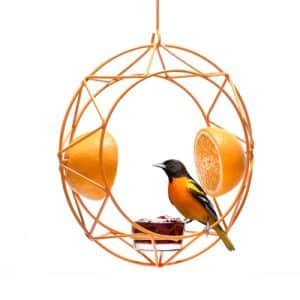
- Fruit feeds birds like orioles and tanagers
- Bread offers little nutrition and can harm birds
Ignoring Seasonal Needs
Birds eat different foods in different seasons. Ignoring this can reduce bird visits to your feeder.
In winter, birds need high-energy foods. In summer, they look for insects and fresh fruit.
- Offer suet or nuts in winter for energy
- Provide fruit and mealworms in spring and summer
- Change food types as seasons change
Overfeeding And Underfeeding
Giving too much food can cause waste and attract pests. Too little food may not help birds at all.
Feed birds enough to keep them coming back. Keep feeders clean to avoid disease.
- Refill feeders regularly but avoid overfilling
- Remove old or moldy food promptly
- Clean feeders every two weeks to prevent germs

Credit: green-backyard.com
Choosing The Right Feeder
Choosing the right bird feeder helps attract more birds safely. Different feeders suit different bird types and environments.
Picking a feeder that fits your space and the birds you want will make bird watching more enjoyable.
Types Of Bird Feeders
There are many bird feeders. Each type suits specific birds and seeds.
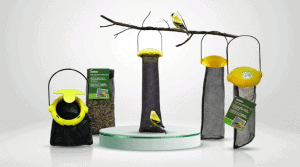
- Tube feeders: Good for small birds like finches and chickadees.
- Platform feeders: Attract many bird types, including larger ones.
- Hopper feeders: Hold large amounts of seed and feed many birds.
- Nyjer feeders: Designed for tiny Nyjer seeds favored by goldfinches.
- Suction cup feeders: Stick to windows for close-up bird watching.
Placement Tips
| Placement Area | Benefit | Common Mistake |
|---|---|---|
| Near trees | Provides cover for birds | Too close, predators can hide |
| Open spaces | Easy for birds to spot feeder | No shelter from weather or predators |
| Windows | Great for watching birds up close | Risk of bird collisions |
| High places | Protects from cats and other animals | Hard for birds to reach |
Place feeders where birds feel safe and can see food easily. Avoid spots near dense bushes where cats hide.
Maintenance And Cleanliness
Cleaning feeders regularly prevents diseases. Dirty feeders can harm birds and scare them away.
- Wash feeders with warm, soapy water every two weeks.
- Rinse well to remove soap residue.
- Check for moldy or wet seed and remove it.
- Keep the area under feeders clean from seed shells and droppings.
Habitat And Environment
Creating the right habitat is key to attracting birds. Birds need safe places to live and find food.
Good environments help birds feel secure and encourage them to visit often.
Creating Safe Spaces
Birds need safe spaces to rest and nest. Plant trees and shrubs to offer shelter from weather and danger.
Use native plants that provide food and cover. Avoid cutting all branches or leaves where birds hide.
- Plant dense bushes and trees
- Keep natural ground cover
- Provide nesting boxes or platforms
Avoiding Predators
Predators like cats and hawks can scare birds away. Keep pet cats indoors or in safe enclosures.
Place feeders and nests in spots hard for predators to reach. Avoid open areas with little cover.
- Keep feeders away from windows
- Use baffles on poles to block predators
- Trim low branches that predators use to jump
Providing Water Sources
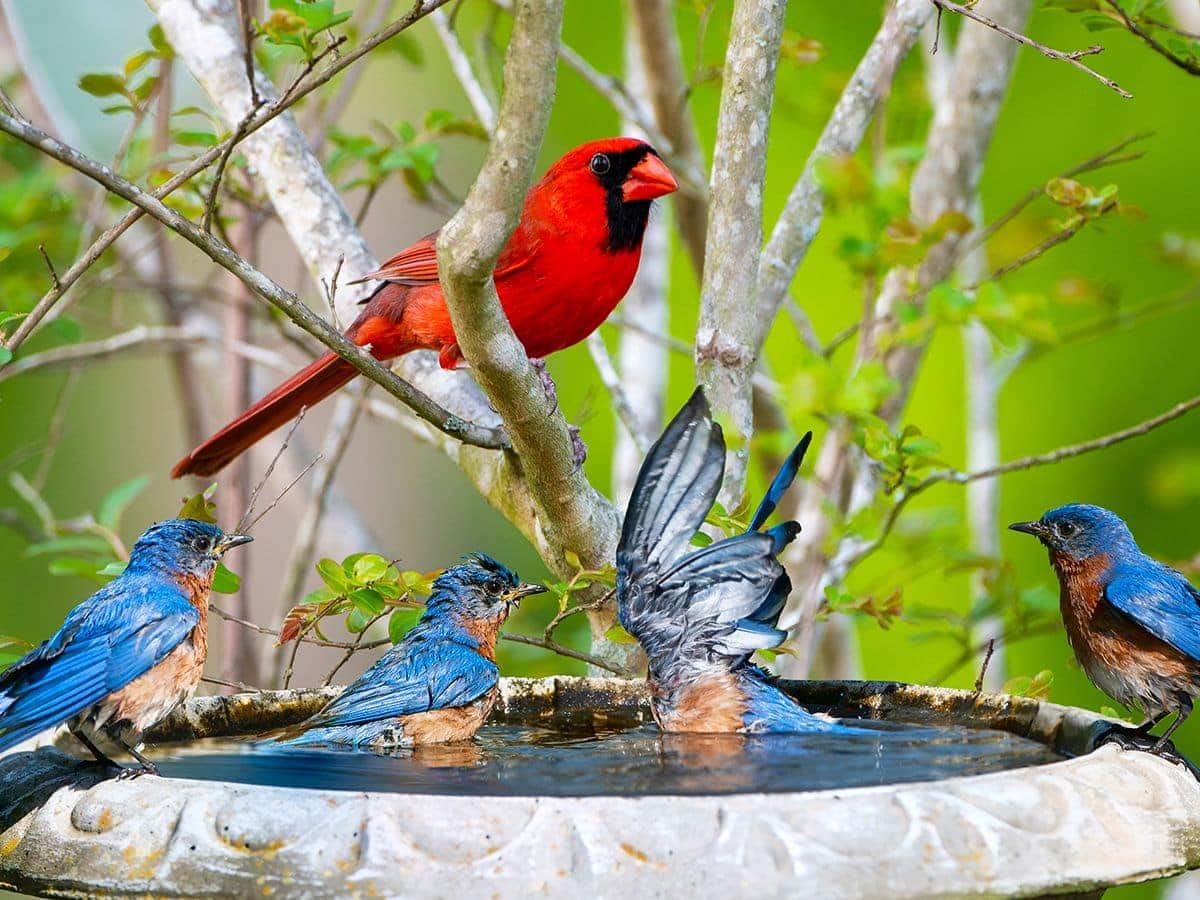
Birds need fresh water for drinking and bathing. Place shallow dishes or birdbaths in quiet, safe areas.
Keep water clean and change it often to prevent disease. Water near shelter helps birds feel safe.
- Use shallow water containers
- Change water every few days
- Place water near trees or shrubs

Credit: www.birdwatchingdaily.com
Timing And Patience
Attracting birds takes time and the right timing. Birds are sensitive to changes in their environment.
Patience helps you enjoy watching birds without scaring them away. Learning when and how to feed birds is important.
Best Times To Feed
Feed birds early in the morning or late afternoon. Birds are most active during these times.
Feeding at the right time gives birds energy for their daily activities. Avoid feeding at midday when birds rest.
- Morning feeding helps birds start the day
- Afternoon feeding prepares birds for the night
- Midday feeding may be less effective
Avoiding Disturbances
Keep quiet and move slowly near birds. Sudden noise or fast movements scare them away.
Avoid using bright lights or strong smells near feeding spots. These can stop birds from coming back.
- Stay calm and quiet when near birds
- Do not touch bird feeders often
- Limit pets near feeding areas
Building Trust With Birds
Let birds get used to your presence by staying still. Visit the feeding spot regularly but without quick moves.
Use the same feeding routine daily. Birds learn to trust and feel safe in a calm environment.
- Be patient and consistent
- Feed birds at the same times
- Avoid sudden changes in feeding spots
Common Myths About Bird Attraction
Many people want to attract birds to their gardens. But some ideas about bird feeding and behavior are not true. These myths can stop you from helping birds.
Learning the facts will help you create a better space for birds. It will also keep the birds safe and happy.
Debunking Food Myths
Some people think birds only eat seeds or bread. But birds need many types of food. Bread can hurt birds because it has no nutrients.
Fruit, nuts, and insects are also good for birds. Different birds like different foods. Offering a variety helps more birds visit your yard.
- Do not feed bread or junk food to birds.
- Use fresh seeds like sunflower or millet.
- Offer fruits like berries and apples.
- Include suet or mealworms for insect-eating birds.
Misconceptions About Bird Behavior
Many think birds will only visit if you put feeders in one spot. Birds explore many areas for food. Moving feeders can attract more birds.
Some believe birds do not come close if people are near. Birds can get used to humans if you stay calm. Patience helps birds feel safe.
- Place feeders in different spots to attract more birds.
- Keep feeders clean to prevent disease.
- Stay quiet and still to let birds feel safe.
- Understand that birds migrate and visit seasonally.

Credit: green-backyard.com
Frequently Asked Questions
What Common Mistakes Repel Birds From Feeders?
Placing feeders too close to predators or windows scares birds away. Using inappropriate or spoiled food also deters them. Avoid noisy locations and lack of water sources near feeders. Proper placement and fresh food attract more birds effectively.
How Does Incorrect Feeder Placement Affect Bird Visits?
Feeders placed in open, unsafe areas make birds vulnerable to predators. Birds prefer feeders near shrubs or trees for quick shelter. Incorrect placement leads to fewer visits and less bird activity around your feeder.
Why Is Using The Wrong Bird Food A Mistake?
Birds have specific dietary needs; wrong food can harm them or discourage visits. Using processed or moldy seeds leads to health issues and fewer birds. Always provide fresh, suitable seeds to attract a variety of birds.
How Does Neglecting Feeder Cleanliness Impact Birds?
Dirty feeders spread diseases and deter birds from visiting. Regular cleaning prevents mold, bacteria, and harmful parasites. Maintaining hygiene keeps birds healthy and encourages frequent feeder use.
Conclusion
Avoiding mistakes helps attract more birds to your garden. Provide fresh water regularly. Choose native plants for food and shelter. Keep feeders clean to prevent diseases. Avoid using harmful pesticides. Create a safe environment free from predators. These simple steps make your garden a bird haven.
Enjoy watching different species visit your space. Birds bring joy and beauty to any garden. Happy birdwatching!