Are you looking to bring more birds into your garden? Choosing the right plants can make all the difference.
Native plants are not only beautiful but also the best way to attract a variety of birds to your outdoor space. They provide natural food and shelter that local birds need to thrive. You’ll discover which native plants work best to invite colorful birds right to your doorstep.
Get ready to transform your garden into a lively haven for birds and enjoy the sights and sounds of nature every day!
Benefits Of Native Plants
Native plants are those that grow naturally in a specific area. They have adapted to the local climate and soil. Using native plants helps create a balanced environment.
These plants provide many benefits to birds and the local ecosystem. They support wildlife and reduce the need for extra care or chemicals.
Support Local Ecosystems
Native plants work well with other plants and animals in your region. They keep the ecosystem healthy and stable.
- Provide food sources for insects and animals
- Help maintain soil quality and prevent erosion
- Encourage pollinators like bees and butterflies
- Keep natural water cycles balanced
Enhance Bird Habitats
Birds rely on native plants for food, shelter, and nesting. These plants offer the right kind of berries, seeds, and insects birds need.
| Native Plant | Bird Benefit |
| Serviceberry | Provides berries for food |
| Milkweed | Supports caterpillars for bird diets |
| Oak Trees | Offer shelter and nesting spots |
| Sedges | Supply seeds and cover for small birds |
Low Maintenance And Sustainability
Native plants need less water and care because they are used to the local weather. They reduce the need for fertilizers and pesticides.
Benefits of low maintenance native plants:
- Save water and reduce irrigation needs
- Lower costs for garden care
- Reduce pollution from chemicals
- Grow strong and resist local pests naturally
Credit: gardenforwildlife.com
Top Native Plants For Birds
Native plants offer food and shelter to many bird species. They help create a safe home for birds in your garden.
Choosing the right plants attracts different kinds of birds. This guide shows plants that nectar feeders, finches, fruit lovers, and shelter seekers enjoy.
Flowering Plants For Nectar Feeders
Nectar feeders like hummingbirds and orioles need flowers rich in nectar. Bright, tubular flowers work best to attract them.
- Bee Balm (Monarda)
- Cardinal Flower (Lobelia cardinalis)
- Coral Honeysuckle (Lonicera sempervirens)
- Trumpet Vine (Campsis radicans)
- Butterfly Weed (Asclepias tuberosa)
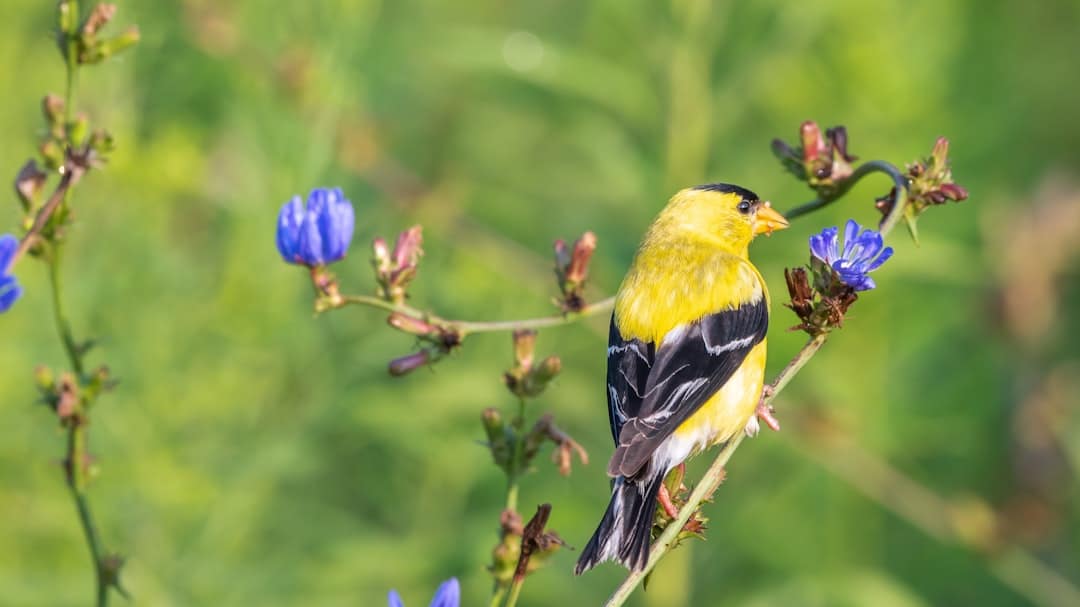
Seed-producing Plants For Finches
Finches love plants that produce plenty of seeds. These plants help feed them through fall and winter.
| Plant Name | Seed Type | Best Time to Feed |
| Sunflower (Helianthus) | Large seeds | Late summer to fall |
| Coneflower (Echinacea) | Small seeds | Fall and winter |
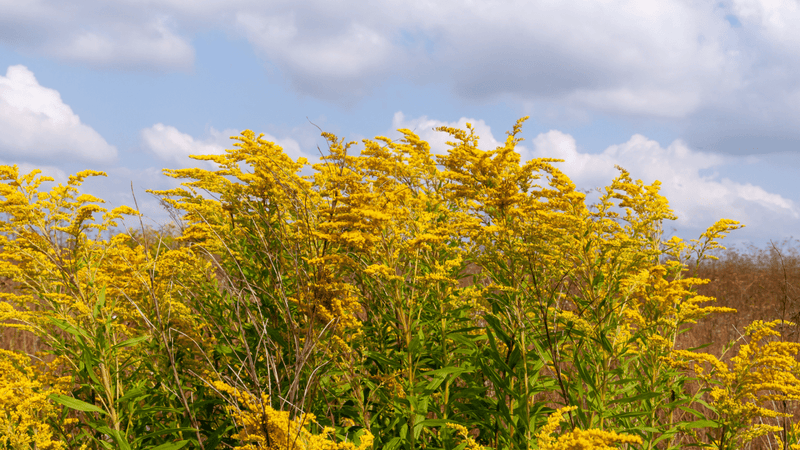
| Goldenrod (Solidago) | Tiny seeds | Fall |
| Black-eyed Susan (Rudbeckia) | Medium seeds | Fall |
Berry-bearing Shrubs For Fruit Lovers
Fruit-eating birds like thrushes and waxwings eat berries from shrubs. These plants also provide shelter.
- Serviceberry (Amelanchier)
- Elderberry (Sambucus)
- Winterberry Holly (Ilex verticillata)
- Chokeberry (Aronia)
- Dogwood (Cornus)
Trees That Provide Shelter And Food
Trees give birds places to hide and build nests. Many also produce nuts, seeds, or fruits that birds eat.
| Tree | Food Type | Birds Attracted |
|---|---|---|
| Oak (Quercus) | Acorns | Woodpeckers, Jays, Sparrows |
| Maple (Acer) | Seeds | Finches, Chickadees |
| Hickory (Carya) | Nuts | Woodpeckers, Nuthatches |
| Cherry (Prunus) | Fruits | Thrushes, Robins |
Designing A Bird-friendly Garden
A bird-friendly garden invites many feathered visitors. Native plants help birds find food and shelter. Designing your garden with their needs in mind makes it a safe haven.
Simple changes like adding water sources and safe nesting spots can increase bird visits. You can create a garden that supports local wildlife all year round.
Layered Planting Techniques
Use layers of plants to give birds places to hide, perch, and feed. Include tall trees, medium shrubs, and low ground cover. This variety offers food and protection.
- Tall trees for nesting and safety
- Shrubs with berries for food
- Flowering plants for insects
- Ground cover for seeds and shelter
Water Sources And Birdbaths
Birds need clean water for drinking and bathing. A birdbath or small pond in your garden attracts them. Keep water fresh and change it often to prevent mosquitoes.
| Type of Water Source | Benefits |
| Birdbath | Easy to clean and refill |
| Small pond | Supports more birds and insects |
| Dripping fountain | Attracts birds with sound and movement |
Safe Nesting Spots
Provide safe nesting areas by planting dense shrubs and trees. Avoid using pesticides that can harm birds and their young. You can also add birdhouses for extra shelter.
- Plant native shrubs with thick branches
- Place birdhouses away from predators
- Leave dead trees or logs for natural nests
- Keep pets away from nesting areas

Credit: www.allaboutbirds.org
Seasonal Planting Tips
Planting native plants helps attract birds to your garden all year. Different plants bloom in different seasons. This supports birds during their migration and breeding.
Knowing which plants to grow each season improves your chances of seeing many bird species. Focus on native plants for best results.
Spring Blooms For Early Migrants
Spring is a busy time for birds returning from migration. Early blooming plants provide food and shelter. These plants help birds regain energy after long flights.
Choose native wildflowers and shrubs that flower early. These plants produce nectar, seeds, and insects that birds eat.
- Redbud trees
- Serviceberry bushes
- Wild columbine
- Virginia bluebells
- Flowering dogwood
Summer Plants For Active Birds
Summer is a time when birds feed their young. Plants with fruits and seeds attract birds. They also offer shelter from the sun and predators.
Pick native plants that bloom or fruit in summer. These plants support insects and provide food for baby birds.
- Black-eyed Susan
- Joe-Pye weed
- Blueberry bushes
- Milkweed
- Summersweet clethra
Fall And Winter Food Sources
In fall and winter, food is scarce for birds. Native plants with berries and seeds help birds survive cold months. They also provide shelter from harsh weather.
Choose plants that hold berries late into winter. These plants feed birds before and during migration.
- Winterberry holly
- American beautyberry
- Eastern red cedar
- Sumac
- Witch hazel
Avoiding Harmful Practices
Using native plants helps birds find food and shelter. Avoid practices that can harm birds and plants.
Protecting your garden means protecting the wildlife that depends on it. Simple actions can make a big difference.
Pesticide-free Gardening
Pesticides can hurt birds and insects that birds eat. Use natural ways to keep bugs away from your plants.
Choose healthy soil and strong plants. This lowers pest problems without chemicals.
- Use hand-picking to remove pests
- Encourage ladybugs and other helpful insects
- Apply homemade sprays like neem or soap solutions
- Plant pest-resistant native species
Preventing Invasive Species
Invasive plants can take over and hurt native plants. They reduce food and homes for birds.
Choose only native plants for your garden. Remove invasive plants quickly before they spread.
- Learn to identify invasive plants in your area
- Pull out invasive plants by roots carefully
- Dispose of invasive plant parts safely
- Ask local experts about native plant lists
Managing Predators
Some predators can harm birds in your garden. You can help birds stay safe with simple steps.
Keep cats indoors or in safe outdoor spaces. Use bird feeders and houses placed high and away from dangers.
- Place bird feeders at least 5 feet above ground
- Trim bushes to reduce hiding spots for predators
- Keep pets supervised outside
- Use birdhouses with small entrance holes
Resources For Native Plant Selection
Choosing native plants helps attract birds to your garden. Native plants provide food and shelter for local birds.
You can find native plants through many resources. These resources help you pick plants that suit your area and birds.
Local Nurseries And Seed Banks
Local nurseries often grow native plants suited to your region. They know which plants work well for local wildlife.
Seed banks store native seeds to help preserve plant diversity. You can get seeds to start your own native garden.
- Visit nurseries for advice and plant availability
- Check seed banks for rare or hard-to-find native seeds
- Ask about plants that attract specific bird species
Online Native Plant Databases
Online databases list native plants by region and type. They help you find plants that match your local climate and soil.
These sites often show pictures, growing tips, and which birds like the plants. This helps you plan your bird-friendly garden.
- Search by state or region for native species
- View bird-attracting plants with detailed info
- Use filters for sun, soil, and water needs
Community And Conservation Groups
Local groups often work to protect native plants and birds. They share knowledge about native plant use and care.
Joining these groups connects you with experts and volunteers. They may offer workshops, plant sales, or planting guides.
- Attend local workshops on native plants
- Join bird or conservation clubs in your area
- Participate in community planting events

Credit: www.iowanativeplants.com
Frequently Asked Questions
What Are The Best Native Plants To Attract Birds?
Native plants like serviceberry, coneflower, and goldenrod attract birds. These plants provide food, shelter, and nesting sites. Choosing local species supports the ecosystem and ensures birds find familiar resources.
How Do Native Plants Benefit Local Bird Populations?
Native plants offer natural food sources like seeds, berries, and nectar. They also provide shelter and nesting areas. This helps birds thrive by maintaining a balanced and healthy habitat.
Can Native Plants Attract Specific Bird Species?
Yes, certain native plants attract specific birds. For example, elderberry draws robins, while sunflowers attract finches. Selecting plants based on bird preferences enhances birdwatching opportunities.
When Is The Best Time To Plant Native Species For Birds?
Spring and fall are ideal for planting native species. These seasons provide optimal soil moisture and temperature. Planting during these times helps plants establish strong roots to support birds year-round.
Conclusion
Native plants can transform your garden into a bird haven. They offer food, shelter, and a natural habitat. Birds thrive where their needs are met. Your garden becomes a lively, colorful space. These plants are low-maintenance and eco-friendly. They save you time and water.
Plus, they support local wildlife. Plant wisely. Enjoy the beauty and sounds of nature right at home. Invite vibrant birds to visit often. Create a peaceful retreat with nature’s help. It’s a win for you and the birds. Embrace the beauty of native plants today.
Your garden awaits a lively transformation.