
Do you wonder about birds? How many kinds of birds live here with you? The Number of Bird Species in the World is not just a simple fact. It shows the amazing life all around you.
You might just watch birds sometimes. Maybe you are curious about nature. Knowing these species can change your outdoor experience. You will discover surprising facts about bird variety. This will make you appreciate every chirp. Keep reading now. Your next bird moment will be full of wonder.
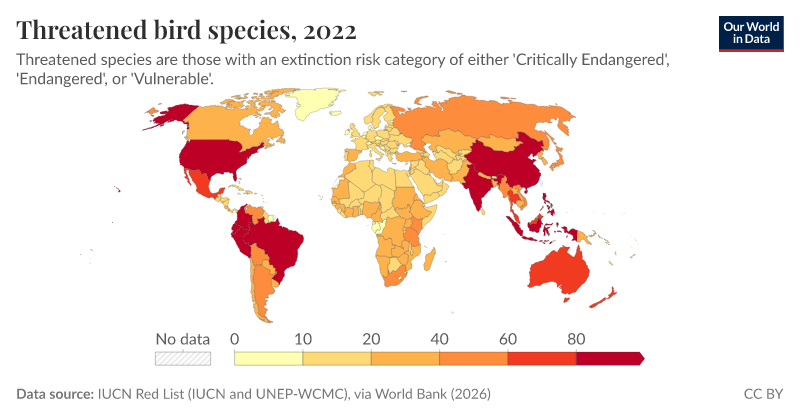
Credit: ourworldindata.org
Global Bird Diversity
Birds live all over the world. They are found in many places. This includes forests, deserts, and even cities. There are many types of birds. Scientists study them. They want to know the total species count worldwide.
Total Bird Species
About 10,000 bird species exist today. This count changes often. Scientists keep finding new species. Some birds are common everywhere. Others are rare. They live in very small areas only.
Why The Count Changes
Different reasons affect the species count. These include climate and habitat. Human activity also plays a part. Some factors help species grow. Other factors cause species to vanish.
Habitat loss reduces bird living places.
Climate changes affect food and nesting.
Protected areas save many species.
New discoveries add to the total count.
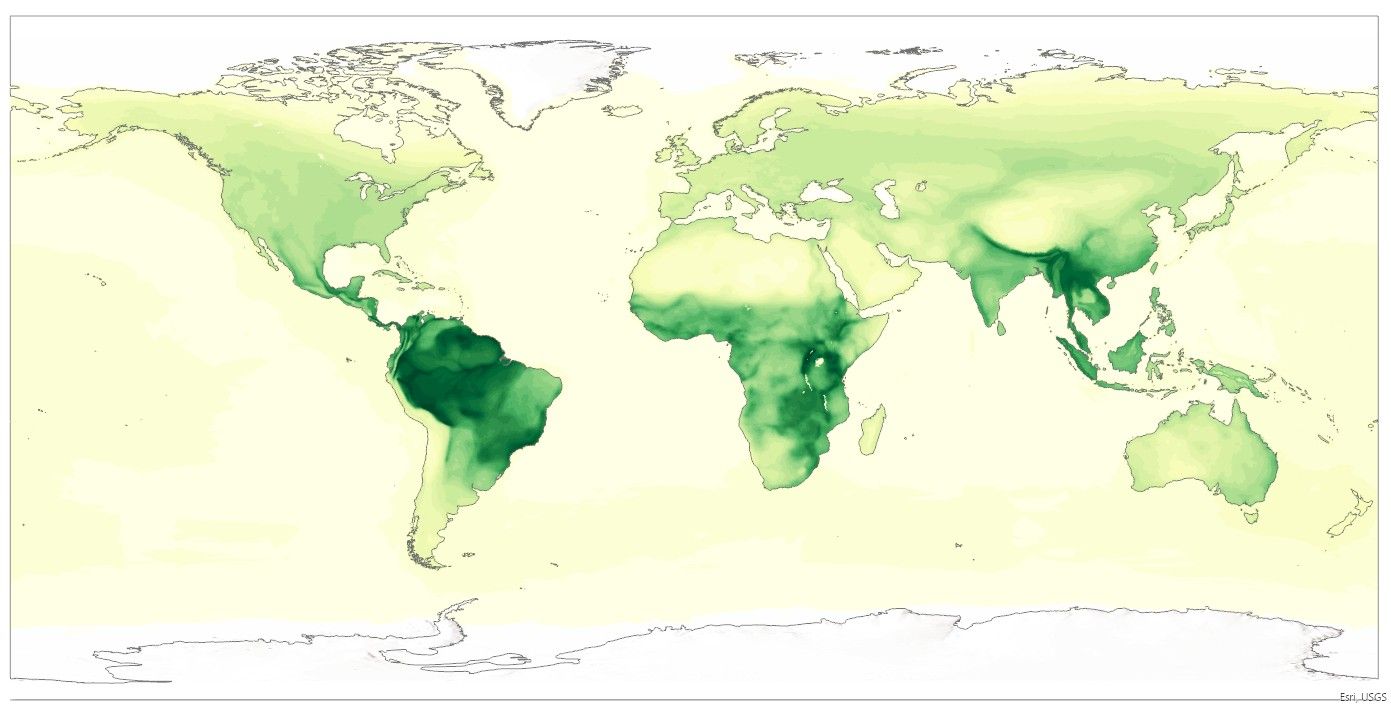
Credit: datazone.birdlife.org
Bird Species By Region
Birds live everywhere on Earth. Different regions have different bird types. Knowing where birds live helps us learn about nature. Each region has unique birds. Some are rare. Let’s look at birds by region.
The Americas
The Americas have many bird species. North, Central, and South America show great variety. Tropical areas have colorful toucans and parrots. Hummingbirds and woodpeckers are common. Many birds fly between North and South America yearly.
Hummingbirds
Toucans
Woodpeckers
Eagles and hawks
Flamingos
Africa And Asia
Africa and Asia have rich bird life. Africa is known for large birds. Think of ostriches and vultures. Asia features many colorful birds. The peacock is an example. These places have many water birds. Birds adapt to forests and mountains here.
Ostriches and vultures
Peacocks and pheasants
Kingfishers
Cranes and storks
Birds of paradise
Europe And Oceania
Europe has many songbirds and birds of prey. Oceanic regions include islands. These islands have unique bird species. Many seabirds live near the coast. Island birds often cannot fly well. Some European birds fly south in winter.
Songbirds like robins and finches
Birds of prey such as falcons
Seabirds like puffins and albatrosses
Island species like kiwi and kakapo
Swans and ducks
Unique Bird Families
Birds belong to many unique families. Each family has special traits. These traits make it different. Scientists found over 10,000 species. These species fit into about 250 bird families.
Endemic Species
Endemic birds live in only one place. They are often found on islands. They live in remote areas. Endemic birds need special care to survive. This is because they live in limited areas.
The Kakapo lives only in New Zealand.
The Hawaiian Honeycreepers are also endemic.
Madagascar has many unique bird species.
Rare And Threatened Birds
Some bird species are rare. They face extinction. These birds face danger from hunting or habitat loss. Protecting these birds keeps nature balanced. Efforts work to save them.
The California Condor is a rare bird.
Philippine Eagle faces critical danger.
The Spix’s Macaw is almost gone in the wild.
Bird Habitats And Adaptations
Birds live in many places worldwide. Each place has different weather. It has different plants and animals. Birds change to live well in these places. Adaptations help birds find food. They help them stay safe. They help them raise young. These changes fit the habitat well.
Forest And Woodland Birds
Forests have many trees and plants. Birds use trees for food and homes. They have strong feet to hold branches. Many birds have sharp beaks for seeds or insects. Their colors help them hide among leaves. This keeps them safe from predators.
Strong feet for holding branches.
Beaks shaped for specific foods.
Colors help them hide well.
Wetland And Coastal Birds
Coasts and wetlands have water and mud. Birds here often have long legs. They walk in shallow water. Their beaks catch fish or small animals. Some birds have webbed feet for swimming. Special feathers keep them dry.
Long legs to walk in water.
Webbed feet for easy swimming.
Waterproof feathers keep them dry.
Urban And Desert Birds
Urban birds live in cities. They live near people and buildings. They eat many foods. They nest in small spots. They live well near humans. Desert birds live where it is hot. They save water and stay cool. They move mostly in the morning or evening.
Urban birds eat many food types.
Desert birds store water well.
Desert birds avoid heat by moving at dawn.
Birdwatching And Conservation
About 10,000 bird species exist now. Birdwatching helps people learn about them. Protecting birds keeps nature balanced. Conservation efforts help save many bird species from danger.
Popular Birdwatching Spots
Many places attract birdwatchers. These spots have many different birds. Top locations include forests and coasts. Wetlands are also popular. Each spot offers unique birds to see.
Amazon Rainforest: many tropical birds.
Everglades, USA: many wading species.
Kruger National Park: exotic birds and raptors.
Galápagos Islands: unique, rare species.
Danube Delta: large migratory flocks.
Protecting Bird Species
Many groups work to save birds. They protect bird homes. These efforts help stop birds from vanishing. Actions include protecting habitats. They ban harmful hunting. They raise public awareness.
Creating national parks and reserves.
Restoring damaged habitats like wetlands.
Researching bird movements and numbers.
Educating people about bird care.
Reducing pollution and threats.
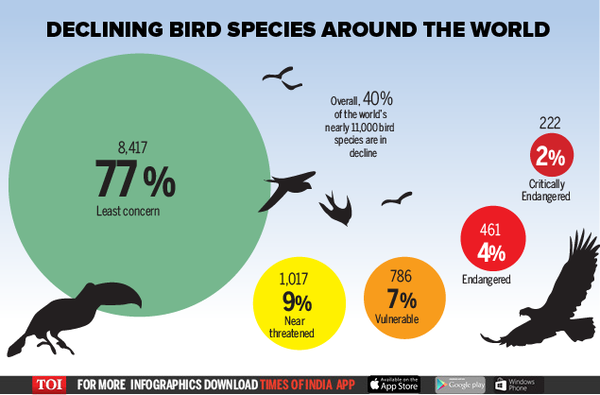
Credit: timesofindia.indiatimes.com
Trends In Bird Populations
Bird numbers show many changes. Some species grow in number. Other species face a drop. These trends tell us about how nature is doing.
Species Increasing In Number
Certain bird species have higher numbers now. This happens in farmlands or cities. Birds that adapt well often increase. Some find more food easily.
Pigeons thrive in cities with food.
Canada Geese grow in lakes and parks.
House Sparrows adapt easily to towns.
European Starlings spread widely.
Species Facing Decline
Many birds show falling numbers. Losing habitats and pollution cause this. Climate change also threatens some species. Hunting is another threat. Conservation efforts try to help them.
Hawaiian Honeycreepers lose forest homes.
Vultures drop due to habitat loss and poisoning.
Albatrosses face risk from fishing nets.
Grassland birds shrink as cities spread.
Frequently Asked Questions
How Many Bird Species Exist Globally?
About 10,000 to 11,000 bird species exist worldwide. This number changes. New species are found. Birds live in many places, like deserts. Efforts work to protect rare species.
What Is The Largest Bird Species?
The ostrich is the largest bird. It lives in Africa. Ostriches weigh up to 156 kilograms. They stand up to meters tall. They cannot fly. They are known for fast running.
How Are Bird Species Classified?
Scientists classify species by genetics and traits. They use ranks like species and family. DNA analysis helps refine these groups. This shows how birds changed over time.
Which Continent Has The Most Bird Species?
South America has the most bird species. Its many ecosystems help. The Amazon and the Andes support much bird life. Countries like Brazil are rich in bird variety.
Our Final Thoughts
Birds give our world color and song. Over 10,000 species live on Earth. Each bird has a special job. Protecting their homes keeps nature alive. Watching birds teaches us about life.
Every species is important for a healthy planet. We must care for these amazing creatures. Their variety shows nature’s great strength. Keep learning about birds near you. They bring wonder to everyone who sees them.