Bringing a pet bird into your home can fill your life with color, song, and joy. But to keep your feathered friend happy and healthy, you need to know the right way to care for them.
Are you ready to discover simple, effective steps that will make your bird thrive? Whether you’re a new bird owner or want to improve your care routine, this guide is made just for you. Keep reading, and you’ll learn how to create a safe, loving environment your pet bird will thank you for every day.
Choosing The Right Bird
Choosing the right bird is important for a happy pet and owner. Different birds have different needs and personalities.
Think about your home, time, and how much care you can give before picking a bird.
Popular Pet Bird Species
Many birds make great pets. Some are easy to care for, while others need more attention.
- Budgerigars (Budgies): Small, friendly, and great for beginners.
- Canaries: Known for their singing, need less handling.
- Lovebirds: Social and colorful, enjoy company.
- Cockatiels: Gentle and playful, good for families.
- Conures: Lively and talkative, need interaction.
- Macaws: Large and smart, need lots of space and care.
Matching Birds To Your Lifestyle
Your daily routine affects which bird fits best. Some birds need more time and attention.
Choose a bird that matches your activity level and time at home.
- If you are busy, pick birds that need less handling like canaries.
- For active people, playful birds like cockatiels or conures work well.
- If you want a quiet pet, choose birds that sing softly or stay calm.
- Families with children may prefer gentle birds like budgies or cockatiels.
Considering Bird Size And Lifespan
Bird size affects the space and care needed. Small birds need smaller cages and less food.
Lifespan varies widely. Some birds live a few years, others can live decades.
| Bird Type | Size | Average Lifespan |
|---|---|---|
| Budgerigar | Small | 5-8 years |
| Cockatiel | Medium | 10-14 years |
| Lovebird | Small | 10-15 years |
| Conure | Medium | 20-30 years |
| Macaw | Large | 40-60 years |

Credit: www.chewy.com
Setting Up The Cage
Setting up a cage is the first step to care for your pet bird. A proper cage keeps your bird safe and happy.
Choose the right size, materials, and accessories to make the cage comfortable for your bird.
Ideal Cage Size And Shape
Pick a cage that gives your bird enough space to move and stretch its wings. Bigger cages help birds stay active.
Rectangular or square cages are better than round ones. Birds feel safer and have more room to perch.
- Allow room for flying and climbing
- Keep cage height enough for vertical movement
- Avoid cramped spaces to reduce stress
- Choose shapes with flat sides for easy cleaning
Safe Cage Materials
Use cages made from non-toxic, bird-safe materials. Avoid metals that can harm your bird.
Stainless steel cages are strong and safe. Powder-coated cages are also good if the coating is free of harmful chemicals.
- Stainless steel: durable and easy to clean
- Powder-coated metal: safe if non-toxic
- Avoid zinc or lead-coated cages
- No plastics that birds can chew and swallow
Essential Cage Accessories
Add accessories that meet your bird’s basic needs. These help keep your bird healthy and entertained.
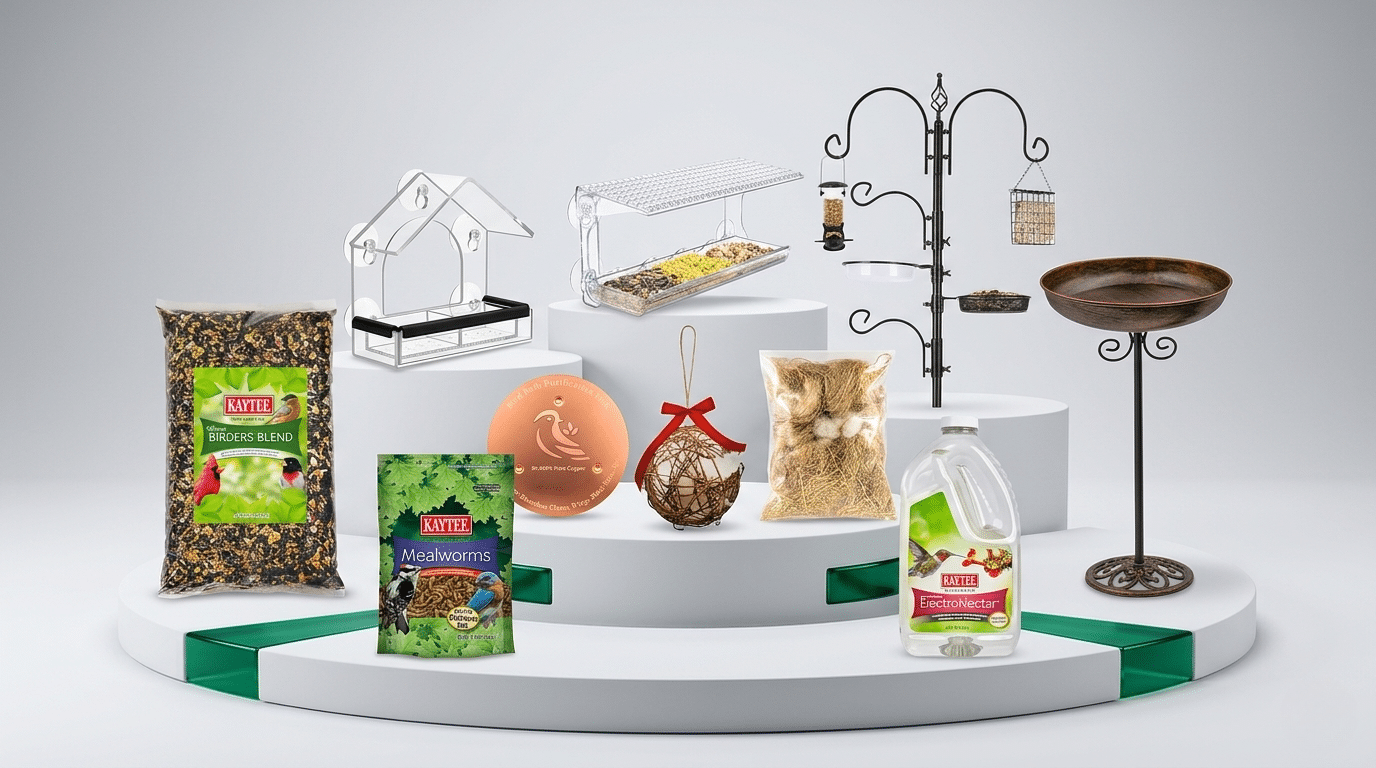
Provide perches, feeding dishes, and toys. Change water daily and clean accessories often.
- Perches of different sizes and textures
- Food and water bowls that attach securely
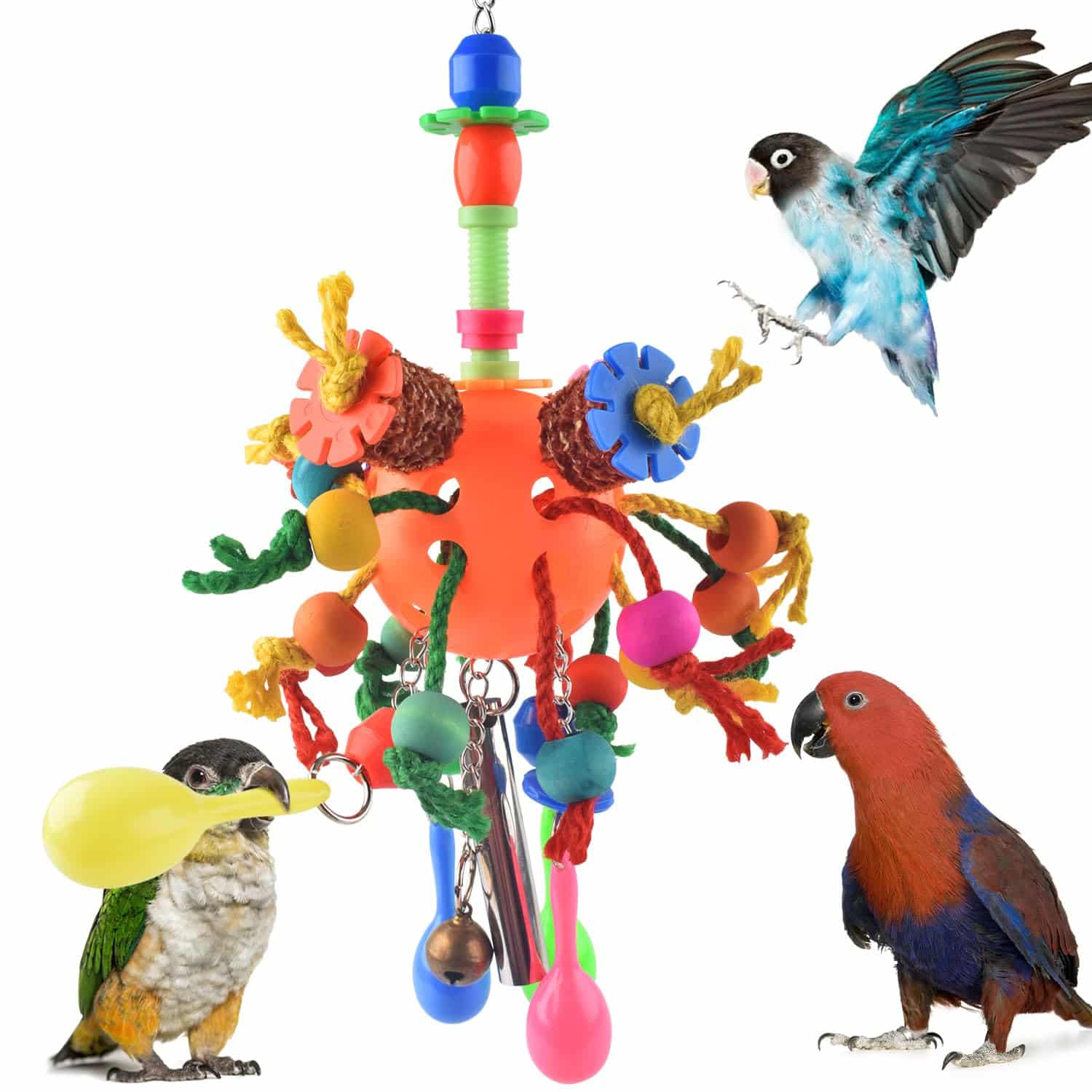
- Toys for chewing and mental stimulation
- A tray or paper for cage bottom to catch waste
- Safe swings or ladders for exercise
Feeding Your Bird
Feeding your pet bird the right food helps it stay healthy and happy. Birds need a diet that gives them energy and nutrients.
You should learn what foods are good and which ones to avoid. This keeps your bird safe and strong.
Balanced Diet Components
A balanced diet for birds has seeds, pellets, and grains. These foods give important vitamins and minerals.
Pellets are made to provide complete nutrition. Seeds alone do not give all nutrients your bird needs.
- Pellets for vitamins and minerals
- Seeds for energy and taste
- Grains for fiber and nutrients
Fresh Fruits And Vegetables
Fresh fruits and vegetables add variety and extra vitamins. They keep your bird’s immune system strong.
Offer small pieces of apples, carrots, or leafy greens. Wash all produce well to remove pesticides.
- Apples (remove seeds)
- Carrots
- Spinach and kale
- Berries
- Broccoli
Avoiding Harmful Foods
Some foods can hurt your bird. Avoid chocolate, caffeine, and avocado. These are toxic to birds.
Also do not feed salty, sugary, or fatty human foods. They can cause health problems over time.
- Chocolate
- Caffeine (coffee, tea)
- Avocado
- Salty snacks
- Alcohol
Maintaining Hygiene
Keeping your pet bird clean is important for its health. Good hygiene helps prevent diseases and keeps your bird happy.
Regular care and cleaning create a safe home for your bird. Let’s learn how to maintain proper hygiene.
Cleaning The Cage Regularly
Clean the bird’s cage every week to remove dirt and waste. Dirty cages can cause illness and stress for your bird.
Take out old food, droppings, and feathers. Wipe the bars and tray with warm water and mild soap.
- Remove the bird before cleaning
- Use bird-safe cleaning products
- Rinse and dry the cage well
- Change cage liners or bedding often
Bathing Your Bird
Bathing helps your bird keep its feathers clean and healthy. Some birds like to bathe every day, others less often.
Use a shallow dish with lukewarm water or a spray bottle to mist your bird gently. Never force your bird to bathe.
- Let your bird choose to bathe
- Use clean, fresh water
- Dry your bird in a warm room
- Watch for signs of stress or cold
Preventing Infections
Good hygiene lowers the risk of infections in pet birds. Germs grow fast in dirty environments.
Keep food and water fresh, and clean dishes daily. Check your bird for signs of illness like sneezing or swelling.
- Wash hands before and after handling
- Keep the cage away from drafts
- Isolate sick birds from healthy ones
- Visit a vet for regular check-ups
Ensuring Mental Stimulation
Pet birds need mental stimulation to stay happy and healthy. Without it, they can get bored and stressed.
Providing activities and interaction helps keep their minds active and sharp. This also improves their behavior.
Toys And Enrichment Activities
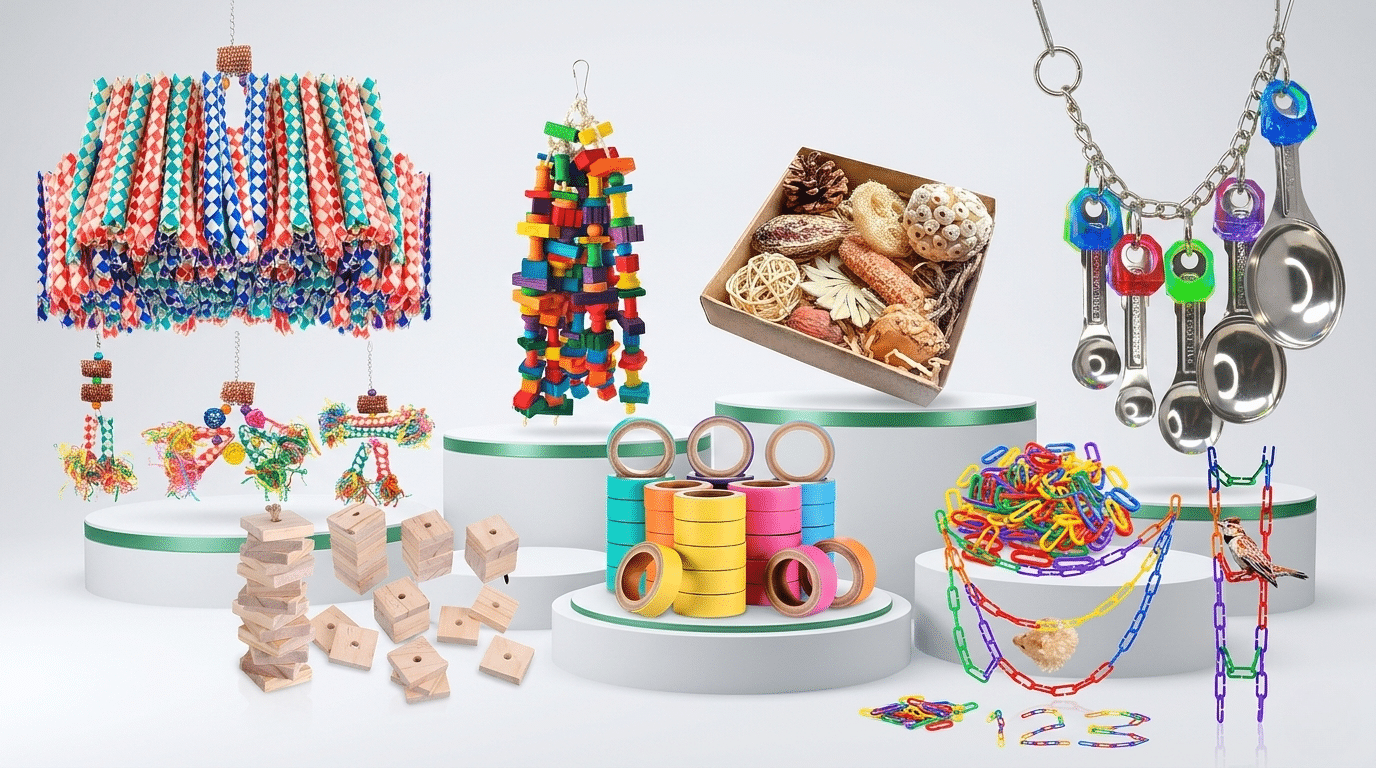
Toys help birds explore and use their natural skills. Offer different types to keep them interested.
Enrichment activities like puzzle feeders challenge their problem-solving abilities.
- Chewable toys help keep beaks healthy
- Swings and ladders encourage movement
- Puzzle feeders make birds work for food
- Mirrors and bells provide visual and sound stimulation
Social Interaction
Birds are social animals. They need regular interaction with people or other birds.
Talking, gentle petting, and spending time near them helps build trust and keeps them calm.
- Set aside daily time to engage with your bird
- Use calm voices to avoid stress
- Allow supervised out-of-cage time to explore
- Consider getting a second bird if possible
Training And Tricks
Training gives birds mental exercise and strengthens your bond. Use simple commands and rewards.
Teaching tricks keeps their minds busy and makes them more confident.
- Start with basic commands like “step up”
- Use treats as positive reinforcement
- Keep training sessions short and fun
- Be patient and consistent with practice

Credit: www.amazon.com
Monitoring Health
Taking care of a bird means watching its health closely. Birds can hide sickness well.
Regular checks help catch problems early. Healthy birds live happier, longer lives.
Recognizing Common Illness Signs
Birds show illness in many ways. Notice changes in behavior or appearance.
Look for signs like puffed feathers, less activity, or changes in eating.
- Fluffed-up feathers for long periods
- Loss of appetite or drinking less
- Changes in droppings color or consistency
- Breathing with open beak or wheezing
- Swelling around eyes or beak
- Less movement or hiding more
Routine Vet Checkups
Regular vet visits keep your bird healthy. A vet can find problems you may miss.
Take your bird to the vet once or twice a year. Follow vet advice on care and diet.
- Annual health exams
- Vaccinations if needed
- Beak, nail, and feather checks
- Advice on diet and environment
Emergency Care Tips
Know what to do if your bird gets sick suddenly. Quick action can save its life.
Keep a vet’s contact number handy. Stay calm and follow these steps:
- Move bird to a quiet, warm place
- Check breathing and heartbeat
- Stop bleeding with gentle pressure
- Avoid giving human medicine
- Take bird to the vet immediately
Handling And Bonding
Taking care of a bird means learning how to handle it safely. Building a strong bond with your bird helps it feel happy and secure.
Birds need gentle care and time to trust their owners. Understanding how to interact with your bird makes your relationship better.
Safe Handling Techniques
Handle your bird with clean hands and calm movements. Sudden actions can scare your pet and cause stress.
Support your bird’s body gently. Avoid squeezing or holding it too tight. Let your bird step onto your hand or finger.
- Approach your bird slowly and from the side
- Use one hand to support the bird’s body
- Keep your hands steady and relaxed
- Never grab your bird from above, as it may feel threatened
- Handle your bird in a quiet, safe space
Building Trust With Your Bird
Spend time near your bird without forcing interaction. Let your bird get used to your presence slowly.
Talk softly and offer treats to create positive experiences. Trust grows when your bird feels safe and cared for.
- Be patient and gentle every day
- Offer favorite treats by hand
- Speak in calm and soft tones
- Allow your bird to explore your hand or finger
- Respect your bird’s mood and space
Encouraging Positive Behavior
Reward your bird when it behaves well. Positive actions help your bird learn what you expect.
Use treats and praise to encourage good habits. Avoid punishment, as it can harm your bond.
- Give treats for calm and friendly behavior
- Use gentle words to praise your bird
- Ignore unwanted behavior instead of punishing
- Provide toys and activities to keep your bird busy
- Keep training sessions short and fun
Traveling With Your Bird
Traveling with a bird needs careful planning. Birds feel unsafe in new places and need gentle care.
Knowing how to prepare, keep your bird safe, and reduce stress helps make travel easier.
Preparing For Trips
Before a trip, check your bird’s health with a vet. Make sure all vaccinations are current.
Pack food, water, and familiar toys to keep your bird comfortable. Practice short trips first.
- Visit the vet for a health check
- Gather enough food and water
- Bring favorite toys or perches
- Try short practice trips
Transport Safety
Use a sturdy travel cage that is secure and well-ventilated. Make sure it is large enough.
Keep the cage covered with a light cloth to reduce outside distractions and drafts during travel.
- Choose a strong cage with good airflow
- Secure the cage in the vehicle to avoid movement
- Cover the cage lightly to calm your bird
- Keep the cage away from direct sunlight and heat
Minimizing Stress During Travel
Talk softly to your bird and keep the environment quiet. Avoid sudden loud noises or movements.
Offer food and water during stops and watch for signs of stress or fatigue.
- Speak gently to calm your bird
- Keep the travel area quiet
- Offer food and water regularly
- Watch for tired or stressed behavior

Credit: www.youtube.com
Frequently Asked Questions
How Often Should I Clean My Pet Bird's Cage?
Clean your bird's cage daily by removing waste and uneaten food. Deep clean weekly with bird-safe disinfectants to prevent bacteria buildup and ensure your bird’s health and comfort.
What Is The Best Diet For A Pet Bird?
Provide a balanced diet of high-quality pellets, fresh fruits, and vegetables. Avoid feeding avocado, chocolate, caffeine, and salty foods, as they are toxic to birds.
How Can I Keep My Bird Entertained?
Offer toys, perches, and regular interaction to prevent boredom. Rotate toys frequently and spend time training or talking to your bird for mental stimulation.
How Much Social Interaction Does a Pet Bird Need?
birds require daily social interaction to stay happy and healthy. Spend at least 30 minutes daily talking, playing, or training your bird to build trust.
Conclusion
Caring for a bird requires attention and patience. Provide fresh food and water daily. Clean their cage regularly to keep it hygienic. Ensure your bird has enough space to move around. Spend time interacting with them. This builds trust and companionship.
Monitor their health closely and consult a vet when needed. Birds thrive in a calm and safe environment. They can be wonderful companions with proper care. Treat them with love and kindness. Your bird will reward you with joy and song.
Remember, a happy bird means a happy home.