Pigeon Proof Bird Feeder Review: A Practical Look at the Wingscapes AutoFeeder
I like the Wingscapes AutoFeeder for one simple reason. It gives me control. That control matters when pigeons, squirrels, and messy feeding habits turn a backyard feeder into a daily chore.
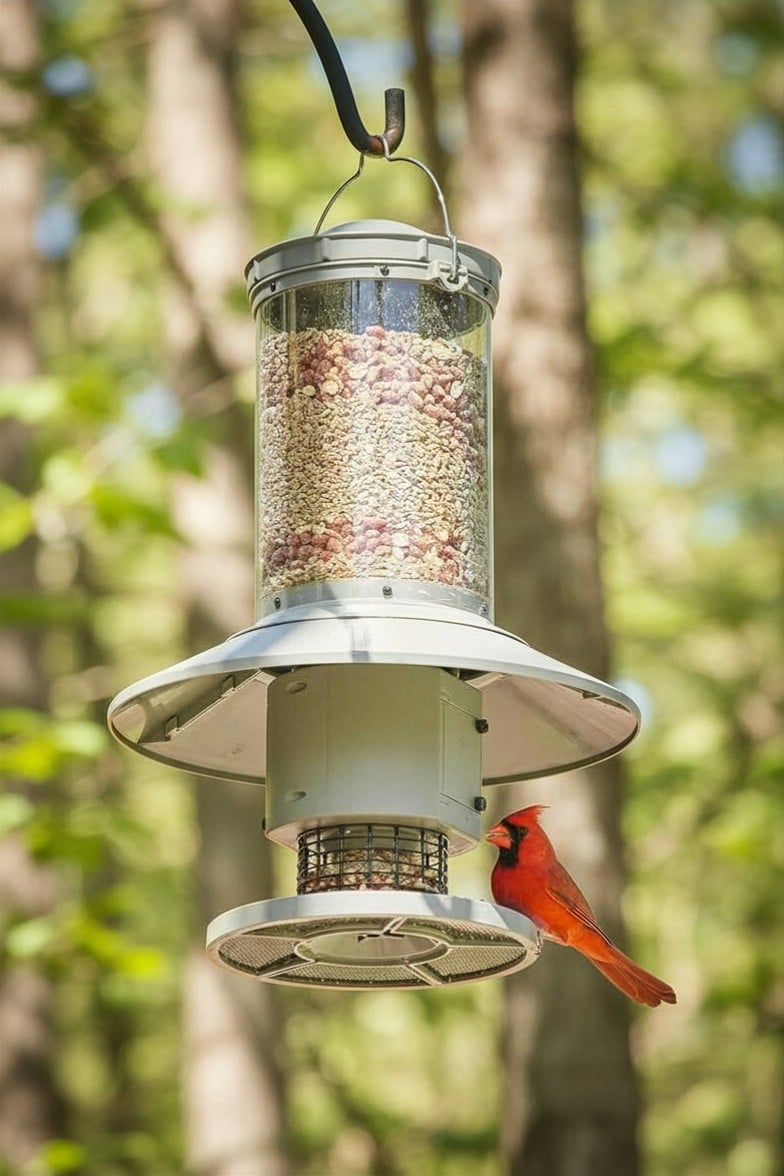
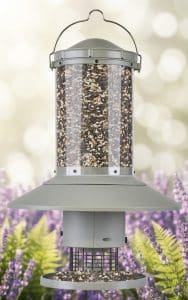
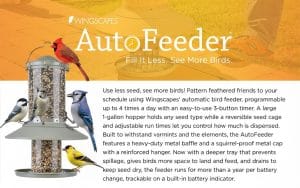
This is not a basic hopper feeder. It is a programmable, battery-powered feeder with a large tray, a deep seed catch area, and a timer that releases food on a schedule. That setup helps reduce waste and makes feeding more predictable. It also helps me stop birds from treating the feeder like an all-day buffet.
That said, I would not call it a perfect pigeon-proof bird feeder in the strictest sense. Pigeons can still be persistent. Still, this feeder gives me a much better chance of managing them than an open feeder with no timing control.
Check Latest Price
Why this feeder works better than a standard open feeder
Scheduled feeding changes the whole feeding pattern
Birds learn the routine fast
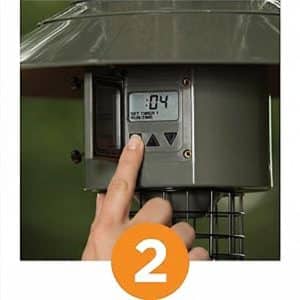
The biggest advantage here is the timer. The feeder can release seed one to four times a day, and each feeding can run for one to ten seconds. That means the birds stop waiting around for an always-full feeder and start showing up at specific times.
That matters because pigeons often take over open food sources. They are fast, bold, and hard to discourage once they find a dependable meal. A timed feeder does not magically erase that problem, but it makes the feeding window smaller and more controlled.
I like that because it turns bird feeding into a routine instead of a free-for-all.
Less seed sitting out in the open
A feeder that dumps seed all day creates two problems. It wastes food, and it gives pigeons more time to crowd the area. This feeder reduces both.
The AutoFeeder releases seed only when I want it to. That lets me keep the feeding area cleaner and keeps seed from sitting out long enough to get messy or damp. The deeper tray also helps catch seed before it scatters everywhere.
That is a real advantage if my goal is to keep birds fed without turning my yard into a spill zone.
The build feels more serious than a cheap feeder
Metal and heavy plastic do the job
The product uses metal and heavy plastic, which makes sense for an outdoor feeder that needs to handle weather. The metal baffle, squirrel-proof cap, and reinforced hanger all point to a feeder built for regular use.
I do not expect a feeder like this to feel delicate. I want it to feel sturdy enough to stay outside, hold seed, and keep working through bad weather.
That is the impression this one gives.
Weather resistance is not just a bonus
A lot of feeders fail because they are not built for real outdoor conditions. Moisture gets in. Plastic cracks. Seed gets wet. Then birds stop using it.
This model includes drains in the bottom so the seed can stay dry and fresh. That detail matters more than it sounds. Dry seed is less likely to clump, spoil, or turn the feeder into a mess.
For a feeder that is supposed to help manage pigeons and reduce waste, that feature earns its place.
Key specs at a glance
Main features
| Feature | What it means |
|---|---|
| Brand | Wingscapes |
| Capacity | 1 gallon |
| Power | 4 AA batteries |
| Feeding schedule | 1 to 4 times daily |
| Feed duration | 1 to 10 seconds per release |
| Perch | 360 degree perch |
| Material | Metal and plastic |
| Mounting | Hanging mount |
| Special features | Removable lid, squirrel proof, weather resistant, timer feeder |
| Color | Classic green |
What stands out most
One gallon is a useful size
A 1-gallon capacity is large enough to matter, but not so huge that it becomes hard to manage. That size works well for regular backyard feeding. It also keeps me from refilling every day.
Battery power keeps it flexible
The feeder runs on four AA batteries, and the product details say they can last for more than a year. That gives me a lot of freedom. I do not need an outlet. I do not need a complicated setup. I just hang it and set the schedule.
That simplicity matters. A feeder that is easy to power is easier to keep in use.
The 360 degree perch helps birds land naturally
The perch gives birds room to circle the feeder and land from different angles. That makes the feeder feel more usable for small birds. It also helps with birdwatching because birds can gather around the tray instead of crowding one tiny opening.
That said, a wide perch can also attract bigger birds. So this feature helps access, but it does not create a hard pigeon barrier on its own.
Can it really work as a pigeon proof bird feeder?
The honest answer
It helps, but it is not absolute
I would describe this feeder as pigeon-resistant rather than perfectly pigeon-proof. That is the honest version.
Why? Because pigeons are large, strong, and persistent. A feeder with an open tray and a broad landing zone will never stop them completely. What this feeder does well is limit free access. It feeds on a schedule, dispenses smaller portions, and gives me more control over when and how much food appears.
That control is the real defense.
Timing matters more than an open feeder design
Pigeons often dominate feeders because food stays out too long. A timed feeder changes that. If I only release seed for short periods, pigeons have less time to settle in and treat the feeder like a permanent source.
That makes the feeder far more useful in a pigeon-heavy yard than a standard feeder that stays loaded around the clock.
What still works against you
Large birds may still show interest
The 360 degree perch and open landing area help birds access the feed. That can also make the feeder attractive to larger birds, including pigeons. So if the goal is total exclusion, this is not the final answer.
Seed spillage can still draw attention
Even with a deep tray, some feed can still splash or scatter during release. Once seed hits the ground, pigeons notice. Ground spill is a common problem with bird feeding in general, and this feeder reduces it more than it eliminates it.
So the real strategy is not just the feeder itself. It is the feeder plus smart placement, careful timing, and the right seed amount.
What I like about the feeding system
The timer gives me real control
I can adjust feeding for the season
The ability to set 1 to 4 feedings per day gives me flexibility. In warmer months, I can keep the schedule lighter. In colder months, I can increase it. That makes the feeder easier to adapt over time.
That is especially useful for people who feed birds year-round.
I can start small
The 1 to 10 second feeding window is one of the smartest parts of the design. I do not need to dump a huge amount of seed at once. I can begin with a short release and see how the birds respond.
That matters because a controlled start helps birds learn the feeder schedule without wasting food. It also helps me avoid making the pigeons comfortable too quickly.
Birds learn the pattern
Regular feeding builds traffic
Once birds learn the timing, they start showing up around the same hours. That creates a more predictable birdwatching routine. It also helps smaller birds compete because the feeder does not stay open as long for aggressive birds to take over.
A few users mentioned that birds quickly learned the schedule and returned in groups. That makes sense. Birds respond to routine, and a timed feeder gives them one.
It keeps the yard less chaotic
Open feeders can turn messy fast. Birds scatter seed. Squirrels raid it. Pigeons move in. Then everything feels uncontrolled.
A timer changes the atmosphere. I get a quieter, more organized feeding pattern. That alone makes the feeder feel more useful.
The design details that make a difference
The deep tray is practical
It reduces waste
Seed spill is one of the most annoying parts of bird feeding. The deep tray helps keep more seed in place. That means less cleanup and less waste under the feeder.
For a pigeon-heavy yard, that matters even more. Pigeons are quick to collect anything that falls. A tray that holds seed better helps me keep the feeding zone cleaner.
It also gives birds room to land
Birds need a stable place to land and eat. The deep tray does both jobs. It helps catch stray seed and gives birds a better perch at the same time.
That kind of design detail is the difference between a feeder that looks good and a feeder that actually works.
The removable lid helps with maintenance
Refilling stays simple
A removable lid makes refill day easier. I do not want to wrestle with a feeder every time I need to add seed. I want a straightforward top opening and a clean way to refill without spilling half the contents.
Cleaning becomes less annoying
Any feeder that holds seed over time needs regular cleaning. The removable lid helps with that too. It is easier to inspect the inside, wipe it down, and keep the feeder in good shape.
That matters because dirty feeders lose birds fast.
Performance in real use
Strong points from long-term use
The feeder can handle winter weather
One long-term user described it surviving two cold, snowy winters. That is a good sign. It suggests the feeder is not just a fair-weather product.
For anyone feeding birds through the winter, that kind of durability matters.
Battery life sounds practical
The stated battery life is over a year with four AA batteries. That is a major advantage. It means the feeder does not need constant attention just to keep working.
I like products that reduce maintenance instead of adding more of it.
Weak points to keep in mind
Moving parts can fail over time
Some long-term users mentioned gear or motor problems after extended use. That is worth taking seriously. A programmable feeder is only as good as its motor and drive system.
So I would not buy this and assume it will run forever without any issues. I would treat it as a useful tool that still needs occasional monitoring.
Squirrels are still a threat
The feeder is marketed as squirrel proof, but real-world use can be messier. Squirrels can be persistent, and some users have seen them attack the feeder or cause damage when they get access.
That does not make the feeder useless. It just means I would still hang it carefully and avoid giving squirrels an easy launch point.
Who this feeder is best for
Good fit
Bird lovers who want a schedule
This feeder fits people who want birds to visit at specific times. That makes it great for birdwatching, morning routines, or keeping birds active around the yard.
People who want less mess
The deep tray, timed release, and drains all help reduce cleanup. That matters if the area under the feeder usually turns into a seed pile.
Backyard owners with pigeon pressure
This is a smart choice for yards where pigeons dominate open feeders. The timer makes access more controlled, which helps cut down on constant crowding.
Poor fit
Buyers who want full pigeon exclusion
This feeder is not a sealed pigeon barrier. It can help manage pigeons, but it will not stop every large bird from showing interest.
Buyers who dislike maintenance
Any automatic feeder brings more moving parts. Some people want a simple hanger-and-fill setup. This is not that kind of product.
Anyone expecting zero clogging forever
Some users report that chunky seed can clog or jam the feeder. That means seed choice matters. I would use a cleaner, more uniform seed blend and avoid oversized chunks.
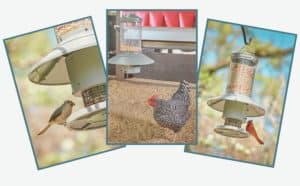
Best ways to use it well
Use the right seed
Keep the seed consistent
A feeder like this works better with seed that flows smoothly. Large chunks can clog the dispensing mechanism. Smaller, cleaner seed tends to work better.
Do not overfill at first
Start with shorter feedings. That gives birds time to learn the schedule and helps me see how much seed the feeder really uses in my yard.
Place it with care
Hang it in a stable spot
A strong hanging point matters. The feeder has weight when full, and squirrels or large birds can add stress to the mount.
Keep it away from obvious squirrel paths
Branches, fences, and easy jump points can make life easier for squirrels. A better hang location helps the feeder work the way it should.
Clean it often
Stop buildup before it starts
Seed dust, damp seed, and leftover bits can cause feeding problems. Regular cleaning keeps the feeder moving properly.
Check the battery and motor
Since the feeder depends on electronics, I would check it often enough to catch problems early. That is especially important before a long trip or a stretch of bad weather.
Pros and cons
Pros
Timed feeding helps manage pigeons better than open feeders.
Battery operation keeps setup simple.
Large 1-gallon capacity reduces refills.
Deep tray helps reduce waste.
Drains help keep seed dry.
Removable lid makes cleaning easier.
360 degree perch gives birds flexible landing space.
Weather-resistant build suits outdoor use.
Cons
Not a perfect pigeon-proof barrier.
Large birds may still land on it.
Moving parts can fail over time.
Chunky seed may clog the mechanism.
Squirrels can still cause problems if placement is poor.
Frequently Asked Questions
Is this really a pigeon proof bird feeder?
Not in the strictest sense. It helps reduce pigeon dominance because it feeds on a schedule, but it does not fully block large birds.
How many times per day can it feed?
It can dispense seed from one to four times daily.
How long does each feeding last?
Each release can run for one to ten seconds.
How much seed does it hold?
It holds one gallon of seed.
How is it powered?
It uses four AA batteries.
Does it work in bad weather?
The feeder is described as weather resistant, and the built-in drains help keep seed dry.
Is it good for birdwatching?
Yes. The scheduled feeding helps birds arrive at predictable times, which makes them easier to watch.
Conclusion
The Wingscapes AutoFeeder is a smart feeder for people who want more control. It does not promise a magic fix. It gives me a better system.
That system helps in a pigeon-heavy yard because it reduces constant access, cuts waste, and creates a more predictable feeding schedule. It also gives birds a better routine, which makes the whole setup feel calmer and easier to manage.
I would not call it a perfect pigeon-proof bird feeder. I would call it a practical pigeon-control feeder with real benefits. It is sturdy, programmable, and built with enough useful details to justify a closer look.