Quaker Parrot Sounds: Discover Their Playful Calls
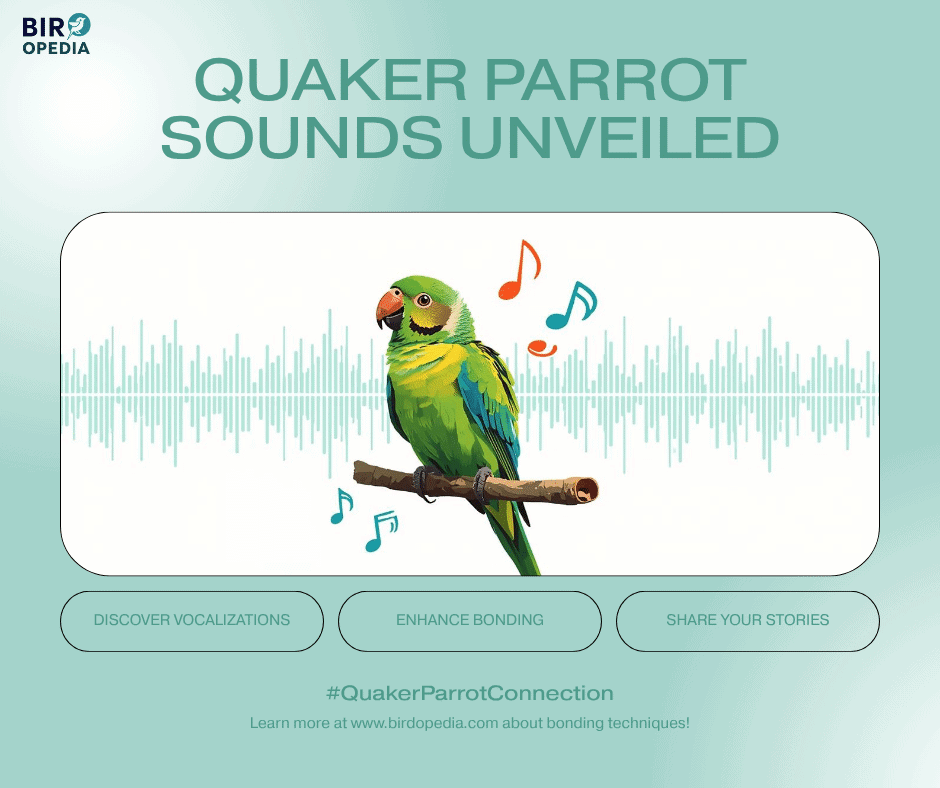
Have you ever wondered what your Quaker Parrot thinks? Those unique calls are not just noise. They are how your parrot talks to you. Understanding Quaker Parrot sounds helps you connect deeper. This makes your bond much stronger. It makes your home a happier place. You will learn what each noise means. You will never miss your pet’s message again.
Ready to learn your pet’s secret language? Let’s dive in!

Credit: www.youtube.com
Normal Quaker Parrot Noises
Quaker parrots make many different sounds. These noises help them talk to others. Listening to their sounds tells you how they feel. You can learn what they want.
Chirps and Happy Tweets
Chirps and tweets are soft, short noises. Quaker parrots use them when they feel happy. These sounds show they feel safe in their home.
They use these sounds during play or rest.
They help parrots stay connected to you.
You often hear them in quiet moments.
Squawks and Loud Screams
Squawks and screeches are loud, sharp sounds. They show the parrot is excited or alarmed. Quakers make these sounds if they feel scared. They may also want your attention right now.
They warn other birds of danger nearby.
They show very strong emotions.
These sounds can be frequent and noisy.
- The World Parrot Trust (WPT) notes that the volume of a Quaker Parrot’s alarm call is critical for its survival in the wild. A spokesperson explains: “Quaker Parrots naturally live in large, noisy, colonial nesting communities. Their calls evolved to be intense and sharp to cut through the din of the colony. When they squawk loudly in a home environment, it’s often a natural, instinctual behavior attempting to reach their ‘flock’ (you) over what they perceive as distance or noise.”
Copying Your Speech
Quaker parrots can copy human words. They learn by listening closely to you. Talking parrots repeat words they hear daily.
This helps build a close bond with people.
It shows their great memory and smarts.
They need regular, patient training to learn.

Credit: www.youtube.com
The Meaning of Each Noise
Quaker parrots use different sounds for their feelings. Listening to these noises tells you what they want. Each sound shows a different mood or message. Knowing these sounds helps you bond with your parrot.
They Are Happy
Happy Quakers make soft, gentle noises. They may whistle or chirp quietly when content. These sounds show your bird feels safe. They may also chatter softly while playing.
Soft whistling or gentle chirping is good.
Gentle chatter happens during playtime.
You hear low, happy squawks sometimes.
They Are Stressed
Stressed Quakers make sharp, loud calls. Their sounds may repeat quickly and sharply. These noises warn you the bird feels uneasy. Stress comes from loud noises or new places.
Loud, sharp squawks mean they are worried.
They make rapid, repeated calls.
You may hear high-pitched screams for help.
Warning of Danger
Quakers use loud calls to warn of trouble. These sounds alert their flock or their owner. The warning calls are sharp and very quick. They often happen if a new person is near.
Short, loud squawks warn the group.
They use repeated warning calls.
Strong, sharp noises signal danger.
How Quaker Parrots Talk
Quaker parrots use many sounds to talk with each other. They have a rich language of calls and noises. Understanding their sounds helps us learn their needs. We know their true feelings.
Talking to Friends
Quakers use sounds to socialize with other birds. They chirp and whistle to greet their friends. These sounds keep the group connected. They share information very fast.
Friendly chirps help them say hello.
They whistle to call for attention.
Soft calls happen when they play together.
Protecting Their Space
Quakers use loud calls to guard their spot. These sounds warn other birds to stay away. Territorial calls keep their home safe from any intruders.
Loud squawks mark their home area.
Sharp calls scare away other birds.
Repeated sounds show they are present.
Building Trust
Quakers use soft sounds to bond with family. These gentle calls build closeness and trust. They often copy sounds from their mates. This makes their bond even stronger.
Gentle coos show true affection.
Mates share soft whistles often.
Soft chatter means they are resting well.
- Dr. Stephen R. B. Evans, a behavioral ecologist, clarifies the function of mimicry: “When a Quaker Parrot learns to speak, it is not merely repeating words; it is establishing its role within the human ‘flock.’ Mimicry, soft cooing, and chatter are their tools for allofeeding and affiliative bonding. They are using our language to show that they are a safe, trusted member of the family unit.”

Credit: www.youtube.com
Teach Your Parrot to Talk
Quakers are famous for copying speech and sounds. Teaching your parrot to talk needs patience. You must be consistent. Start with simple words and clear sounds. Regular practice helps your bird learn quickly.
How to Help Them Speak
Talk to your parrot often every day. Use simple, very clear words. Repeat the same words many times. Use a calm, kind voice to keep them interested. Play recordings of words to give examples.
Give Positive Praise
Reward your parrot when it tries to copy sounds. Use small treats or give gentle praise. This makes your bird want to keep practicing the words.
Give small treats right after good sounds.
Use soft words or gentle petting to praise.
Keep training sessions short and very fun.
What Not to Do
Do not get mad if your parrot fails to speak. This may scare or confuse the bird. Avoid using too many words at once. This makes the learning process harder for them.
Never punish your parrot for not speaking.
Avoid loud noises that might scare the bird.
Do not try to rush the training process.
Know What Sounds Mean
Quaker parrots use many sounds for their feelings. Listening closely helps you know their mood. Each sound has a different meaning. Learning these sounds helps you care for your bird better.
See Mood Changes
Quaker parrots change their sounds as their mood shifts. Happy parrots make soft, sweet chirps. When scared, they might screech loudly. Watch their sounds to see how they feel right now.
Soft chirps mean they are calm and happy.
Loud screeches show fear or anger.
Repeated whistles signal excitement.
Look for Sickness
Changes in your parrot’s sounds may signal sickness. Very quiet parrots can be tired or ill. Harsh or odd sounds may mean pain. Watch volume and tone of all their calls.
Less sound than normal can mean illness.
Weak or harsh calls may show pain.
Sudden silence is a clear warning sign.
How to Respond
Listen to your parrot’s sounds to know what to do. Comfort them if they sound scared or mad. Talk softly or give a toy when they make happy sounds. Meeting their needs builds strong trust.
Calm them with soft words during loud calls.
Give attention when they whistle happily.
Check their health if sounds seem strange.
Frequently Asked Questions
What noises do Quaker Parrots make?
Quakers make chirps, squawks, whistles, and copy speech. Their sounds show feelings like stress or joy.
Why do they copy human voices?
They copy voices to talk and socialize. This action shows their smarts and need for people.
How do I quiet a loud Quaker Parrot?
Give them toys and social time. Keep the home environment calm. Fun things to do lower stress and loud noise.
Do their sounds show their health?
Yes, many varied sounds show a happy bird. Sudden silence or odd noises may mean a health problem.
Conclusion
Quaker parrot sounds clearly show their needs. Listening helps you know your pet better each day. These birds are loud but also very loving. Learning their calls builds a strong trust and bond. Enjoy their unique sounds and happy moments together. Caring for a Quaker parrot needs patience and focus. Their voices bring great joy and life to any home. Keep paying attention. Your amazing parrot will thrive.