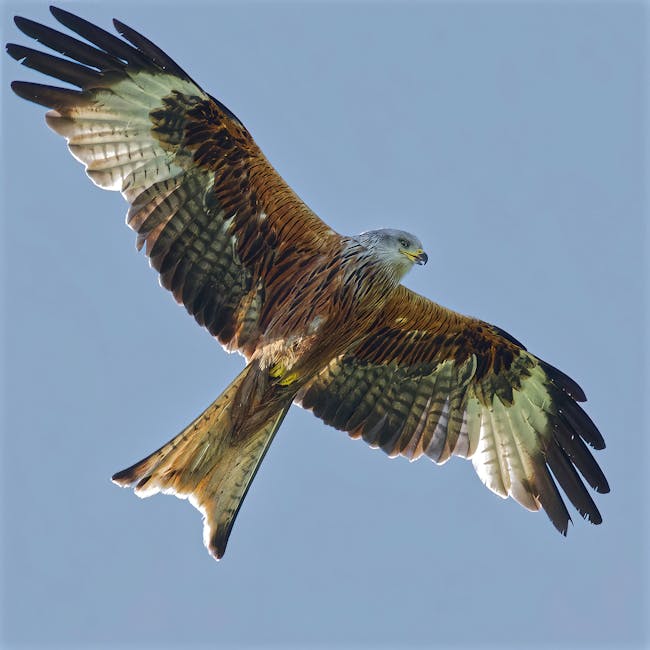
Have you ever stopped to watch a raptor bird soaring high above? These powerful birds capture your attention with their sharp eyes and swift movements.
But there’s so much more to raptor bird species than just their impressive flight. Understanding these incredible hunters can change the way you see the natural world around you. Keep reading, and you’ll discover fascinating facts that will make you appreciate their strength, skill, and role in nature like never before.
Your next outdoor adventure might just feel a little more exciting with this new knowledge.
Raptor Bird Characteristics
Raptor birds are known as birds of prey. They hunt and eat other animals for food.
These birds have special features that help them catch prey and live in the wild.
Physical Traits
Raptors have strong, curved beaks that tear meat easily. Their feet have sharp talons to catch prey.
They usually have large wings for fast and silent flight. Their feathers help them blend into their environment.
- Hooked beak for tearing flesh
- Powerful legs and sharp talons
- Strong wings for soaring and gliding
- Camouflaged feathers for hiding
Hunting Adaptations
Raptors use their sharp talons to grab and kill prey quickly. They often dive from high above to catch animals.
Many raptors hunt during the day and rely on surprise and speed to catch food. Their strong muscles help them carry heavy prey.
- Powerful talons for gripping prey
- Fast diving and swooping attacks
- Strong muscles for lifting heavy food
- Stealthy flight to avoid being seen
Vision And Senses
Raptors have excellent eyesight. They can see small animals from far away. Their eyes are large and sharp.
They also have good hearing and sense of touch. These senses help them find prey in different environments.
- Very sharp vision for spotting prey
- Large eyes with many light sensors
- Good hearing to detect movements
- Strong sense of touch in talons

Credit: www.wildlifenomads.com
Fierce Raptor Species
Raptors are birds of prey known for their sharp talons and keen eyesight. They hunt other animals for food.
Many raptors show strength and speed that make them fierce hunters in the wild.
Peregrine Falcon
The peregrine falcon is the fastest bird in the world. It can dive at speeds over 200 miles per hour.
This falcon uses its speed to catch birds in mid-air. It has strong talons and sharp beak for killing prey.
Golden Eagle
Golden eagles are large and powerful raptors. They hunt mammals like rabbits and foxes.
They have strong wings and sharp eyesight. Golden eagles can soar high and spot prey from far away.
Harpy Eagle
The harpy eagle lives in tropical forests. It is one of the largest and strongest eagles.
This eagle can catch monkeys and sloths with its big, powerful claws. Its strength helps it climb trees with prey.
Red-tailed Hawk
The red-tailed hawk is common in North America. It hunts small animals like rodents and snakes.
This hawk uses its sharp vision to find prey from high above. Its red tail helps identify it in flight.
Osprey
Ospreys are fish-eating raptors. They live near rivers, lakes, and coasts.
They dive into water to catch fish with their sharp talons. Ospreys have special feet to hold slippery fish.
Hunting Techniques
Raptor birds use different hunting techniques to catch their prey. They rely on sharp eyes, fast moves, and strong bodies. These skills help them find and capture food in many ways.
Each hunting method suits the bird's shape and environment. Some soar high to spot prey, while others use surprise attacks. Their talons and beak play a key role in hunting success.
Soaring And Spotting Prey
Raptors soar high in the sky to search for prey below. They use their keen eyesight to spot small animals from far away. Soaring helps save energy while looking for food.
Thermals, or rising warm air, help them stay up without much effort. This way, they can cover large areas and find prey easily.
Dive Attacks
Some raptors dive quickly to catch prey by surprise. They fold their wings and drop fast from the sky. This speed makes it hard for prey to escape.
Dive attacks are often done from high above. The bird aims carefully and strikes with strong talons or beak.
Stealth And Ambush
Certain raptors use stealth to get close to prey. They fly low and quietly or hide in trees. This lets them surprise animals that are not watching.
Ambush hunting needs patience and careful planning. The raptor waits for the right moment to attack quickly.
Using Talons And Beak
Raptors catch prey with sharp talons. These strong claws hold tightly to stop the prey from escaping. Talons also help kill or injure prey fast.
The beak is hooked and sharp. Raptors use it to tear meat into pieces. Both talons and beak work together to eat their catch efficiently.

Credit: www.wildlifenomads.com
Raptor Habitats
Raptors are birds of prey that live in many places. Their habitats provide food and shelter.
These habitats vary from high mountains to cities. Each place supports different raptor species.
Mountain Regions
Mountain regions offer rocky cliffs and open skies. Raptors use these areas to hunt and nest.
Species like eagles and hawks often live in mountains. They build nests on high ledges.
Forests And Woodlands
Forests have many tall trees that raptors use for shelter. They hunt smaller birds and mammals here.
Owls and some hawks prefer dense woodlands. These areas help them hide during the day.
Wetlands And Coastal Areas
Wetlands and coasts provide rich food sources. Fish and water animals attract many raptors.
Ospreys and some eagles live near water. They catch fish and nest in nearby trees or cliffs.
Urban Environments
Some raptors adapt well to cities and towns. Tall buildings replace cliffs for nesting.
Peregrine falcons are common in urban areas. They hunt pigeons and small birds on city streets.
Conservation Challenges
Raptor birds face many dangers that threaten their survival. These challenges make it hard for them to live and reproduce.
Understanding these problems is key to protecting these important birds of prey.
Habitat Loss
Many raptor species lose their homes as forests and grasslands disappear. Human activities like farming and building take away their natural areas.
Without good habitat, raptors find less food and fewer safe places to nest.
Pollution And Pesticides
Pollution harms raptors by poisoning the water and air they depend on. Pesticides used on farms can build up in their bodies and cause sickness.
These chemicals can reduce their ability to reproduce and raise young successfully.
- DDT and other pesticides thin eggshells
- Polluted water reduces prey availability
- Toxic chemicals accumulate in raptor bodies
Climate Change Effects
Climate change alters weather patterns and seasons. Raptors may struggle to find food if prey animals move or decline.
Changes in temperature and storms can damage nests and reduce survival rates of young birds.
Human-wildlife Conflict
Raptors sometimes prey on livestock or game animals. This causes people to see them as threats and harm them.
Trapping, poisoning, and shooting reduce raptor numbers in many areas.
- Retaliation for lost livestock
- Hunting to protect game animals
- Disturbance from human activities

Credit: thefalconrycentre.co.uk
Raptors And Ecosystems
Raptors are birds of prey like eagles, hawks, and owls. They play an important part in many ecosystems.
These birds help keep nature balanced by hunting and feeding on other animals. They impact many living things around them.
Role In Food Chains
Raptors sit at the top of food chains. They eat smaller animals like rodents, fish, and insects.
By hunting, raptors control populations of these animals. They stop prey from becoming too many and damaging plants.
Controlling Pest Populations
Raptors help farmers by eating pests that harm crops. This natural control reduces the need for chemicals.
- Owls catch mice and rats in fields
- Hawks hunt insects and small birds
- Eagles take larger prey that may spread disease
Indicators Of Environmental Health
Raptors show if an environment is healthy. They need clean air, water, and enough food to survive.
A drop in raptor numbers can mean problems like pollution or habitat loss. Scientists watch these birds closely to learn about nature.
Frequently Asked Questions
What Defines A Raptor Bird Species?
Raptors, or birds of prey, are characterized by their keen eyesight, hooked beaks, and sharp talons. They are carnivorous and hunt for food, including small mammals, birds, and fish. Raptors include eagles, hawks, falcons, and owls, known for their powerful flying and hunting skills.
How Do Raptors Hunt Their Prey?
Raptors use their exceptional eyesight to spot prey from a distance. They swoop down with speed and precision, using their sharp talons to grasp and kill. Some raptors, like falcons, dive at high speeds, while others, like owls, use stealth and silence.
Why Are Raptors Important To Ecosystems?
Raptors help maintain balanced ecosystems by controlling populations of rodents and other small animals. They are indicators of environmental health, as they are sensitive to changes in habitat and pollution. Protecting raptors ensures biodiversity and the stability of food chains.
How Do Raptors Differ From Other Birds?
Raptors have unique adaptations like strong, hooked beaks and powerful talons for hunting. Their keen eyesight is superior, allowing them to spot prey from great distances. Unlike other birds, raptors are primarily carnivorous and play a critical role as apex predators in their ecosystems.
Conclusion
Raptor birds play an important role in nature. They help control small animal populations. Their sharp eyes and strong wings make them excellent hunters. Many species live in different parts of the world. Watching raptors can be exciting and educational.
Protecting their habitats keeps ecosystems healthy. These birds remind us of nature’s power and beauty. Learning about raptors can inspire respect for wildlife. Keep exploring and appreciating these amazing creatures every day.