Have you ever paused to listen closely to the mysterious sound of a raven bird call? That deep, haunting caw isn’t just noise—it’s a powerful message packed with meaning.
Whether you’re a nature lover, a bird watcher, or simply curious, understanding the raven’s call can open up a whole new world around you. You’ll discover why the raven’s voice is so unique, what it might be trying to tell you, and how tuning in can change the way you experience the wild.
Ready to unlock the secrets behind that unforgettable sound? Keep reading—you won’t want to miss this.

Credit: urbannature.blog
Raven Vocalizations
Ravens are known for their wide range of sounds. They use calls to communicate with each other.
These vocalizations help ravens express emotions and share information.
Types Of Raven Calls
Ravens have many types of calls. Each call has a different purpose and sound.
Some calls warn of danger, while others help them find food or talk to mates.
- Croaks: deep and harsh calls used to signal threats
- Clicks: short sounds for close communication
- Knocks: tapping noises to show curiosity or interest
- Trills: fast, high-pitched sounds used during play or excitement
- Mimicry: copying sounds from other birds or animals
Sounds And Meanings
Each sound tells other ravens what is happening nearby. They use calls to warn or invite.
Understanding these sounds helps us learn about raven behavior and their social lives.
| Sound | Meaning |
|---|---|
| Croak | Warning of danger or to protect territory |
| Click | Friendly greeting or close contact call |
| Knock | Curiosity or attention-seeking |
| Trill | Excitement or playfulness |
| Mimicry | Imitating sounds to communicate or confuse |
Purpose Of Raven Calls
Ravens use calls to share information with each other. Their sounds help them survive and live in groups.
Each call has a special meaning. Ravens use calls for many reasons every day.
Communication With Other Ravens
Ravens talk to each other using different calls. They use these sounds to stay connected in their group.
Calls help ravens share where food is or warn about danger. They also use calls to keep in touch during flight.
Warning Signals
Ravens use loud calls to warn others about threats. These calls help the group stay safe from predators.
- Alerting others to danger nearby
- Scaring off predators or rivals
- Calling for help if trapped or hurt
Mating And Territory
Male ravens use calls to attract mates. Their sounds show strength and help defend their home area.
Calls mark a raven’s territory. They warn other birds to stay away from their space.
- Attracting a female partner
- Showing dominance over an area
- Keeping rivals out of their territory
How Ravens Learn Calls
Ravens use calls to communicate with each other. They learn these sounds by listening and practicing.
Young ravens watch adults and copy their calls. This helps them join the group and share information.
Imitation And Adaptation
Ravens listen carefully to other birds around them. They copy calls to fit in with their group.
They change their calls slightly to match the sounds of their environment. This helps them stay understood.
- Young ravens copy adult calls
- Calls change to match local sounds
- Adaptation helps with group communication
Regional Variations
Ravens in different places have different calls. These changes happen because of their local environment.
Birds from one area may sound different from those far away. This shows how calls adapt over time and space.
- Calls vary by region
- Local sounds influence call style
- Variation helps ravens identify each other

Credit: www.youtube.com
Raven Calls In Culture
Ravens are known for their loud and unique calls. These sounds have caught human attention for centuries. Many cultures hear meaning in raven calls.
People often connect raven calls with mystery, magic, and messages from other worlds. These birds appear in stories, art, and beliefs worldwide.
Mythology And Folklore
In many myths, ravens are seen as messengers or helpers of gods. Their calls are thought to carry secret knowledge or warnings. Some stories say ravens guide souls or bring news from the spirit world.
For example, in Native American tales, the raven is a trickster and creator. Its call often signals change or a new beginning. In Norse mythology, Odin’s ravens bring him news from all over the world.
- Ravens as messengers in many cultures
- Calls linked to magic or prophecy
- Symbols of change or transformation
- Helpers or guides in spiritual stories
Symbolism In Art And Literature
Artists and writers use raven calls to create moods of mystery or fear. The sound adds a dark or eerie feeling to poems and paintings. Ravens often symbolize intelligence and the unknown.
In famous poems like Edgar Allan Poe’s “The Raven,” the bird’s call is a sign of loss and sorrow. Painters use the image of raven calls to hint at hidden truths or secrets in their work.
- Ravens represent mystery in art
- Calls add an eerie or dark mood
- Symbols of wisdom and the unknown
- Used to show loss or hidden secrets
Scientific Study Of Raven Calls
Ravens are known for their unique and complex calls. Scientists study these calls to understand raven behavior and communication.
Research on raven calls helps reveal how these birds interact with each other and their environment.
Research Methods
Scientists record raven calls using special audio equipment in the wild. They capture many sounds to analyze later.
Researchers also observe ravens while they call. This helps link sounds to behaviors or situations.
- Field recordings with microphones
- Behavioral observations of ravens
- Sound analysis using computer software
- Playback experiments to test responses
Key Discoveries
Scientists found that ravens have many different calls. Each call can mean something specific.
Ravens use calls to warn others, find mates, or share information about food.
- Ravens have a wide range of vocal sounds
- Calls help in social bonding and warnings
- They remember and recognize other ravens by voice
- Some calls change depending on the situation
Listening To Ravens
Ravens are large black birds known for their deep, croaking calls. Listening to their sounds helps us understand their behavior.
Their calls can be loud or soft and often change depending on the situation. Paying attention to these sounds is fun and educational.
Where To Hear Them
Ravens live in many places, such as forests, mountains, and deserts. You can hear them near open fields or on cliff edges.
They are common in parks and rural areas. Listen early in the morning or late in the afternoon for the best chances.
- Mountain trails and forests
- Open fields and deserts
- Parks near woodlands
- Cliff edges and rocky areas
- Early morning or late afternoon
Tips For Bird Call Identification
Raven calls sound deep and rough. They use many types of sounds like croaks, clicks, and knocks.
Try to listen closely to different sounds. Notice how the calls change when ravens are alone or in groups.
- Focus on deep, croaking sounds
- Listen for clicking and knocking noises
- Compare calls when ravens are alone or together
- Use quiet places to avoid noise
- Practice often to recognize patterns
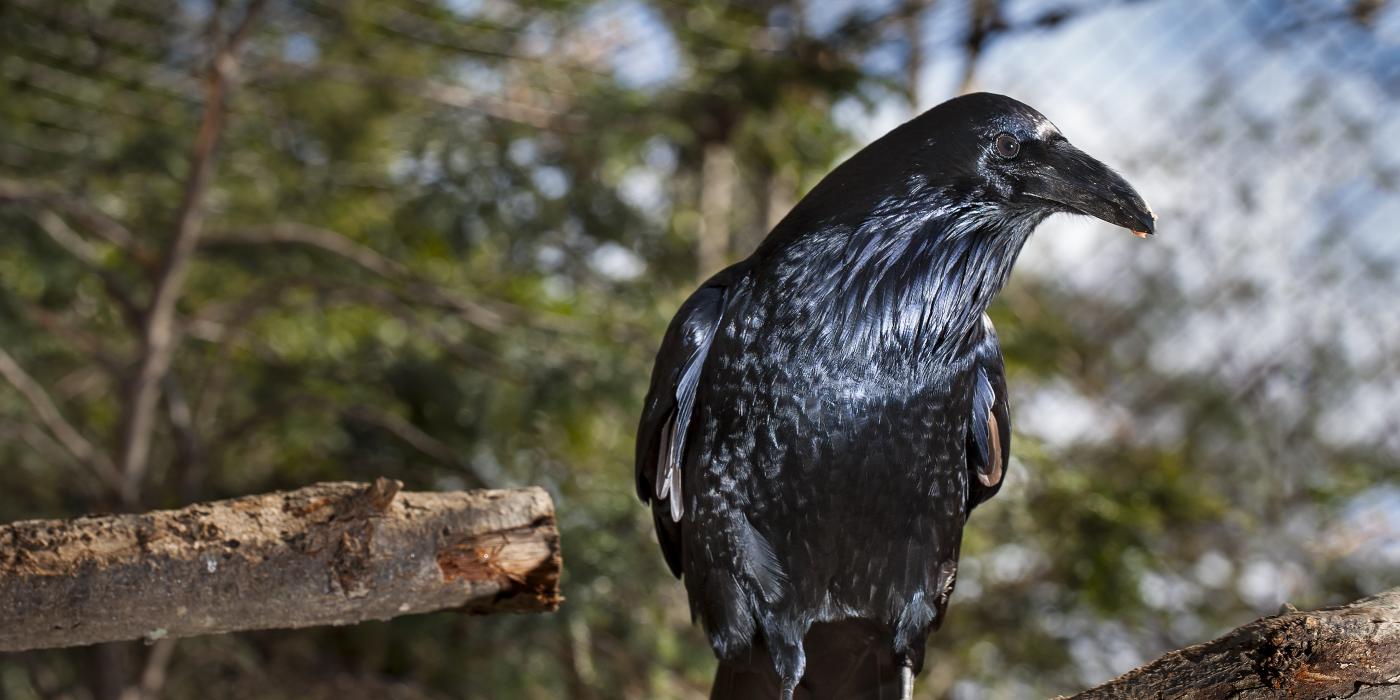
Credit: nationalzoo.si.edu
Frequently Asked Questions
What Does A Raven Bird Call Sound Like?
A raven’s call is deep, resonant, and croaking. It often includes a varied range of sounds like clicks, knocks, and gurgles.
Why Do Ravens Use Different Calls?
Ravens use calls to communicate territory, attract mates, signal danger, and interact socially. Each call has a specific meaning.
How Can You Identify A Raven By Its Call?
Ravens have a unique, low-pitched croak unlike crows. Their calls are more varied and complex, making identification easier.
When Are Ravens Most Vocal?
Ravens are most vocal during mating season and early morning. They use calls to establish territory and strengthen pair bonds.
Conclusion
Raven bird calls are unique and full of mystery. They help ravens talk to each other every day. Listening closely reveals their clever and social nature. These sounds connect ravens with their world and with us. Understanding their calls makes nature feel closer and more alive.
Next time you hear a raven, remember its voice tells a story. Nature’s language is all around, waiting to be heard.