
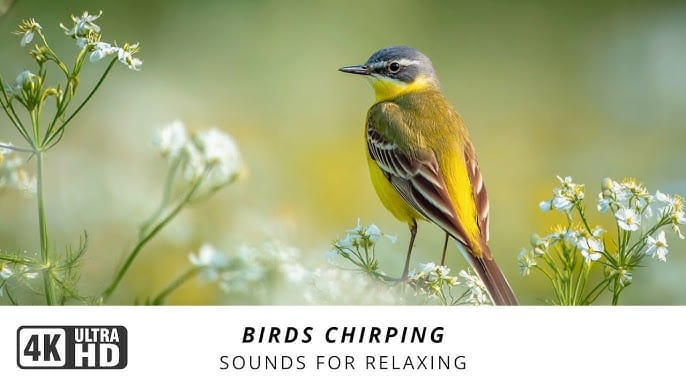
Have you ever wished to see more birds visiting your garden or backyard? Imagine turning your outdoor space into a lively haven filled with beautiful bird songs and colorful feathers.
Using recorded sounds to attract birds is a simple and effective way to make this happen. You’ll discover how specific bird calls and songs can draw different species right to your doorstep. Keep reading, and you’ll learn the secrets to creating a buzzing bird-friendly environment that you’ll enjoy every day.
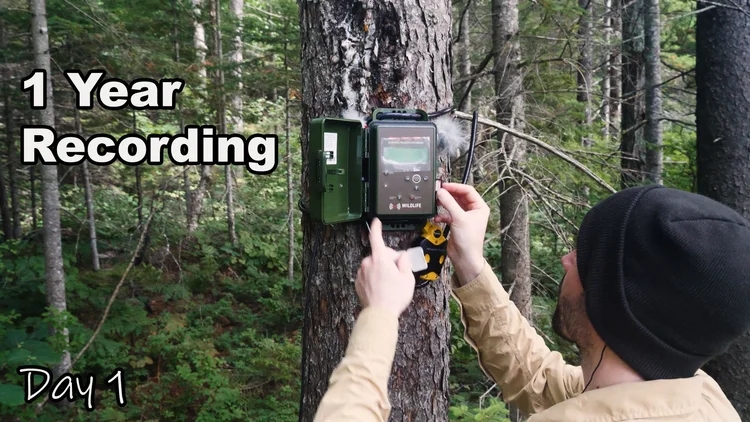
Credit: acousticnature.com
Why Use Recorded Bird Sounds
Recorded bird sounds help attract birds to your yard or garden. They mimic calls birds use to find food or friends. Using these sounds makes bird watching easier and more fun.
These sounds work in many places. You can use them in parks, backyards, or near bird feeders. They bring more birds closer so you can see them better.
Benefits Of Audio Lures
Audio lures attract birds by playing their natural calls. This helps create a lively space filled with birds. Using recorded sounds can save time and effort compared to waiting for birds to arrive.
- Encourages birds to visit your area
- Makes bird watching more enjoyable
- Helps identify bird species by their calls
- Works in different weather and daylight conditions
- Can attract birds during breeding or feeding times
Common Bird Species Attracted
Different bird sounds attract different species. Knowing which sounds to use helps bring the birds you want to see. Here is a simple table showing popular birds and their common calls used in audio lures.
| Bird Species | Type of Call |
| American Robin | Song and alarm calls |
| Northern Cardinal | Clear whistles |
| Blue Jay | Loud jeer calls |
| Chickadee | Chick-a-dee calls |
| House Finch | Soft warbles |
Choosing The Right Bird Calls
Recorded bird sounds help attract birds to your yard or garden. Using the right calls makes your efforts more effective.
Birds respond best to calls they recognize. Picking calls that match local birds increases your chances of success.
Matching Calls To Local Birds
Choose bird calls that belong to species in your area. Local birds know these calls and will respond to them.
Using calls from birds not found locally may confuse or scare away birds. Focus on common birds in your region.
- Identify common birds in your area
- Use calls recorded from these species
- Avoid calls from distant or exotic birds
- Check local bird guides for species info
Seasonal Variations In Calls
Bird calls change with the seasons. Use calls that match the current season to attract birds.
During breeding season, birds use more songs and calls to find mates. In fall or winter, calls differ as birds focus on other activities.
- Use mating calls in spring and early summer
- Play feeding or flocking calls in fall and winter
- Adjust calls based on bird behavior in your area
- Observe local bird activity to guide your choices
Equipment For Playing Sounds
Playing recorded sounds is a great way to attract birds in your garden or park. The right equipment helps make the sounds clear and natural.
Choosing good audio devices improves the chances of drawing birds closer. Below are important types of equipment to consider.
Best Speakers For Outdoors
Outdoor speakers should be weather-resistant and loud enough to cover a wide area. Clear sound helps birds recognize calls easily.
- Look for waterproof or water-resistant models
- Choose speakers with wide sound dispersion
- Pick durable materials that resist sun and rain
- Battery-powered speakers offer more placement options
- Consider speakers with good bass and treble balance
Portable Audio Devices
Portable devices allow you to move your sound sources easily. They are handy for different birdwatching spots.
| Device Type | Pros | Cons |
| Bluetooth Speaker | Wireless, easy to connect | Battery life limits playtime |
| MP3 Player | Simple to use, long battery life | No wireless control |
| Smartphone | Many apps and sound options | Sound quality depends on speaker |
| Portable Amplifier | Powerful sound, adjustable volume | Heavier and bulkier |
Effective Placement Of Sound Sources
Using recorded sounds can attract birds to your yard. Placing the sound source correctly is important. It helps you hear the birds and keeps them comfortable.
Good placement also stops scaring the birds away. Read on to find ideal spots and tips to avoid disturbing birds.
Ideal Locations In Your Yard
Place sound sources where birds often visit. Near trees or bushes is best. Avoid open and noisy areas. Hide speakers behind plants or near feeders.
- Near bird feeders or water sources
- Close to dense shrubs or trees
- Away from busy paths or loud machines
- At a height of 3 to 6 feet from the ground
- In shaded spots to protect equipment from sun and rain
Minimizing Disturbance To Birds
Keep the volume low so birds do not feel threatened. Use short playing times and avoid nonstop sounds. Turn off sounds at night to respect resting birds.
| Tip | Reason |
| Play sounds only during daylight | Birds are active and less disturbed |
| Keep volume moderate | Prevents scaring birds away |
| Hide speakers behind plants | Makes the sound source less obvious |
| Use natural bird calls | Sounds familiar and inviting to birds |
Timing And Frequency Tips
Recorded bird sounds help attract birds for watching or study. Using calls at the right times and frequency improves success. Timing and careful use keep birds interested without scaring them away.
Playing calls too often or at wrong times can make birds avoid the area. Follow simple tips on timing and frequency to get better results and protect bird behavior.
Best Times Of Day To Play Calls
Birds are most active at certain times of the day. Playing recorded calls during these times increases the chance of attracting birds to your location.
- Early morning, just after sunrise, is the best time for most bird species.
- Late afternoon before sunset also works well for attracting birds.
- Midday is less effective because birds rest during this time.
- Evening and night calls work only for nocturnal birds like owls.
Avoiding Overuse And Habituation
Birds get used to repeated sounds if calls play too often. Habituation makes calls less effective and can stress birds. Use calls carefully to keep them interested.
| Tip | Description |
| Limit Frequency | Play calls in short bursts, not continuously |
| Use Breaks | Pause between call sessions to avoid tiring birds |
| Change Calls | Rotate different bird sounds to reduce habituation |
| Observe Birds | Stop calls if birds show signs of stress or avoidance |
Combining Sounds With Other Lures
Recorded bird sounds work well to attract birds. Using sounds with other lures can bring better results.
Adding feeders, water, or visual attractants makes the spot more inviting. Birds will come more often.
Using Feeders And Birdbaths
Feeders give birds a reason to stay near the sound. They provide food that birds need daily.
Birdbaths offer fresh water for drinking and bathing. Water attracts birds, especially in dry times.
- Place feeders and birdbaths close to the speaker playing sounds
- Use different types of feeders to attract various bird species
- Keep birdbaths clean and filled with fresh water
- Refill feeders regularly to maintain interest
Visual Attractants To Enhance Success
Bright colors and shiny objects catch birds’ attention. Visual lures help birds find the area easily.
Use items like colorful flags, ribbons, or reflective surfaces. These attract birds from a distance.
- Hang small mirrors or shiny beads near feeders
- Use bright red or yellow decorations
- Place natural branches and leaves to create a welcoming space
- Move visual lures occasionally to keep birds curious
Common Mistakes To Avoid
Using recorded sounds can help attract birds, but some mistakes can scare them away. Avoid these errors for better results.
Playing calls the wrong way or ignoring rules can harm birds and reduce your success. Learn what to avoid.
Playing Calls Too Loud Or Too Often
Playing bird calls too loud can scare birds instead of attracting them. Loud sounds may also stress nearby wildlife.
Using calls too often makes birds avoid your area. They may learn your calls are fake and stop responding.
- Keep volume low and natural
- Play calls only for short times
- Give breaks between call sessions
- Watch bird reactions and adjust
Ignoring Local Bird Regulations
Many places have rules about playing recorded bird sounds. Ignoring these rules can harm bird populations.
Check local laws before using recorded calls. Some areas limit when and how you can use them to protect birds.
- Research local wildlife laws
- Ask park rangers or wildlife offices
- Follow seasonal restrictions on calls
- Respect protected or endangered species

Credit: www.allaboutbirds.org
Monitoring And Adjusting Your Setup
Using recorded sounds can help attract birds to your area. To get the best results, watch how birds react and change your setup as needed.
Careful monitoring and small adjustments make your bird calls more effective and natural.
Tracking Bird Responses
Observe the birds carefully after playing recorded calls. Look for signs like approach, singing back, or ignoring the sounds. These clues show if your setup works well.
- Note the time of day birds respond the most.
- Watch for changes in bird behavior near your speakers.
- Record the types of birds that appear after calls.
- Check if birds leave quickly or stay close.
- Observe if birds sing back or remain silent.
Adapting Calls For Better Results
Change your recorded calls based on bird reactions. Try different sounds, volumes, and timing to find what works best for local birds.
| Adjustment | Purpose | Effect on Birds |
| Lower volume | Make calls less disturbing | Birds stay longer, feel safe |
| Change call type | Match local bird species | More birds respond and approach |
| Shorter playtime | Prevent birds from getting tired | Birds return more often |
| Repeat calls at intervals | Simulate natural singing patterns | Birds show more interest |

Credit: www.youtube.com
Frequently Asked Questions
What Recorded Sounds Attract Birds Effectively?
Birds respond well to calls of their species, mating songs, and feeding sounds. These recordings mimic natural signals, encouraging birds to visit and stay nearby.
How Do Recorded Bird Sounds Help In Birdwatching?
Playing bird calls attracts birds to your location, improving observation opportunities. It helps identify species and study behaviors without disturbing their natural habitat.
Can Recorded Sounds Interfere With Wild Bird Behavior?
Excessive use of recordings may stress birds or disrupt communication. Use sparingly and avoid during breeding seasons to minimize negative impacts on bird populations.
Which Bird Species Respond Best To Recorded Sounds?
Songbirds, woodpeckers, and some waterfowl are highly responsive to calls. Species-specific recordings yield better results than generic sounds for attracting target birds.
Conclusion
Attracting birds with recorded sounds is both simple and rewarding. These sounds create a welcoming environment for different species. Birdwatchers find joy in hearing and seeing diverse birds. It’s an experience that connects us to nature. With patience, anyone can enjoy this hobby.
Remember to respect wildlife and use these sounds responsibly. Birds add beauty and peace to our surroundings. So, explore this method and bring nature closer. Enjoy the chirps and songs of your feathered visitors. Happy birdwatching!



