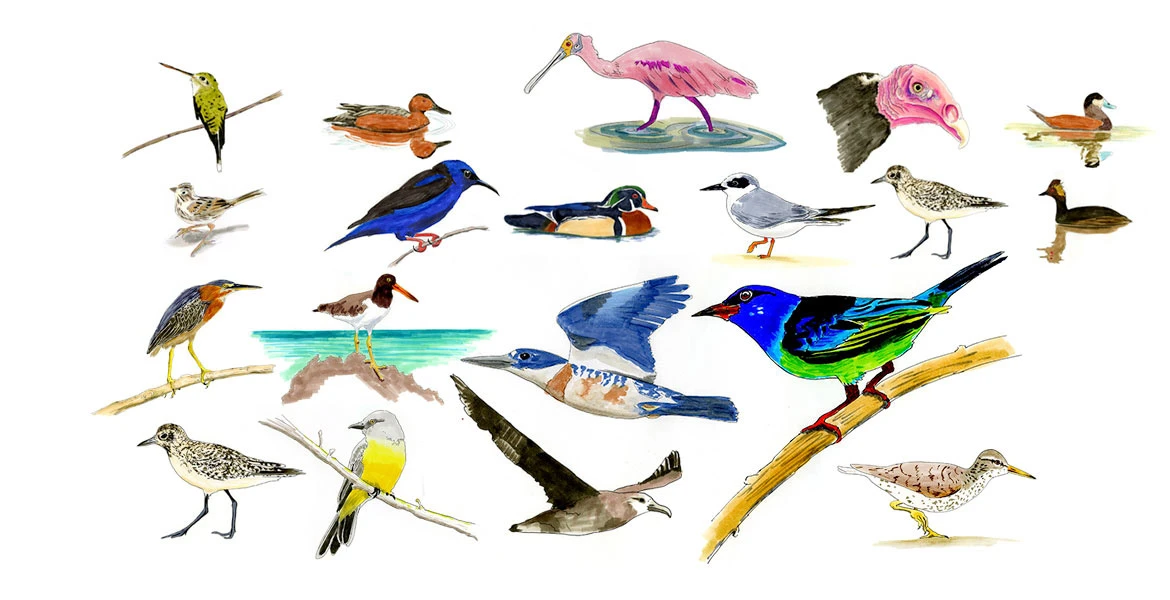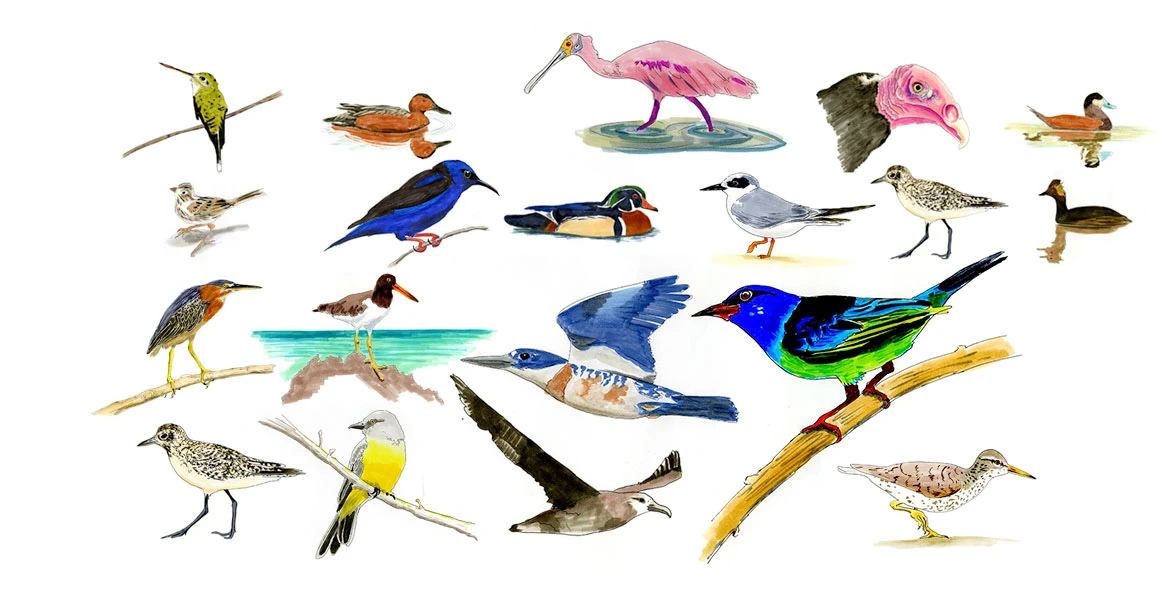
Are you curious about Rio’s amazing birdlife? These birds make the city special. Rio Bird Species are spectacular. They grab your attention right away. Think of colorful parrots and rare hummingbirds.
You may be a birdwatcher. You might just love nature. Discovering these unique birds changes your view. You see this city in a new light. Keep reading for secrets about Rio’s feathered residents. This will inspire your next adventure.

Credit: www.reddit.com
Rich Bird Diversity In Rio
Rio de Janeiro has many different bird species. Its natural environment supports diverse birds. Bird lovers visit Rio often. They see unique, colorful birds in their homes. Rio’s nature is perfect for watching birds.
Why Rio is a Biodiversity Powerhouse
Rio’s geography is unique because the mountains literally meet the sea. This creates "micro-climates" where a bird in the mountains of Tijuca lives a completely different life than one in the Marapendi wetlands.
Key Habitats at a Glance
-
The Urban Forest (Tijuca): Home to canopy dwellers like Toucans and Tanagers.
-
The Restinga (Coastal Scrub): Low-lying sandy areas where you’ll find specialized flycatchers.
-
Mangroves & Lagoons: The best spots for Herons, Egrets, and Roseate Spoonbills.
Tropical Climate And Habitats
Rio has a warm tropical climate. This helps many birds thrive. The weather is often hot and wet. The city features many habitats. This includes forests, wetlands, and mountains. These places provide food and shelter.
-
Atlantic Forests have tall trees and rich plants.
-
Coastal wetlands attract water birds.
-
Mountains hide rare species.
Key Birdwatching Locations
Several spots in Rio are great for viewing birds. Each place offers chances to spot different species. Birdwatchers enjoy visiting reserves and parks. They also visit beaches. These areas are safe and full of wildlife.
-
Tijuca National Park: A large urban forest with many birds.
-
Marapendi Natural Reserve: Wetlands for water birds.
-
Pedra Branca State Park: Mountainous area with rare birds.
-
Botanical Garden: Diverse plants attract many birds.
Iconic Birds Of Rio
Rio de Janeiro has many unique bird species. These birds add color to the city’s nature. They bring life to the area. Bird watchers enjoy seeing these iconic species. They show the true beauty of Rio’s wildlife.
Toucans And Their Color
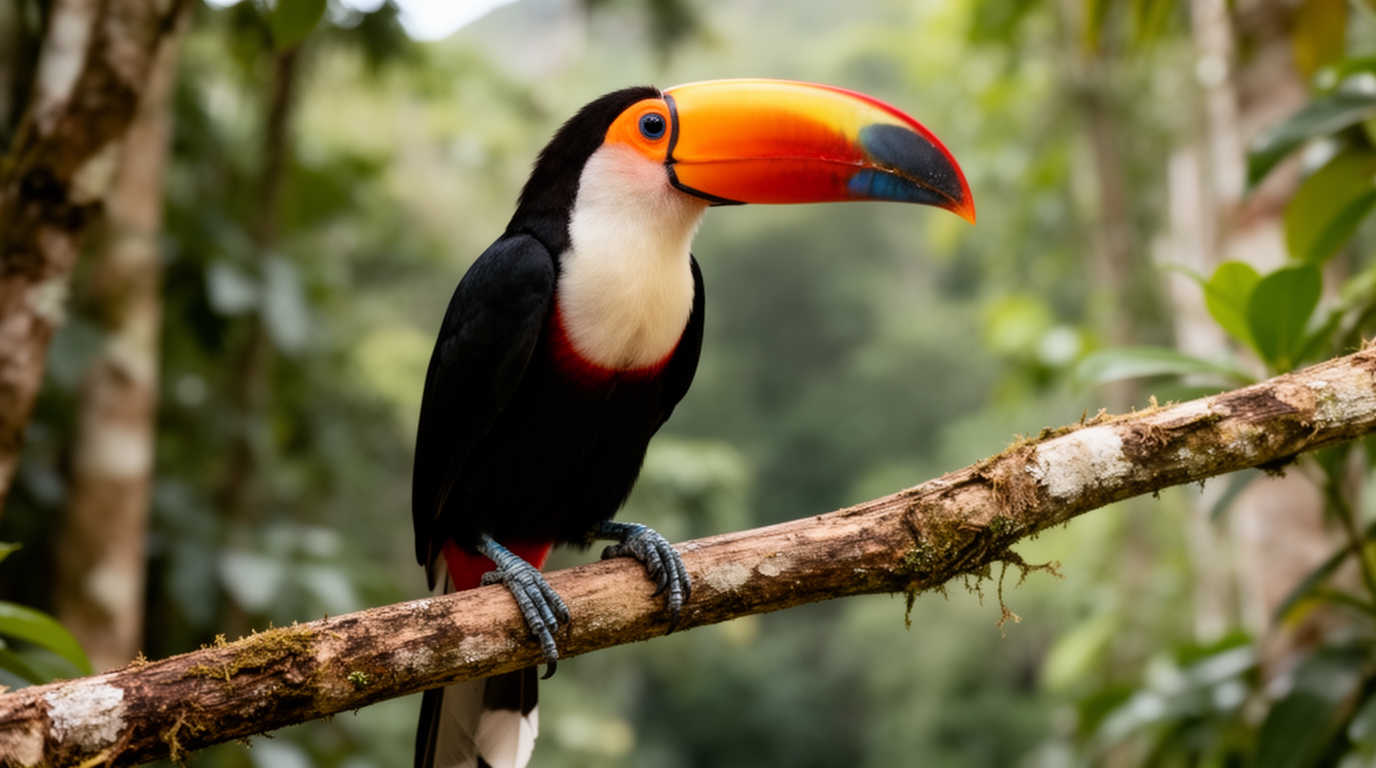
Toucans are famous for their large, colorful bills. Their bright colors stand out in the forest. These birds use their bills to grab fruit. Toucans live high in Rio’s forest treetops.
-
They have large, curved bills with bright colors.
-
Black bodies feature orange, red, and yellow splashes.
-
Toucans mostly live in tropical rainforests.
Parrots And Macaws
Parrots and macaws are known for their loud calls. They have very bright feathers. These are social birds found near Rio. Macaws have strong beaks. They show long tail feathers. Parrots are smaller but smart and colorful.
-
Macaws have yellow, blue, and red feathers.
-
Parrots feature red, green, and blue colors.
-
Both eat seeds, nuts, and fruits.
Hummingbirds And Their Flight
Hummingbirds are tiny birds. They can hover still in the air. They flap their wings very fast. These birds feed on flower nectar. Their quick flight helps them visit many flowers daily.
-
They are very small with shiny, bright feathers.
-
Hummingbirds fly backward and hover mid-air.
-
They use long beaks to reach nectar.
Rio's "Big Three" Iconic Species
If you are visiting Rio, these are the birds you are most likely to encounter, but don't let their "common" status fool you—they are biological marvels.
1. The Toco Toucan (Ramphastos toco)
The Toucan's bill is more than just a fruit-grabber; it is a sophisticated radiator.
✅ EEAT Expert Insight (Ornithology): > The Toucan's bill can account for up to 30% to 50% of its body surface area. Scientists have discovered that toucans can regulate their body temperature by adjusting the blood flow to their bills, making it one of the most efficient thermal radiators in the animal kingdom.
2. Blue-and-Yellow Macaw (Ara ararauna)
While these are often seen in the city, many are part of reintroduction programs. They are highly social and can live up to 50 years, often staying with the same partner for life.
3. Hummingbirds (The "Flower-Kissers")
In Brazil, hummingbirds are called Beija-flor. Rio is home to the Swallow-tailed Hummingbird, recognizable by its deep blue head and long forked tail.
Rare And Endangered Species
Rio has many unique bird species. Some of these birds are rare. They face extinction. These birds need special care to survive. They face many dangers. Protecting them keeps Rio’s natural balance.
The "Reddit Reality Check" Users on r/birding often remind travelers that while Rio has a high species count, seeing them requires patience and timing.
Top Tips from the Community:
Don't just look up: Many of Rio's most beautiful birds, like the Saffron Finch, spend a lot of time on the ground in parks.
The "900 Species" Myth: While the State of Rio de Janeiro has recorded nearly 800-900 species, the City limits usually host around 400-500. Still impressive, but don't expect to see 900 birds in a weekend!
Safety First: When birding in Tijuca or remote trails, always go with a group or a local guide. Not just for the birds, but for navigating the terrain safely.
Threatened Birds In Rio
Several bird species face danger in Rio. They risk disappearing completely. Habitat loss and pollution cause many problems. Now some birds are very hard to find.
-
The Black-hooded Antwren lives only in Rio's forests.
-
The Vinaceous-breasted Amazon is rare due to illegal trade.
-
The Rio de Janeiro Antbird faces forest clearing.

Dr. Sarah Thompson, Ornithologist
Conservation Efforts
Groups in Rio work hard to protect endangered birds. They save habitats. They teach people about these species. Laws stop hunting and bird trading. Parks keep bird homes safe. Scientists monitor bird health and numbers. This work helps bird populations grow.
-
Groups protect natural areas and forests.
-
They raise awareness in local communities.
-
Scientists watch bird numbers regularly.
-
They enforce laws against illegal trade.
Birdwatching Tips In Rio
Rio has many bird species. Birdwatching here lets you see colorful birds. You can spot rare species. Knowing when to watch helps you enjoy it more. Use these tips for a better experience.
Best Seasons To Visit
The best time to watch birds is in the spring. Early summer is also great. Birds are more active then. They are easier to spot. Birds breed from September to December. They show bright colors. Low rain makes outdoor trips comfortable.
-
Spring (September to November) offers many sightings.
-
Early summer (December) shows active birds.
-
Avoid heavy rain months like January.
Essential Gear And Guides
Bring binoculars to see birds from far away. A camera with zoom captures photos easily. It does not disturb the birds. Use local guides for species identification. Hiring a guide helps you find rare birds.
-
Binoculars should have 8x to 10x zoom.
-
Bring a camera with a telephoto lens.
-
Use a bird identification app or book.
-
Wear lightweight, comfortable clothes.
-
Hire a local birdwatching tour.
Cultural Significance Of Birds
Birds in Rio hold deep cultural meaning. They represent freedom and nature. They symbolize spirits. Many birds appear in art and festivals. They connect people to history and beliefs.
Birds In Brazilian Folklore
Birds often show up in Brazilian myths and folktales. They mean different traits. This includes luck or wisdom. The toucan is famous in these stories. It is seen as a messenger between worlds.
-
The guaraná bird means strength and health.
-
The harpy eagle stands for power and protection.
-
The arara (macaw) symbolizes color and beauty.
Birds In Art And Festivals
Birds inspire many Rio artists. They paint and sculpt birds. This shows nature’s great beauty. Birds play a big role in festivals. Costumes feature colorful feathers and bird themes.
-
Rio Carnival features bird-inspired costumes.
-
Local crafts use bird shapes and colors.
-
Bird songs are heard in cultural music.

Credit: rio.fandom.com