
If you love watching birds flutter around your garden or backyard, you probably want to attract more of them safely. But do you know which foods are best and safest for your feathered visitors?
Feeding birds the wrong items can harm them, even if your intentions are good. You’ll discover easy-to-find, safe foods that will bring a variety of beautiful birds right to your window. Keep reading, and you’ll learn how to create a bird-friendly space that keeps your winged friends healthy and happy.
Best Seeds For Birds
Feeding birds with the right seeds helps attract many species to your yard. Choosing safe and nutritious seeds keeps birds healthy and happy.
Different seeds appeal to different birds. Learn about some popular seeds that many birds love.
Sunflower Seeds
Sunflower seeds are a favorite for many birds. They offer high fat content and energy for birds during cold months.
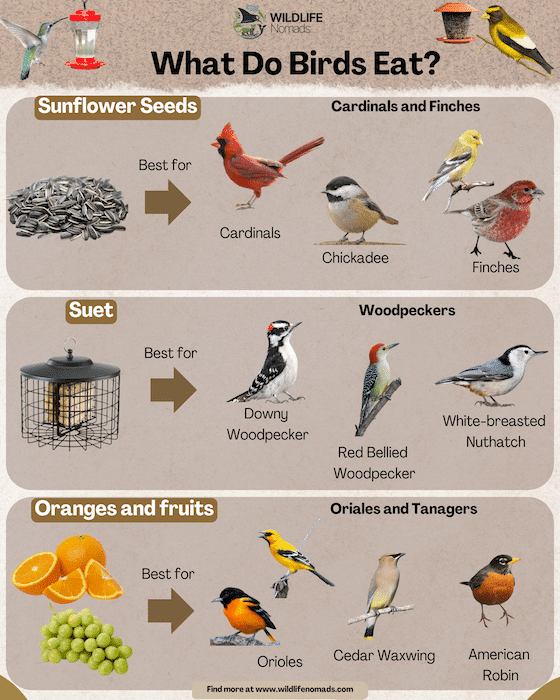
Black oil sunflower seeds have thin shells that are easy for small birds to crack. These seeds attract finches, cardinals, and chickadees.
Millet And Sorghum
Millet and sorghum are small seeds that ground-feeding birds enjoy. These seeds provide carbohydrates and some protein.
- White proso millet is popular with sparrows and juncos.
- Sorghum seeds attract doves and quail.
- Both seeds are good for mixing in blends.
Nyjer And Thistle Seeds
Nyjer seeds are tiny and rich in oil. Birds like goldfinches and siskins love them.
| Seed Type | Birds Attracted | Seed Size |
| Nyjer | Goldfinches, Siskins | Very small |
| Thistle | Finches, Pine Siskins | Small |
Fruits Birds Love
Birds enjoy many kinds of fruits in their diet. Fruits provide energy and nutrients. Offering safe fruits helps attract birds to your garden.
Different birds prefer different fruits. Knowing which fruits birds like helps you choose what to offer. Here are some popular fruits birds love.
Berries And Grapes
Berries and grapes are favorites of many bird species. These fruits are small and easy to eat. They also provide natural sugars and vitamins.
- Blueberries attract robins and thrushes
- Blackberries are eaten by finches and waxwings
- Raspberries are popular with cardinals and sparrows
- Grapes appeal to starlings and orioles
Apples And Pears
Apples and pears are safe for many birds. They like the sweet, juicy flesh. You can offer them fresh or sliced for easy feeding.
| Fruit | Birds That Like It | Serving Tip |
|---|---|---|
| Apple | Woodpeckers, jays, thrushes | Slice or core before offering |
| Pear | Mockingbirds, grosbeaks, tanagers | Cut into small pieces |
Bananas And Citrus
Bananas and citrus fruits like oranges attract tropical and local birds. They provide vitamin C and energy. Birds enjoy soft textures and bright colors.
Offer these fruits safely:
- Peel bananas and cut into chunks
- Remove seeds from citrus fruits
- Place fruit pieces on a clean feeder or platform
Nutritious Nuts And Legumes
Nuts and legumes provide good nutrition for birds. They offer protein, fats, and energy.
Choosing safe nuts and legumes helps keep birds healthy and active. Some types are better than others.
Peanuts And Almonds
Peanuts are a favorite snack for many birds. They have high protein and fat content.
Almonds are also good but should be offered in small pieces. Birds can eat them safely if unsalted.
- Peanuts provide energy and protein
- Almonds give healthy fats
- Break almonds into small pieces
Beans And Peas
Cooked beans and peas are safe for birds to eat. They add protein and fiber to their diet.
Do not feed raw beans as they can be harmful. Always cook them without salt or spices.
- Cook beans until soft
- Peas are easy to digest
- Avoid raw or dried beans
Avoiding Salted Or Roasted Nuts
Salted or roasted nuts can harm birds. Too much salt damages their kidneys.
Offer only raw or dry nuts. This keeps birds safe and healthy while they eat.
- Check labels for salt content
- Do not offer flavored nuts
- Choose raw, unsalted nuts only
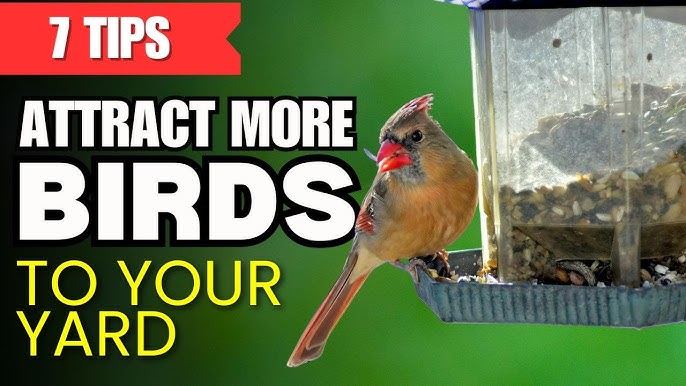
Credit: www.youtube.com
Safe Vegetables For Birds
Many vegetables are safe and healthy for birds to eat. These foods provide important vitamins and minerals.
Offering safe vegetables helps keep birds strong and happy in your garden or backyard.
Leafy Greens
Leafy greens are great for birds. They are easy to digest and full of nutrients.
Birds enjoy kale, spinach, and lettuce. Make sure to wash them well before offering.
- Kale
- Spinach
- Romaine lettuce
- Swiss chard
- Collard greens
Carrots And Peppers
Carrots and peppers add color and variety to a bird’s diet. Birds like them raw or cooked.
Cut carrots and peppers into small pieces for easy eating. Both vegetables offer vitamins A and C.
- Carrots (chopped or shredded)
- Red, yellow, and orange bell peppers
- Avoid spicy peppers like chili
Avoiding Toxic Vegetables
Some vegetables are harmful to birds and must be avoided. These can cause illness or death.
Do not feed birds onions, garlic, or raw potatoes. These vegetables contain toxins that are dangerous.
- Onions
- Garlic
- Raw potatoes and potato skins
- Rhubarb leaves
- Avocado
Healthy Grains And Cereals
Birds need safe and healthy foods to stay strong. Grains and cereals are good choices. They provide energy and nutrients for wild and pet birds.
Choose grains that are fresh and clean. Avoid grains with salt, sugar, or spices. These can harm birds.
Oats And Wheat
Oats and wheat are common grains that many birds enjoy. These grains are easy to digest and full of fiber. Birds like finches, sparrows, and doves eat oats and wheat well.
- Use plain rolled oats or steel-cut oats
- Offer wheat berries or cracked wheat
- Avoid instant oats with added sugar
Cooked Rice And Pasta
Cooked rice and pasta can be safe for birds if served plain. They provide carbohydrates that give birds energy for flying and daily activities.
| Food Type | Preparation | Notes |
| Rice | Cooked, no salt or oil | Use white or brown rice |
| Pasta | Cooked plain | Small shapes work best |
Whole Grains Benefits
Whole grains keep birds healthy. They have fiber, vitamins, and minerals. These help birds digest food and keep their feathers strong.
- Improve digestion
- Provide steady energy
- Support feather growth
- Boost overall health
Foods To Avoid Feeding Birds
Feeding birds is a fun way to connect with nature. But some foods can harm them.
Knowing which foods to avoid helps keep birds safe and healthy.
Toxic Foods
Some foods are poisonous to birds. Even small amounts can cause illness or death.
Common toxic foods include chocolate, avocado, and caffeine.
- Chocolate contains theobromine, which hurts birds' hearts and nerves.
- Avocado has persin, a chemical toxic to many bird species.
- Caffeine causes rapid heartbeat and can be fatal.
- Onions and garlic can damage bird blood cells.
- Alcohol and salty foods are dangerous too.
Processed And Sugary Items
Processed foods have chemicals and sugars that birds cannot digest well.
Sugary snacks and junk food can make birds sick and weak.
- Chips and crackers have too much salt and fat.
- Candy and sweets cause digestive problems.
- Packaged baked goods contain preservatives harmful to birds.
- Processed meats have additives unsafe for birds.
Foods That Cause Digestive Issues
Some natural foods can upset birds' stomachs or block digestion.
Avoid feeding birds large amounts of dairy, raw beans, or fruit pits.
- Dairy products can cause diarrhea since birds lack enzymes to digest lactose.
- Raw beans contain toxins that harm birds' digestive tracts.
- Fruit seeds and pits, like apple seeds, contain harmful compounds.
- Green potato skins and raw onions may cause stomach upset.
Tips For Feeding Birds Safely
Feeding birds is a fun way to enjoy nature. It helps birds find food, especially in tough times.
To keep birds healthy, you must feed them safely. Use the right food and keep feeding spots clean.
Proper Food Presentation
Offer food in ways that birds can eat easily. Use feeders made for different bird types.
Keep food dry and fresh. Wet or old food can make birds sick.
- Use tube feeders for seeds
- Place suet in mesh holders
- Spread peanuts in a platform feeder
- Keep fruit on trays or hanging baskets
Maintaining Clean Feeding Areas
Clean feeders regularly to stop disease. Dirty feeders can spread germs among birds.
Remove old food and wash feeders with warm water and mild soap. Rinse well before refilling.
- Clean feeders every two weeks
- Clear fallen seeds and droppings
- Keep ground areas dry to avoid mold
- Use bird-safe cleaning solutions
Seasonal Feeding Adjustments
Change feeding habits based on the season. Birds need different foods at different times.
Offer high-energy foods in winter. In spring and summer, provide fresh fruits and insects.
- Winter: seeds, suet, nuts
- Spring: soft fruits, mealworms
- Summer: berries, nectar
- Fall: mix of seeds and fruits

Credit: avibirds.com

Credit: www.wildlifenomads.com
Frequently Asked Questions
What Are The Safest Foods To Attract Wild Birds?
Safe foods for wild birds include sunflower seeds, millet, suet, and mealworms. Avoid processed or salted foods. Fresh fruits and nuts also attract many bird species. Providing clean water alongside food enhances bird visits. Always choose natural, pesticide-free options to keep birds healthy.
Can I Feed Birds Fruits To Attract Them Safely?
Yes, many birds enjoy fruits like berries, apples, and grapes. Offer fresh, unsweetened fruit pieces for best results. Avoid citrus fruits as they may upset some birds. Remove any seeds that are toxic, like apple seeds. Fruits provide essential vitamins and attract diverse bird species.
Are Homemade Bird Foods Safe To Use?
Homemade bird foods can be safe if made from natural ingredients. Use seeds, grains, nuts, and suet mixed carefully without additives. Avoid salt, sugar, or processed foods. Homemade mixes allow control over quality and freshness, ensuring a healthy diet for visiting birds.
How Can I Keep Bird Food Fresh And Safe?
Store bird food in airtight containers away from moisture and pests. Replace food regularly to prevent mold growth. Clean feeders often to avoid disease spread. Keep feeding areas dry and sheltered. Fresh food attracts more birds and promotes their wellbeing.
Conclusion
Attracting birds to your yard can be simple and rewarding. Offer a variety of safe foods to invite different species. Seeds, fruits, and nuts are great choices. Fresh water is essential too. Birds need it for drinking and bathing. Remember to keep feeding areas clean.
This helps prevent diseases. Enjoy watching these beautiful creatures visit your garden. Their presence adds life and color. Nature's music fills the air. A peaceful and delightful experience for all. So, start feeding birds today. Embrace the beauty of nature at your doorstep.
Happy birdwatching!


