Do you want to fill your garden with the joyful songs and vibrant colors of birds? Imagine stepping outside and seeing a variety of feathered friends visiting your yard every day.
It’s easier than you think to attract birds, but there are simple secrets you need to know. You’ll discover proven tips that will turn your outdoor space into a bird magnet. Get ready to unlock the magic that draws birds right to your doorstep!
Choosing The Right Plants
Birds need food and shelter to stay healthy. Choosing the right plants can help attract more birds to your garden.
Plants that provide nectar, seeds, and berries are best. Also, plants that offer shelter keep birds safe.
Native Flowers And Shrubs
Native plants grow well in your area. Birds are familiar with these plants and often rely on them for food.
Choose flowers and shrubs that produce seeds and berries. These provide natural food for birds.
- Sunflowers produce seeds that many birds eat
- Milkweed flowers attract butterflies and birds
- Serviceberry shrubs offer berries in spring and summer
Seasonal Blooms For Year-round Interest
Plant flowers that bloom in different seasons. This gives birds food all year long.
Early blooms feed birds coming out of winter. Late blooms help birds prepare for colder months.
- Spring: Crocus, daffodils, and wild violets
- Summer: Coneflowers, black-eyed Susans, and bee balm
- Fall: Goldenrod and asters
- Winter: Plants with seeds like coneflowers and sunflowers
Trees That Provide Shelter And Food
Trees give birds places to hide from predators. They also offer food like nuts, seeds, and fruits.
Pick trees that grow nuts and fruits birds like. Evergreen trees provide shelter during cold months.
- Oak trees produce acorns that many birds eat
- Maples offer seeds and good perches
- Holly trees have berries and dense branches
- Pine and spruce provide shelter in winter
Setting Up Feeders
Attracting birds to your yard is fun and rewarding. Setting up feeders helps you welcome many bird species.
Feeders give birds easy access to food. They also provide a safe place to rest while eating.
Types Of Bird Feeders
Different feeders attract different birds. Choose feeders based on the birds you want to see.
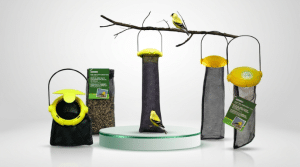
- Tube feeders hold small seeds and attract finches and chickadees.
- Platform feeders offer open space for larger birds like cardinals and jays.
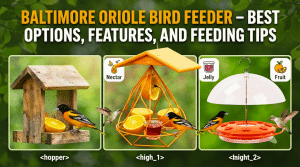
- Hopper feeders store lots of seed and feed many birds at once.
- Nectar feeders attract hummingbirds with sweet liquid.
- Suet feeders offer high-energy food for woodpeckers and nuthatches.
Best Seeds And Food Options
Pick seeds that birds like. Different birds prefer different foods.
- Black oil sunflower seeds attract many songbirds.
- Nyjer seed is great for finches.
- Peanuts (shelled or whole) are loved by jays and woodpeckers.
- Millet works well for sparrows and doves.
- Sugar water attracts hummingbirds to nectar feeders.
Placement Tips To Keep Birds Safe
Place feeders where birds feel safe from predators. Keep feeders clean and visible.
- Put feeders near shrubs or trees for quick cover.
- Keep feeders at least 10 feet away from windows to prevent crashes.
- Mount feeders 5 feet above ground to avoid cats and other animals.
- Clean feeders regularly to stop diseases.
- Offer fresh water nearby for drinking and bathing.
Creating Water Sources
Birds need water for drinking and bathing. Providing water helps attract many bird species to your yard. Water sources can be simple or elaborate.
Choosing the right water feature and keeping it clean makes a big difference. Birds prefer fresh, safe water for their daily needs.
Birdbaths And Ponds
Birdbaths are easy to add and can attract many birds. Ponds offer a larger water area and can support more wildlife. Both should be placed in a quiet, safe spot.
- Use shallow birdbaths with a gradual slope.
- Place stones in birdbaths for birds to perch.
- Keep ponds with gentle edges for easy access.
- Make sure water is not too deep to prevent drowning.
- Position water sources near trees or shrubs for cover.
Maintaining Clean Water
Clean water keeps birds healthy and encourages them to return. Dirty water can spread disease and scare birds away. Regular cleaning is important.
| Cleaning Task | Frequency | Tips |
| Empty and refill water | Every 2-3 days | Use fresh water, avoid chemicals |
| Scrub birdbath or pond edges | Weekly | Use a brush and mild soap |
| Remove algae and debris | As needed | Use a net or scoop |
Attracting Birds With Moving Water
Birds like the sound and sight of moving water. It signals fresh water and helps keep water clean. Adding movement can increase visits.
Ways to add moving water:
- Use a dripper or mister over a birdbath.
- Install a small fountain in a pond.
- Hang a water wiggler or spinner in the water.
- Place a shallow waterfall or stream feature.

Credit: www.yahoo.com
Providing Shelter And Nesting Spots
Birds need safe places to rest and build nests. Giving them shelter helps attract many species to your yard.
Providing different types of homes and cover supports birds throughout the year.
Installing Birdhouses
Place birdhouses at safe heights away from predators. Different birds prefer different hole sizes and house shapes.
- Mount houses 5 to 10 feet above the ground
- Use smooth wood to prevent injury
- Keep entrance holes clean and clear
- Face the entrance away from strong winds
- Place houses near trees or bushes for added cover
Natural Shelter Ideas
Use plants and natural materials to create cozy spots for birds. Trees, shrubs, and brush piles offer good protection.
- Plant native shrubs and small trees
- Leave dead trees or branches standing safely
- Build brush piles with twigs and leaves
- Grow dense ground cover plants for small birds
Materials Birds Prefer For Nesting
| Material | Why Birds Like It |
| Twigs | Strong and easy to weave |
| Dry Grass | Soft and warm lining |
| Feathers | Extra insulation for eggs |
| Moss | Holds moisture and warmth |
| Leaves | Good for padding and camouflaging |
Avoiding Common Hazards
Birds face many dangers in gardens and yards. You can help keep them safe by avoiding common hazards.
Simple changes can make your space safer for birds. Learn how to reduce risks and protect them.
Reducing Window Collisions
Birds often fly into windows because they see reflections or open sky. This can hurt or kill them.
Use window decals or screens to make glass visible. Close blinds or curtains when possible.
- Apply stickers or tape in patterns on windows
- Install external screens or netting
- Move bird feeders away from windows
- Use frosted or anti-reflective glass
Limiting Predator Access
Predators like cats and hawks can harm birds visiting your yard. Keep them safe by reducing access.
Place feeders and nests where predators cannot reach. Use barriers to protect bird areas.
- Keep cats indoors or supervise them outside
- Put feeders high or on poles with baffles
- Trim bushes to reduce hiding spots for predators
- Avoid feeding birds on the ground
Safe Use Of Pesticides And Chemicals
Pesticides and chemicals can poison birds. Use them carefully or choose safe alternatives.
Read labels and follow instructions. Avoid spraying near bird feeders or nests.
- Choose organic or bird-friendly pest control
- Apply chemicals during times when birds are less active
- Store chemicals out of birds’ reach
- Clean up spills quickly to prevent poisoning

Credit: www.yahoo.com
Encouraging Bird Activity
Birds bring life and color to any outdoor space. Encouraging them to visit your yard is simple and fun.
Providing food, water, and shelter helps attract many different bird species. You can also use sounds to invite birds to your area.
Creating Feeding Stations
Feeding stations give birds a safe place to find food. Place feeders in quiet spots away from predators.
Use feeders that suit the birds you want to attract. Keep feeders clean to prevent disease.
- Choose feeders for seeds, suet, or nectar
- Place feeders near trees or bushes for cover
- Refill feeders regularly with fresh food
- Clean feeders every two weeks
Attracting Different Bird Species
Different birds like different foods and habitats. Provide a variety of plants and feeders to attract many species.
Include native plants to give birds natural food and shelter. Water sources also draw birds to your yard.
- Use sunflower seeds for finches and chickadees
- Offer nectar feeders for hummingbirds
- Plant berry bushes for thrushes and robins
- Add a birdbath or small pond for drinking and bathing
Using Bird Calls And Sounds
Bird calls can attract birds by signaling food or safety. Play recordings softly near feeding areas.
Use calls of local birds to encourage visits. Avoid loud or continuous sounds that may scare birds away.
- Play bird songs during early morning or late afternoon
- Use calls of species you want to attract
- Keep volume low and use short play times
- Observe bird reactions and adjust sounds accordingly

Credit: www.yahoo.com
Frequently Asked Questions
What Types Of Bird Feeders Attract The Most Birds?
Tube and platform feeders attract various birds. Tube feeders suit small birds, while platform feeders attract larger species. Choose feeders based on the birds common in your area to maximize visits.
How Can I Create A Bird-friendly Garden?
Plant native trees, shrubs, and flowers that provide food and shelter. Include water sources and avoid pesticides. This creates a welcoming environment for birds to nest and feed.
What Foods Are Best To Attract Different Birds?
Seeds like sunflower, millet, and nyjer attract many birds. Suet appeals to insect-eaters. Fresh fruits and nectar attract hummingbirds and orioles. Offering diverse food supports various bird species.
Why Is Water Important For Attracting Birds?
Birds need water for drinking and bathing. A clean, shallow water source encourages birds to visit regularly. Moving water, like a fountain, can attract more birds by sound and sight.
Conclusion
Attracting birds to your garden is simple and rewarding. Offer food, water, and shelter. Choose native plants for natural food sources. Regularly fill bird feeders with seeds. Maintain a clean birdbath for fresh water. Avoid loud noises and disturbances. Patience is key.
Birds need time to discover your space. Keep observing and learning. Each visit brings joy and wonder. Your efforts create a welcoming haven. Enjoy the beauty and songs they bring. Nature’s guests make any garden feel alive. Every bird visit is a small success.
Embrace the experience and watch your garden thrive.