Have you ever wanted to bring more life and color to your backyard? Creating a shelter for birds right outside your door is one of the easiest and most rewarding ways to do just that.
Imagine watching cheerful birds visit daily, singing and building nests, turning your outdoor space into a lively sanctuary. This isn’t just about adding beauty — providing a safe place for birds helps protect them from harsh weather and predators. If you’re ready to make your backyard a welcoming haven for our feathered friends, keep reading.
You’ll discover simple steps that anyone can follow to create the perfect bird shelter and enjoy nature like never before.

Credit: www.amazon.ca
Choosing The Right Shelter
Providing a safe shelter for birds in your backyard helps them stay protected. The right shelter can attract many bird species to visit and live nearby.
Choosing the best birdhouse depends on the types available, the materials used, and the size and design you pick. Each factor plays a key role in making birds feel secure.
Types Of Birdhouses
Birdhouses come in many styles to meet the needs of different birds. Some are simple boxes, while others have special features like perches or multiple chambers.
- Single-compartment birdhouses for small birds like chickadees
- Multi-compartment birdhouses for species that nest in groups
- Open-front shelters for birds that prefer open spaces
- Special designs like martin houses or bluebird boxes
Materials That Work Best
Good materials keep birds safe from weather and predators. Wood is popular because it breathes and insulates well. Avoid metal or plastic that can get too hot or cold.
| Material | Advantages | Disadvantages |
| Cedar wood | Durable and natural | More expensive |
| Pine wood | Affordable and easy to work with | Less durable |
| Plastic | Weatherproof | Can overheat, less breathable |
| Metal | Very durable | Heats up quickly, noisy |
Size And Design Tips
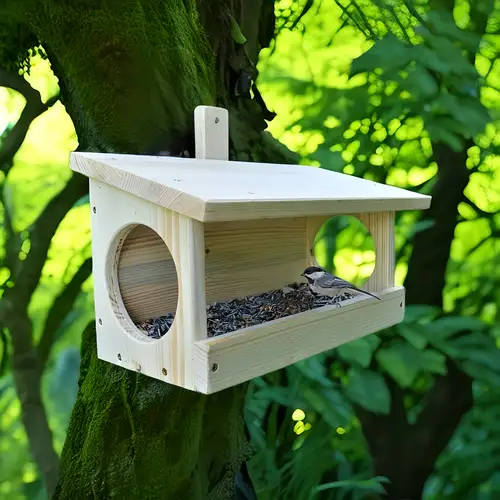
Size and design affect which birds will use your shelter. The entrance hole, inside space, and roof shape all matter for bird comfort and safety.
- Use entrance holes between 1 to 2 inches in diameter
- Make inside floor space at least 4 by 4 inches for small birds
- Sloped roofs help rain run off easily
- Place ventilation holes near the top for airflow
- Keep the shelter easy to clean with a removable panel
Credit: www.temu.com
Natural Shelter Options
Birds need safe places to rest and hide from predators. Natural shelters in your backyard help birds feel secure. Using plants and natural materials creates a healthy environment for them.
Providing natural shelter also supports bird health and breeding. You can use shrubs, trees, brush piles, and native plants to attract more birds to your garden.
Using Shrubs And Trees
Shrubs and trees offer birds places to hide, rest, and build nests. They protect birds from wind and rain. Evergreen trees are especially good because they provide shelter all year.
- Choose dense shrubs like holly or juniper
- Plant a mix of tall and short trees
- Keep some dead branches for bird perches
- Place plants near feeding areas for easy access
Creating Brush Piles
Brush piles made from sticks and branches offer safe spots for small birds. They hide from predators and find insects to eat. A brush pile also supports insects and small animals birds like to feed on.
- Gather small branches and twigs from your yard
- Choose a quiet, shaded spot away from heavy traffic
- Stack branches loosely to create many hiding spaces
- Include some leaves and pine needles for cover
- Check the pile regularly to keep it safe and clean
Incorporating Native Plants
Native plants support local birds better than non-native ones. They provide natural food like berries and seeds. Native plants also attract insects that birds eat.
| Native Plant | Bird Benefits | Growth Needs |
| Serviceberry | Offers berries and nesting spots | Full sun to part shade |
| Goldenrod | Attracts insects for bird food | Full sun |
| Redbud | Provides shelter and early flowers | Partial shade |
Placement Strategies
Placing a bird shelter in your backyard needs care. Good placement helps keep birds safe and comfortable.
This guide covers key spots to protect birds from danger and bad weather. Follow these tips for a safe bird home.
Safe Locations From Predators
Keep the shelter away from places where cats or raccoons can reach it. Avoid areas near thick bushes where predators hide.
- Place shelters on sturdy poles or trees with smooth trunks.
- Use metal guards on poles to block climbing predators.
- Keep shelters at least 10 feet from dense shrubs and fences.
- Pick spots visible to you, to watch for predator activity.
Ideal Height And Orientation
Bird shelters need the right height and direction. This keeps birds safe and helps them find food and water.
| Height | 4 to 6 feet above ground |
| Facing | East or southeast to catch morning sun |
| Avoid | Direct west exposure that brings harsh afternoon heat |
Avoiding Harsh Weather Exposure
Protect birds from strong winds, heavy rain, and direct sun. Use natural and man-made barriers for shelter.
Try these weather protection tips:
- Place the shelter near a wall or fence for windbreak.
- Use trees or shrubs to block strong winds.
- Make sure rain does not drip into the shelter entrance.
- Provide shade during summer to prevent overheating.

Credit: www.amazon.ca
Attracting Birds With Food And Water
Creating a shelter for birds in your backyard starts with offering food and water. Birds need a safe place to eat and drink. Providing these essentials helps attract different bird species.
Simple changes in your yard can invite more birds. Setting up feeders and baths encourages birds to visit and stay.
Choosing Bird Feeders
Select feeders that suit the types of birds you want to attract. Different birds prefer different feeder styles and food types.
- Tube feeders work well for small seed-eating birds.
- Platform feeders attract larger birds and ground feeders.
- Hummingbird feeders are best for nectar lovers.
- Squirrel-proof feeders help keep food for birds only.
Setting Up Bird Baths
Birds need fresh water to drink and bathe. A clean bird bath makes your yard more inviting.
| Bath Type | Benefits |
| Shallow dish | Easy for small birds to access |
| Dripper or fountain | Attracts birds with moving water |
| Heated bath | Prevents freezing in winter |
Seasonal Feeding Tips
Bird needs change with the seasons. Adjust your feeding routine to help them all year.
- Spring: Offer high-protein foods for nesting birds.
- Summer: Keep water fresh and add fruits for variety.
- Fall: Provide seeds with high fat for migration energy.
- Winter: Use suet and keep baths ice-free for survival.
Maintaining Bird Shelters
Bird shelters in your backyard need regular care. Keeping them clean and safe helps birds stay healthy.
Check your birdhouses often. Fix small problems to avoid bigger damage later.
Cleaning And Upkeep
Clean bird shelters at least once a year. Remove old nests and dirt to stop disease.
- Wear gloves before cleaning
- Use warm soapy water to scrub the inside
- Rinse well and let dry completely
- Do not use harsh chemicals
- Clean in late fall or early spring
Monitoring For Pests
Check shelters for ants, mites, or wasps. Pests can harm birds or damage the shelter.
| Pest | Signs | Action |
| Ants | Small trails near shelter | Clean and use natural deterrents |
| Mites | Birds scratching or missing feathers | Clean shelter and replace bedding |
| Wasps | Nests on or inside shelter | Carefully remove nests early morning |
When To Replace Or Repair
Look for cracks, loose parts, or rot in the shelter. These need fixing or replacing fast.
Signs a shelter needs repair or replacement:
- Wood is soft or crumbling
- Roof leaks during rain
- Entrance hole is damaged
- Loose or missing nails
- Structure wobbles or tilts
Additional Wildlife-friendly Features
Creating a bird-friendly backyard means more than just providing shelter. You can add features that help birds live safely and comfortably. These features support not only birds but other wildlife too.
Simple actions like adding nesting materials, making safe flight paths, and avoiding harmful chemicals can improve the environment for birds. These small changes make a big difference in your backyard.
Adding Nesting Materials
Birds need soft and safe materials to build their nests. You can provide natural items that are clean and easy to use. This helps birds save time and energy when making nests.
Good nesting materials include dry grass, small twigs, feathers, and bits of wool. Avoid using anything sharp or synthetic that might hurt the birds.
- Dry grass or hay
- Small twigs and sticks
- Feathers
- Uncolored cotton or wool fibers
- Hair from pets or humans
Creating Safe Flight Paths
Birds need clear paths to fly in and out of your yard safely. Avoid placing obstacles near birdhouses or feeders. Trees and bushes should have open spaces around them.
Keep windows visible with stickers or screens to stop birds from flying into glass. Remove or cover reflective surfaces that confuse birds during flight.
- Place feeders away from windows
- Use window decals or screens
- Keep clear space around bird shelters
- Trim plants to open flight paths
- Cover reflective surfaces
Avoiding Harmful Chemicals
Chemicals like pesticides and herbicides can hurt birds and other wildlife. Use natural methods to control pests and weeds instead. This keeps your backyard safe for all creatures.
Choose organic fertilizers and plant native species. These steps create a healthy space without toxic risks for birds and insects.
- Do not use pesticides or herbicides
- Choose organic fertilizers
- Plant native flowers and shrubs
- Use natural pest control methods
- Keep water sources clean and chemical-free
Frequently Asked Questions
What Is The Best Shelter For Birds In Backyard?
The best bird shelter offers protection from weather and predators. It should be sturdy, weather-resistant, and easy to clean. Include natural materials like wood and provide ventilation. Position the shelter away from direct sun and ground predators for a safe environment.
How To Attract Birds To Backyard Shelters?
Use bird feeders with seeds and fresh water near the shelter. Plant native shrubs and flowers for food and cover. Avoid pesticides and provide nesting materials like twigs. Regularly clean the shelter to keep it safe and inviting for birds.
What Materials Are Ideal For Backyard Bird Shelters?
Natural wood is ideal due to durability and insulation. Avoid treated wood and toxic paints that harm birds. Use non-toxic, weather-resistant materials for longevity. Ensure smooth edges to prevent injuries. Add drainage holes to keep the shelter dry and comfortable.
How Often Should I Clean Bird Shelters?
Clean bird shelters every 2-4 weeks to prevent disease. Remove old nesting materials and droppings. Use mild soap and water, avoiding harsh chemicals. Rinse thoroughly and dry before reuse. Regular cleaning maintains a healthy environment for visiting birds.
Conclusion
Creating a bird-friendly backyard is simple and rewarding. Birds need safe shelters to thrive. Plants and trees offer natural protection. Birdhouses and feeders add extra comfort. Water sources like birdbaths attract more species. Keep your yard clean and free from harmful chemicals.
Enjoy watching these beautiful creatures. They bring life and joy to any garden. With small efforts, you can support local wildlife. Your backyard can become a peaceful haven. For both birds and humans alike. Embrace nature and its wonders. Start today, and watch your backyard transform.
Into a lively, vibrant sanctuary for birds.